
10 Streamer Fishing Tactics for Trophy Trout
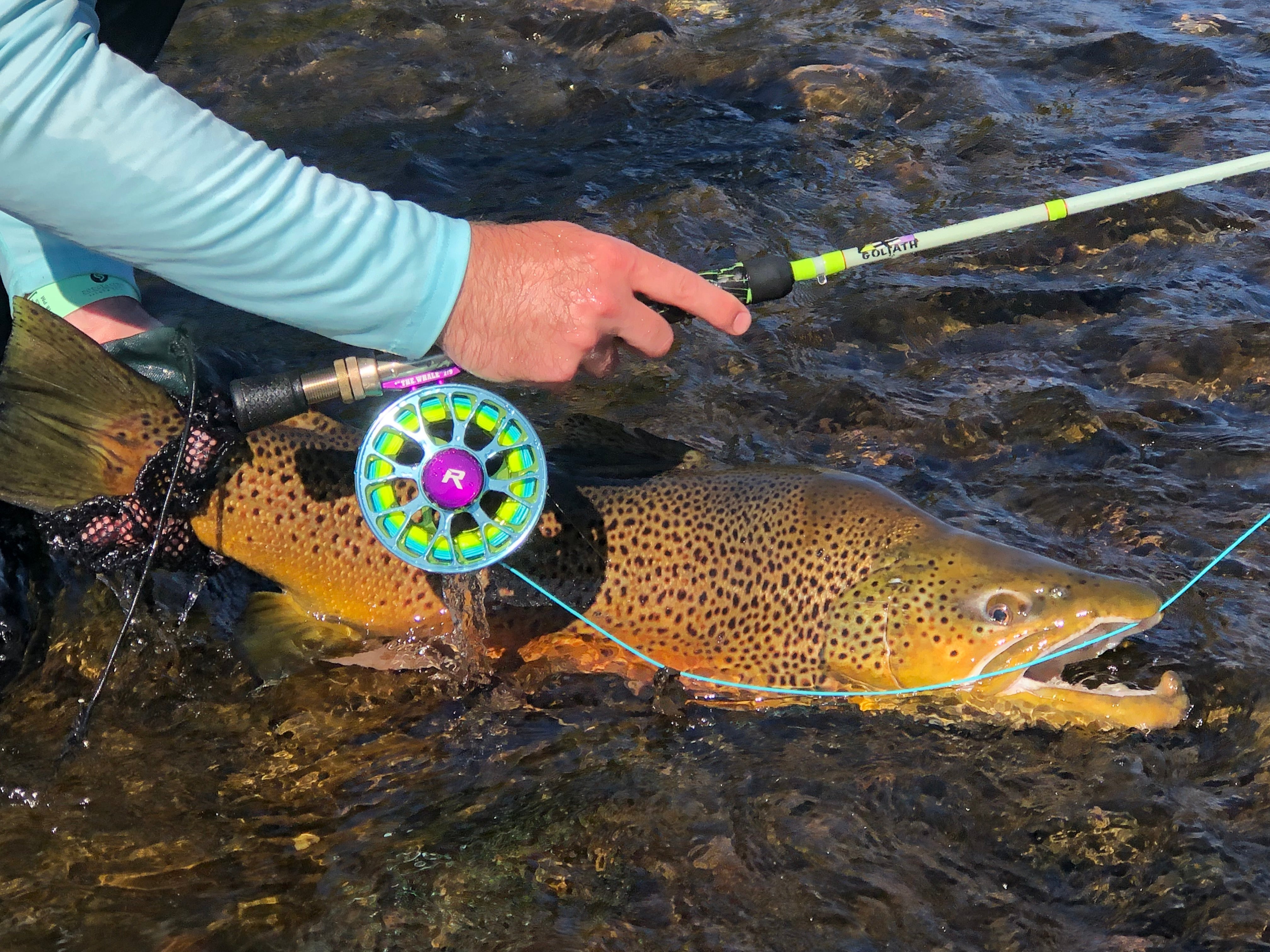
If you want to catch the biggest trout in any water, you need to fish streamers. While dry flies and nymphs catch plenty of fish, they rarely target the true trophies—the 20+ inch predators that feed primarily on baitfish, crayfish, and other substantial meals. After years of guiding anglers specifically targeting large trout, I've refined ten tactics that consistently put big fish in the net. These aren't random techniques or lucky catches—they're systematic approaches that exploit how trophy trout feed and behave.
Streamer fishing is fundamentally different from other fly fishing methods. You're no longer imitating helpless insects drifting with the current. You're imitating prey that swims, darts, and tries to escape. Big trout are predators, and streamer fishing taps into their predatory instincts. The strikes are violent, the fish fight harder, and the average size is dramatically larger. If you're ready to target the biggest fish in your river, these ten tactics will transform your streamer fishing success. Start building your streamer box with proven patterns from our streamer collection.
Table of Contents
- Why Streamers Catch the Biggest Trout
- Essential Streamer Gear Setup
- Tactic 1: The Aggressive Strip
- Tactic 2: The Swing and Strip
- Tactic 3: The Dead Drift Streamer
- Tactic 4: The Bank Crash
- Tactic 5: The Jerk Strip
- Tactic 6: The Pause and Drop
- Tactic 7: The Double Strip
- Tactic 8: Night Streamer Fishing
- Tactic 9: The Structure Ambush
- Tactic 10: The Color Change
- Reading Water for Streamer Fishing
- Frequently Asked Questions
- Final Thoughts
Why Streamers Catch the Biggest Trout
Understanding why streamers are so effective for trophy trout helps you fish them more effectively. Large trout behave fundamentally differently from smaller fish, and streamers exploit these behavioral differences.
The Biology of Big Trout
Caloric Efficiency: A 24-inch trout can't survive on size 18 mayflies. The energy cost of chasing tiny insects exceeds the caloric return. Big trout need substantial meals—baitfish, sculpins, crayfish, large stonefly nymphs, and even small trout. A single 4-inch sculpin provides as many calories as hundreds of mayfly nymphs.
Predatory Instincts: Large trout are ambush predators. They hold in strategic locations—behind structure, in deep holes, under cut banks—waiting for prey to swim past. Streamers trigger these predatory instincts in ways that drifting nymphs never will.
Territory Defense: Trophy trout maintain feeding territories and aggressively defend them from intruders. A streamer swimming through a big trout's territory triggers an aggressive response even if the fish isn't actively feeding. This territorial aggression accounts for many streamer strikes.
Reduced Competition: Fewer anglers fish streamers compared to dry flies and nymphs, meaning trophy trout see streamers less frequently. In heavily pressured waters, this novelty factor increases effectiveness significantly.
When Streamers Work Best
While streamers catch fish year-round, certain conditions are optimal:
- Fall (September-November): Peak streamer season as trout feed aggressively before winter and defend spawning territories
- Spring (March-May): Post-spawn recovery feeding, high water concentrates baitfish
- Overcast Days: Low light reduces big trout wariness, increases activity
- Off-Color Water: Slight stain (1-3 feet visibility) triggers aggressive feeding
- Dawn and Dusk: Low light periods when big trout hunt actively
- After Storms: Rising water and increased flow trigger feeding
Essential Streamer Gear Setup
Streamer fishing demands heavier gear than nymph or dry fly fishing. You're casting larger, heavier flies and fighting bigger, more powerful fish.
The Rod
A 6-weight rod is the minimum for effective streamer fishing, with 7-8 weight being ideal for larger streamers and bigger water. Rod length of 9-9.5 feet provides the backbone needed for setting hooks at distance and controlling large flies. Fast action rods cast streamers more efficiently and provide better hook-setting power.
Why It Matters: A 5-weight rod can cast small streamers but struggles with 4-6 inch articulated patterns. The heavier rod loads properly with these flies and provides the power needed to drive hooks into tough trout jaws.
The Reel
Streamer fishing requires a reel with a quality drag system. Trophy trout make powerful runs that test your equipment. Look for a reel with smooth, adjustable drag, adequate backing capacity (at least 100 yards), and a large arbor design for faster line retrieval.
The Line
Weight-forward floating lines work for most streamer fishing, but consider:
- Sink-Tip Lines: For fishing deeper water (4+ feet), short sink-tips (10-15 feet) get streamers down quickly
- Full Sinking Lines: For very deep water or lakes, though less common in river fishing
- Floating Lines with Weighted Streamers: Often sufficient for moderate-depth fishing (2-4 feet)
Leaders and Tippet
Forget delicate 6X tippet—streamer fishing uses heavy tippet:
- Leader Length: 7-9 feet maximum. Longer leaders tangle with big flies.
- Tippet Size: 0X-2X (8-12 lb test) for most situations
- Straight Fluorocarbon: Many anglers skip tapered leaders entirely, using straight fluorocarbon for simplicity
Essential Streamer Patterns
Keep these categories covered:
- Woolly Buggers: Sizes 4-10 in black, olive, brown, white
- Sculpin Patterns: Sizes 4-8 in natural colors
- Articulated Streamers: 3-6 inches in various colors
- Zonkers: Sizes 4-8 in olive and natural
- Baitfish Imitations: Deceiver-style or Game Changers
Explore our complete streamer collection for all these patterns in sizes and colors that catch trophy trout.
Tactic 1: The Aggressive Strip
The aggressive strip is your starting point for streamer fishing—a fast, erratic retrieve that imitates fleeing baitfish. This retrieve triggers reaction strikes from predatory trout that can't resist chasing down escaping prey.
How to Execute
Step 1: Cast Across and Downstream: Aim for a 45-degree downstream angle, casting toward likely holding water—seams, structure, banks.
Step 2: Immediate Strip: Start stripping as soon as the fly lands. Don't wait for it to sink—the splashdown and immediate movement create an injured baitfish appearance.
Step 3: Fast, Erratic Strips: Make 6-12 inch strips in rapid succession. Vary the rhythm—three fast strips, pause, two fast strips, pause. Erratic movement appears more natural than metronomic stripping.
Step 4: Strip All the Way In: Continue stripping until your fly is within a rod length. Strikes often occur right at your feet as trout chase the "escaping" prey.
Step 5: Maintain Rod Position: Keep your rod tip low, pointed at the fly. This provides a direct connection for strip-setting when fish strike.
When It Works
The aggressive strip excels in:
- Fast water where streamers need to stand out
- Fall fishing when trout are aggressive
- Off-color water with reduced visibility
- When targeting actively feeding fish
Strike Detection and Setting
Strikes on the aggressive strip are usually violent—you'll feel a hard tug or see your line jump. Strip-set rather than trout-set: keep your rod low and make a long, firm strip to drive the hook home. Raising the rod pulls the fly away from the fish.
Tactic 2: The Swing and Strip
The swing and strip combines the effectiveness of a swung fly with active retrieve, creating a presentation that covers water thoroughly while maintaining lifelike action. This tactic is especially deadly in medium-paced runs and riffles.
How to Execute
Step 1: Cast Across Stream: Cast perpendicular to the current or slightly upstream, aiming for the far bank or mid-river structure.
Step 2: Mend if Needed: Make an upstream mend to slow the initial swing, allowing the streamer to sink before swinging.
Step 3: Let It Swing: Allow current to swing the streamer downstream in an arc. Keep your rod tip low and pointed downstream.
Step 4: Add Strips Mid-Swing: As the fly swings through the prime zone, add 2-3 short strips (3-6 inches). This creates a darting action within the swing.
Step 5: Continue Swing: Let the fly complete its swing below you, then begin active stripping back upstream.
Step 6: Take Steps: Move 2-3 steps downstream between casts to cover new water systematically.
The Two-Tone Retrieve
A variation that's deadly: swing the fly passively through the upper half of the drift, then strip aggressively through the lower half. This change of pace often triggers strikes from fish that followed but didn't commit to the swinging fly.
Where It Works Best
Moderate-depth runs (2-5 feet), consistent current, when you want to cover a lot of water efficiently. This tactic is perfect for exploring unfamiliar water and locating aggressive fish.
Tactic 3: The Dead Drift Streamer
Not all streamer fishing requires active retrieves. Dead drifting streamers like large nymphs can be devastatingly effective, especially in faster water where sculpin and other bottom-dwelling baitfish tumble helplessly in current.
How to Execute
Step 1: Choose Weighted Streamers: Use patterns with tungsten bead heads or weighted bodies that sink quickly.
Step 2: Cast Upstream: Similar to nymph fishing, cast upstream and across to likely holding water.
Step 3: High-Stick or Indicator: Use either high-stick nymphing technique to maintain contact, or fish under an indicator. The streamer should bounce along bottom naturally.
Step 4: Natural Drift: Allow the streamer to drift completely naturally with no added action. It should tumble and bounce like a dead or stunned baitfish.
Step 5: Watch for Strikes: Strikes can be subtle—a slight hesitation or weight. Set firmly when you feel anything unusual.
Best Patterns for Dead Drifting
- Sculpin patterns (size 4-8)
- Heavily weighted buggers (size 6-10)
- Jig-style streamers
- Slumpbusters
When to Use It
Fast pocket water, heavy riffles, during cold water periods when trout are less aggressive, when active retrieves aren't producing. This tactic is particularly effective in winter and early spring.
Build Your Trophy Arsenal
Target the biggest trout with streamers designed to trigger aggressive strikes. Browse our complete streamer collection for patterns from subtle sculpins to aggressive articulated monsters. We've assembled the exact flies that consistently catch trophy-class fish.
Tactic 4: The Bank Crash
The bank crash is one of the most exciting streamer tactics—intentionally crashing your fly into or near the bank to create commotion that triggers explosive strikes. Big trout often hold tight to banks, and this aggressive presentation provokes reaction strikes.
How to Execute
Step 1: Target Banks: Cast your streamer so it lands within inches of the bank—in overhanging grass, against logs, or even onto the bank itself.
Step 2: Create Commotion: The splash and disturbance mimics a frog, mouse, or baitfish entering the water—natural prey that trout eagerly eat.
Step 3: Immediate Strip: Strip hard and fast immediately after the splash. The prey is "escaping" from the bank into open water.
Step 4: Vary the Depth: Sometimes strip on the surface, other times let it sink 6-12 inches and strip subsurface.
Step 5: Cover Systematically: Work down the bank methodically, hitting every likely spot—undercuts, log jams, overhangs, deeper pockets.
Best Conditions
- Undercut banks with cover
- Overhanging vegetation
- Log jams and woody debris
- Grass-lined banks in meadow streams
- Dawn and dusk when big trout hunt near banks
Ideal Patterns
Large, splashy patterns work best: mouse patterns, large buggers, articulated streamers with bulk. The goal is commotion and visibility.
Strike Timing
Strikes usually occur within 2-3 strips of the bank crash. Be ready—these strikes are violent and require immediate strip-sets. The best part? You often see the strike as fish explode from bank cover.
Tactic 5: The Jerk Strip
The jerk strip creates an extremely erratic, darting action that imitates injured or disoriented baitfish. This retrieve is particularly effective when trout are following but not committing to steadier retrieves.
How to Execute
Step 1: Cast and Let Sink: Cast across stream and allow the streamer to sink momentarily (2-5 seconds depending on depth).
Step 2: Sharp Jerk: Make a sharp, 12-18 inch strip—not smooth, but an abrupt jerk that causes the fly to dart forward violently.
Step 3: Pause: After the jerk, pause for 1-2 seconds. The fly hangs or slowly sinks during this pause.
Step 4: Repeat: Jerk, pause, jerk, pause. Maintain this rhythm throughout the retrieve.
Step 5: Vary the Timing: Occasionally do two quick jerks in succession, then a longer pause. Unpredictability is key.
The Psychology
The jerk strip imitates an injured baitfish struggling to swim—easy prey that triggers predatory instincts. The pauses are critical; trout often strike during the pause when the fly appears vulnerable.
When It Shines
- Cold water (below 50°F) when trout are lethargic
- When fish are following but not striking
- In pools and slower water where subtle action is visible
- Midday during low-light conditions
Tactic 6: The Pause and Drop
The pause and drop exploits the fact that many strikes occur when streamers stop moving or sink. By deliberately pausing your retrieve and allowing the fly to drop, you create moments of vulnerability that trout can't resist.
How to Execute
Step 1: Active Retrieve: Begin with several fast strips to get the fly moving and attract attention.
Step 2: Full Stop: Completely stop stripping and let the fly hang motionless in current or sink in still water.
Step 3: Count to Three: Hold the pause for 2-4 seconds. This feels uncomfortably long but is critical.
Step 4: Resume Strip: After the pause, resume stripping—either with a single sharp jerk or several quick strips.
Step 5: Repeat Pattern: Strip-strip-strip-PAUSE-DROP-strip-strip-strip-PAUSE-DROP.
The Strike Window
Strikes occur primarily during two moments:
- During the Drop: As the fly sinks after stopping, appearing wounded or dying
- On Resume: The moment you start stripping again, the "wounded" prey suddenly attempts escape
Detecting Strikes on the Pause
Strikes during the pause feel like subtle weight or your line slowly tightening. Watch your line carefully during pauses—any movement means set the hook. Many anglers miss these subtle takes by not paying attention during the pause.
Best Applications
Deep pools, below structure where trout hold, winter streamer fishing, when traditional retrieves aren't producing, for educated fish that have seen lots of streamers.
Tactic 7: The Double Strip
The double strip creates a rapid darting action followed by a brief glide—perfectly imitating the burst-and-glide swimming pattern of baitfish and sculpins. This retrieve looks incredibly natural while remaining aggressive enough to trigger strikes.
How to Execute
Step 1: Two Quick Strips: Make two rapid 4-6 inch strips in quick succession—strip-strip.
Step 2: Brief Pause: Allow a 1-second pause as the fly glides forward from momentum.
Step 3: Repeat: Strip-strip-pause, strip-strip-pause, maintaining this rhythm.
Step 4: Adjust for Depth: In shallower water (less than 3 feet), keep the double strips shorter (3-4 inches). In deeper water, make them longer (6-8 inches).
Step 5: Vary Occasionally: Every 5-6 double strips, throw in a single long strip or a triple strip to add variability.
Why It Works
The double strip mimics how baitfish actually swim—short bursts of acceleration followed by brief glides. It's natural enough not to spook educated fish while aggressive enough to trigger strikes from active feeders. This retrieve works across the widest range of conditions of any technique.
Versatility
The double strip works in:
- All water types (fast, moderate, slow)
- All seasons
- All streamer sizes
- Both clear and off-color water
When you're unsure what retrieve to use, start with the double strip. It's the most consistently productive technique across varied conditions.
Tactic 8: Night Streamer Fishing
Night streamer fishing targets the absolute largest trout in any river. Trophy fish that rarely feed during daylight become active hunters after dark. Night fishing is specialized, even dangerous, but the potential for fish over 25 inches makes it worth learning.
Safety First
Scout in Daylight: Fish the water during daytime to learn structure, hazards, and access. Never fish water at night you haven't thoroughly scouted.
Bring a Headlamp: Keep it off while fishing, use only when necessary (landing fish, changing flies, moving between spots).
Wade Carefully: Move slowly and deliberately. Use a wading staff. Tell someone where you're fishing.
How to Execute
Step 1: Start at Dusk: Begin fishing an hour before full darkness to adjust as light fades.
Step 2: Use Large, Dark Flies: Big black streamers (size 2-6) show the best silhouette. Articulated patterns with lots of movement work well.
Step 3: Slow, Deliberate Retrieve: Strip more slowly than during daylight—6-8 inch strips with 2-second pauses. Trout locate prey by vibration and silhouette, not visual detail.
Step 4: Fish Prime Lies: Target known large-trout spots—deep pools, below logjams, undercut banks, tributary mouths.
Step 5: Listen for Strikes: You'll often hear strikes before feeling them—splashes or heavy boils. Set the hook on any sound or feel of weight.
Best Conditions
- Warm summer nights (water temp above 55°F)
- New moon or overcast (darker nights are better)
- Stable water levels
- Areas with known large trout populations
Strike Detection in Darkness
Night strikes often feel like heavy weight rather than sharp pulls. Set the hook firmly on anything unusual. Some anglers add a small glow stick to their leader as a strike indicator, though purists avoid this.
Tactic 9: The Structure Ambush
The structure ambush specifically targets structure where big trout ambush prey—boulders, logjams, drop-offs, and current seams. Rather than covering water broadly, you're making precise casts to specific ambush points.
Reading Structure
Boulder Seams: Cast above and beside boulders, strip the streamer into the seam where current cushions behind the boulder. Big trout hold in these cushions.
Logjams: Cast upstream of jams, let streamers sweep into and through the structure. Many strikes occur as streamers exit the jam into open water.
Undercut Banks: Cast parallel to undercut banks, stripping the streamer along the cut. Big trout hide in these dark recesses.
Drop-Offs: Fish streamers down drop-offs from shallow to deep water. Trout ambush prey swimming over the edge.
Current Seams: Cast into fast water, strip into slow water across the seam. Prey crossing seams are vulnerable, and trout know it.
How to Execute
Step 1: Identify Prime Structure: Look for structure that provides cover, ambush points, and access to current bringing food.
Step 2: Multiple Angles: Fish each structure from multiple angles—upstream, downstream, cross-stream. Big trout may only strike from specific approach angles.
Step 3: Vary Retrieves: Try different retrieves on each structure—fast strips, slow strips, pauses. Structure fishing rewards experimentation.
Step 4: Persistence: Make 5-10 casts to prime structure. Big trout don't always strike on the first pass.
Step 5: Move Systematically: Work through all structure in a run before moving on. Don't randomly cast to appealing spots.
Losing Flies
Structure fishing means losing flies to snags. This is acceptable—you can't catch fish from structure without risking flies. Budget for fly loss and bring plenty of streamers. The trophy trout living in structure are worth losing a few flies.
Tactic 10: The Color Change
When one streamer color isn't producing, changing colors can dramatically increase success. Color selection in streamer fishing matters more than most anglers realize, and understanding when to change colors gives you a significant advantage.
Color Theory for Streamers
Clear Water: Natural colors—olive, brown, tan, gray. Match natural baitfish and sculpins. Use subtle patterns.
Off-Color Water (1-3 feet visibility): Dark colors—black, purple, brown. High contrast helps fish locate streamers in murky water.
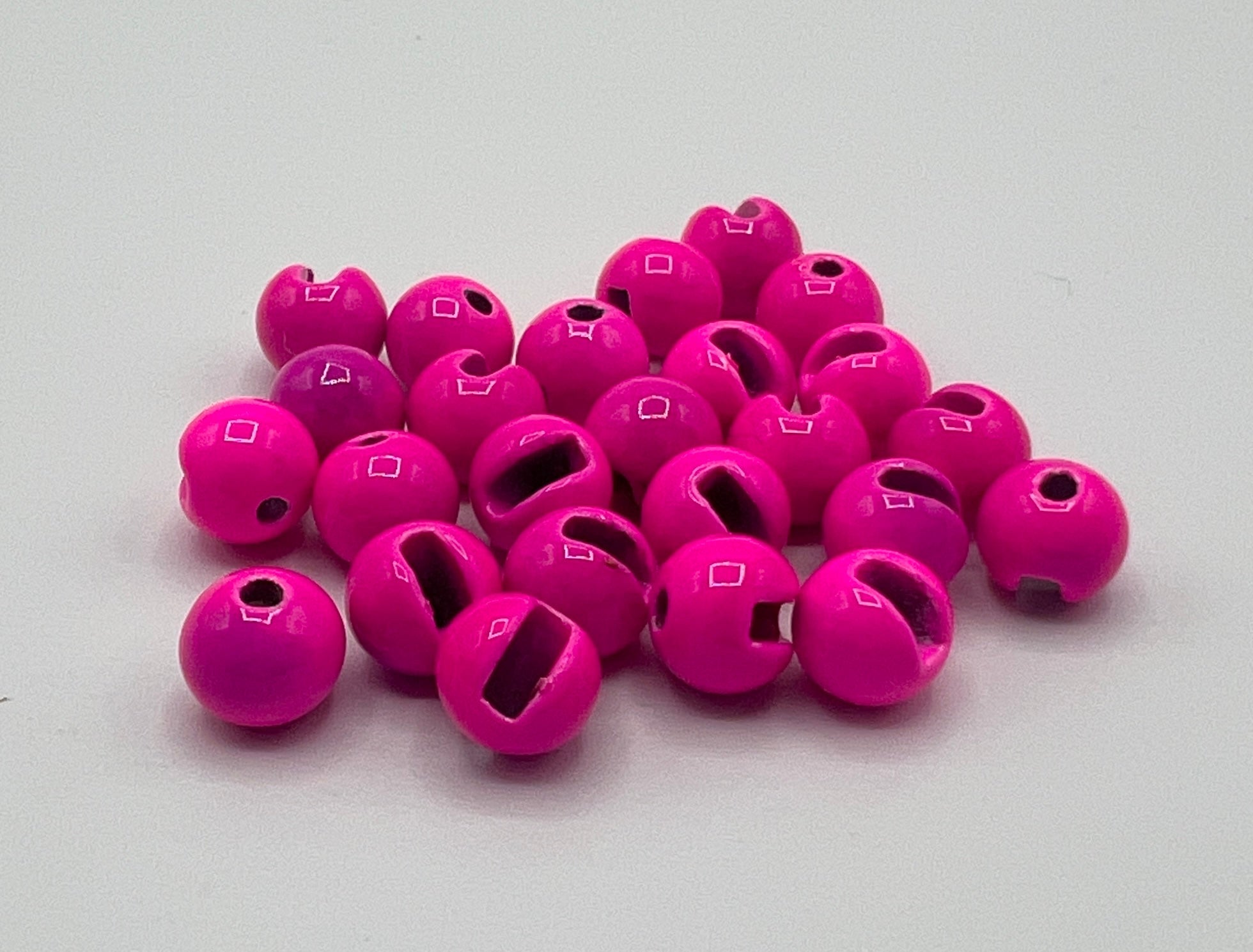
Very Dirty Water (less than 1 foot visibility): Bright colors—chartreuse, white, hot pink. Maximum visibility in stained water.
Bright Days: Natural colors that don't spook fish. Olive and brown work well.
Low Light: Dark colors create the best silhouette—black, purple, dark olive.
The Two-Color System
Many successful streamer anglers use a simple two-color system:
Primary Color (Natural): Start with olive, brown, or natural colors. Fish this for 20-30 minutes or until you're confident you've covered water well.
Secondary Color (Attractor): Switch to black, white, or chartreuse. The color change alone often triggers strikes from fish that saw but ignored the natural color.
Rotate Back: If the attractor color produces, fish it until success slows, then rotate back to natural. Continue alternating.
The Confidence Factor
Color matters less than retrieve and presentation, but it matters. The key is having confidence in your color choice. If you believe the fly will catch fish, you'll fish it more effectively. If you're constantly second-guessing, you're less focused on retrieve and water reading.
Building a Color Palette
Carry streamers in these essential colors:
- Black (universal low-light and off-color water)
- Olive (matches most natural baitfish)
- Brown (sculpins and natural prey)
- White (baitfish, especially in lakes)
- Chartreuse (high visibility in dirty water)
These five colors cover 95% of streamer fishing situations. Add specialty colors (purple, pink, orange) as you identify specific local preferences.
Reading Water for Streamer Fishing
Streamer fishing requires different water reading than nymphing or dry fly fishing. You're targeting ambush predators, not drift-feeding fish.
Prime Streamer Water
Deep Runs and Pools: Big trout hold in deep water (4+ feet) during daylight. Focus on the deepest parts of runs, especially near structure.
Current Seams: Seams between fast and slow water are highways for baitfish and prime ambush points for trout.
Structure: Any structure that provides cover and ambush points—boulders, logs, undercuts, ledges, drop-offs.
Banks: Undercut banks, overhanging vegetation, and woody debris along banks hold big trout. Fish within inches of banks.
Tributary Mouths: Where smaller streams enter larger rivers, bringing baitfish and concentrating prey.
Tailouts: The transition from pool to riffle, especially deeper tailouts, concentrate baitfish and hunting trout.
Less Productive Water
Some water that's great for nymphing or dry flies is poor for streamers:
- Shallow riffles (less than 2 feet) rarely hold trophy trout
- Slow, featureless pools without structure
- Very fast, turbulent water where big fish can't hold efficiently
- Open water far from structure or banks
Systematic Coverage
Fish streamer water methodically:
- Start at the head of a run
- Make your first cast to the near bank
- Next cast slightly farther out
- Continue fan-casting to cover all water
- Take 2-3 steps downstream
- Repeat the fan-cast pattern
- Work through entire run before moving on
Methodical coverage ensures you fish all productive water rather than randomly casting to spots that look good.
Frequently Asked Questions
What size tippet should I use for streamer fishing?
Use much heavier tippet than nymph or dry fly fishing. 0X-2X tippet (8-12 lb test) handles large streamers and powerful fish. The heavy flies and aggressive presentations create significant stress on tippet, and trophy trout fight hard. Don't go lighter than 3X (6-8 lb test) even in clear water—streamer fishing isn't about delicate presentations. Many anglers skip tapered leaders entirely and use straight fluorocarbon for simplicity. The aggressive nature of streamer fishing means tippet diameter matters far less than in other methods.
How do I know if I'm stripping too fast or too slow?
Start with medium-paced strips (6-inch strips at 1-second intervals) and adjust based on results. If you're getting follows but no strikes, slow down—fish are interested but can't commit. If you're getting no attention at all, speed up to create more commotion and attract attention. Water temperature guides speed: in cold water (below 50°F), fish slower; in warm water (above 55°F), fish faster. The best indicator is experimentation—vary your retrieve every 5-10 casts until you find what works. Most beginners strip too slowly; err on the side of more aggressive retrieves initially.
Should I strip-set or trout-set when a fish strikes?
Always strip-set with streamers. Keep your rod tip low (pointed at the fly) and set the hook by making a long, firm strip with your line hand rather than raising the rod. Trout-setting (raising the rod) pulls the fly away from the fish on streamer takes. The strip-set drives the hook point into the fish's jaw with the line hand while the rod stays low. After the initial strip-set and you feel the fish, then raise the rod to fight it. This is the single most important technical difference between streamer fishing and other methods—master the strip-set or you'll miss most strikes.
When is the best time of year for streamer fishing?
Fall (September through November) is peak streamer season. Trout feed aggressively before winter, defend spawning territories, and baitfish migrations trigger predatory behavior. Spring (March-May) is also excellent as trout recover from spawning and feed heavily. Summer works well early and late in the day or during overcast conditions. Winter streamer fishing can be productive during warmest parts of the day on tailwaters and spring creeks. While streamers work year-round, fall produces the most consistent action and largest average fish size.
How big should my streamers be?
Start with 2-4 inch streamers (size 4-8 hooks) for most situations. These catch fish consistently without overwhelming smaller waters or spooking fish. Go larger (4-6 inches, size 2-4 hooks) when targeting true trophies, fishing big water, or during peak fall fishing when trout are most aggressive. Use smaller streamers (1-2 inches, size 8-12) in small streams, clear water, or when fishing isn't aggressive. The rule: if you're not occasionally spooking fish, your streamer probably isn't too big. Don't be afraid to fish larger flies than feels comfortable—big flies catch big fish.
Final Thoughts: Commit to the Chase
Streamer fishing fundamentally changes your fly fishing experience. You'll catch fewer fish overall but dramatically larger average size. You'll spend more time actively fishing—casting, stripping, covering water—and less time waiting for subtle takes. The strikes are violent, the fish fight harder, and the potential for truly memorable trophy trout is real every single cast.
Embrace the aggressive mindset. Streamer fishing isn't delicate or subtle. You're imitating prey that swims, darts, and tries to escape. Fish your streamers with confidence and aggression. Don't be tentative or apologetic in your presentations.
Master the strip-set. This single technical skill determines your success rate. Keep your rod low, set with your line hand, drive the hook home with authority. Practice until it becomes automatic.
Cover water systematically. Big trout are scattered in specific lies. You must cover water methodically to find them. Don't cast randomly—work through runs with systematic fan-casts, moving downstream progressively.
Experiment with retrieves. The ten tactics in this guide provide a framework, but successful streamer anglers constantly experiment. Vary your retrieve every few casts until you find what triggers strikes. Water conditions, time of day, and fish mood all affect what works.
Accept fewer fish for bigger fish. You might catch three fish in a streamer session compared to twenty nymphing. But those three fish will average significantly larger. If quality over quantity appeals to you, streamer fishing is your method.
The biggest trout in any river spend most of their time hidden in deep water, under structure, or tight to banks. They don't rise to dry flies in the middle of the day. They don't nymph feed in shallow riffles. They hunt, they ambush, they defend territory. Streamer fishing puts you in their world, fishing the way they feed, targeting them specifically rather than hoping a big one happens to eat your nymph.
Build your arsenal with proven patterns from our streamer collection. Stock up on the flies these tactics require, and don't forget to check out our fly rod collection for the heavier rods streamer fishing demands. Visit our blog for more technique guides and strategies that help you catch more and bigger fish.
Get on the water, tie on a streamer, and start stripping. The trophy of a lifetime is waiting in water you've probably walked past a hundred times. These tactics will help you connect.
Book the season you actually want
The best weeks on the best water go early. Plan it with Frontiers Travel — don't wait.
Plan Your TripFly Fishing Insider Podcast has a referral partnership with Frontiers International Travel. If you book after being introduced through us, we may receive compensation at no additional cost to you.