
20 Must-Have Fly Patterns: The Only Flies You Really Need
Walk into any fly shop and you'll face walls of flies in every color, size, and style imaginable. Thousands of patterns promise to be "the one" that trout can't resist. It's overwhelming, expensive, and honestly, mostly unnecessary. After guiding on rivers across the country for over a decade and testing hundreds of fly patterns through our podcast, I've learned a simple truth: you only need about 20 well-chosen patterns to catch fish consistently in almost any water.
These aren't just "good" flies—these are the patterns that have proven themselves season after season, from spring runoff to winter hatches, on tailwaters and freestone rivers alike. Whether you're stocking your first fly box or simplifying your collection, these essential patterns will help you catch more fish with less guesswork. Browse our trout fly assortment to find proven patterns ready for your next trip.
Table of Contents
- Why These 20 Patterns Work Everywhere
- Essential Dry Flies (7 Patterns)
- Must-Have Nymphs (8 Patterns)
- Productive Streamers (5 Patterns)
- Choosing the Right Sizes
- When to Use Each Pattern
- Building Your Essential Fly Box
- Frequently Asked Questions
- Final Thoughts
Why These 20 Patterns Work Everywhere
The secret to a versatile fly box isn't having every specific imitation for every bug you might encounter. It's having patterns that represent the food trout see most often, in sizes and colors that work across different waters and seasons. The flies on this list share several key characteristics:
They Imitate Multiple Food Sources: A Pheasant Tail Nymph doesn't just look like one specific mayfly nymph—it suggests dozens of different aquatic insects. This versatility means you're covered even when you're not sure exactly what's hatching.
They're Proven Across Regions: These patterns work on Western freestone rivers, Eastern limestone streams, Southern tailwaters, and everything in between. They've stood the test of time because they catch fish everywhere.
They're Available Everywhere: You can find these flies in virtually any fly shop in the country. If you lose your fly box on a trip, you can rebuild your essentials within an hour.
They're Easy to Fish: None of these patterns require advanced techniques or perfect presentations. They catch fish for beginners and experts alike, which is exactly what you want from your core collection.
Essential Dry Flies (7 Patterns)
Dry fly fishing represents the pinnacle of fly fishing for many anglers—watching a trout rise to take your fly never gets old. These seven patterns cover the vast majority of surface feeding situations you'll encounter.
1. Elk Hair Caddis (Sizes 12-18)
If I could only fish one dry fly for the rest of my life, it would be an Elk Hair Caddis. This pattern imitates adult caddisflies, which are present on almost every trout stream from spring through fall. The high-floating elk hair wing makes it visible in choppy water, and its buggy profile attracts trout even when caddis aren't actively hatching.
When to Use: June through October, especially in riffles and faster water
Key Sizes: 14 and 16 for most situations, 12 for big water, 18 for selective fish
Color Variations: Tan, olive, and black cover 95% of situations
2. Parachute Adams (Sizes 14-20)
The Parachute Adams is arguably the most versatile dry fly ever created. Originally designed to imitate mayflies, it's buggy enough that trout often take it as a caddis, midge, or even a small stonefly. The white parachute post makes it easy to see, even for aging eyes, and the pattern floats beautifully through long drifts.
When to Use: Year-round, any mayfly hatch or when nothing specific is hatching
Key Sizes: 16 and 18 for standard use, 14 for big hatches, 20 for technical water
Why It Works: Suggests multiple insects without imitating anything too specifically
3. Griffith's Gnat (Sizes 18-22)
When midges are on the water—which is often, especially in winter and on tailwaters—the Griffith's Gnat is your go-to pattern. This simple fly imitates clusters of midge adults stuck in the surface film, a common sight that drives trout crazy. It's also one of the few patterns that consistently produces during the coldest months.
When to Use: Winter and early spring, tailwaters, any time you see small dark bugs
Key Sizes: 20 and 22 for most situations, 18 for larger midges
Pro Tip: Fish it dead-drift in slow water or twitch it occasionally to imitate struggling insects
4. Stimulator (Sizes 10-14)
The Stimulator is your big, bushy attractor pattern that works as both a searching fly and a hopper imitation. Its high visibility makes it perfect as an indicator fly in a dry-dropper rig, and its large profile attracts aggressive fish looking for a substantial meal. In late summer, it doubles as an excellent grasshopper imitation.
When to Use: Summer and early fall, pocket water, searching runs
Key Sizes: 12 for general use, 10 for hopper season, 14 for smaller water
Color Variations: Orange, yellow, and royal (purple) are most productive
5. Blue-Winged Olive (BWO) Comparadun (Sizes 18-22)
Blue-Winged Olives are one of the most reliable hatches across the country, often emerging on overcast, drizzly days when other bugs stay off the water. The Comparadun style offers a low profile that selective trout prefer, while the deer hair wing provides just enough visibility to track your fly.
When to Use: Spring and fall, overcast days, tailwaters
Key Sizes: 18 and 20 for most BWO hatches, 22 for tiny late-season olives
When They Hatch: Often emerge from 11am-3pm on cloudy, cool days
6. Royal Wulff (Sizes 12-16)
The Royal Wulff is a classic attractor pattern that doesn't imitate anything specific but looks like "food" to trout. Its white wings provide excellent visibility, it floats like a cork, and it works exceptionally well in fast, broken water where trout make quick feeding decisions. This is your prospecting fly for aggressive fish.
When to Use: Fast water, pocket water, when no hatch is on
Key Sizes: 14 for most situations, 12 for big water, 16 for smaller streams
Why It Works: High visibility and buoyancy make it perfect for turbulent water
7. PMD/Pale Morning Dun Sparkle Dun (Sizes 16-18)
Pale Morning Duns provide some of the best dry fly fishing of the summer, with hatches lasting for weeks and often bringing up even the wariest fish. The Sparkle Dun style imitates emergers—bugs transitioning from nymph to adult—which is when trout feed most aggressively during a hatch.
When to Use: Summer mornings, especially June and July
Key Sizes: 16 for most Western waters, 18 for smaller Eastern streams
Color Notes: Pale yellow to cream bodies work in most situations
Stock your fly box with these proven patterns from our dry fly assortment and you'll be ready for surface action year-round.
Must-Have Nymphs (8 Patterns)
Trout feed underwater 90% of the time, making nymphs your most important flies. These eight patterns catch fish in virtually every subsurface situation you'll encounter.
8. Pheasant Tail Nymph (Sizes 14-20)
If the Parachute Adams is the king of dry flies, the Pheasant Tail Nymph is the emperor of nymphs. This simple pattern imitates mayfly nymphs, which are present year-round in almost every trout stream. Its natural coloring and slender profile work in clear or stained water, fast currents or slow pools.
When to Use: Year-round, in any water type
Key Sizes: 16 and 18 for most situations, 14 for bigger water, 20 for technical fishing
Variations: Standard, flashback (with tinsel), and bead-head all produce
9. Hare's Ear Nymph (Sizes 12-18)
The Hare's Ear is buggier and bulkier than the Pheasant Tail, making it perfect when you need a larger profile or when fishing slightly off-color water. Its dubbing creates a lifelike texture that suggests everything from mayfly nymphs to caddis larvae to small stoneflies. This is your workhorse nymph for bigger fish.
When to Use: Year-round, especially in faster or deeper water
Key Sizes: 14 and 16 for general use, 12 for big flies and big fish
Pro Tip: Gold bead-head versions get down faster in heavy currents
10. Copper John (Sizes 14-18)
The Copper John revolutionized nymph fishing when it was introduced, and it remains one of the most effective patterns ever created. Its brass body gets it down quickly, the epoxy coating gives it a realistic sheen, and trout absolutely hammer it. This fly consistently outfishes natural-looking patterns, proving that sometimes flash trumps realism.
When to Use: Fast water, deep runs, any time you need to get deep quickly
Key Sizes: 16 and 18 for most fishing, 14 for heavy water
Color Variations: Copper, red, and black are most productive
11. Zebra Midge (Sizes 18-22)
Simple, deadly, and essential for tailwater fishing, the Zebra Midge imitates midge pupae—a year-round food source that trout feed on heavily, especially in winter. Its small profile and segmented body create a realistic silhouette that selective fish find irresistible. This is the pattern that saves slow days.
When to Use: Winter, spring, and fall on tailwaters; any time midges are active
Key Sizes: 20 for most situations, 18 and 22 for specific conditions
Color Variations: Black, red, and olive cover most midge colors
12. Prince Nymph (Sizes 10-16)
The Prince Nymph is an attractor pattern that doesn't imitate anything specific but suggests a large, protein-rich meal. Its white wing pads and peacock herl body create an irresistible combination that works especially well for aggressive fish. Use this when you want to trigger reaction strikes from larger trout.
When to Use: Pocket water, faster runs, searching unfamiliar water
Key Sizes: 12 and 14 for most situations, 10 for big fish, 16 for smaller water
Best Conditions: Slightly off-color water or aggressive feeding periods
13. Perdigon (Sizes 14-18)
The Perdigon emerged from European competition fishing and has taken American waters by storm. Its resin-coated body sinks like a rock while creating an attractive flash that triggers strikes. These flies excel in euro nymphing setups but work equally well in traditional nymphing rigs when you need to get deep fast.
When to Use: Deep runs, fast water, euro nymphing
Key Sizes: 16 and 18 for most use, 14 for heavy water
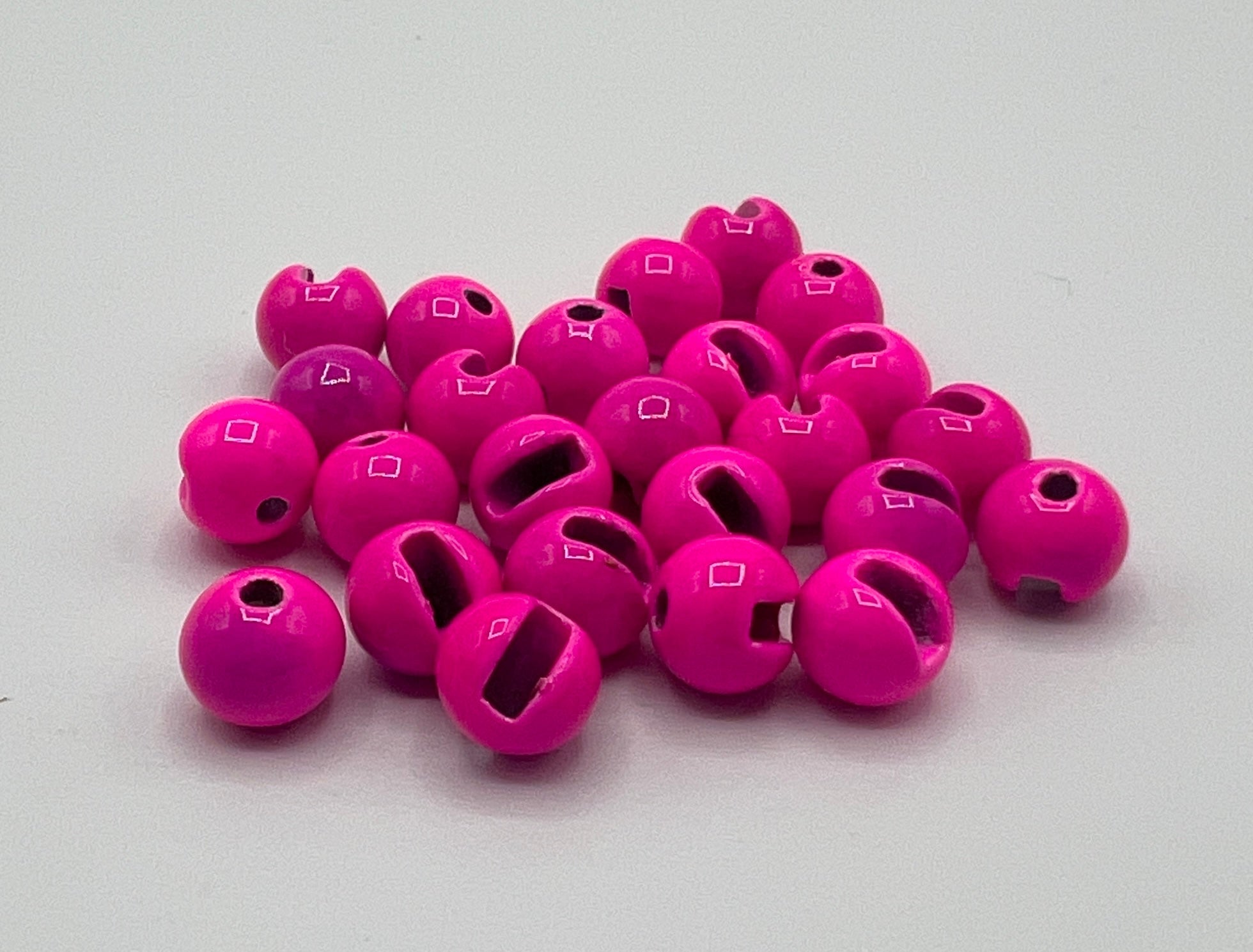
Color Variations: Olive, brown, and pink are most productive
14. Squirmy Wormy (Sizes 10-14)
Love it or hate it, the Squirmy Wormy catches fish—lots of fish. This pattern imitates aquatic worms, which become especially prevalent after rain events when they wash into streams. Its undulating silicone tail creates lifelike movement that drives trout crazy. It's not traditional, but it's devastatingly effective.
When to Use: After rain, in slightly off-color water, when nothing else works
Key Sizes: 10 and 12 for most situations
Color Variations: Red, pink, and brown (natural) are most effective
15. Frenchie (Sizes 14-18)
The Frenchie combines the proven Pheasant Tail profile with a hot spot of colored dubbing that acts as a trigger. This pattern has become a staple in euro nymphing but works excellently in any nymphing setup. The subtle flash and bright collar help fish locate it in fast or deep water.
When to Use: Fast water, euro nymphing, when fish need extra attraction
Key Sizes: 16 for most situations, 14 and 18 for specific conditions
Hot Spot Colors: Pink and chartreuse are most productive
Build your subsurface arsenal with flies from our nymph assortment, featuring these patterns in multiple sizes and colors.
Complete Your Fly Box
Get all 20 of these essential patterns and more in our curated 2 dozen trout fly collection. We've assembled proven patterns that catch fish everywhere, saving you time and money on flies that don't produce.
Productive Streamers (5 Patterns)
Streamers imitate baitfish, leeches, and other larger food sources that big trout can't resist. While they catch fewer fish than nymphs, the fish they catch are often significantly larger. These five patterns cover all your streamer needs.
16. Woolly Bugger (Sizes 6-12)
The Woolly Bugger might be the single most effective fly pattern ever created. It suggests leeches, baitfish, crayfish, hellgrammites, and just about any other large food source trout eat. Its marabou tail pulses with lifelike movement, and it works in streams, rivers, and lakes worldwide. Every angler should have a dozen Woolly Buggers in various colors and sizes.
When to Use: Year-round, in virtually any water
Key Sizes: 8 and 10 for most situations, 6 for big fish, 12 for smaller water
Color Variations: Black, olive, and brown are essential; white for lakes
17. Zonker (Sizes 4-10)
The Zonker's rabbit strip creates an undulating action that perfectly mimics injured baitfish. This pattern excels in lakes and larger rivers where trout actively hunt small fish. The natural fur creates realistic movement even in slow water, and the pattern remains effective from early spring through late fall.
When to Use: Spring and fall, lakes, big rivers
Key Sizes: 6 and 8 for most fishing, 4 for trophy hunting
Best Colors: Natural gray, olive, and black match most baitfish
18. Sculpin Pattern (Various, Sizes 4-8)
Sculpins are bottom-dwelling baitfish found in virtually every trout stream. Large trout feed on them heavily, especially in fall and winter. A good sculpin pattern features a large head, mottled coloring, and a substantial profile. Patterns like the Circus Peanut, Sculpzilla, or simple Muddler Minnow all work well.
When to Use: Fall and winter, deep runs, around structure
Key Sizes: 6 for most situations, 4 for big fish
Fishing Tip: Dead-drift or fish with short strips along the bottom
19. Slumpbuster (Sizes 4-10)
The Slumpbuster combines the diving action of a jig with the fish-attracting profile of a streamer. Its cone head gets it down quickly, and the rabbit fur creates realistic movement. This pattern works exceptionally well in pocket water and around structure where big fish ambush prey.
When to Use: Pocket water, around boulders, deep runs
Key Sizes: 6 and 8 for most water, 4 for big fish
Color Variations: Black, olive, and natural brown are most productive
20. Game Changer (Sizes 2-8)
The Game Changer represents modern streamer design at its finest. Its articulated body creates realistic swimming action that imitates large baitfish perfectly. While it's more expensive than traditional streamers, its effectiveness on trophy trout makes it worth having a few in your box. This is your pattern when you're specifically hunting big fish.
When to Use: Trophy hunting, lakes, big rivers
Key Sizes: 4 and 6 for most situations, 2 for true trophies
Best Colors: Olive/white, brown/tan, and all-white for lakes
Explore our full selection of streamer patterns to round out your big fish arsenal.
Choosing the Right Sizes
Having the right pattern matters, but having it in the right size is equally important. Here's how to think about sizing your fly collection:
The Rule of Three
For each essential pattern, carry at least three sizes: a standard size for normal conditions, one size larger for aggressive fish or big water, and one size smaller for selective fish or clear water. For example, with Pheasant Tail Nymphs, carry sizes 16, 18, and 20.
Size by Water Type
Small Streams (under 20 feet wide): Focus on sizes 14-20. Fish see every fly closely and are often selective. Smaller sizes produce more takes.
Medium Rivers (20-75 feet wide): Sizes 12-18 cover most situations. This is where your "standard" sizes work best.
Large Rivers (75+ feet wide): Sizes 8-16 work better. Larger flies are easier for fish to see and worth the energy to chase.
Tailwaters: Carry smaller than you think—sizes 18-22 for nymphs and dries. Tailwater trout are often highly selective.
Seasonal Size Adjustments
Early spring and late fall often call for smaller flies (16-20) as insects and baitfish are less active. Summer allows larger flies (10-16) as aquatic life is abundant and trout feed aggressively. Winter demands tiny flies (18-22), especially midges on tailwaters.
Color Considerations
While size matters more than color in most situations, having basic color variations helps:
Natural Colors (olive, brown, gray): Use these 80% of the time. They match most aquatic life.
Dark Colors (black): Excellent in low light, cloudy days, or off-color water. Provides a strong silhouette.
Bright Colors (chartreuse, pink, orange): Use as attractors in fast water or when fish are aggressive. Hot spots trigger strikes.
When to Use Each Pattern
Understanding when to fish specific patterns maximizes your success. Here's a seasonal breakdown:
Spring (March-May)
Primary Patterns: Pheasant Tail Nymph, Hare's Ear, Copper John, BWO Comparadun
Why: Mayfly nymphs are active, early BWO hatches occur, and fish are hungry after winter
Water Conditions: Often high and off-color—use larger nymphs with beads to get down
Summer (June-August)
Primary Patterns: Elk Hair Caddis, PMD Sparkle Dun, Stimulator, Prince Nymph, Woolly Bugger
Why: Peak insect activity, terrestrial season (hoppers and ants), aggressive feeding
Water Conditions: Lower, clearer water—match the hatch more precisely
Fall (September-November)
Primary Patterns: BWO Comparadun, Pheasant Tail, Zebra Midge, Zonker, Sculpin
Why: Fall BWO hatches, trout feeding heavily before winter, baitfish migration
Water Conditions: Stable flows—great time for streamers as trout hunt aggressively
Winter (December-February)
Primary Patterns: Zebra Midge, Griffith's Gnat, small Pheasant Tails, Frenchie
Why: Midges are the primary food source, trout feed selectively in cold water
Water Conditions: Clear and low—focus on tailwaters and use tiny flies
Building Your Essential Fly Box
Now that you know the 20 essential patterns, here's how to stock your fly box effectively:
Quantity Guidelines
Don't just buy one of each fly—you'll lose flies to snags, trees, and fish. Here's a suggested starting inventory:
Workhorse Patterns (Pheasant Tail, Hare's Ear, Elk Hair Caddis, Parachute Adams): 12-18 of each in various sizes
Specialized Patterns (BWO Comparadun, PMD Sparkle Dun, Perdigon): 6-12 of each
Streamers (Woolly Bugger, Zonker): 6-12 of each in multiple colors
Situational Patterns (Squirmy Wormy, Game Changer): 3-6 of each
Total flies: Approximately 200-250 flies covers you for a full season of fishing without restocking.
Organization Tips
Keep dry flies in one compartment, nymphs in another, and streamers separate. Within each section, organize by size or type. Label compartments if helpful. Some anglers prefer organizing by season—a spring box, summer box, fall box, and winter box.
Budget-Friendly Stocking
Flies can be expensive at $2-3 each. Here's how to build your collection affordably:
- Buy assortment packs that include multiple patterns in common sizes
- Learn to tie your own flies—saves money long-term
- Start with just the top 10 patterns, add the rest as budget allows
- Buy in bulk from online retailers for better pricing
- Focus on sizes 14-18 initially as they're most versatile
Maintaining Your Fly Collection
Dry your flies after each trip to prevent rust on hooks. Replace flies that show hook point damage—dull hooks lose fish. Reorganize periodically to know what you're running low on. Keep a running list of patterns that worked so you can restock intelligently.
For all your fly fishing gear needs beyond flies, check out our accessories collection for fly boxes, leaders, tippet, and everything else to keep you prepared on the water.
Frequently Asked Questions
How many flies do I really need to start fly fishing?
You can start with as few as 20-30 flies in just 5-6 patterns. A beginner box might include: 6 Parachute Adams (sizes 14, 16, 18), 6 Elk Hair Caddis (sizes 14, 16, 18), 6 Pheasant Tail Nymphs (sizes 14, 16, 18), 6 Hare's Ear Nymphs (sizes 14, 16), and 4 Woolly Buggers (sizes 8, 10). This gives you dry flies, nymphs, and streamers to cover most situations while you learn what works in your local waters.
Should I buy expensive flies or budget flies?
For patterns you'll use frequently and potentially lose often (like basic nymphs and attractor dries), budget-friendly flies work fine. Invest in quality for specialty patterns like realistic emergers or articulated streamers where materials and construction significantly impact performance. Most $1.50-2.50 flies are perfectly adequate. Save money on common patterns, spend more on specialty flies. Check our trout fly assortment for quality patterns at fair prices.
What's the difference between barbless and barbed hooks?
Barbless hooks are easier to remove from fish (and from yourself), cause less injury to fish, and are required in many catch-and-release waters. Barbed hooks hold fish slightly more securely during the fight. Most modern fly fishers prefer barbless or crimp down the barbs on their flies. You won't lose significantly more fish with barbless hooks if you maintain steady pressure during the fight.
How often should I replace my flies?
Replace flies when the hook point becomes dull (test by dragging it across your fingernail—it should catch, not slide), when materials become too bedraggled to float or sink properly, or when rust appears on the hook. A well-made fly might catch 20-50 fish before needing replacement, while a poorly made fly might deteriorate after a handful of fish. Dry flies typically last longer than nymphs because they're not scraped along the bottom.
Can I use these same flies in lakes and ponds?
Yes, most of these patterns work excellently in stillwater, though fishing techniques differ from rivers. Woolly Buggers, Zonkers, Leeches, and Chironomids (similar to Zebra Midges) are particularly effective in lakes. You'll often use them on sinking lines with slow retrieves. Dry flies like the Parachute Adams and Elk Hair Caddis work during hatches on lakes. Consider adding some lake-specific patterns like Damselfly Nymphs and Scuds as you gain experience in stillwater.
Final Thoughts: Simplify Your Fly Selection
The fly fishing industry wants you to believe you need hundreds of specialized patterns for every situation. The truth is far simpler: 20 well-chosen patterns in the right sizes will catch fish in 95% of the situations you'll encounter. These aren't just any 20 patterns—they're the ones that have proven themselves across decades and countless waters.
Start with the fundamentals. Stock your box with Pheasant Tails, Hare's Ears, Elk Hair Caddis, and Parachute Adams in sizes 14-18. These four patterns alone will keep you catching fish while you learn what works in your local waters.
Add patterns as you gain experience. Once you're comfortable with the basics, expand to more specialized patterns like BWO Comparaduns for specific hatches or Perdigons for euro nymphing. Your fly box will naturally evolve to match your fishing style and favorite waters.
Quality over quantity. Twenty flies you know how to fish effectively will always outperform 200 random patterns you're not confident in. Spend time learning how and when to fish each pattern. Understand why it works, not just that it works.
Match your box to your fishing. If you primarily fish small mountain streams, emphasize smaller sizes and attractor patterns. Fishing tailwaters? Load up on midges and tiny mayfly imitations. Chasing big fish? Add more streamers to your collection. Your essential patterns remain the same—you're just adjusting sizes and emphasis.
The patterns on this list have caught countless fish for me and the thousands of anglers I've guided over the years. They'll work for you too, whether you're fishing spring creeks in Pennsylvania, freestone rivers in Montana, or tailwaters in Arkansas. The fish don't care about the latest trendy pattern—they care about food that looks natural, behaves naturally, and appears at the right time.
Browse our trout fly assortment to stock your box with all these proven patterns. And when you're ready to learn more about techniques, gear, and destinations, visit our blog for comprehensive guides that help you catch more fish.
Tight lines, and remember: you don't need every fly—you need the right flies.
Go on a fly fishing trip you'll never forget
We partnered with Frontiers Travel to put you on water that's worth the flight. Tell them where you want to go. Don't wait.
Book a TripFly Fishing Insider Podcast has a referral partnership with Frontiers International Travel. If you book after being introduced through us, we may receive compensation at no additional cost to you.