
7 Euro Nymphing Techniques That Catch More Trout
Euro nymphing has revolutionized fly fishing over the past decade, and for good reason—it catches significantly more fish than traditional indicator nymphing in most situations. I was skeptical at first, having spent years successfully fishing standard nymph rigs. But after watching European competition anglers consistently outfish everyone on the water, I committed to learning these techniques. The results were immediate and dramatic. My catch rates doubled, I started hooking fish in water I'd previously walked past, and most importantly, I could feel every subtle take instead of guessing when to set the hook.
Euro nymphing isn't just for competition anglers or expert fly fishers. These techniques work for anyone willing to learn a slightly different approach to nymph fishing. You'll maintain direct contact with your flies, feel strikes instantly, get flies deeper faster, and fish water that's impossible to cover with traditional methods. The learning curve is shorter than you'd think, and the payoff in fish caught is substantial. Let's explore the seven core techniques that will transform your nymph fishing success. Check out our euro nymphing rod for the specific gear these techniques require.
Table of Contents
- What Is Euro Nymphing and Why It Works
- Essential Gear Setup for Euro Nymphing
- Technique 1: The Contact Lead
- Technique 2: The Polish Method
- Technique 3: The Spanish Method
- Technique 4: The Czech Nymph
- Technique 5: The French Leader System
- Technique 6: Induced Takes
- Technique 7: The Tuck Cast
- Reading Water for Euro Nymphing
- Frequently Asked Questions
- Final Thoughts
What Is Euro Nymphing and Why It Works
Euro nymphing—also called tight-line nymphing, contact nymphing, or Czech nymphing—refers to a collection of techniques developed primarily by European competition anglers. The fundamental principle is simple: maintain direct contact between your rod tip and your flies, eliminating the fly line from the water entirely. This direct connection provides instant feedback when fish take your flies, allows precise depth control, and enables you to fish water that traditional methods can't effectively cover.
Core Principles That Make It Deadly
No Fly Line on the Water: Traditional nymphing puts fly line on the water's surface, where current creates drag and delays strike detection. Euro nymphing keeps all fly line off the water, using only leader material in contact with the current. This eliminates drag and provides instantaneous strike detection.
Direct Contact and Feel: You feel every tick, bump, and hesitation as your flies drift. Most strikes feel like a subtle weight or stoppage rather than a visual indicator dropping. This tactile connection dramatically increases your hook-up rate because you're setting the hook on takes you'd never see with an indicator.
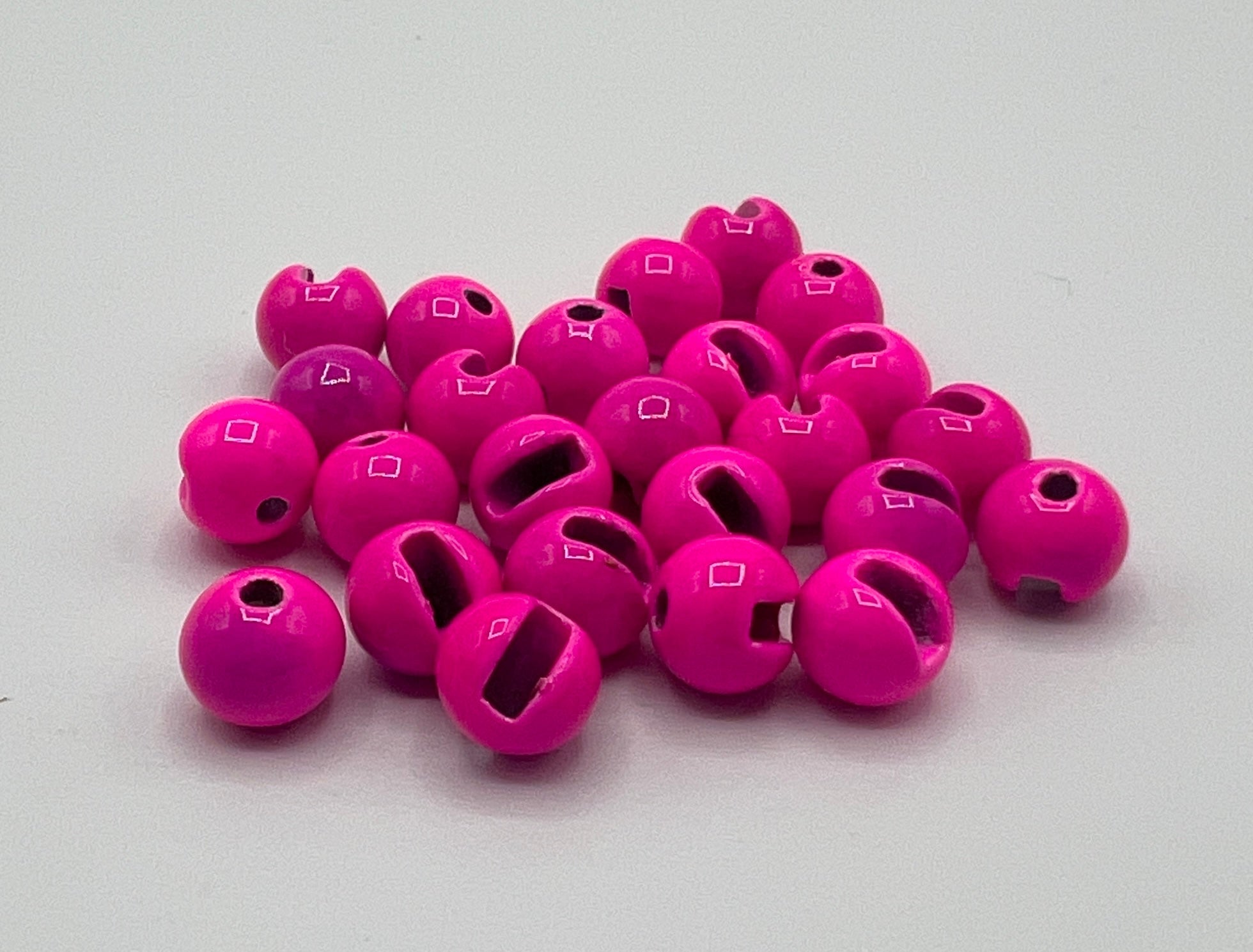
Weighted Flies, Not Split Shot: Euro nymphing primarily uses heavily weighted flies (tungsten bead-heads or wire-wrapped bodies) rather than adding split shot to the leader. The flies themselves provide weight, getting down quickly while maintaining a more natural presentation.
Long, Specialized Leaders: Euro nymph leaders are typically 16-24 feet long, much longer than traditional leaders. This length allows you to keep fly line off the water even when fishing at distance, and provides the reach needed to maintain contact through long drifts.
Vertical Presentation: The ideal euro nymphing angle has your flies nearly vertical below your rod tip, maybe 10-20 feet away at most. This vertical approach maximizes sensitivity and control while your flies bounce along the bottom where trout feed.
Why It Catches More Fish
Euro nymphing's effectiveness comes down to three factors: your flies spend more time at the right depth (trout feed near bottom), you detect strikes immediately (no delay between bite and hook set), and you can fish difficult water effectively (tight seams, pocket water, deep runs that defeat traditional methods).
Essential Gear Setup for Euro Nymphing
While you can euro nymph with standard gear, specialized equipment makes these techniques significantly easier and more effective.
The Rod
Euro nymph rods are longer (10-11 feet) and have softer tips than traditional fly rods. The length provides reach to keep line off water and control drifts at distance. The soft tip protects light tippets and provides clear visual feedback when fish take. Most euro nymph rods are 2-4 weight, which provides the delicacy needed for the technique.
If You Don't Have a Euro Rod: You can start with a 9-foot 5-weight, though you'll sacrifice some reach and sensitivity. Focus on technique first, upgrade gear as you commit to the method.
The Leader
Euro nymph leaders are completely different from traditional leaders. A typical setup:
- Leader Length: 18-24 feet total (yes, really)
- Construction: Monofilament throughout (no tapered leader needed)
- Sighting System: Bright-colored sighter material (2-3 feet) in the middle acts as a strike indicator
- Tippet: Very light (6X-7X), usually fluorocarbon for stealth and sinking properties
A basic leader formula: 8-10 feet of 20-30lb mono (butt section) → 2-3 feet colored sighter material → 6-8 feet of tippet (5X-6X) → flies
The Flies
Euro nymphing uses heavily weighted flies, often with tungsten beads or wire-wrapped bodies. Popular patterns include Perdigons, Frenchies, jig-style nymphs, and hot-spot variations of classics like Pheasant Tails. The weight gets flies down quickly into the feeding zone.
Explore our Tactical Czech Nymph Assortment for euro nymphing-specific patterns designed to get down fast and trigger strikes.
Additional Tools
- Hemostats for hook removal
- Nippers for leader adjustments
- Multiple tippet spools (5X, 6X, 7X fluorocarbon)
- Spare sighter material
Technique 1: The Contact Lead
The contact lead is the foundation of euro nymphing—master this before moving to more advanced techniques. The goal is maintaining slight tension on your flies as they drift downstream, keeping contact so you feel every touch while allowing natural drift.
How to Execute
Step 1: Position Yourself: Stand slightly upstream and across from your target water. You'll be leading the flies downstream with your rod tip, so position accordingly.
Step 2: Cast Upstream: Make a short cast (10-20 feet) upstream of your position. Use a tuck cast (see Technique 7) to get flies sinking immediately.
Step 3: Lead the Drift: As flies drift downstream, follow them with your rod tip, moving the rod downstream at the same speed as the current. Keep your rod tip high (10-11 o'clock position) to keep fly line off the water.
Step 4: Maintain Contact: Keep slight tension on the leader—just enough to feel bottom contact and takes, but not so much that you drag flies unnaturally. Your sighter should be barely moving, indicating proper tension.
Step 5: Detect Strikes: Watch your sighter and feel through the rod. Strikes feel like a slight stoppage, hesitation, or weight. Set immediately when you feel anything unusual.
Common Mistakes
- Too Much Tension: Dragging flies rather than letting them drift naturally
- Rod Too Low: Allowing fly line to touch water, creating drag and reducing sensitivity
- Leading Too Fast: Moving rod faster than current, lifting flies off bottom
- Leading Too Slow: Flies pile up below you, losing contact and depth
Where It Works Best
Moderate-depth runs (2-5 feet), steady current, when fish are feeding actively near bottom. This is your bread-and-butter technique for most euro nymphing situations.
Technique 2: The Polish Method
The Polish method, developed by competitive Polish anglers, excels in shallow, fast water where flies need to get down quickly and stay down. It uses very short casts and heavy flies, with the angler moving constantly downstream, fishing each piece of water briefly before moving to the next spot.
How to Execute
Step 1: Use Heavy Flies: Polish nymphing requires substantial weight—tungsten bead-head flies in sizes 10-14, often with additional weight in the body.
Step 2: Short-Line Technique: Keep only 8-12 feet of leader out. The flies should be almost directly below you.
Step 3: High Rod Position: Rod tip stays very high (11-12 o'clock), nearly vertical. This extreme angle provides maximum sensitivity.
Step 4: Minimal Drift: Each drift lasts only 2-4 seconds. You're fishing the prime water directly in front of you, not long drifts.
Step 5: Constant Movement: After each short drift, take 2-3 steps downstream and repeat. Cover water quickly and thoroughly.
When to Use It
Fast pocket water, shallow riffles (1-3 feet deep), high-gradient streams, aggressive feeding conditions. The Polish method shines when you need to cover lots of water quickly and fish are actively feeding.
Key Advantages
- Extreme sensitivity—you feel every pebble and take
- Covers water efficiently
- Works in shallow water traditional methods struggle with
- Less leader management due to short-line approach
Technique 3: The Spanish Method
Spanish nymphing uses a unique leader system with the sighter positioned very close to the flies, allowing for ultra-long drifts in deep, complex currents. This technique excels when you need to present flies at distance while maintaining contact and sensitivity.
Leader Configuration
The Spanish leader differs from standard euro setups:
- Very long butt section (12-15 feet) of level mono
- Short sighter section (1-2 feet) positioned near the flies
- Short tippet section (2-3 feet) below sighter
- Total length often 18-20 feet
How to Execute
Step 1: Cast Across and Upstream: Make longer casts than typical euro nymphing (20-30 feet).
Step 2: Mend Immediately: Make an upstream mend to create slack, allowing flies to sink quickly.
Step 3: Follow with High Rod: Track the drift with rod tip high, watching the sighter (which is now closer to the flies than to you).
Step 4: Extended Drifts: The Spanish method allows 10-15 foot drifts, much longer than other euro techniques.
Step 5: Watch Sighter Closely: Since the sighter is near the flies, it provides extremely accurate strike detection even at distance.
Ideal Situations
Deep runs (4-8 feet), complex currents with multiple seams, when you need to fish farther from your position, larger rivers where close approach isn't possible.
Technique 4: The Czech Nymph
Czech nymphing, the original European nymphing technique, uses a short-line approach with heavily weighted flies and constant bottom contact. It's particularly effective in fast, broken water where traditional indicators fail.
How to Execute
Step 1: Position Directly Upstream: Stand upstream of your target water, unlike most euro techniques where you're across-stream.
Step 2: Short Leader: Use only 10-12 feet of leader—you're fishing close.
Step 3: Heavy Fly Rig: Three flies on droppers, all heavily weighted. Point fly is heaviest, droppers progressively lighter.
Step 4: Cast Slightly Upstream: Lob cast 8-12 feet upstream of your position.
Step 5: Maintain Bottom Contact: Keep flies bouncing along bottom throughout drift. You should feel constant tick-tick-tick of bottom contact.
Step 6: Follow Downstream: Lead flies downstream with rod tip, maintaining tension and bottom contact. Drifts end almost directly below you.
Strike Detection
Strikes in Czech nymphing feel like a "stop" in the bottom ticking. Set the hook on any hesitation or unusual weight. Many strikes are just a subtle "heavy" feeling rather than a distinct pull.
Best Applications
Fast pocket water, boulder gardens, freestone rivers with heavy current, anywhere traditional nymphing struggles to maintain bottom contact and depth.
Master Euro Nymphing
Success in euro nymphing requires the right flies and gear. Explore our Euro Nymphing Fly Rod for specialized rods, leaders, flies, and accessories designed specifically for these techniques. We've assembled everything you need to start catching more fish immediately.
Technique 5: The French Leader System
French leaders use multiple sighters at different positions, allowing you to detect strikes at various stages of the drift and adjust technique based on where strikes occur. This system provides the most information about where fish are holding and feeding.
Leader Construction
A French leader includes:
- Long butt section (10-12 feet)
- First sighter (2 feet) at mid-leader
- Transition section (3-4 feet)
- Second sighter (2 feet) near flies
- Final tippet section (2-3 feet)
Reading Multiple Sighters
Upper Sighter Moves: Fish took early in drift or took flies ascending after bottom bounce
Lower Sighter Moves: Fish took during main drift when flies are deep
Both Move: Snag or very aggressive take
Neither Moves but Feel Resistance: Light take, set immediately
How to Execute
Step 1: Cast Upstream: Standard euro cast upstream and across.
Step 2: Watch Both Sighters: Track both colored sections throughout the drift.
Step 3: Adjust Based on Takes: If most strikes occur when upper sighter moves, your flies might be too shallow—add weight or fish deeper water. If lower sighter consistently indicates strikes, you're in the zone.
Step 4: Vary Drift Speed: French technique often incorporates subtle speed changes—slow down slightly in prime lies, maintain pace through transition water.
Advanced Applications
The French system excels in complex water with varied depths and currents. It provides maximum feedback about your presentation, helping you dial in exactly where and how fish are feeding.
Technique 6: Induced Takes
Induced takes involve deliberately manipulating your flies to trigger strikes from reluctant or inactive fish. Rather than passive dead-drifting, you're actively enticing fish to strike through movement and presentation changes.
Types of Induced Takes
The Lift: At the end of your drift, slowly raise your rod tip, causing flies to ascend through the water column. This mimics emerging insects and triggers strikes from fish that followed but didn't commit.
How to Execute: Complete your drift, then smoothly lift rod from 10 o'clock to 12 o'clock over 2-3 seconds. Watch for takes as flies rise.
The Hesitation: Pause your drift mid-swing by stopping your lead momentarily. Flies hang in current briefly before continuing downstream. This hesitation often triggers strikes.
How to Execute: Mid-drift, stop leading for 1-2 seconds, allowing flies to hang. Resume lead and watch for immediate strikes.
The Swing: Allow flies to swing across current at drift's end rather than immediately recasting. The swinging presentation shows fish a different look.
How to Execute: End drift, lower rod tip slightly, let current swing flies across stream. Maintain slight tension and feel for strikes.
The Drop: Create sudden slack mid-drift, causing flies to drop quickly. This drop often triggers reaction strikes.
How to Execute: Mid-drift, quickly lower rod tip 6-12 inches, creating instant slack. Flies plummet. Raise rod and tighten immediately—strikes occur during the drop.
When to Use Induced Takes
- Fish are present but not taking dead-drifted flies
- You've caught fish from a spot and want to check for more
- In pools where emerger patterns are effective
- When you see fish following but not committing
Strike Detection
Strikes during induced takes are often more aggressive than normal drifts. Fish commit harder because they're reacting to movement. Set firmly—these fish are usually well-hooked.
Technique 7: The Tuck Cast
The tuck cast isn't a fishing technique itself but rather a casting technique essential for euro nymphing success. It gets weighted flies sinking immediately upon landing, maximizing time in the feeding zone.
How to Execute
Step 1: Standard Forward Cast: Make your forward cast with slightly more power than normal.
Step 2: Stop High: Stop rod at 10-11 o'clock rather than following through completely.
Step 3: Snap and Stop: The abrupt high stop causes the weighted flies to bounce back and "tuck" under the leader.
Step 4: Flies Dive: The weighted flies pull leader and tippet down, diving immediately rather than laying out straight.
Step 5: Immediate Sink: Flies begin sinking the moment they hit water, getting to depth faster.
Practice Drill
Practice on grass or in a pool where you can see the flies land. A proper tuck cast causes flies to land before the leader straightens, with the flies already pulling downward. The leader should have a slight upstream curve as flies land.
Common Mistakes
- Not Enough Power: Weak forward cast won't create the rebound needed
- Following Through: Rod follows through completely, preventing the tuck action
- Stopping Too Low: Rod stops at 9 o'clock—no height for flies to rebound
- Wrong Timing: Stopping too early or late in the casting stroke
Why It Matters
In a 15-foot drift, getting your flies down 2 seconds faster means 2-3 more feet of drift at proper depth. Over a day of fishing, this adds up to dramatically more time in the zone and significantly more fish caught.
Reading Water for Euro Nymphing
Euro nymphing techniques work best in specific water types. Learning where to apply each technique maximizes success.
Ideal Euro Nymphing Water
Runs and Riffles: Moderate depth (2-6 feet), steady current, relatively uniform bottom. Perfect for contact lead and French techniques. This is your primary euro nymphing water.
Pocket Water: Fast, shallow, broken water around boulders. Excellent for Polish and Czech methods. Short-line techniques excel here.
Seams and Edges: Transition zones between fast and slow current. Use Spanish method to fish from fast side into slower water, or vice versa.
Deep Pools: Pools deeper than 6 feet are challenging for euro nymphing. Consider traditional indicator methods or very heavy flies with extended drifts.
Slow Water: Water slower than walking pace doesn't provide enough current for effective euro nymphing. Indicator rigs or dry-dropper work better here.
Reading Structure
Euro nymphing excels at targeting specific structure:
- Boulder Backs: Fish tight to downstream side of boulders where current cushions
- Ledges: Fish directly downstream of ledges where current drops into deeper water
- Seam Lines: Work seams methodically, drifting flies right along the faster/slower current boundary
- Depressions: Target bottom depressions where current slows and trout hold
Methodical Coverage
Euro nymphing works best with systematic water coverage:
- Start at upstream end of run
- Make first drift along near seam
- Take one step downstream, drift again
- Continue stepping and drifting down the run
- Move laterally, cover middle section
- Work far seam the same way
- Cover entire run methodically before moving on
This systematic approach ensures you fish all productive water rather than randomly casting to appealing spots.
Frequently Asked Questions
Can I euro nymph with my regular 9-foot 5-weight rod?
Yes, you can start euro nymphing with standard gear, though you'll sacrifice some reach and sensitivity. Use a longer leader (15-18 feet minimum), focus on shorter casts (10-15 feet), and emphasize technique over distance. You won't achieve the sensitivity of specialized 10-11 foot rods, but you'll catch more fish than with traditional indicator nymphing. Many anglers successfully euro nymph with 9-foot rods—the technique matters more than the gear. Once you're committed, upgrade to a dedicated euro rod for maximum effectiveness.
How do I build a euro nymphing leader?
Start with this basic formula: Connect 20-30lb mono (about 8-10 feet) to your fly line. Add 2-3 feet of colored sighter material (bright chartreuse or orange mono). Attach 6-8 feet of 5X-6X fluorocarbon tippet. Total length should be 16-20 feet. Use blood knots or surgeon's knots for connections. The sighter section acts as your strike indicator—any movement or hesitation means set the hook. Adjust tippet length based on water depth: shorter (4-6 feet) for shallow water, longer (8-10 feet) for deep runs. You can buy pre-made euro leaders or build your own for less money.
What's the biggest mistake beginners make with euro nymphing?
The most common mistake is using too much tension—actively dragging flies rather than maintaining light contact. Your flies should be drifting naturally with the current while you maintain just enough tension to feel them. Think "following" not "pulling." Another major error is keeping the rod too low, allowing fly line to touch water and create drag. Keep your rod tip high (10-11 o'clock) so only leader contacts water. Finally, beginners often don't commit to short casts. Euro nymphing works best at 10-20 feet, not 40-50 feet. Fish closer than feels natural, and your success will increase dramatically.
How do I know if I'm getting deep enough?
You should feel occasional ticks and bumps as your flies contact bottom. If you feel constant dragging, you're too deep or using too much tension. If you feel nothing, you're too shallow or have too much slack. The ideal is intermittent bottom contact—tick-tick-tick as flies bounce along. If you're not touching bottom periodically, add weight (heavier flies or additional tungsten bead fly) or fish shallower water. Use the rule of thumb: fly weight should equal approximately 1.5 times the water depth in feet. A 4-foot deep run needs flies that sink about 6 feet in still water.
When should I use euro nymphing vs. traditional indicator nymphing?
Use euro nymphing in: water 1-6 feet deep, moderate to fast current, when you need maximum strike detection, pocket water and complex currents, when fish are spooky (no indicator to alarm them). Use traditional indicator nymphing in: water deeper than 6 feet, very slow currents, when fishing at long distances (30+ feet), when you need to see strikes from far away, or in situations where you can't approach closely (wide rivers, wary fish). Many situations work with either method—euro nymphing generally catches more fish but requires more active fishing and concentration. Choose based on water type and personal preference.
Final Thoughts: Commit to Contact
Euro nymphing represents a fundamental shift in how you approach nymph fishing. Instead of watching an indicator and guessing when fish take your flies, you feel every moment of the drift. This direct connection transforms nymph fishing from reactive to proactive—you're constantly processing feedback, adjusting depth and speed, and setting the hook the instant you feel resistance.
Start simple and build complexity. Master the contact lead technique before attempting Polish or Spanish methods. Get comfortable maintaining proper tension, keeping your rod high, and detecting strikes through feel. Once the basics become automatic, add more advanced techniques to your repertoire.
Invest in proper gear when ready. You can start with standard equipment, but euro nymphing-specific gear makes a substantial difference. A 10-11 foot euro rod, proper leader system, and weighted euro flies will double or triple your effectiveness. Browse our euro nymphing rod when you're ready to upgrade.
Practice leader construction. Your leader is the most critical component. Learn to build effective leaders or buy quality pre-made options. The sighter section is your strike indicator—if it moves, set the hook. Experiment with different configurations until you find what works for your fishing.
Focus on water selection. Euro nymphing excels in specific water types. Don't force the technique in situations where traditional methods work better. Match your technique to water conditions, and your success will soar.
Embrace the learning curve. Euro nymphing feels awkward initially. Your arm will tire from holding the rod high. You'll miss strikes as you learn what to feel for. You'll question whether it's worth the effort. Push through—typically after 2-3 trips, the technique clicks. Once it does, you'll catch significantly more fish and wonder how you ever fished any other way.
The European competition anglers who developed these techniques consistently catch 3-5 times more fish than anglers using traditional methods in the same water. That's not luck or exceptional skill—it's superior technique. These methods work because they solve fundamental problems with indicator nymphing: delayed strike detection, poor depth control, and inability to fish complex currents effectively.
Master these seven techniques, and you'll transform your nymph fishing success. The trout are there, feeding near the bottom. Euro nymphing simply lets you reach them more effectively, maintain contact longer, and detect strikes instantly. The result is more fish, bigger fish, and more consistent success regardless of conditions.
Stock your fly boxes with the specialized patterns these techniques require from our Tactical Czech Nymph Assortment. And explore our blog for more technique guides, gear reviews, and fishing strategies that help you catch more fish.
Get on the water, maintain contact, and feel every take. The difference will amaze you.
Fly Fishing Insider Podcast has a referral partnership with Frontiers International Travel. If you book after being introduced through us, we may receive compensation at no additional cost to you.