
8 Best Fly Fishing Vests & Packs: Chest, Sling & Hip
How you carry your gear on the water dramatically affects your fishing comfort, efficiency, and success. I've guided hundreds of anglers, and the most common mistake I see is inadequate or poorly organized gear storage. Anglers fumble through overstuffed pockets, can't find critical items when they need them, or carry so much unnecessary gear that they're exhausted after a few hours on the water. The right vest or pack system keeps everything organized and accessible while distributing weight comfortably, letting you focus on fishing rather than gear management.
The fly fishing storage market has evolved dramatically beyond traditional vests. Today you have multiple options—traditional vests, chest packs, sling packs, hip packs, and backpacks—each with distinct advantages for different fishing styles. After testing dozens of systems over years of guiding, I can tell you exactly which designs work best for specific situations. This guide breaks down eight exceptional vests and packs across all categories, helping you choose the perfect system for how you actually fish. Let's find your ideal setup. Explore our complete accessories collection for all your on-stream storage needs.
Table of Contents
- Choosing Your System: Vest vs. Pack
- Traditional Fishing Vests
- Chest Packs and Front Packs
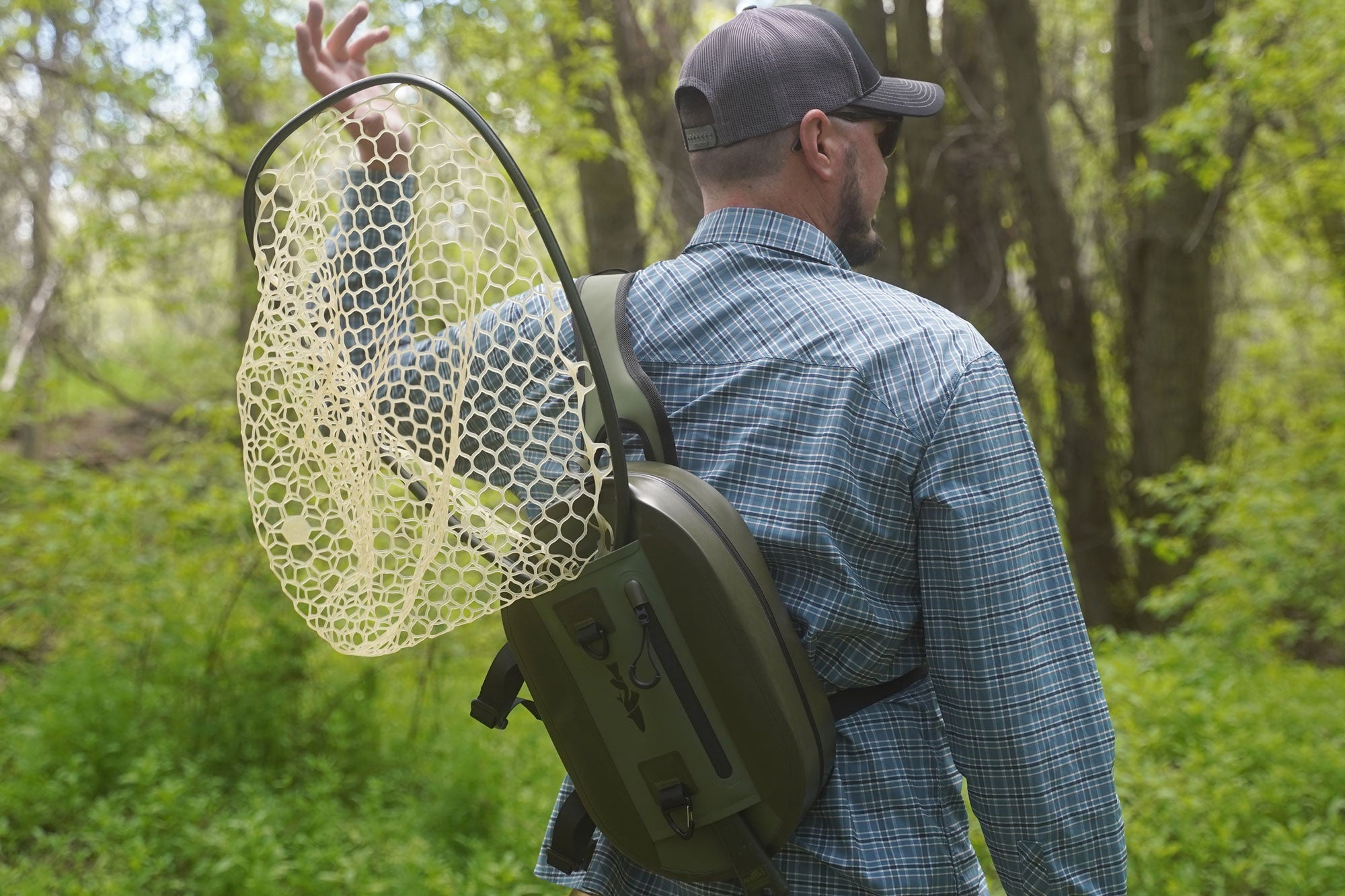
- Sling Packs
- Hip Packs and Lumbar Packs
- Organization Tips and Systems
- What to Actually Carry (And What to Leave Behind)
- Frequently Asked Questions
- Final Thoughts
Choosing Your System: Vest vs. Pack
Before reviewing specific products, understand the fundamental differences between system types and how they match different fishing styles.
Traditional Vests
Advantages:
- Maximum storage capacity—carry everything you might need
- Weight distributed across shoulders
- Quick access to multiple pockets without removing anything
- Classic fly fishing aesthetic
- Works with waders or wet wading
Disadvantages:
- Can be hot in warm weather
- Bulk restricts movement in tight quarters
- Easy to overload with unnecessary gear
- Not ideal for backpacking to remote water
Best For: Spring creek fishing, situations requiring lots of flies and gear, cooler weather, anglers who like traditional style
Chest Packs
Advantages:
- Gear stays accessible without removing pack
- Keeps gear above water when wading deep
- More comfortable than vests in warm weather
- Compact and streamlined
- Forces you to carry only essentials
Disadvantages:
- Limited storage compared to vests
- Chest straps can be uncomfortable for some
- Can interfere with wader chest pocket access
Best For: General trout fishing, warm weather, wade fishing, minimalists, anglers who hike to fishing spots
Sling Packs
Advantages:
- Single strap is very comfortable
- Rotates from back to front for easy access
- More storage than chest packs
- Versatile for fishing and hiking
- Can carry water bladder
Disadvantages:
- Must rotate to front to access gear (takes time)
- Can slide around when hiking
- Not ideal for frequent fly changes
Best For: Backcountry fishing, hiking long distances, situations requiring more gear than chest pack holds
Hip Packs
Advantages:
- Keeps weight off shoulders entirely
- Very cool in hot weather
- Nothing on chest or back
- Quick access to essentials
- Can double as everyday use
Disadvantages:
- Can interfere with wading belt
- Gets wet when wading deep
- Limited capacity
- Can shift position when moving
Best For: Short trips, warm weather, small stream fishing, anglers who travel light
Traditional Fishing Vests
Traditional vests remain popular for good reason—they offer maximum organization and capacity. Modern versions improve on classic designs with better materials and thoughtful pocket placement.
1. Fishpond Sagebrush Mesh Vest ($139.95)
The Sagebrush updates the classic vest with modern materials and design. The mesh body breathes exceptionally well—critical in warm weather—and the modular pocket system lets you customize organization. Fishpond's attention to detail shows in every aspect of this vest, from reinforced stress points to innovative pocket designs.
Key Features:
- Full mesh body for maximum breathability
- 14 pockets including multiple fly box pockets
- Magnetic pocket closures (quiet, easy operation)
- Padded collar reduces neck fatigue
- Integrated rod holder
- Multiple tool attachment points
- Available in S-XXL
Capacity: Can carry 6+ fly boxes plus all accessories
Comfort: Excellent—mesh breathes well, padding in right places
Organization: Outstanding—dedicated pockets for everything
What We Like: Best breathability in vest category, magnetic closures are genius, durable construction
Limitations: Premium price, can still be warm in very hot weather
Best For: Anglers who carry lots of gear, spring creek fishing, anyone wanting maximum organization
2. Orvis Clearwater Vest ($99)
Orvis's budget vest delivers surprising quality at an accessible price. The Clearwater features 11 well-designed pockets and uses ripstop nylon for durability. While not as refined as premium vests, it provides excellent value for occasional anglers or those new to fly fishing.
Key Features:
- 11 pockets with mix of mesh and zippered closures
- Ripstop nylon construction
- Integrated rod holder
- Multiple D-rings for accessories
- Back pocket for rain jacket
- Available in M-XXL
Capacity: 4-5 fly boxes plus accessories
Comfort: Good for the price, adequate padding
Organization: Good—covers essentials without overwhelming
What We Like: Excellent value, Orvis quality at budget price, good pocket layout
Limitations: Less breathable than mesh vests, simpler construction
Best For: Beginners, budget-conscious anglers, those wanting traditional vest without premium cost
Chest Packs and Front Packs
Chest packs represent modern fly fishing storage—compact, comfortable, and perfect for anglers who value mobility over maximum capacity.
3. Fishpond Canyon Creek Chest Pack ($99.95)
The Canyon Creek is my go-to recommendation for chest packs. It offers the perfect balance of capacity, organization, and price. The molded foam back maintains shape while keeping gear dry, and the attachment system is supremely comfortable even during all-day fishing. This pack has become an industry standard for good reason.
Key Features:
- Molded foam construction (waterproof, holds shape)
- Main compartment holds 2-3 fly boxes
- Front zippered pocket for tippet, floatant, etc.
- Integrated tool docking station
- Adjustable shoulder and sternum straps
- Attachment points for net, etc.
- One size fits most
Capacity: 2-3 fly boxes, all essential accessories
Comfort: Excellent—distributes weight well, adjusts easily
Organization: Very good—smart internal pockets
What We Like: Perfect size for day fishing, supremely comfortable, durable molded construction
Limitations: Limited compared to vests, won't fit large fly boxes
Best For: General trout fishing, warm weather, anglers who value mobility, wade fishing
4. Patagonia Stealth Chest Pack ($119)
Patagonia brings their gear design expertise to fly fishing with the Stealth. This chest pack features bomber construction, thoughtful organization, and the company's legendary durability. The zippered clamshell opening provides excellent access to contents, and the low-profile design doesn't interfere with casting or movement.
Key Features:
- Clamshell zippered opening (full access)
- Main compartment plus multiple exterior pockets
- 100% recycled materials
- Hypalon tool holders
- Padded back panel with mesh
- Adjustable sternum strap
- One size
Capacity: 2-4 fly boxes depending on size
Comfort: Excellent—Patagonia ergonomics are outstanding
Organization: Very good—clamshell design aids organization
What We Like: Patagonia quality and warranty, eco-friendly materials, excellent ergonomics
Limitations: Premium price, slightly heavier than minimalist packs
Best For: Environmentally conscious anglers, those wanting bomber durability, all-day comfort
Browse our accessories collection for chest packs, vests, and complete storage solutions for every fishing style.
Sling Packs
Sling packs bridge the gap between chest packs and backpacks—more capacity than a chest pack, more accessible than a backpack. Perfect for anglers who hike to fishing spots.
5. Simms Freestone Sling Pack ($99.95)
The Freestone Sling strikes an ideal balance between fishing pack and hiking pack. The single-strap design is supremely comfortable for long approaches, and the pack rotates easily from back to front for gear access. Simms builds this pack tough—it withstands bushwhacking, stream crossings, and general abuse season after season.
Key Features:
- Single padded shoulder strap (left or right carry)
- Main compartment holds 4-6 fly boxes
- Multiple exterior pockets for quick-access items
- Compression straps stabilize load
- Molded back panel for comfort
- Hydration sleeve compatible
- One size
Capacity: 4-6 fly boxes, rain jacket, water bottle, lunch
Comfort: Excellent for hiking, good when fishing
Organization: Good—multiple compartments keep things separated
What We Like: Perfect for hike-in fishing, comfortable for hours, hydration compatible
Limitations: Must rotate to front for access (not instant like chest pack)
Best For: Backcountry fishing, long hikes to remote water, all-day adventures
6. Patagonia Stealth Sling ($149)
Patagonia's premium sling pack offers refined features and exceptional durability. The ambidextrous design lets you wear it on either shoulder, and the intuitive pocket layout keeps everything organized. This pack transitions seamlessly from stream to trail to everyday use—versatility that justifies the premium price.
Key Features:
- Ambidextrous design (wear either shoulder)
- Padded main compartment protects gear
- Quick-access front pocket
- 100% recycled materials
- Compression straps
- Attachment points for tools and net
- One size
Capacity: 3-5 fly boxes plus accessories and water
Comfort: Outstanding—Patagonia ergonomics
Organization: Excellent—thoughtful pocket placement
What We Like: Ambidextrous flexibility, Patagonia quality, transitions to daily use
Limitations: Premium price, perhaps more pack than needed for short trips
Best For: Serious backcountry anglers, those wanting multi-use pack, long fishing days
Complete Your On-Stream Setup
The right pack or vest is just the start. Stock it properly with essentials from our accessories collection—fly boxes, tippet, tools, and everything you need organized and ready to fish.
Hip Packs and Lumbar Packs
Hip packs offer minimalist storage that keeps weight off your upper body entirely. Perfect for short trips, warm weather, or anglers who prefer unencumbered movement.
7. Fishpond Blue River Chest/Lumbar Pack ($89.95)
This versatile pack converts between chest and lumbar carry—wear it on your chest like a traditional chest pack or rotate it to your hip for lumbar carry. The convertible design means one pack serves multiple purposes, saving money while providing flexibility. Fishpond's molded construction ensures durability and water resistance.
Key Features:
- Convertible: chest pack or lumbar pack
- Molded foam construction
- Main compartment holds 1-2 fly boxes
- Front organizational pocket
- Tool docking station
- Adjustable waist belt
- One size fits most
Capacity: 1-2 fly boxes, essential accessories
Comfort: Very good—lightweight, doesn't restrict movement
Organization: Good for compact size
What We Like: Convertible design offers flexibility, comfortable either way, great for warm weather
Limitations: Limited capacity, not ideal for all-day gear needs
Best For: Warm weather fishing, short trips, anglers who want flexibility, minimalists
8. Simms Flyweight Hip Pack ($79.95)
The Flyweight lives up to its name—this is ultralight storage that barely registers when worn. Perfect for small stream fishing or any situation where you want absolute minimal gear weight. The pack holds just the essentials, forcing you to fish efficiently without excess baggage.
Key Features:
- Ultralight ripstop nylon construction
- Main compartment plus front pocket
- Adjustable padded waist belt
- Tool attachment points
- Water-resistant zippers
- Fits waist 24"-46"
Capacity: 1-2 fly boxes, minimal accessories
Comfort: Excellent—you barely notice it
Organization: Basic but adequate for essentials
What We Like: Truly lightweight, comfortable for hours, perfect minimalist solution
Limitations: Very limited capacity, gets wet when wading deep
Best For: Small stream specialists, short sessions, warm weather, ultralight enthusiasts
Organization Tips and Systems
The best vest or pack is useless if poorly organized. Follow these principles for maximum efficiency:
The Accessibility Hierarchy
Organize gear by frequency of use:
Instant Access (Front/Top Pockets):
- Tippet spool currently in use
- Floatant
- Nippers and forceps
- Split shot or indicators
- Primary fly box
Quick Access (Main Compartment):
- Additional fly boxes
- Extra tippet spools
- Leaders
- Strike indicators
Secondary Storage (Back/Bottom Pockets):
- Rain jacket
- First aid kit
- Lunch and snacks
- Extra layers
- Emergency supplies
The Tool System
Tools should be instantly accessible without opening any pockets:
Use Zingers or Retractors: Attach nippers, forceps, and floatant to zingers so they're always in reach.
Consistent Placement: Keep tools in the same locations every trip. Muscle memory means you'll grab what you need without looking.
Minimize Tools: You only need 3-4 tools on your body: nippers, forceps, floatant, and maybe a hook file. Everything else stays in the pack.
The Fly Box Strategy
Primary Box: Your go-to box with proven patterns in sizes you fish most. Keep this in the easiest-access pocket.
Secondary Boxes: Specialized boxes for specific situations—emergers, streamers, terrestrials. These live in main compartment.
Backup Box: Extra patterns and experimental flies. Stored deeper in pack.
Don't carry every fly you own. Bring 3-4 boxes maximum for day fishing—you're not restocking a fly shop.
The Tippet Organization
Keep tippet spools organized by size. Two approaches work well:
Tippet Wallet: All spools stored in dedicated wallet, keeps them organized and protected.
Tippet Holder: Spool holder attached to pack or vest, keeps commonly used sizes instantly accessible.
I prefer keeping 4X, 5X, and 6X instantly accessible with other sizes in a wallet. These three sizes handle 80% of trout fishing.
What to Actually Carry (And What to Leave Behind)
The most common mistake anglers make is carrying too much gear. Here's what you actually need on the water:
Essential Gear (Always Carry)
- Fly boxes: 2-3 boxes for day fishing
- Tippet: 4X, 5X, 6X minimum; add 3X and 7X based on fishing
- Nippers: For cutting tippet
- Forceps: For removing hooks
- Floatant: For dry flies
- Split shot: Various sizes for nymphing
- Strike indicators: If you indicator fish
- Extra leader: One spare in case of disaster
Important Gear (Usually Carry)
- Hook file or stone: For sharpening hooks
- Leader straightener: Or use rubber pad
- Hemostats: Backup for forceps
- Sunscreen and lip balm: Protection
- Small first aid kit: Band-aids, pain reliever
- Rain jacket: If weather threatens
Optional Gear (Situation Dependent)
- Camera: If you document trips
- Extra flies: For multi-day trips
- Lunch and snacks: For long days
- Water bottle or hydration bladder
- Streamside fly tying kit: For guides or obsessives
Leave at Home
- Excessive fly boxes (more than 4)
- Every tippet size (you don't need 1X-8X on every trip)
- Backup backup tools
- That cool gadget you've never used
- Heavy items "just in case"
The best anglers travel light. They know what they actually use and carry only that. Beginners carry everything "just in case" and exhaust themselves lugging 20 pounds of rarely-used gear.
Frequently Asked Questions
Should I buy a vest or a chest pack as my first storage system?
Start with a quality chest pack like the Fishpond Canyon Creek ($99.95). Chest packs force you to carry only essentials, which helps you learn what you actually need versus what you think you need. They're comfortable, versatile, and adequate for 90% of trout fishing situations. Once you've fished for a season and understand your style and needs, you can add specialized storage if needed. Vests are great but encourage overloading—save them until you know exactly what gear you need to carry. The chest pack discipline builds good habits.
Can I use the same pack for both fishing and hiking?
Sling packs work excellently for both fishing and hiking. The Simms Freestone or Patagonia Stealth Sling transition seamlessly between uses. Chest packs and hip packs are more fishing-specific but can work for light day hikes. Traditional fishing vests are really only for fishing—they're uncomfortable for hiking and look out of place. If you want true multi-use capability, choose a sling pack. Just remember to remove fishing-specific items (floatant, fly boxes with hooks) if you're lending it to non-fishing friends or family for hiking.
How do I keep my gear organized in my pack or vest?
Use a consistent system every trip: same items in same pockets always. Your primary fly box always goes in the same pocket. Tippet always in the same location. This builds muscle memory so you grab what you need without thinking. Use small zippered pouches or bags to group related items—all indicators in one pouch, all strike detection tools in another. Label pockets if helpful. Most importantly, clean out your pack monthly—remove trash, reorganize items, and purge anything you haven't used. Clutter accumulates quickly otherwise.
What's the minimum gear I can get away with for a short fishing trip?
Absolute minimum: one fly box with proven patterns, one tippet spool (5X or 6X), nippers, forceps, and floatant. This fits in a single large pocket or small hip pack. I've fished successfully for hours with just this. Add a leader and split shot for flexibility. This minimal setup works great for short trips to familiar water where you know what patterns work. For longer trips or unfamiliar water, add backup flies and additional tippet sizes. But you'd be surprised how little you actually need versus how much you think you need.
Are expensive packs and vests worth the cost compared to budget options?
Premium packs and vests offer better materials (more durable), superior ergonomics (more comfortable for long days), and thoughtful details (better pocket placement, sturdier zippers, smarter organization). A $140 Fishpond pack will last 5-7 seasons of heavy use while remaining comfortable. A $50 budget pack might last 2 seasons and won't be as comfortable. If you fish 20+ days per year, premium gear pays for itself in durability and comfort. If you fish 5-10 days per year, budget options serve adequately—just accept they'll wear faster. The middle ground ($80-$100) often provides the best value for most anglers.
Final Thoughts: Carry What You Use, Use What You Carry
The perfect vest or pack is the one that holds everything you actually need while remaining comfortable for all-day fishing. It's not about maximum capacity—it's about smart organization of essential gear. Here's how to choose:
New anglers: Start with a chest pack (Fishpond Canyon Creek, $99.95). This forces discipline in gear selection and serves 90% of fishing situations.
Warm weather specialists: Hip pack (Fishpond Blue River, $89.95) keeps you cool while carrying essentials.
Backcountry anglers: Sling pack (Simms Freestone, $99.95) balances hiking comfort with fishing functionality.
Traditional anglers or spring creek specialists: Quality vest (Fishpond Sagebrush, $139.95) provides maximum organization and capacity.
Focus on organization over capacity. A small, well-organized pack outperforms a large, chaotic one. Know where everything is, access it instantly, and spend time fishing instead of rummaging through pockets.
Comfort matters for all-day fishing. An uncomfortable pack becomes torture after 6 hours on the water. Invest in ergonomics—padded straps, weight distribution, adjustability. Your back and shoulders will thank you.
Match the system to your actual fishing. Don't buy a backcountry sling pack if you fish from parking lots. Don't buy a minimalist hip pack if you change flies constantly. Be honest about how you fish and choose accordingly.
Edit ruthlessly. Every item in your pack should earn its place by being used regularly. If you haven't used something in five trips, leave it home. The lightest pack is the one you forget you're wearing.
Browse our complete accessories collection for vests, packs, organizational tools, and everything you need to keep your gear accessible and organized. Visit our blog for more guides on gear, techniques, and maximizing your time on the water.
The right storage system disappears—you forget it's there and focus entirely on fishing. That's the goal. Find your perfect system, organize it properly, and enjoy more efficient, comfortable fishing.
Fly Fishing Insider Podcast has a referral partnership with Frontiers International Travel. If you book after being introduced through us, we may receive compensation at no additional cost to you.