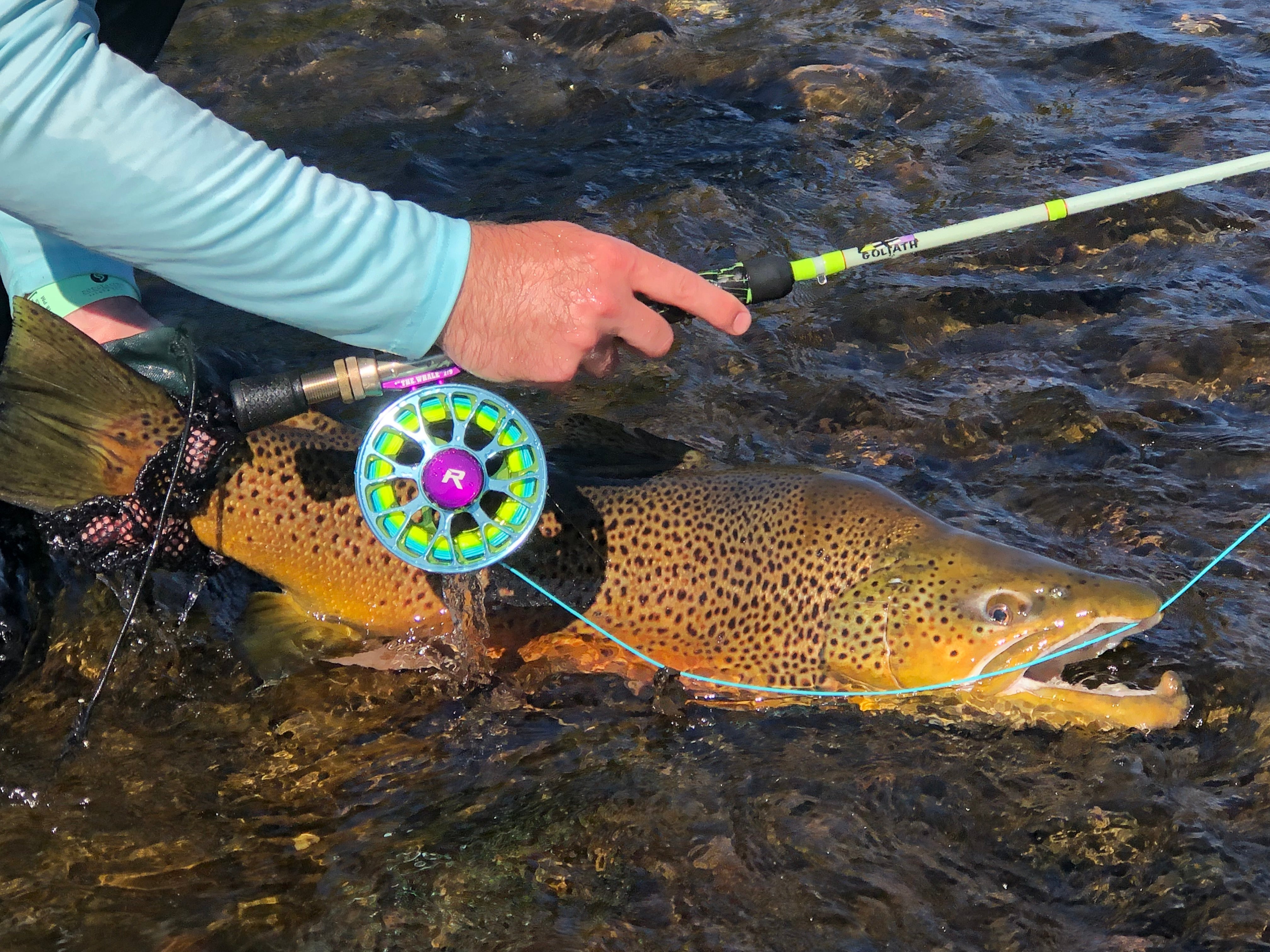

The Ozarks are one of the best stream-smallmouth regions in the country, and Ryan Walker has spent years learning where the biggest ones live and how to get them to eat. On Episode 146 he walked through how he targets what he calls the old-growth fish — the smallies over 16 inches, where a 20-incher in these streams is a genuine trophy — and why those fish deserve protecting. If you've only ever treated smallmouth like trout, this episode will change how you fish a warmwater creek.
Where the Big Ones Live: Structure Plus Current
Ryan's rule is simple: the bigger fish get the prime lies. In Ozark streams that usually means hard substrate — big rock, gravel pockets and deep holes — with wood mixed in, and always with current nearby. Northern smallmouth rivers in places like Michigan and Minnesota lean more on wood as the main structure; down here, rock rules.
What he's not fishing is what he calls frog water: the big, long, slow pools. Most of the big fish he and his clients catch are tight to heavy structure with moving water close by. One of his favorite spots produced because it had all three ingredients at once — moving water, wood and big rock — which is a perfect place for baitfish to hold, and therefore for big smallmouth to hunt.
He also shared a great observation about competition. In swift water, like a plunge pool, fish get a split second to decide, and the biggest fish is almost always the one that gets to your fly first. In slower water the fish have time to pick and choose, so the big one won't always commit first. If you want your first grab to be the best fish in the hole, fish the fast water.

Crash and Bang
Ryan traces a lot of his approach to the streamer boom of roughly a decade ago. Before that, he'd fished smallies much like trout — tight-lining through heavy riffles or swinging woolly buggers. Now the number-one technique through spring, summer and early fall is what he calls crash and bang: throwing big streamers into wood and rock, banging them off the structure and ripping them out to trigger a reaction bite.
The retrieve he described is a rip-strip, a gallop: two big strips while moving the rod tip to give the fly a kick, then a stop. Pay attention to what the fly does on that stop — flies that breathe and hold a natural attitude when they pause get eaten.
Match the Crayfish, Then Go Big on Baitfish
Crayfish are a staple, and Ryan shifts colors with the season. Early in the year Ozark crayfish run brown and black, then move toward a purple-and-brown "peanut butter and jelly" look. Through summer and early fall it's olives, oranges, browns and darks. His advice: don't be afraid to tie your crawdads big, and favor bulkier patterns that breathe underwater and sit still in the right attitude rather than twisting.
That said, he was candid that more of his biggest fish come on large baitfish patterns than on crayfish. Big fish like big meals. In off-color water he goes big and bright, naming patterns like Lunch Money and Game Changer or Feather Changer-style flies as reliable options.

Protect the Old-Growth Fish
Ryan's title isn't just about catching big smallmouth; it's about protecting them. Stream smallmouth don't get the conservation spotlight that trout do, yet a 16-plus-inch fish in a small Ozark creek represents many years of growth and is very hard to replace. Handle them quickly, keep them wet, and release them to fight another day. Those are the fish that make these streams special.
Gear
What will help most for this style of fishing is a stout 6- or 7-weight, a sinking-tip or intermediate line, and a box of big articulated baitfish and crayfish patterns — your local fly shop can steer you to the patterns and colors that match your water. For more on retrieves and presentation, check out our Tips and Tricks for Fly Fishing eBook. And summer smallmouth days mean long hours in the sun, which is where the FFIP Five Panel Cap comes in.