
Most anglers plan a trip around a single river and a single week off. Mike, who runs the Fly All SZN channel, plans his whole year around chasing native trout from one overlooked watershed to the next — and after two full years living out of a truck, he's figured out what actually makes that kind of trip work. His conversation with Christian on the Fly Fishing Insider Podcast is less about any one river and more about how to scout, prepare for, and get the most out of water most anglers never think to fish.
Start With the Water Nobody's Marketing
Mike's first stop of the season every year is the Driftless region — northeast Iowa, southwest Wisconsin, southeast Minnesota. It's an area with an enormous amount of accessible trout water and almost no marketing behind it, which he chalks up entirely to the name. "Driftless" doesn't exactly sell a trip the way "Missoula" or "West Yellowstone" does, but the fishing holds up: high fish density, forgiving access, and a season that isn't nearly as tied to snowmelt as the Rockies. If you're building a season around chasing native or wild trout, an early-season stop in a low-elevation, high-density fishery like the Driftless is a good way to shake off winter rust before you tackle bigger, harder water.
Research the Forage Before You Tie a Single Fly
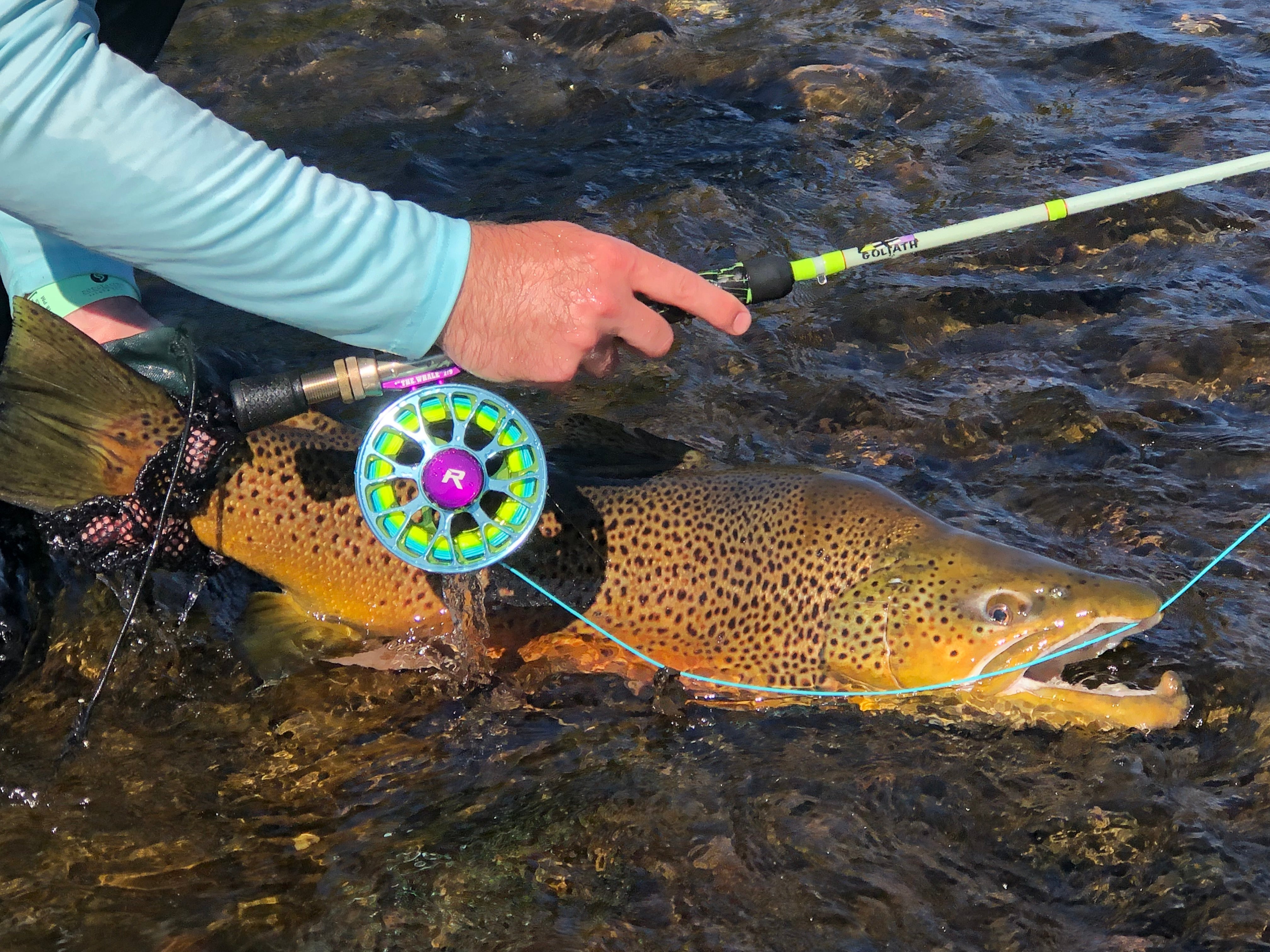
The most useful piece of the whole conversation is what Mike found in Arizona's trout water below the Mogollon Rim. Decades of invasive crawfish have reshaped entire fisheries — the brown trout and smallmouth bass there have grown unusually large almost entirely off crawfish, to the point where you can wade at night and pick handfuls of them out of the water. Mike didn't know this before he arrived; a local contact told him to tie big, ugly crawfish and streamer patterns before he ever waded in, and it changed the entire trip. The lesson travels well beyond Arizona: before you fish new water, find one local angler who'll tell you what the fish are actually keyed on. A crawfish-heavy fishery fishes completely differently than a mayfly-heavy one, and no amount of generic "trout fly" selection will make up for guessing wrong on forage.

Chase the Native Fish, Not Just the Biggest One
What pulled Mike into Arizona in the first place wasn't the trophy browns — it was the chance to catch wild Gila trout and Apache trout in the small headwater creeks of the White Mountains, species most anglers will never target on purpose. He also ran into an unusual conservation wrinkle: the Verde River's native trout were functionally wiped out decades ago, and early stocking programs — done before modern genetic testing existed — accidentally replaced them with Gila trout from New Mexico. It's a reminder that "native" water often has a more complicated history than it looks like on a map, and that the smallest, least glamorous fish in a stream can be the most interesting one to understand.

Build Your Trip Around Fewer, Longer Stops
The biggest change Mike made to his travel schedule this year: instead of constantly repacking his truck and bouncing between short stops, he blocked out two full months in Missoula, Montana, and two more in Calgary, Alberta, chasing bull trout on the fall spawning run. Packing and unpacking a truck, he says, is one of the biggest hidden time and energy drains of full-time travel fishing — longer stays in a single hub let him fish multiple drainages (the Blackfoot, Bitterroot, and Clark Fork out of Missoula, for instance) without losing days to logistics. If you're planning any multi-stop trip, even a two-week one, fewer bases with more day-trip range usually beats a new hotel every night.
Gear
If you're planning your own version of this kind of trip — new water, new regions, figuring out logistics on the fly — our Essential Elements of Destination Travel for Anglers eBook walks through exactly this kind of trip planning, from researching a fishery before you arrive to building a realistic itinerary once you're there.
Book the season you actually want
The best weeks on the best water go early. Plan it with Frontiers Travel — don't wait.
Plan Your TripFly Fishing Insider Podcast has a referral partnership with Frontiers International Travel. If you book after being introduced through us, we may receive compensation at no additional cost to you.