
A winter fly tying materials list should cover the vise and hand tools, hooks in five styles (emerger, nymph, jig, dry and streamer), brass and tungsten beads, thread and wire, dubbing, a grizzly hackle saddle, zonker strips, bucktail, rubber legs, UV resin, head cement and a fly box for the finished flies.
Winter is when my tying bench earns its keep. The rivers run low and cold, the days are short, and a few evenings at the vise mean that when a warm afternoon finally comes, I walk out the door with a box I built myself. My buddy Paul ties at his kitchen table every Sunday from Thanksgiving to March, and his spring box always looks better than mine.
This checklist is the stock list I would give a friend setting up for the season. Every product is in the FFIP shop, most of it in the FFIP fly tying collection, and the last section shows which winter flies all of it builds.
- Tools first. A rotary vise, bobbin, scissors and whip finisher are the core; the rest makes tying easier.
- Five hooks cover winter. Emerger, nymph, jig, dry and streamer hooks in a few sizes tie nearly every cold-water pattern.
- Weight matters. Slotted tungsten beads on jig hooks get nymphs down fast in winter flows.
- Buy materials by the pattern. Pick the flies first, then buy only what they need.
What Tools Belong on a Fly Tying Materials List?
The tools on a fly tying materials list are a one-time purchase, so buy decent ones and they will last for years. If you would rather start with everything in one box, compare our best fly tying kits for beginners.

Stone Creek Rotary Vise
Stone Creek sells this rotary vise with a table clamp or with a standalone base, and it is built for tyers who are starting out. A rotary vise lets you spin the fly to check both sides and wrap bodies evenly.
Starting from $56.68 Shop Now

Stone Creek Ceramic Bobbin
A ceramic tube wears more slowly than a metal one and is less likely to fray thread or snag wire. Buy two or three so you can keep black, olive and red loaded.
$16.00 Shop Now

Risen 4" All Purpose Scissors
A 4-inch pair of fine-point scissors covers thread, hackle, dubbing and most synthetic materials. Keep an old pair aside for wire and tinsel so these stay sharp.
$15.99 Shop Now

NIRVANA Whip Finisher with Thread Cutter
A thick, weighted handle gives you control on the whip finish, and the sharpened base clips the thread, so one tool does two jobs. At $9.99 it is the cheapest upgrade on the bench.
$9.99 Shop Now

Stone Creek Hackle Pliers
Smooth, rounded jaws grip a hackle tip without cutting it, which makes palmering a Woolly Bugger or a Griffith's Gnat much easier.
$23.40 Shop Now

Stone Creek Bodkin
A bodkin applies head cement, picks out dubbing for a buggy thorax and clears glue from a hook eye. Every tying session uses one.
$10.60 Shop Now

Risen Bobbin Threader
Pulls thread through the bobbin tube in a second instead of a minute of sucking on the end. It matters most on fine midge thread.
Starting from $8.99 Shop Now

Stone Creek Hair Stacker
Drop a clump of deer, elk or calf hair in, tap it on the bench and the tips line up. You need one for Elk Hair Caddis wings and clean tails.
$22.60 Shop Now

Stone Creek Dubbing Twister
A dubbing twister spins a dubbing loop into a rope of fur for the very shaggy bodies that make leeches, scuds and big nymphs come alive in the water.
$11.80 Shop Now
Which Hooks and Beads Should a Winter Fly Tyer Stock?
Winter trout eat small, and they eat near the bottom, so the hooks and beads lean toward midge sizes and heavy weight.

Risen Emerger Hook 2488
A straight-eye, 3X wide, 2X short curved hook in fine bronze wire, 25 per pack. The curved shank gives tiny midge pupae and emergers a natural profile.
$4.99 Shop Now

Risen Barbless Nymph Hook 9214
A barbless, down-eye, standard-wire nymph hook with a wide gap in black nickel, 25 per pack. It suits Hare's Ears, Pheasant Tails and Zebra Midges.
$5.49 Shop Now

Risen Barbless Jig Fly Hook 9230
A barbless jig hook with a round bend, chemically sharpened point and black nickel finish, 25 per pack. Paired with a slotted tungsten bead, it rides point up and snags less on the bottom.
$5.49 Shop Now

Risen Dry Fly Hook 100
A down-eye, 1X fine, wide-gape forged dry fly hook in bronze, 25 per pack. Tie Griffith's Gnats and small Blue Winged Olives on it for winter risers.
$4.99 Shop Now

Risen Streamer Hook 300
A down-eye, heavy-wire, 6X long forged streamer hook, 25 per pack. Use it for Woolly Buggers, Zonkers and the slow-stripped streamers that move winter browns.
$5.49 Shop Now

Risen Brass Beads
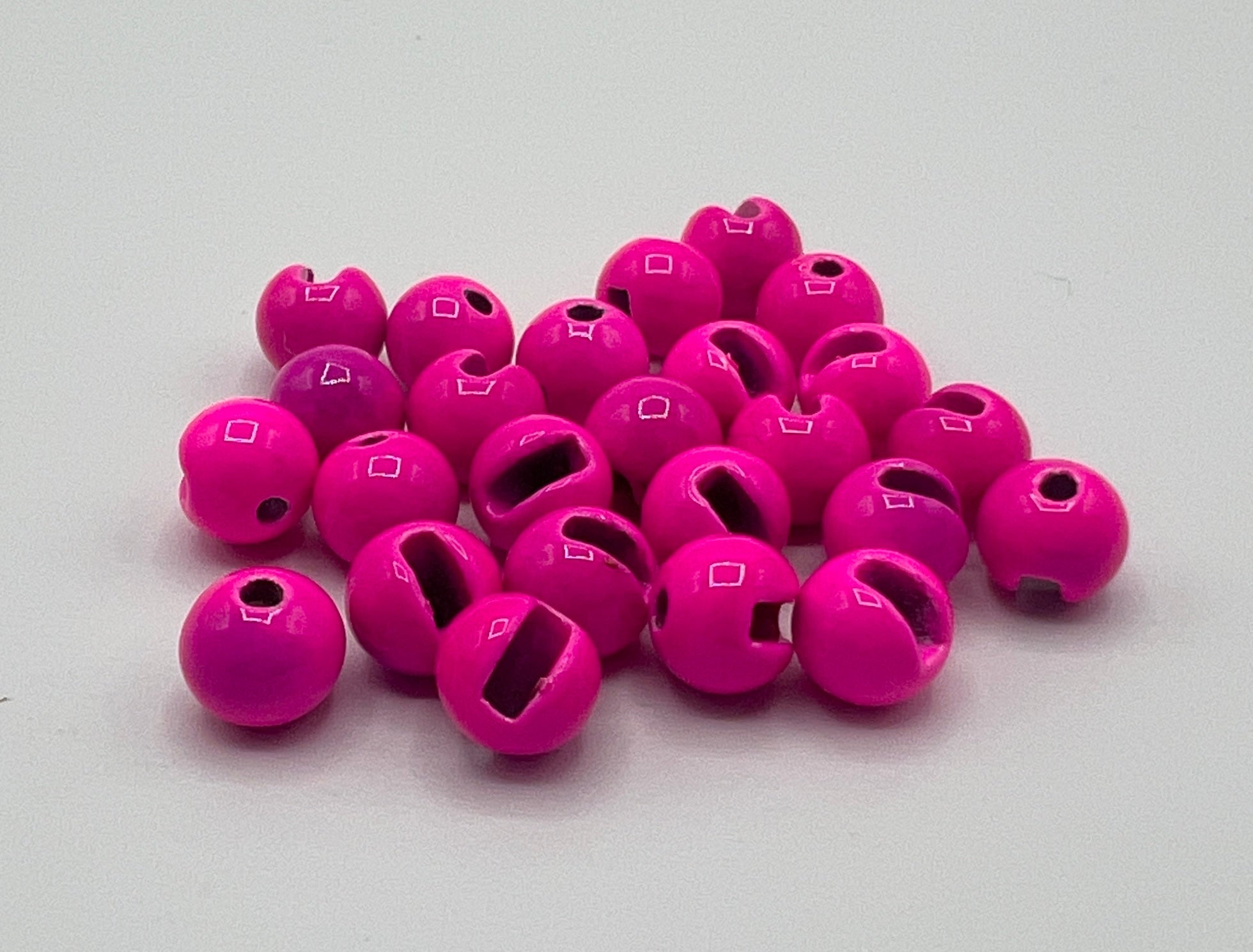
Risen sells brass beads in 3 colors and 6 sizes, 25 per pack, from 2.0 mm for size 20-22 hooks up to 4.8 mm for size 4-6. Brass adds weight and a little flash to nymphs and buggers.
Starting from $3.99 Shop Now

Moonlit Slotted Tungsten Beads
Pure tungsten is heavier than brass for the same size, and the slot fits a jig hook. Moonlit offers 2.0 to 4.0 mm in packs of 25; use 2.0 mm on size 16-20 hooks.
Starting from $11.99 Shop Now
On episode 133 of the Fly Fishing Insider Podcast, fly tyer and author Tim Cammisa explained why a jig hook and a slotted tungsten bead make a nymph ride point up, why every extra fiber slows the sink rate, and why a thin coat of UV resin beats a thick one. Episode page.
What Fly Tying Materials Cover the Most Patterns?
Materials are where new tyers overspend. Our guide to starting fly tying without wasting money on materials makes the same point: these six cover a surprising number of patterns.
Thread, Wire and Flash
Stock thread in black, olive, red and white, in a fine size for midges and a stronger size for streamers. Add small copper and silver wire for ribs, plus a little flash for tails and hot spots.

Moonlit Beaver Dubbing
Natural beaver fur dubs tight for slim nymph bodies or loose for a buggy thorax. A few colors in gray, brown and olive cover most winter nymphs.
$3.20 Shop Now

Keough Grizzly Half Saddle
A grizzly saddle hackles Griffith's Gnats, Adams-style dries and palmered Woolly Buggers. If you only buy one feather this winter, make it grizzly.
$44.00 Shop Now

Moonlit Mink Zonker Strips
Moonlit rates these mink strips as equal to a pine squirrel quarter hide. Zonker strips pulse on a slow strip, which is exactly the speed cold-water trout want.
Starting from $11.99 Shop Now

Clouser's Bucktail Combo Pack
A deer tail combo pack from Clouser's Fly Shop in a regular or fluorescent set. Bucktail is the backbone of the Clouser Minnow and most simple baitfish patterns.
$9.00 Shop Now

Clouser's Crazy Legs
Rubber legs for crayfish, stoneflies and other crustacean patterns. A Pat's Rubber Legs tied with them is a winter staple below many tailwater dams.
$4.50 Shop Now
Treat the off-season as tying season. Rod designer Fred Contaoi told former FFIP host Greg on episode 66 that time off the water is the time to tie flies, get gear ready and practice casting. Block out one session a week this winter: restock a box, clean your lines, check old tippet. You show up sharp in spring instead of rusty.
How Do You Finish and Store a Winter Fly Box?
The last three items lock the flies together and keep them organized until spring.

Loon UV Fly Finish
Loon makes this UV-curing resin in three viscosities; the thin Flow version is about as thin as water and locks thread wraps. It stays workable until you hit it with a UV light, then cures in seconds. Tie in a ventilated room and do not look into the light.
Starting from $20.00 Shop Now

Loon WB Head Cement System
A thin, odorless, water-based head cement with an applicator, 1 oz. It dries clear, locks the whip finish and will not fill the kitchen with fumes.
$9.00 Shop Now

Risen SLIM Fly Box
At 1.1 inches thin and 6.1 x 4.25 inches, the SLIM box holds 336 flies and slides into a shirt pocket. Fill one with this winter's ties and it is ready for the first warm day.
$14.99 Shop Now
What Should You Tie for a Winter Fly Box?
Here is how this checklist turns into a winter trout box. Tie six of each and you are set for most tailwaters and spring creeks:
- Zebra Midge. Nymph or emerger hook, small brass or tungsten bead, black thread and silver wire.
- Perdigon. Jig hook, slotted tungsten bead, thread body and a thin coat of UV resin.
- Griffith's Gnat. Dry fly hook, peacock herl and a palmered grizzly hackle for midge clusters.
- Pat's Rubber Legs. Streamer or nymph hook, chenille or dubbing and Crazy Legs.
- Woolly Bugger. Streamer hook, bead, marabou or zonker tail and palmered grizzly.
For a cleaner bench to tie all of it, see setting up a fly tying station you will actually use.
Get the FFIP deals first
Drop your email and we'll tell you the moment a sale goes live. No spam; unsubscribe anytime.
Frequently Asked Questions
What fly tying materials do beginners need?
Beginners need a vise, bobbin, scissors, whip finisher, a few hook styles, beads, thread, dubbing and one grizzly hackle saddle. Pick three patterns, such as a Zebra Midge, a Woolly Bugger and a Griffith's Gnat, and buy only what those flies call for.
Is a rotary vise worth it for a new fly tyer?
A rotary vise is worth it for many new fly tyers because it lets you turn the fly to inspect both sides and wrap materials evenly, and the Stone Creek rotary vise starts at $56.68. A fixed vise still ties great flies if you prefer to start simpler.
What hook size should I tie for winter midges?
Most winter midge patterns are tied on size 18 to 24 hooks, with emerger or curved hooks for pupae and fine-wire dry hooks for adults. Match the size of the midges you see on the water.
Is UV resin safe to use for fly tying?
UV resin is widely used in fly tying, but work in a ventilated room, keep resin off your skin and never look directly into the UV light. Water-based head cement, like the Loon WB system, is an odorless option for thread wraps.
Stock the bench this month and the long nights take care of the rest. You will find most of this list in the FFIP fly tying collection. Start with the tools, then build out hooks and materials one pattern at a time.
Tight lines, everyone!
Get winter tying ideas and FFIP tips to help you catch any fish, any time, and anywhere.
Join freeShow us your fish on Instagram @flyfishinginsiderpodcast