
Getting Started with Fly Tying
Q: What basic tools do I need to start tying flies? A: Essential tools include a quality rotary fly tying vise, a ceramic-insert bobbin, sharp tying scissors, hackle pliers, a whip finish tool, and a bodkin dubbing needle. A basic fly tying starter setup includes everything needed. Don't buy cheap tools - they'll frustrate you and hinder learning.
Q: What materials should I buy first? A: Start with versatile tying materials: black, brown, and olive dubbing; rooster hackle in brown and grizzly; pheasant tail fibers; peacock herl; rabbit fur; deer hair; and basic threads (black, brown, olive). This lets you tie proven patterns like Woolly Buggers, Hare's Ears, and Elk Hair Caddis.
Q: Should I take a class or learn from videos? A: Both have advantages. Classes provide immediate feedback and hands-on guidance, while videos let you learn at your own pace and replay techniques. Many successful tyers combine both - start with a basic class, then use videos to expand skills and learn new patterns.
Q: What are the easiest flies for beginners to tie? A: Start with simple patterns: Woolly Bugger (teaches basic wrapping), San Juan Worm (thread control), Pheasant Tail Nymph (proportions), and Elk Hair Caddis (working with hair). These patterns are forgiving, effective, and teach fundamental techniques.
Basic Techniques and Skills
Q: How do I get consistent proportions in my flies? A: Use reference points on your hook - divide it into thirds mentally. Most fly bodies occupy the middle third, tails extend one hook length beyond the bend, and heads take up about 10% of the hook shank. Practice tying the same pattern repeatedly until proportions become automatic.
Q: Why do my flies fall apart or the thread breaks? A: Common causes include too much thread tension, dull scissors creating frayed thread, or not securing materials properly. Use smooth, consistent thread wraps and check that your vise holds the hook firmly. Practice maintaining steady tension without overtightening.
Q: How do I select the right hook size for different patterns? A: Match hook size to the natural insect you're imitating. Size 12-16 for most mayflies, 14-18 for midges, 10-14 for caddis. Streamers typically use sizes 2-10. When in doubt, err on the smaller side - fish are less suspicious of smaller flies.
Q: What's the difference between dry fly and wet fly hooks? A: Dry fly hooks are lighter wire to help flies float, often with wider gaps for better hooking. Wet fly hooks use heavier wire to help flies sink and typically have longer shanks. Nymph hooks often have curved shanks to imitate natural insect shapes.
Materials and Storage
Q: How do I organize and store fly tying materials? A: Use clear storage boxes with adjustable compartments for small items like beads and hooks. Hang feathers and furs in clear bags or use large tackle boxes with full-width compartments. Label everything clearly and group materials by type (dubbing together, feathers together).
Q: When should I buy genetic vs. natural materials? A: Genetic hackles (from specially bred roosters) have consistent, high-quality barbs perfect for dry flies but cost more. Natural materials are less expensive and fine for nymphs and wets. Invest in genetic hackle for dry flies you tie frequently.
Q: How long do fly tying materials last? A: Properly stored materials last years. Keep them dry, away from moths (use cedar or mothballs), and out of direct sunlight. Dubbing and synthetic materials are nearly indestructible. Natural materials like feathers and fur can last decades with proper care.
Q: What's the difference between natural and synthetic dubbing? A: Natural dubbing (rabbit, muskrat, etc.) has natural texture and movement in water but can be harder to work with. Synthetic dubbing is consistent, often has flash built in, and is easier for beginners. Many patterns work well with either.
Advanced Techniques
Q: How do I tie realistic-looking nymphs? A: Focus on proper segmentation, natural coloration, and realistic proportions. Use materials like pheasant tail for segmented bodies, dubbing for thorax areas, and consider adding weight for proper sink rate. Study photos of real insects for color and shape reference.
Q: What's the secret to tying good dry flies that float well? A: Use quality hackle with stiff, evenly spaced barbs. Don't overdress flies - less is often more. Ensure hackle stands perpendicular to the hook shank. Consider using CDC (cul de canard) feathers for natural flotation. Apply dry fly floatant to materials while tying if desired.
Q: How do I tie effective streamers that attract big fish? A: Focus on movement and profile. Use materials like marabou, rabbit strips, and bucktail that pulse and breathe in the water. Vary colors and sizes to match local baitfish. Consider adding weight to get flies down quickly in fast water.
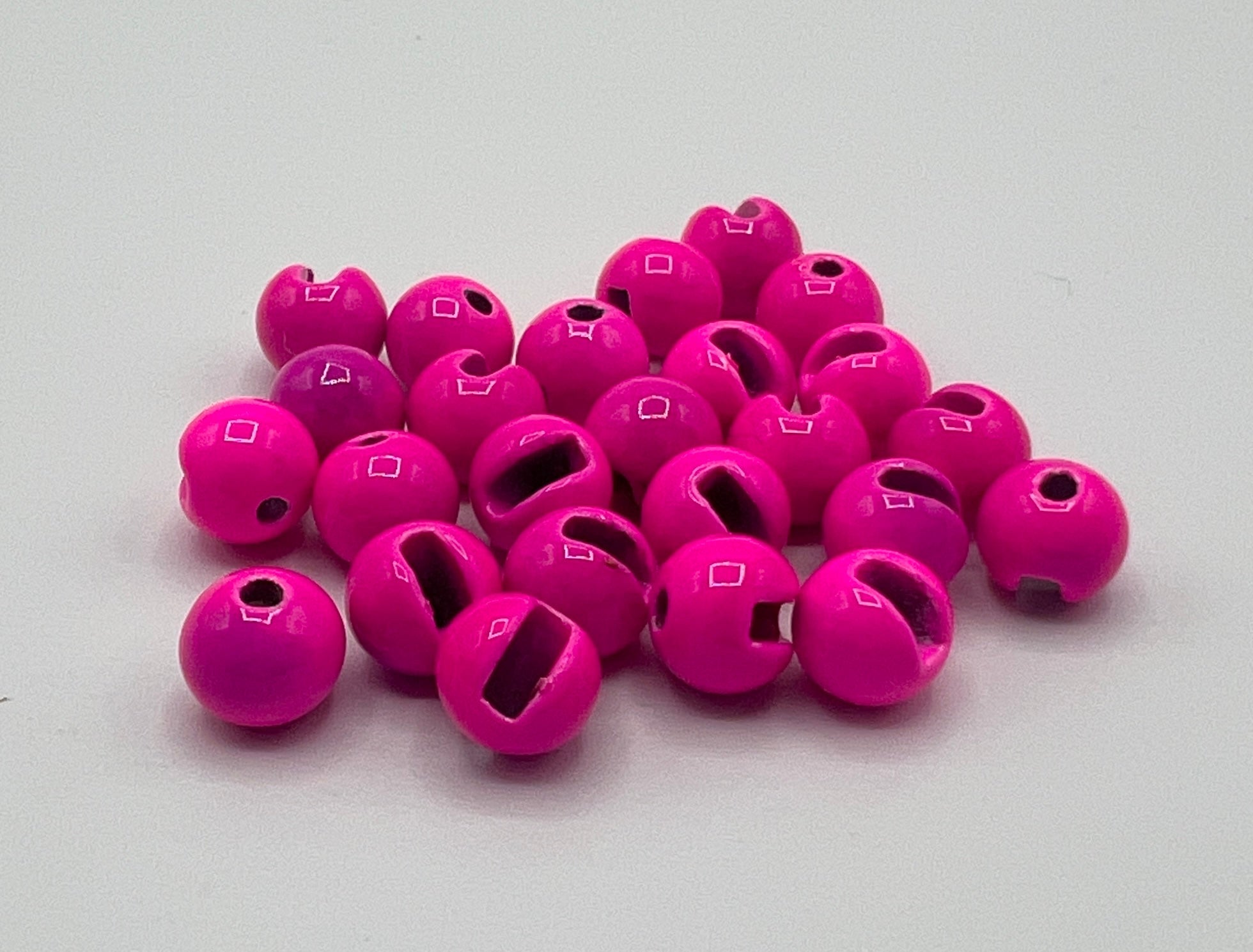
Q: When should I use beads and weights in my flies? A: Add beads to nymphs when you need to get deep quickly or want attraction. Gold and copper are most versatile, black works in clear water. Use tungsten beads for maximum weight, brass beads for moderate weight. Match bead size to hook - too large looks unnatural.
Problem Solving
Q: Why don't my dry flies float properly? A: Common issues include using soft hackles, wrapping hackle improperly, or using materials that absorb water. Ensure hackle barbs are perpendicular to the hook shank, use stiff hackles, and avoid over-wetting flies with head cement. Consider treating materials with dry fly floatant.
Q: How do I fix flies that spin or twist in the water? A: Usually caused by unbalanced construction or asymmetrical materials. Ensure wings are tied straight and materials are distributed evenly around the hook shank. For streamers, use balanced materials or add weight to balance the fly.
Q: My flies look messy - how do I get cleaner results? A: Practice consistent thread tension and take your time building neat, proportional flies. Keep materials organized while tying, trim excess cleanly, and finish with a small, neat head. Use a whip finish tool for professional-looking heads.
Q: When should I tie my own flies vs. buying them? A: Tie flies when you need specific colors or sizes unavailable commercially, want to save money on patterns you use frequently, or enjoy the creative process. Buy flies for complex patterns you rarely use, when starting out, or when you need many flies quickly.
Pattern Development and Variation
Q: How do I modify existing patterns for local conditions? A: Observe local insects and adjust colors, sizes, and materials accordingly. If mayflies in your area are darker, use darker dubbing. If streams have specific minnows, match their colors in streamers. Keep detailed notes on what works where and when.
Q: What makes a good "searching" pattern? A: Versatile flies that imitate multiple food sources or general insect characteristics. Patterns like Adams, Hare's Ear, and Woolly Bugger work because they suggest many different insects. Focus on natural colors and realistic proportions.
Q: How do I create my own fly patterns? A: Start by modifying proven patterns - change colors, add flash, or vary materials. Study insects in your local waters and try to imitate specific characteristics. Keep detailed records of materials, techniques, and results. Most "new" patterns are variations of classic designs.
Q: Should I follow patterns exactly or experiment with variations? A: Start by following patterns exactly to learn proper techniques and proportions. Once comfortable, experiment with colors, materials, and sizes to match local conditions. The best flies often come from thoughtful modifications of proven patterns.
Fly tying is both art and science - it requires technical skill and creative vision. Start with simple patterns, focus on clean technique, and gradually expand your skills and material collection. The flies you tie yourself often outfish store-bought ones because you can customize them for specific conditions and tie them fresh with sharp hooks.
The trip you keep talking about — go take it
Fly fishing trips you'll never forget, planned with Frontiers Travel. Don't wait.
Book a TripFly Fishing Insider Podcast has a referral partnership with Frontiers International Travel. If you book after being introduced through us, we may receive compensation at no additional cost to you.