
There's a specific kind of disappointment that comes from opening a drawer full of fly tying materials you've never used. Dave and Justin LaPatrio from Togens Fly Shop — a British Columbia outfit that has spent nearly two decades specializing in stillwater materials, hooks and beads — put a number on it in this episode: people routinely spend hundreds of dollars on materials and end up using about fifty dollars' worth. Here's how to avoid being that person.
Start Small, and Let the Patterns Pull the Materials
Dave's advice is blunt and it's the right advice: don't get overwhelmed, start small, and expand your materials from there. The failure mode for new tyers is buying capability — a drawer that could theoretically produce any fly — instead of buying for the three or four patterns you'll actually fish this season.
Work backwards instead. Pick the flies that catch fish on your water. Buy the hooks, beads, thread and body material those specific patterns require. Tie fifty of them. You will learn more from tying one pattern fifty times than from tying fifty patterns once, and you'll finish the season knowing exactly which materials you reach for and which ones you don't.

Your Kit Should Match Your Water, Not a Catalog
One of the smarter things Togens does is build custom tying kits around three inputs: budget, target species, and location. That third one gets ignored constantly. As Dave puts it, what gets used in British Columbia can be completely different from what someone needs in Ontario, or Colorado.
This matters more than most beginners realize. A generic starter kit is assembled to look complete on a shelf, not to match a hatch. If you're fishing Kamloops-area stillwaters, your material list is chironomid-driven — wire ribbing, flash body materials, bead heads in a narrow size range. If you're fishing a freestone river in the Rockies, that same kit is largely dead weight. Before you buy anything, answer the question: what do the fish in my water eat, and what does it take to imitate that?
Stillwater Is Its Own Discipline
Togens built its reputation on stillwater, and that's not an accident of marketing — lake fishing has a genuinely different material profile than river fishing. Chironomid patterns lean heavily on body and ribbing materials that create segmentation and subtle flash rather than bulk. Dave mentioned Togens' own Chrony Skin flash body material and their stretch flex line, both used for bodies and ribbing, and both developed because the existing options didn't quite cover what stillwater tyers needed.
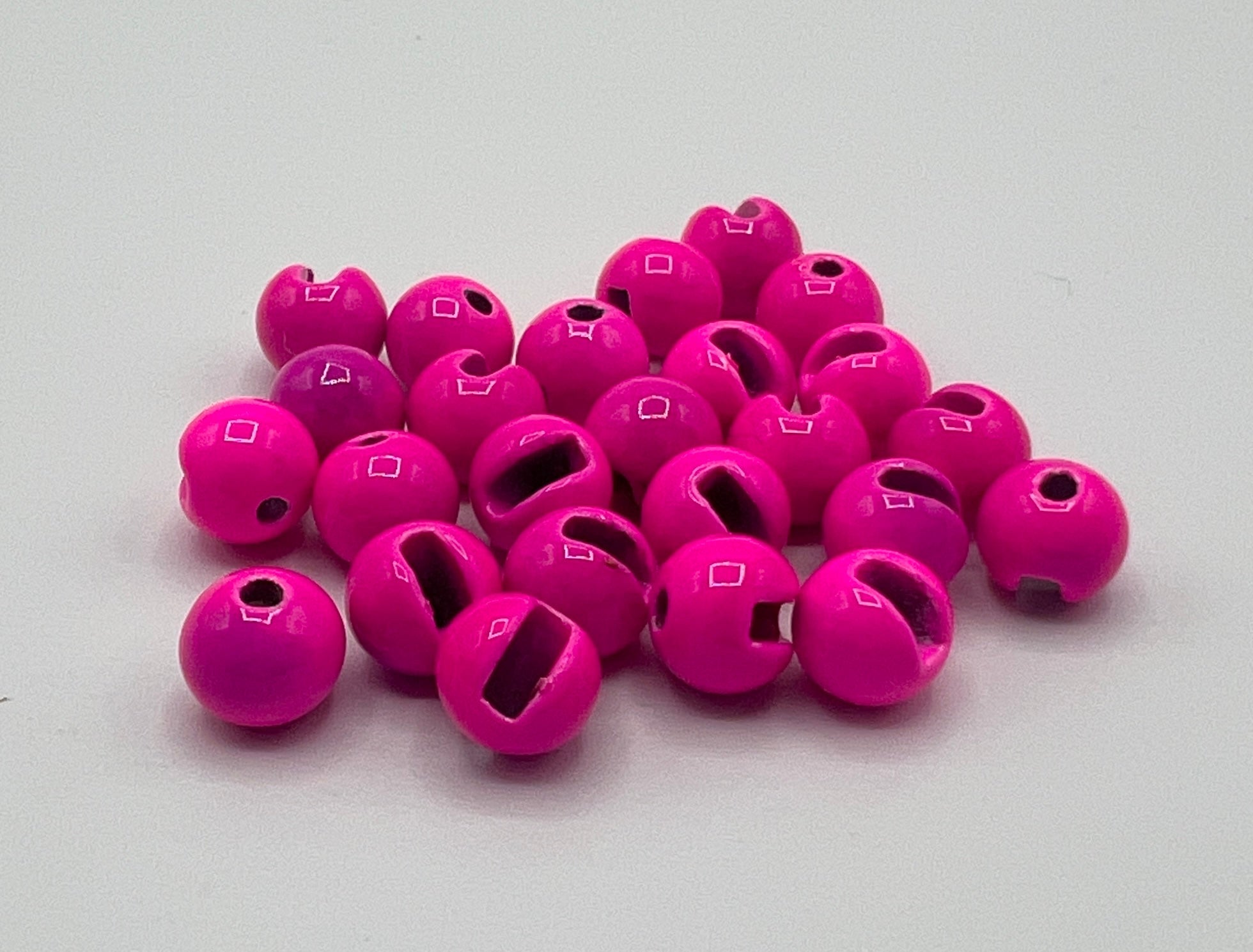
If you're coming to lakes from a river background, expect the transition to feel odd. You're tying smaller, sparser, and more precisely, and hook and bead selection carries more of the weight than fancy feathers do. That's also why beads and hooks are the two things worth spending properly on when you're starting — they're structural, and cheap versions of both will cost you fish.

Free Education Is Everywhere — Use It Before You Buy
Justin made a point in this conversation that I want to underline, because it reflects well on him and it's practically useful: he refuses to charge for education. No paid courses, no gated content — tutorials on the blog and on YouTube, free and accessible.
Take him up on it, and take everyone else up on it too. Before you spend a dollar, watch someone tie the exact pattern you intend to fish. You'll see what materials are actually required versus what's nice to have, you'll see how much of a hackle cape one fly consumes, and you'll get a realistic sense of whether you enjoy tying at all. Which is Justin's other good piece of advice: figure out what's actually fun for you. Maybe fly tying isn't it — maybe you just want to go fishing. Both are correct answers.
And if you get stuck, call a shop. Togens' whole differentiator is that Sherry answers the phone and, if she doesn't know the answer, goes and finds it from their pro staff. That's not a small thing when you're staring at a materials list you don't understand.
Gear
If you want to start with a curated set of materials rather than guessing, the Trout Fly Tying Kit Box gives you hooks and materials matched to specific patterns — exactly the "buy for the pattern, not the possibility" approach above. For a full bench setup, the Stone Creek Deluxe Fly Tying Kit covers the tools side. And our Tips and Tricks for Fly Fishing eBook has a fly tying section aimed squarely at people in their first season at the vise.
Go on a fly fishing trip you'll never forget
We partnered with Frontiers Travel to put you on water that's worth the flight. Tell them where you want to go. Don't wait.
Book a TripFly Fishing Insider Podcast has a referral partnership with Frontiers International Travel. If you book after being introduced through us, we may receive compensation at no additional cost to you.