
Fly Fishing Insider Podcast
Tim Cammisa's rule for euro nymphs is intention: every fiber you add slows the sink rate, so tie slender, use a jig hook and slotted tungsten bead so the fly rides point up, keep a straight taper instead of a carrot taper, and finish with a thin coat of UV resin.
Tim Cammisa is a sixth-grade teacher who runs the Trout and Feather YouTube channel and website, hosts fishing trips to Iceland, and wrote the book Fly Tying for Everyone.
Also on Apple Podcasts · Spotify · YouTube
What makes Iceland's ice-age brown trout grow so big?
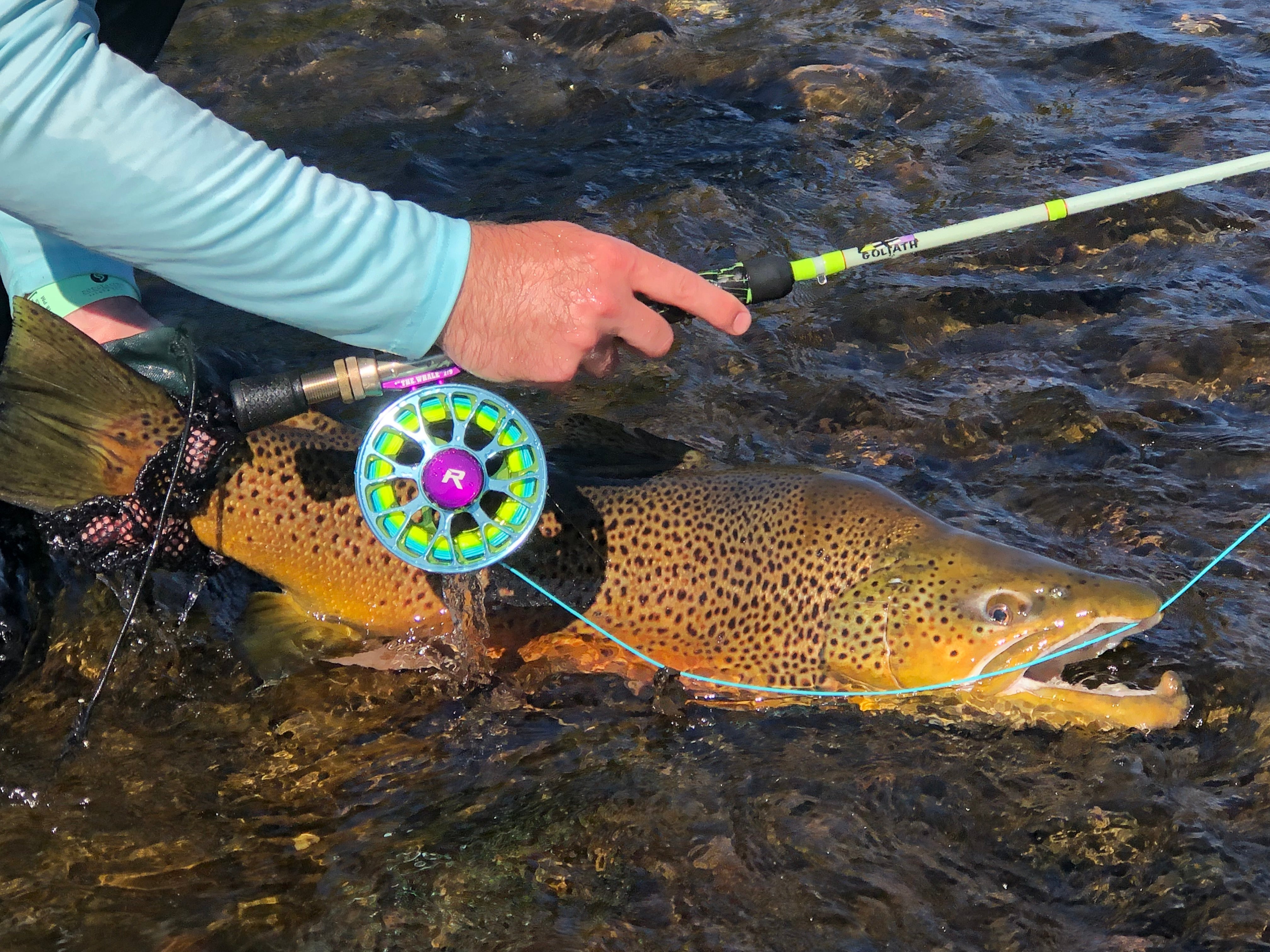
The ice-age brown trout in Iceland's largest lake descend from a sea-run strain that was trapped thousands of years ago. Because those brown trout do not spawn every year, they simply keep eating, and they reach proportions that make a 30-pound fish on a dry fly a real possibility. Tim Cammisa landed one of about nine pounds, pushing 30 inches, on a smaller lake, showed it to the lodge owner, and was told without a flicker of expression that he had caught one of the small ones.
How does fishing access work in Iceland?
Iceland has no posted private signs or spray-painted trees, but much of the water is held under lease, and access runs through whichever outfitter or fly shop holds it. In practice that means booking through an operator to reach the better beats, especially in the highlands. Some leases are flexible enough that a small lake can be rented outright for a 12-hour block, and if you have a rental car you can simply drive there and have it to yourself.
What does tying euro nymphs with intention mean?
Tim Cammisa's central point about euro nymphs is that they look simple and are not. These flies are fished in riffles, plunge pool heads and fast water where they have to reach the bottom immediately, so every extra material, dubbing at the thorax, legs, CDC, a heavy tail, slows the sink rate. He keeps tails to roughly four to six fibers and prefers coq de leon over pheasant tail because it resists tearing, and he pulls fibers back out if the clump looks too full.
Why does a jig hook and slotted tungsten bead matter on a perdigon?
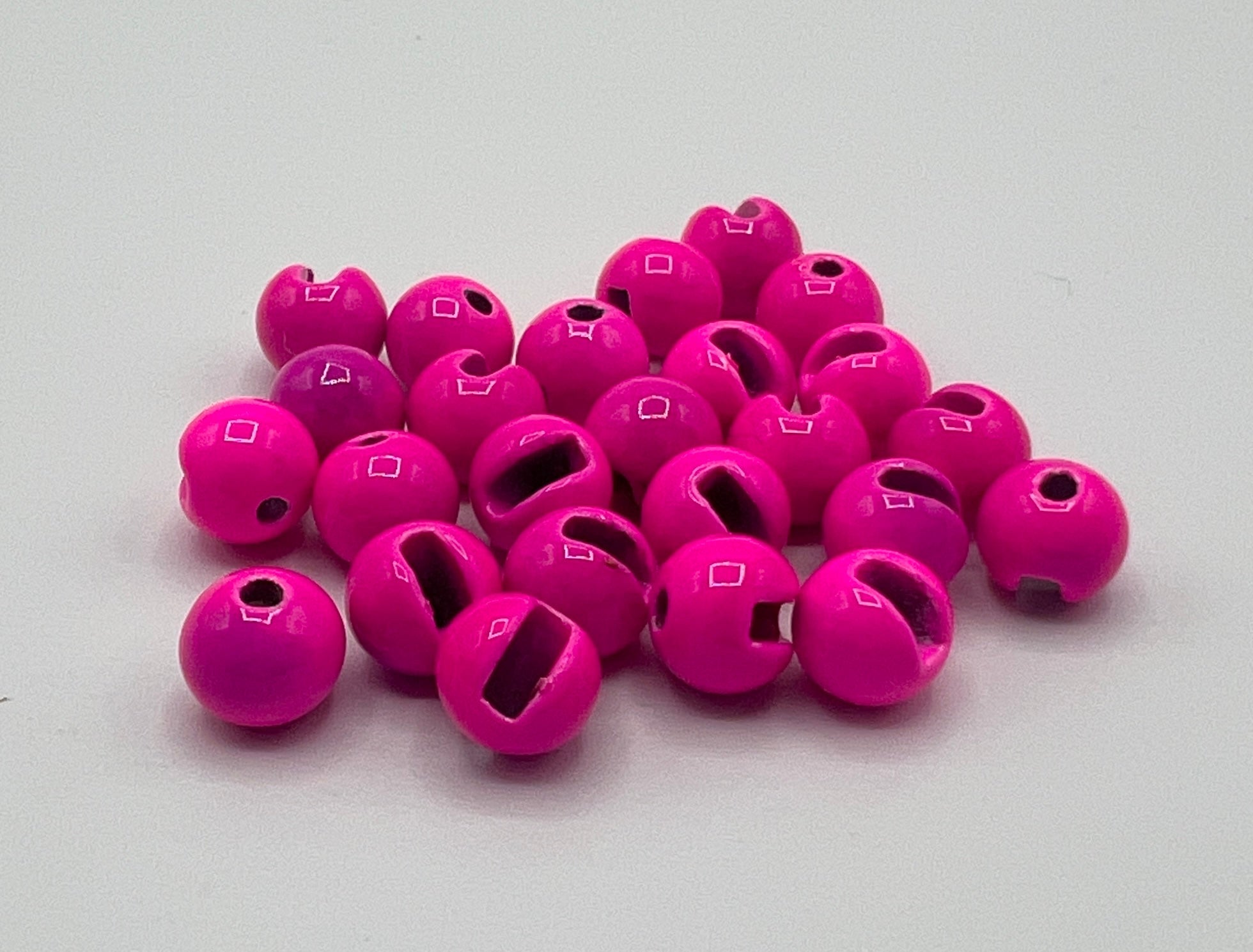
A jig hook has its eye bent and turned roughly 45 degrees, which lets a slotted tungsten bead seat properly and makes the fly ride hook point up so it snags far less. On a perdigon Tim Cammisa runs flat tinsel in a straight taper the whole length rather than the fatter carrot taper many tiers like, because a wider body near the bead resists water and slows the descent. He finishes with a hot spot of fluorescent thread behind the bead, a whip finish, super glue on the thread, and a coat of UV resin thin enough that the fly just looks wet rather than encapsulated.
How do you adapt a euro nymph for a spring creek?
A spring creek has fast water but rarely the near-white water a perdigon is built for, so Tim Cammisa scales down to sizes 18 and 20 and then rethinks the food. Where scuds and cress bugs dominate, he strips the tail off entirely because the naturals have none, and thickens the body slightly to match their shape. That usually means abandoning tinsel for dubbing and fishing a Walt's Worm style fly instead of a perdigon.
Why put CDC on a weighted nymph?
CDC is traditionally a dry fly feather, so a slotted tungsten bead on a jig hook with CDC on it looks like a contradiction. Underwater, though, CDC has enough movement to read as living nymph legs. Tim Cammisa adds a second trick: treat the CDC with floatant before fishing it wet, and the submerged feather traps a skin of bubbles that makes the fly look like a caddis emerger.
How should you fish an X-Caddis to a rising trout?
The X-Caddis is an elk hair caddis with the hackle removed and a short Antron or Z-lon tail added as a trailing shuck, plus a few fibers of CDC tucked directly under the wing. Tim Cammisa fishes it on a leader around 12 feet down to 5X, and uses monofilament rather than fluorocarbon for the tippet because fluorocarbon sinks and drags the fly down. To a fish that is pounding flies consistently he puts the first cast three to six inches off the nose; to a more selective fish he lands it about 12 inches away and lets the drift do the work.
Key takeaways
- Every extra fiber on a euro nymph slows its sink rate, so tie slender and add weight, not material, when you need depth.
- A jig hook plus a slotted tungsten bead makes the fly ride point up and cuts snags dramatically; a second bead behind the first doubles the weight when you need it.
- Skip the carrot taper on a perdigon: a straight taper the whole length of the body sinks faster because it resists less water near the bead.
- Hook size and bead size are independent, and a size 20 jig hook with a 3mm bead can be the winning combination when fish want something tiny but deep.
- Use monofilament, not fluorocarbon, for dry fly tippet, because fluorocarbon sinks and pulls the fly under.
- Check that a larger bead does not block the hook eye or close down the hook gap, or you will lose hooksets you never diagnose.
- When you walk into a fly shop, ask where the fish are sitting rather than what flies are working, then pick patterns that get to that zone.