
The fall fly fishing tips for trout that actually work are simple: fish the warmest part of the day, carry Blue-Winged Olives in sizes 18 to 22, go longer and lighter on leaders in low, clear water, swing or strip streamers for pre-spawn brown trout, leave spawning fish and their redds alone, and dress in layers for 30-degree temperature swings.
Fall is my favorite season on a trout stream, and it isn't close. The crowds thin out, the cottonwoods turn gold, and brown trout start acting like they own the place. But fall also fools people. The water is low and clear, the bugs get tiny and the mornings are cold enough to freeze your guides.
These 12 tips are the adjustments that turn a pretty fall day into a good fishing day. Most of them cost nothing; a few need a fly or two from our fly shop.
- Sleep in. Late-fall trout feed best from late morning to mid-afternoon, when the water warms.
- Carry BWOs. Gray, drizzly afternoons bring the best Blue-Winged Olive hatches of the year.
- Give spawning fish a pass. Stay off redds and don't target trout that are actively spawning.
- Layer up, no cotton. Dress for the cold morning and peel layers off by lunch.
Which Fall Fly Fishing Tips Matter Most for Trout?
Fish the midday window
In late fall, cold nights chill the river, and trout get most active once the sun has warmed it a few degrees. Rolling up at 10 or 11 a.m. and fishing through mid-afternoon often beats a dawn start. Early in fall, when afternoons are still warm, the morning and evening edges can be better; let water temperature, not habit, set your schedule.

Carry Blue-Winged Olives in sizes 18 to 22
Blue-Winged Olives (Baetis mayflies) are the signature fall hatch on many trout rivers, and they love gray, drizzly afternoons. Carry parachutes and emergers in sizes 18 to 22, plus a small olive nymph to fish before the hatch starts. Learn to spot them in Identifying the Blue Winged Olive Hatch, then read How to Fish a BWO Pattern.
$8.49 Shop Now
Go longer and lighter in low, clear water
Fall flows are often the lowest of the year, and trout can see everything. Stretch your leader to 10 to 12 feet, drop to 5X or 6X tippet for small dries and nymphs, and cut weight so your flies drift naturally instead of plowing the bottom.
Treat low water as practice, not a lost cause. South Platte guide Pat Dorsey told the podcast that if you wait for ideal conditions, you may never fish. In low, clear water he adapts: smaller flies, lighter tippet, drab clothing, careful wading and making every cast count. Fall low water is the perfect place to build those skills.
Slow down and stay low
Low water and bare banks leave you nowhere to hide. Approach from downstream, keep your profile low, wear muted colors and make your first cast count before you wade in. Your shadow on the water spooks more fall trout than a bad fly does.
Keep a hopper on until the first hard frost
Grasshoppers, ants and beetles keep falling into the water well into early fall, especially on windy, sunny afternoons along grassy banks. A hopper with a small nymph dropped below it covers both levels. Once hard frosts arrive, switch your attention to BWOs, midges and streamers.
How Should You Fish Around Spawning Brown Trout?
Leave spawning fish and their redds alone
Brown trout and brook trout spawn in the fall, and redds look like oval patches of clean, light-colored gravel, often in shallow tailouts. Walking on redds crushes eggs that won't hatch until spring, and pulling spawning fish off their beds stresses them and exposes the eggs. Watch where you step, wade around light gravel, and don't cast to fish that are actively spawning; in some places, disturbing redds is also illegal.
We go deeper in Preserving Brown Trout Spawning Beds and Understanding Trout Spawning.
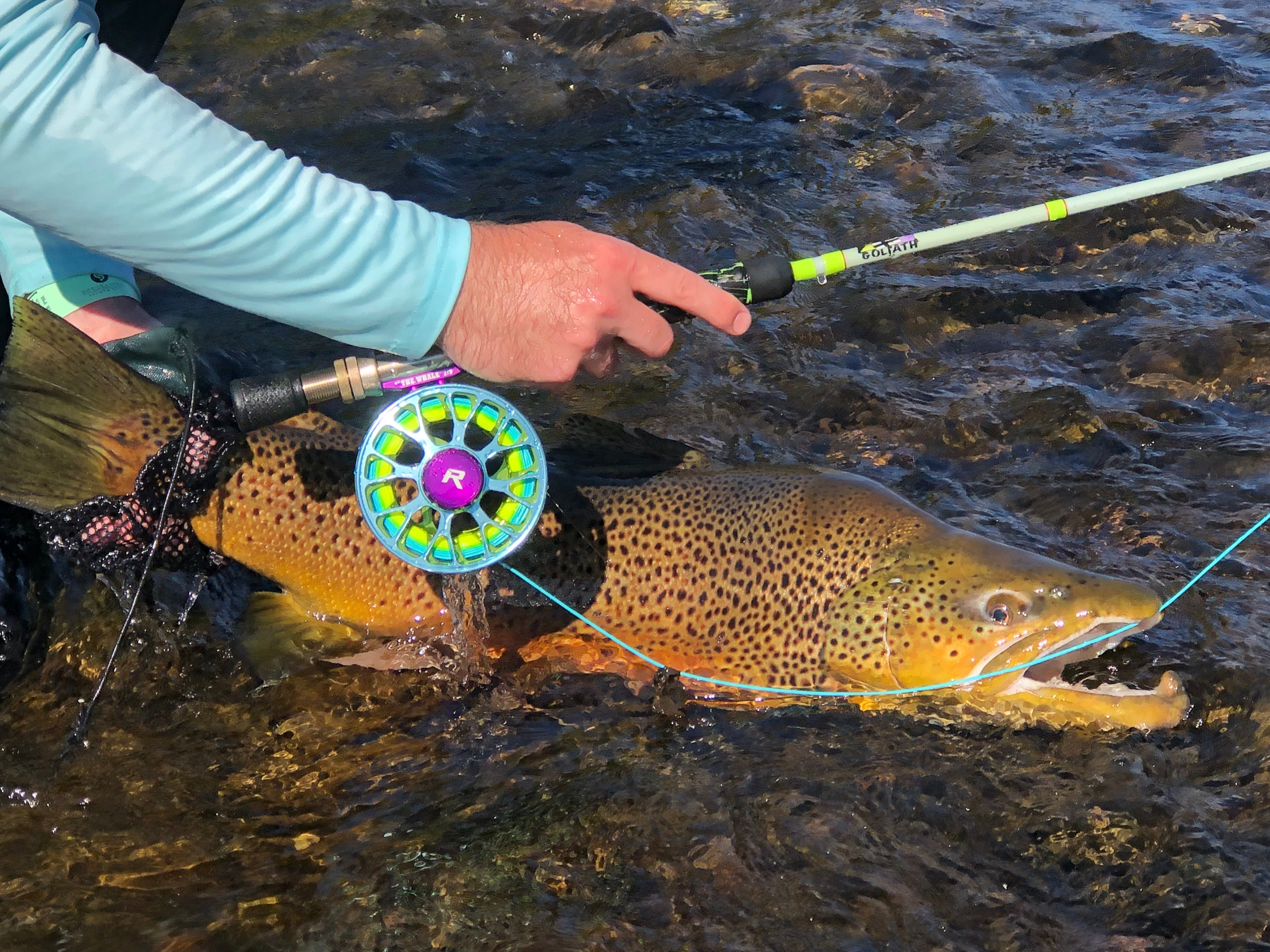
Target pre-spawn browns with streamers
Before and around the spawn, brown trout get aggressive and territorial, and a streamer stripped or swung through deep runs and undercut banks triggers that attitude. Fish the deeper water away from the gravel. For fly size, see Big Streamers for Big Browns, and browse our streamer fishing products.
Go dark on dark days
Simeon Myers, who hunts trophy browns on Pennsylvania limestone streams, said on the podcast that he targets bad weather and fishes black almost exclusively when the water colors up, because it shows up best. His full tip is in the guest tips roundup.
Downsize the streamer when fish only follow
Jake Chutz of Montana Fly Company shared a simple fix for fish that chase but won't eat: switch to a smaller version of the same pattern and keep the same retrieve. It's in the Rocky Mountain West tips roundup.

Land them fast and keep them wet
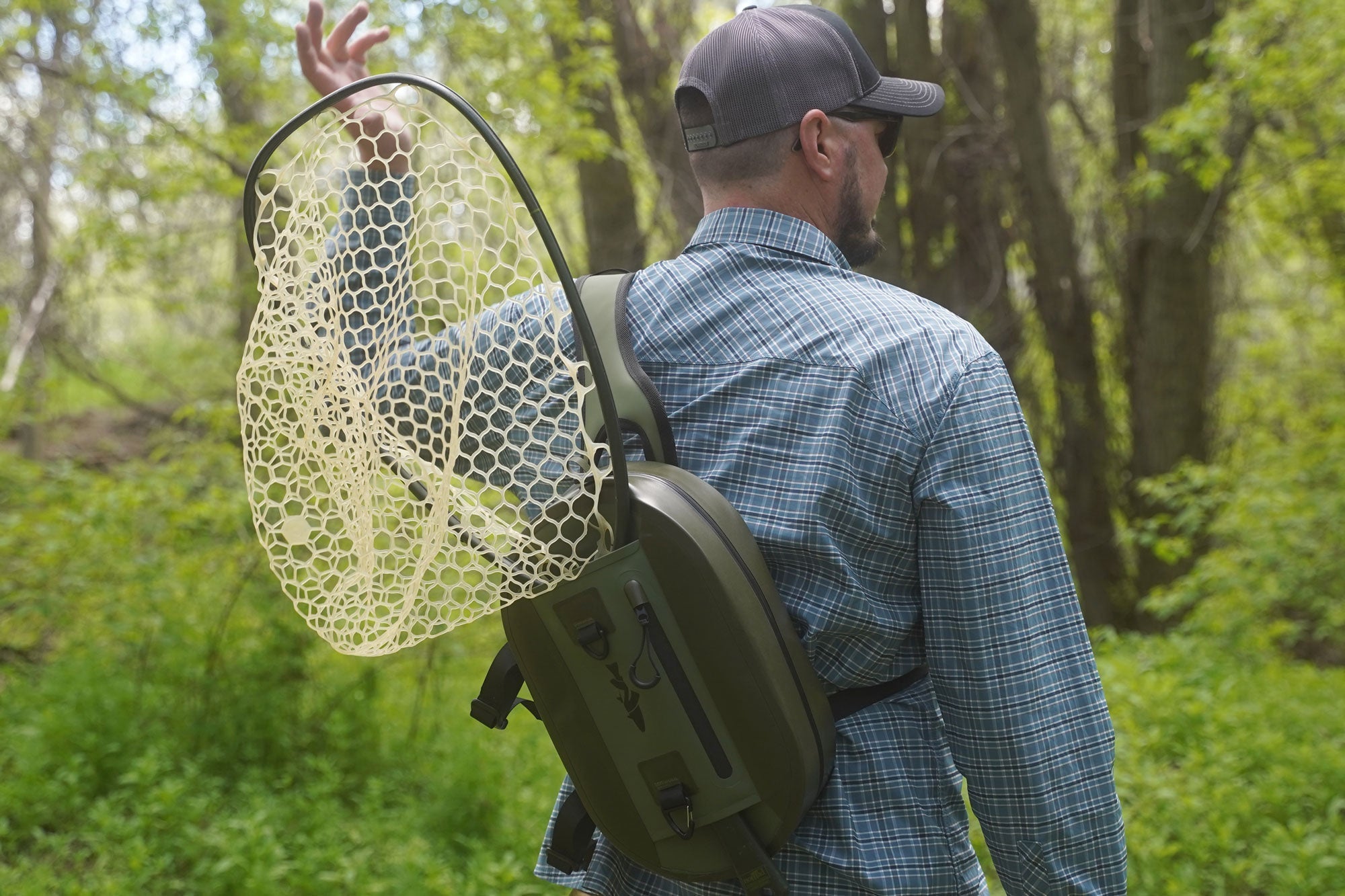
A big fall brown is carrying the next generation, so play it firmly, net it quickly and keep it in the water while you unhook it. A rubber-bag net like the Rising Brookie makes that easier on the fish. More on this in Fall Browns Are Moving, and That Changes How You Let Them Go.
Starting from $159 Shop Now
What Should You Wear Fly Fishing in the Fall?

Layer up for a 30-degree swing, and skip cotton
Fall mornings can start near freezing and end in a T-shirt. Start with a synthetic or merino wool base layer, add fleece or a light insulated layer, and top it with a waterproof shell. Cotton holds water and pulls heat away when it gets wet. Thin liner gloves keep your fingers working on cold guides, and a dry change of clothes in the truck is cheap insurance. Browse our apparel collection for layers.
$19.99 Shop Now
Respect slick rocks and short days
Fallen leaves and algae make fall rocks slick, and the light disappears earlier than you think. Cinch a wading belt over your waders, use a wading staff in unfamiliar water, carry a headlamp and plan to be walking out before dark. Cold water is less forgiving if you go in, so cross where you can see the bottom. Our 7 Best Fly Fishing Waders guide covers the gear side.
Last October my buddy Paul and I spent a whole gray afternoon on one long riffle, trading off BWO dries and a small streamer. We stepped around three redds on the way in and never cast to them. The fish we did catch came from the deep run below, right where they should have been.
Frequently Asked Questions
Is fall a good time to fly fish for trout?
Yes, fall is one of the best times to fly fish for trout. Crowds thin out, Blue-Winged Olive hatches peak on cloudy days, and brown trout feed aggressively before they spawn. The trade-offs are low, clear water and cold mornings, so fish lighter tippet and dress in layers.
What flies work best for trout in the fall?
The best fall trout flies are Blue-Winged Olive dries and nymphs in sizes 18 to 22, terrestrials like hoppers and ants until the first hard frost, midges on cold days and streamers for pre-spawn brown trout.
What time of day is best for fall fly fishing?
In late fall, the best time of day is usually late morning through mid-afternoon, when the sun warms the water. Early in the fall, when afternoons are still hot, mornings and evenings can fish better.
Should you fish to trout on redds?
No, you should not fish to trout that are actively spawning on redds. Stay off the clean gravel patches entirely, since stepping on them crushes eggs, and fish deeper water away from the spawning areas instead.
Tight lines, everyone!
Want more fall and winter tactics in your inbox? Join the FFIP newsletter for tips from our guests that help you catch any fish, any time, and anywhere.
Join freeShow us your fish on Instagram @flyfishinginsiderpodcast