
Episode 31 is one of my favorites because we recorded it live, at the lodge, with fresh silver salmon sizzling on the grill. We'd just come back from a fly-out where our group had doubles on most of the day and one triple, and the owner of All Alaska Outdoors Lodge, a longtime bush pilot and guide who has flown dozens of fly-outs every summer for two decades, sat down to talk about how Alaska trips really work. If you're dreaming about Alaska, this is the conversation to listen to before you book, because the single biggest decision you'll make is when to go.
The Alaska Season, Month by Month
Our host laid out a calendar that's worth keeping in your back pocket. Exact dates shift with every run and every water year, but the pattern holds:
- June: the best weather of the season, great Dolly Varden fishing, and tremendous bear viewing.
- Around July 1: sockeye arrive in numbers. This is when anglers who want to fill a cooler show up, and late July into early August is the heart of the sockeye meat fishery.
- By August 1: brown bears pile into feeder creeks to eat sockeye, and you can watch them up close, then walk to an outlet river and fish for Dollies feeding behind the spawners.
- Mid to late August: silvers start showing well. In a normal rainfall year he begins seeing limits around the third week of August.
- First week of September: peak silver fishing, and it can extend into early October. Later fish start coloring up, so you'll release more of them while you hunt for a bright one.
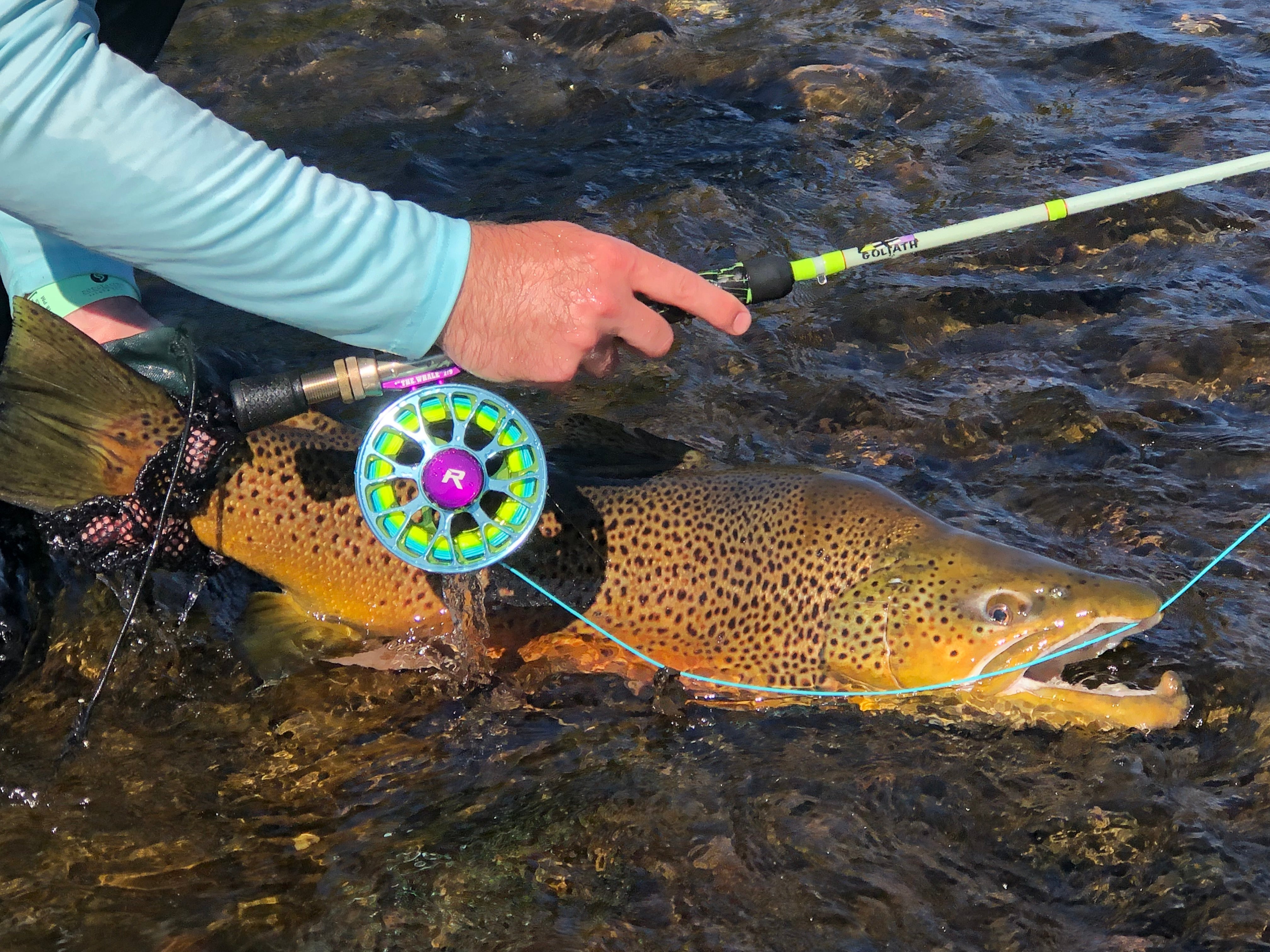
The tradeoff is weather. He ranked June first, July second, August third, with September the most unpredictable. A September storm can ground the planes for days and leave you fishing the river. That same window, though, is your best shot at the biggest rainbows of the year. Guests had landed fish over 30 inches the week we were there, on 8-weights, and he was the first to admit those giant rainbows break a lot of hearts.

How a Fly-Out Day Works
A lot of operations do drop-offs: the plane drops you at a river and leaves to keep flying. This lodge runs what they call an all-day expedition, where the plane stays with the group and makes multiple stops, so you can fish several species and see a ton of country in one day. On our trip that meant bears, mountain goats, Dall sheep, harbor seals, bald eagles, and a river full of silvers.
The behind-the-scenes piece surprised me. Fly-outs, halibut trips, and river days are all scheduled around each other and around the weather, so the lodge is constantly solving a puzzle. They watch the long-range forecast and move your big fly-out to the best weather day. If weather cancels it outright, you're typically offered a refund or a swap to a river trip. Go in flexible. The guests who have the best Alaska trips are the ones who let the lodge play the weather for them.
Two Ways to Fish: Strip for Silvers, Drift for Trout
Most Alaska rivers in late summer hold sockeye, silvers, and pinks spawning together, and that gives you two distinct games.
Silvers: cast and strip streamers. Silvers are aggressive when they're on, but our host called them weird fish, and he's right. He's had days with hundreds of fish in front of him that wouldn't touch a fly, and days like ours when everyone was hooked up at once. When they won't eat, rest the pool, change the speed of your strip, and keep moving to fresh fish rather than pounding the same school.
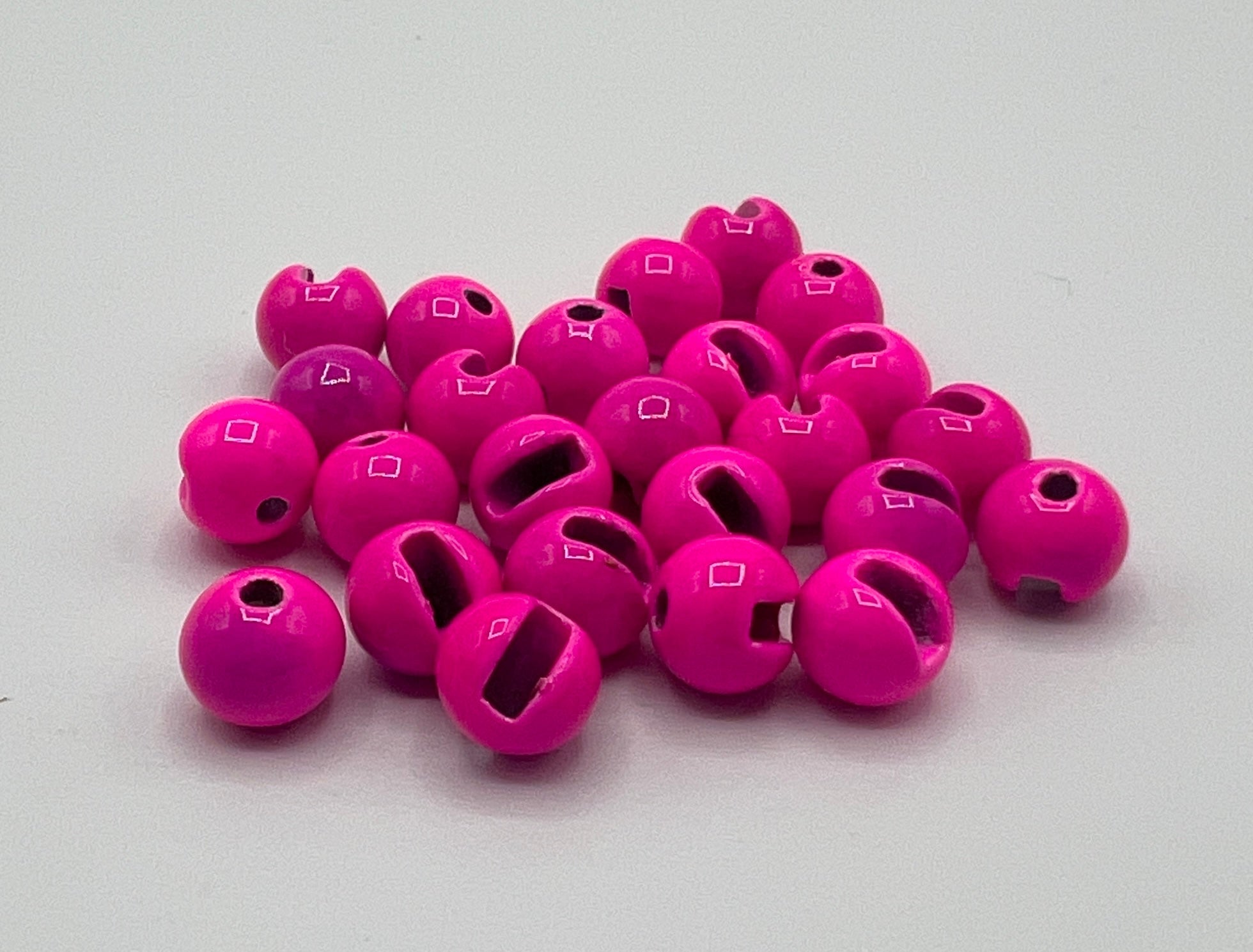
Rainbows and Dollies: dead drift. Trout sitting behind spawning salmon are eating eggs and pieces of decaying salmon flesh, so you drift flesh flies, beads, or his favorite combo, which he calls steak and eggs. Tie on a flesh fly as your hook, then peg a bead about an inch and a half above it. The fish gets both menu items in one drift. Before you rig this way, check the current regulations for the water you're fishing. Many Alaska waters have specific rules about how far a pegged bead can sit from the hook.
Gear
Alaska mornings start early and cold, and nothing beats a hot coffee before the floatplane warms up, so pack an FFIP Anglers Coffee Mug for the cabin. A warm layer like our Brown Trout Hoodie earns its spot under a rain shell on a gray day. For the 8-weight, a sink-tip for silvers, beads, and flesh flies, visit your local fly shop or ask the lodge what's working that week. They'll know the bead sizes and colors the fish are keyed on better than anyone.