
Idaho, much like Montana, is a revered destination for fly fishing enthusiasts, boasting a rich tapestry of rivers and fish species. Its waterways have been fished for centuries, first by Native American tribes and later by European settlers. The state offers a diverse range of fishing experiences, from large, famous rivers to smaller, intimate streams. The sheer amount of water available in the state is almost unfathomable for a western state.
Below is a table representing the top fly fishing rivers in Idaho, including historical notes, fishable miles, trout species, and fish counts per mile. These data points offer a snapshot and are subject to change based on environmental and ecological conditions. Don't let the fluctuation deter you — the numbers are close enough to give you an idea of the water quality available to you.

It is always best to consult local fly fishing reports or outfitters for the most current data. Environmental conservation efforts, seasonal changes, and specific fishing regulations can also have an impact on the experience. Some rivers have specific sections that are particularly famous for fly fishing, and those sections may have higher fish counts than others.
Idaho is a treasure trove for fly anglers, renowned for its pristine waters, impressive fish populations, and the wild, untouched beauty of its natural landscapes. The state has become well known for its variety of high mountain streams and spring creeks, and lately popularity has grown around the irrigation diversions. Here are the compelling reasons why Idaho is an exceptional choice.
Idaho fishing quality
- Renowned rivers. Idaho boasts some of the most fabled waters for fly fishing, including the Henry's Fork of the Snake River, Silver Creek, and the Clearwater River. These and other Idaho rivers are celebrated for their world-class trout fishing. I can't recommend Silver Creek enough — every angler should have a chance to experience that fishery in their lifetime.
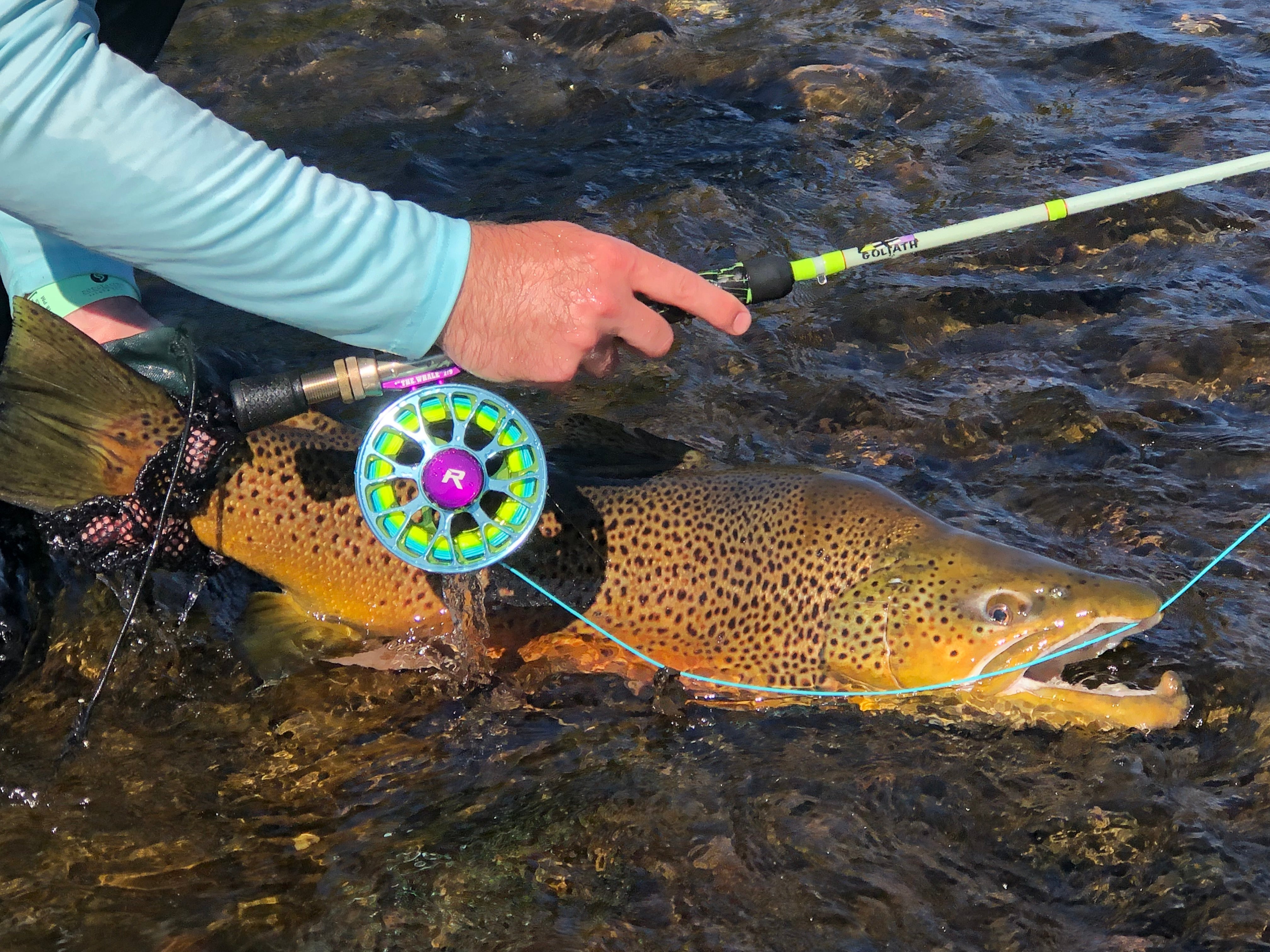
- Diverse fish populations. Anglers can target a variety of trout including rainbow, brown, brook, and the sought-after native Westslope cutthroat and bull trout. Idaho also has strong runs of anadromous fish like steelhead and chinook salmon in certain rivers, providing an added challenge. Idaho is certainly one of the more diverse inland fisheries in the country.
- High fish counts. Many of Idaho's rivers and lakes have high fish counts, offering abundant opportunities. For example, the South Fork of the Snake River is renowned for its high density of brown and rainbow trout. That said, don't sleep on the cutthroat. They're abundant as well, and sight fishing to them in the side channels of the Snake can be an absolute blast. I recall fishing with my friend Todd, where we pulled our personal pontoons into a small side channel that wouldn't allow a standard drift boat to fit. After pulling over and wading we found several pods of cutthroat to target with technical sight fishing techniques. What a blast that was, watching fish eat our nymphs underwater.
Want more on that river specifically? Read the South Fork Snake River tactics guide.
Nature observation quality in Idaho
- Wilderness access. Idaho's vast wilderness areas, such as the Frank Church-River of No Return Wilderness, provide a backcountry experience that is increasingly rare in the contiguous United States, allowing anglers to immerse themselves in nature. The Sawtooth Mountain valley into Stanley, Idaho is another specimen of Idaho that can make just about anyone's jaw drop.
- Abundant wildlife. While fishing, one might spot elk, moose, deer, mountain goats, black bears, and even wolves. The state's waterways are also home to an array of waterfowl and bird species, such as eagles and osprey. Although it is rare to see a mountain lion, they are there. I once camped alone in Idaho and woke in the middle of the night listening to the most god-awful screaming I had ever heard. After researching I found it was a mountain lion scream, which I'd never heard before. If you want to be terrified, give that a listen on a dark lonely night.
- Scenic beauty. Idaho's dramatic landscapes, from the Bitterroot Mountains to the rolling hills of the Palouse, provide a stunning backdrop for any fishing expedition. Its clean, clear waters reflect the state's commitment to environmental preservation.

Statewide support in Idaho
- Fishery management. The Idaho Department of Fish and Game actively manages fish habitats and stocks, ensuring healthy fish populations and sustainable angling opportunities. They've done such a tremendous job with bull trout that it is legal to target them in Idaho because of their thriving, rejuvenated population — also a true sign of the water quality the state maintains.
- Public access. Idaho offers excellent access to its rivers and lakes, with numerous public rights-of-way and boat launches. The state also maintains a program to improve angler access to private lands through agreements with landowners.
- Angler resources. With extensive resources available to both novice and seasoned fly anglers, including detailed river guides, hatch charts, and educational programs, Idaho is committed to supporting its angling community. The various shops of Idaho are also some of the more welcoming I've experienced. They regularly treat fishing as a fun, family, and learning experience to be shared with visitors.
Statistics on anglers visiting Idaho
Idaho is recognized as a premier destination for fly fishing. While exact numbers for visiting anglers vary annually, the state consistently draws a significant number of non-resident fishing license purchasers. Fly fishing tourism is a substantial part of Idaho's outdoor recreation economy, and it's not uncommon to encounter anglers who have travelled from afar to experience Idaho's famed fisheries. One thing that's nice about Idaho is the proximity of so many waterways. Don't overlook the small creeks that don't appear on this list — experience the classics and find several blue-lining gems along the way.
The state's fishing resources are not only a boon for local economies but also for conservation efforts. Money from license sales and fishing-related tourism helps fund habitat restoration, fish stocking, and conservation projects. On the conservation and safety side, always wash and rinse your gear to stop contamination between waterways.
Idaho's combination of high-quality, diverse fishing, opportunities for solitude and wildlife observation, and robust state support makes it a top-tier destination. For those seeking the quintessential Western fly fishing experience, Idaho offers some of the best opportunities in North America.
Fishing Idaho with a guide
Idaho's famous water fishes very differently week to week, and a lot of the best access is float-only. A day with someone who runs it constantly is the fastest way to learn a new river. Our Certified Guides & Lodges are operations we know personally and stand behind.
If you're planning something bigger — a full destination week, or somewhere that needs flights, lodging, and guides coordinated together — the Book a Trip page covers that through Frontiers International Travel.
Generalized packing list
When you visit Idaho for fly fishing, here are a handful of items I recommend bringing with you so you can have a great trip.
- Waders. Wet wading can happen in certain months, but waders are a must-have because of the weather fluctuation. The Whetstone II Chest Wader is a solid all-rounder, the Women's Whetstone is cut properly for women, and the MERIDIAN Z adds a front zip. Don't forget a wading belt.
- Socks. Get good thin wool socks that will keep you warm and comfortable. The Minus33 Lightweight Over The Calf Wool Socks are exactly right — thin, so your foot has room and circulation can keep it warm.
- Bottom layer. A nice thin layer keeps you warm and your bulk down during the day. The Chugach Zip-Off 3/4 Bottoms avoid bunching inside a boot, or go full length with the Midweight Wool Bottom.
- Top layer. Thin layers give you a good base to stay cool and add to. The Midweight Wool Long Sleeve Crew or, for women, the Heavyweight Wool 1/4 Zip.
- Puffy jacket. During morning and evening these are clutch, and when a cold spell hits you're prepared and comfortable. The Deckhand Puffy Jacket, or the warmer FORLOH ThermoNeutral Down Hooded Jacket.
- Rain shell. Mountain weather turns fast. The packable Frogg Toggs Cascades Pack Jacket lives in a bag, and the Whetstone Waterproof Wading Jacket has the wrist gaiters that stop water running down your sleeves.
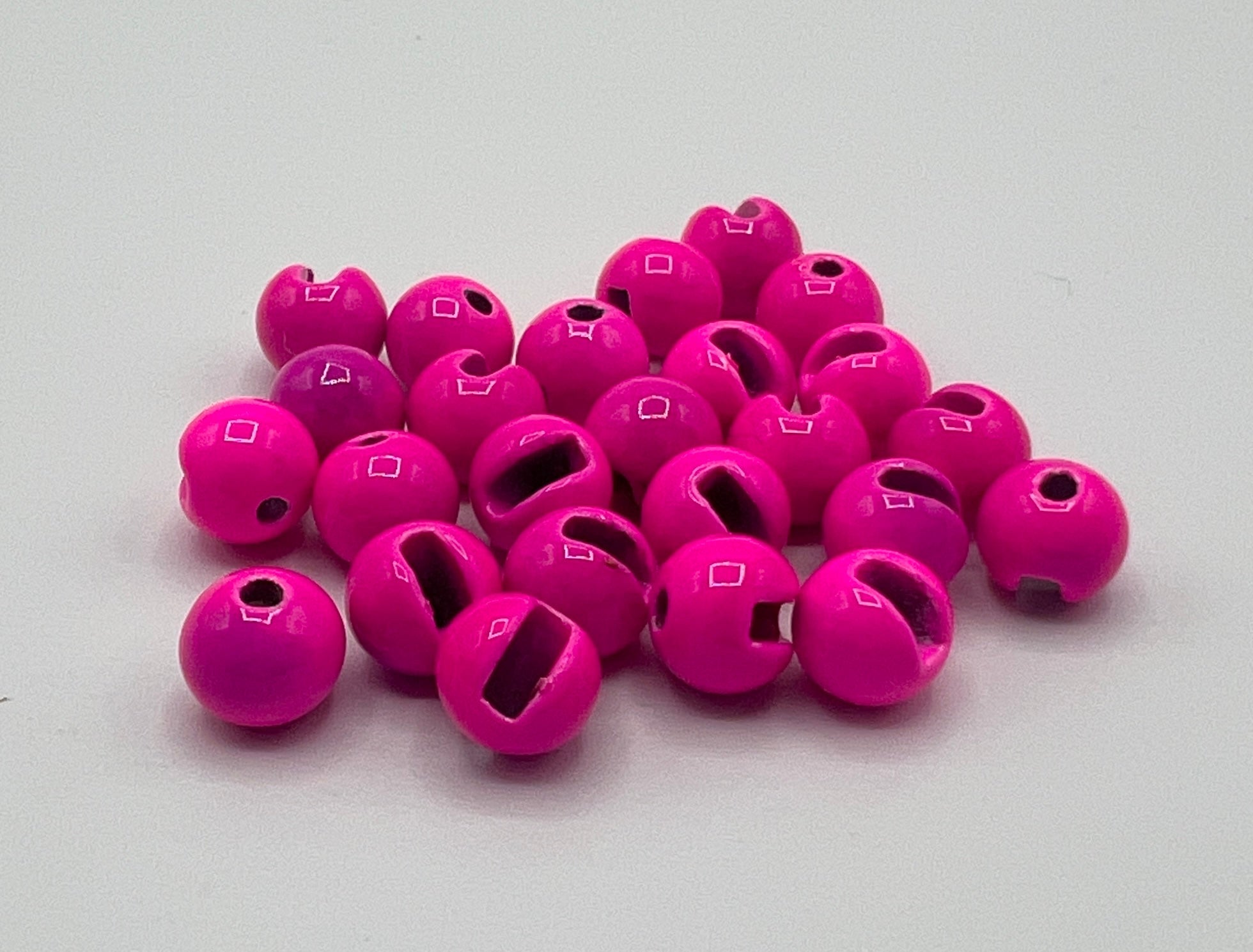
- Flies. Have a good assortment of basics and you'll be fine. The Postfly First Cast Beginner Trout Assortment is 30 flies covering the patterns that work almost anywhere, and the Fly Rod Chronicles Classic Trout 12pk rounds out a box nicely. Sight fishing cutthroat in the side channels? Bring the Basics Bead Head Nymph Assortment. Browse all fly pattern assortments.
- Rod and reel. Bring your own or pick up a matched set. Here is a guide to selecting one, or go straight to the rod and reel combos.
- Net. Netting by hand is fun and all, but a net takes the stress off. Since you're travelling, a compact one is the ticket — the Rising Brookie Net is short and fits in a bag easily, and the Lunker Net gives you more reach.
- Wading boots. Don't mess around. The Slate Felt Sole Wading Boots grip slick rock well — just check Idaho's current regulations on felt before you travel, since rules vary by state and change. And wash them between waters regardless.
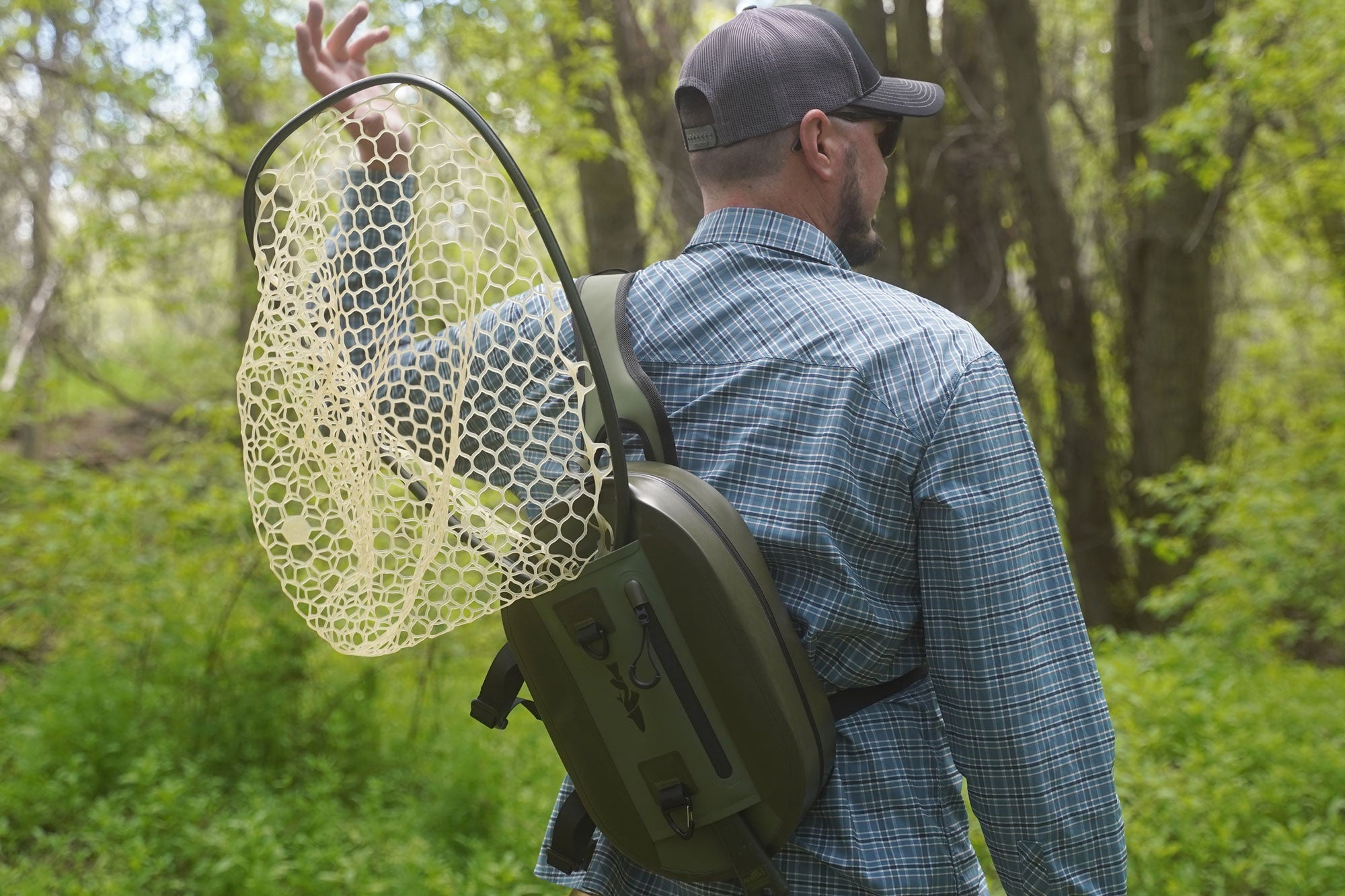
- Fishing pack. A small pack is nice for a few extra layers based on weather, and for a camera. The JHFLYCO 27L Waterproof Backpack keeps everything dry, and a Deluxe Fishing Vest is the alternative if you'd rather have it all in front of you. This is such a preferential thing and I've yet to find one that's perfect for all occasions.

Plan your trip: See our Idaho Location Details page for guides, seasons, regulations and tips.
Book the season you actually want
The best weeks go first, and the difference between a good trip and a great one is usually timing. Tell us the season you want and we'll find the water that fishes then.
Book a TripFly Fishing Insider Podcast has a referral partnership with Frontiers International Travel. If you book after being introduced through us, we may receive compensation at no additional cost to you.

By Christian Bacasa
Host of the Fly Fishing Insider Podcast
ffipodcast.com
@flyfishinginsiderpodcast
@dupeafish
Watch on YouTube