
Most of us learned to nymph the same way: tie on a bobber, hang two flies under it, lob it upstream, and watch. It catches fish. It catches a lot of fish, actually, which is exactly why it takes so long to notice the water it can't fish at all. In this episode, competitive angler Devin Olsen walks through the specific failure — and it isn't about the flies.
The rig is bigger than the water you're fishing
Here's the thing Devin points out that reframed it for me. On a lot of freestone rivers, the fish are sitting in seams and pockets that are genuinely small — a slot behind a boulder that's two feet wide and six feet long. Your indicator rig is not two feet wide and six feet long. Between the bobber, the sag in the leader, the split shot, and the two flies trailing behind, you're asking an assembly that's eight or ten feet of moving parts to behave itself inside a target the size of a bathtub.
It doesn't. The indicator lands in one current speed, the shot sinks into another, and the flies get dragged through the pocket at a speed no real insect is traveling. Devin's description was that the rig has inherent faults for that water — not that it's rigged wrong, but that it is the wrong shape for the job. He spent a long time blaming fly selection before realizing the drift was the problem the whole time.
The practical test is simple and you can run it today. Pick a pocket you think holds a fish. Watch your indicator through it. If the bobber is still accelerating or decelerating relative to the bubbles on the surface when it exits the slot, your flies never fished that slot — they were being towed through it.

Why a tight-line rig fits where a bobber doesn't
The reason euro nymphing works in that water has nothing to do with it being fancier. It's that the whole system collapses down to a much smaller footprint. You're holding the sighter more or less over the flies, so there's no belly of line sitting in a different current than the flies are. You lead them through the slot at the speed you choose instead of letting three different current speeds argue about it.
That's also the honest limitation. Tight-line rigs need you close — you're fishing a rod length or two of water, not casting across the river. If the pocket is forty feet away you have a wading problem before you have a rigging problem. Devin is clear that this is a tool for a water type, not a replacement for everything.
The three-pass system for working a run
The part of this conversation I've actually used the most is the sequencing. Rather than picking one presentation and committing, Devin works a piece of water in passes, from least invasive to most:
Pass one — dry-dropper. Start with the presentation that disturbs the least. A dry with a short dropper covers the top of the column and any fish that are looking up, and it doesn't put a bunch of tungsten through the pool announcing your arrival.
Pass two — nymph it deep. Now go back through with a proper weighted rig and fish the bottom third, where most of them actually are. You've already taken the easy fish off the top, so anything you move now is a fish you wouldn't have gotten on the first pass.
Pass three — show them something different. Only after the first two does he consider swinging or pulsing a streamer on the tight-line rig. This is deliberately last, and the reasoning is worth sitting with: once you've pulled a streamer through a pool and gotten fish to react and scatter, you've spoiled it for careful nymph fishing. You can go streamer-to-nymph in the wrong order and burn a run you hadn't finished.
That ordering costs you nothing and it's the single easiest thing in this episode to start doing tomorrow.

Match the drift, not the hatch
One more idea worth stealing. Devin's approach to fly selection leans on what's actually in the drift rather than what's flying around. Bugs in the air have already left; bugs tumbling in the current are what the fish are eating right now. Turning over rocks — or pumping a stomach when it's appropriate — tells you about the drift specifically, and that's the population your nymph is competing against. It's a small distinction that changes which box you open.
Gear
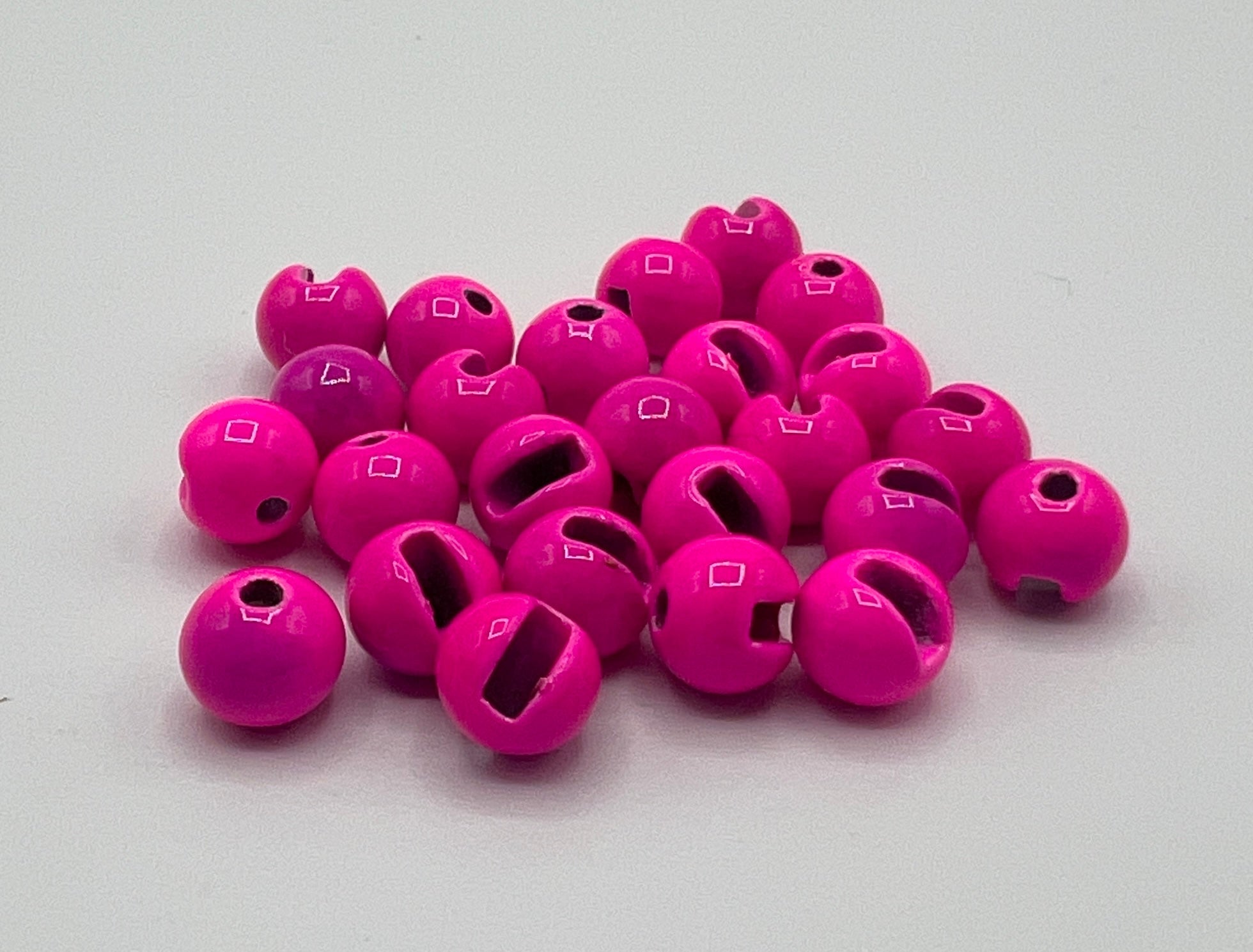
I'll be straight with you: the things that matter most for this style — a proper sighter section, a spool of tippet ring material, and a handful of genuinely heavy tungsten beadheads in a few sizes — aren't things we stock. Get those from your local fly shop, and ask them which weights actually sink in your home water, because that answer is local and they'll know it better than I will.
What I can point you to: the Tips and Tricks for Fly Fishing eBook covers the rigging and leader-building fundamentals that this whole approach sits on top of, which is useful if tight-line rigs are new to you. And if you're going to be standing in cold freestone water working pockets in October, the Brown Trout Hoodie has earned its place in my truck.