
Some trips change how you fish. The Amazon changes how you think about fishing. On this episode I sat down with our guest John, a longtime friend and my co-author on Fly Fishing for Leadership, who has made roughly five trips into the Amazon basin. We talked rigging for toothy, powerful fish, why he swears by travel rods, and what he saw from the air that has stuck with him ever since. Here's what I took away, and how to use it if a jungle trip is on your list.
One Trip, Many Species, Many Techniques
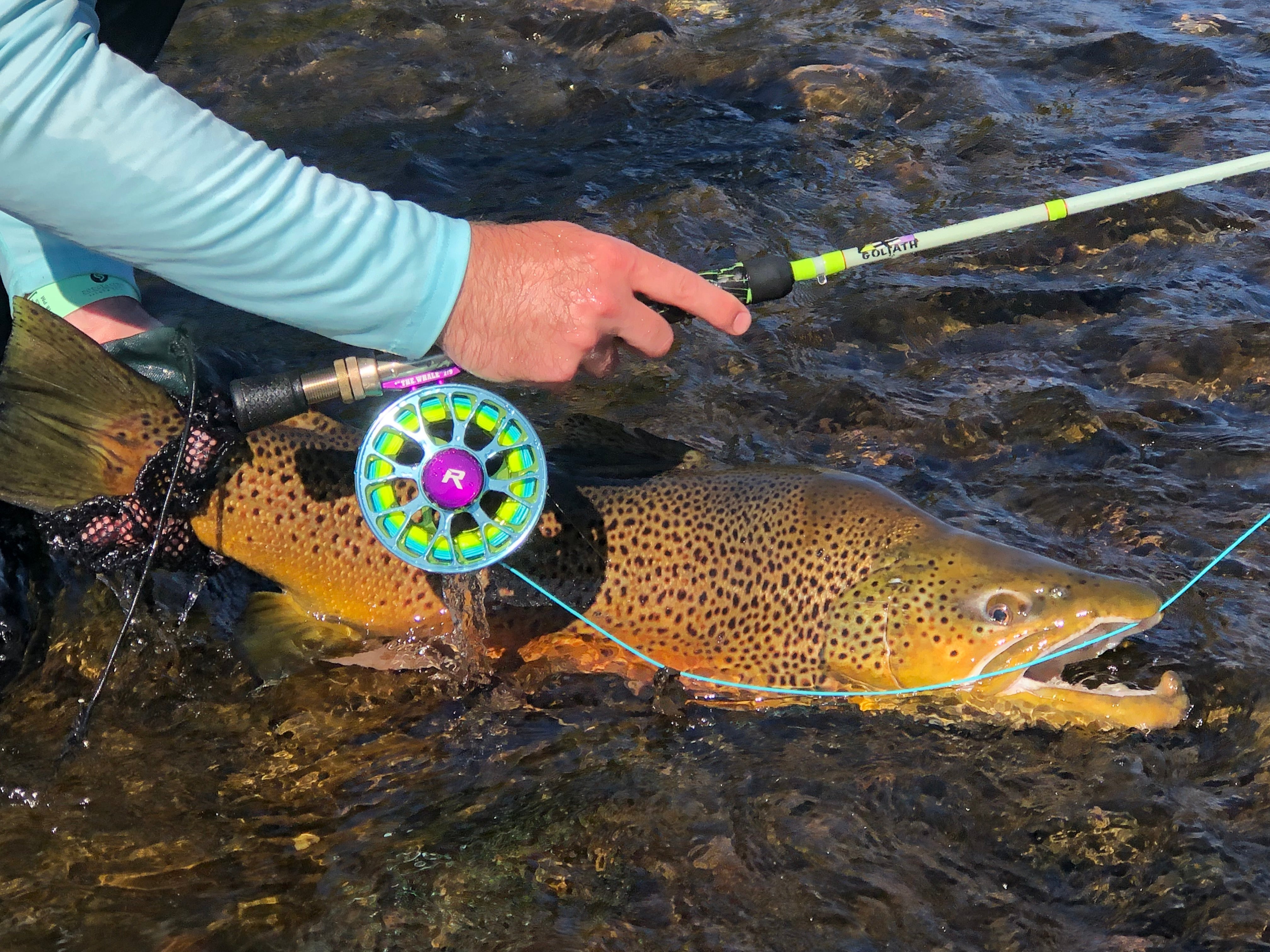
The hardest part of Amazon fishing isn't any single fish. It's that you might target half a dozen or more species in a week, and each one wants something different. John described cycling through streamers, topwaters, and midwater presentations depending on what you're after: payara with their outrageous fangs, golden dorado, peacock bass, and pacu, the big round cousin of the piranha. Some of these fish have long, tooth-lined snouts and huge paddle tails, and they jump, run, and do things a trout angler has never had to deal with.
The practical lesson: don't pack for one fish. Pack for a range of water columns. Have floating and sinking options, a box split between surface bugs and weighted baitfish patterns, and the mindset that you'll be relearning your approach every day. A good jungle guide team will steer you, but the angler who adapts fastest catches the most.

Rigging for Teeth and Heat
The terminal setup John described is simple and stout. At the business end, run a bite wire of roughly 30 to 40 pounds, about 18 inches long. Behind that, a 40 to 60 pound leader section. These fish are strong enough that light tippet simply isn't part of the conversation, and anything with teeth will cut mono in a heartbeat.
Line choice matters too. In equatorial heat, a standard fly line can go limp and sticky. Tropical, hot-weather lines built for these conditions keep their stiffness and shoot cleanly. If you're putting together a jungle kit, that's one place not to cut corners.
- Bite wire: 30–40 lb, about 18 inches
- Leader: 40–60 lb section behind the wire
- Line: tropical or hot-weather taper that won't wilt in the heat
- Rod: an 8-weight handled everything John threw at it
The Case for Travel Rods
John's tip for this episode was one I didn't expect: fish a travel rod. On a remote trip you might fly into a big river city, take a small plane to a dirt airstrip, then ride hours by boat to camp. A standard four-piece 9- or 10-foot rod tube often means paying for a second checked bag, and those fees add up in both directions. A multi-piece travel rod packs into your main luggage or carry-on.
The usual knock is that travel rods are fragile and break at the joints. John's experience says otherwise. He has landed big, toothy fish in Africa and the Amazon on 8-weight travel rods. His one wish for the industry is a travel rod with a stiffer, faster action instead of the medium action most of them come in, because when you're fighting wind and big fish, backbone matters.

What He Saw From the Air
The part of this conversation I keep coming back to has nothing to do with gear. John flew into the same lodge area ten years apart. The first time, it was unbroken jungle. The second, it was scarred by logging, burning, and fire. A lodge owner told him that at that pace, much of it could be gone within a decade.
That matters well beyond the fishing. The Amazon helps drive weather patterns around the world, and disruption there shows up as heavier rains and deeper droughts elsewhere. For anglers, the takeaway is simple: the fisheries we travel to are only as healthy as the ecosystems around them. Choosing lodges that invest in their local communities and in protecting their water is one of the most direct ways a traveling angler can help.

Gear
For a jungle trip, the most important purchase is the one you'll need to make at a good fly shop: a quality 8-weight travel rod, a tropical fly line, and wire bite tippet. Your local shop can help you build a kit for the species you're targeting. If you want to sharpen your rigging and knot skills before you go, our Tips and Tricks for Fly Fishing eBook is a solid place to start, and the FFIP Five Panel Cap will earn its keep under that equatorial sun.