
Some rivers humble you. The upper Delaware system is one of them, a big, beautiful, maddeningly technical fishery where the trout are so well fed they can afford to be picky. On this episode of the Fly Fishing Insider Podcast I talked with Bill Longstreet, who guides the upper Delaware for Cross Current Outfitters alongside Joe Demalderis. Bill's path to guiding is a story in itself, but what I want to hand you here is the practical stuff: how he gets picky fish to eat, and a dry-dropper trick that will put fish in the net on the days when nothing else is working.

Why Well-Fed Fish Are Hard
The thing that makes the Delaware so difficult is exactly what makes it great: the hatches are enormous and constant. When food is always on the water, fish never have to be opportunistic. They can sit and sip and refuse anything that isn't perfect. That puts a premium on two things. First, matching the hatch, and being honest about which of the three or four bugs on the water they're actually eating, which is where a small seine or a stomach pump on your first fish earns its keep. Second, and more important, presentation. On picky risers you almost always want a downstream presentation, so your fly is the first thing the fish sees, not your tippet. Even micro-drag you can't see will get you refused.
Two Casts Worth Practicing in the Yard
Bill's two go-to casts for this water are the reach cast and the wiggle cast, and both are really about putting slack where you want it before the line lands. The reach cast is an aerial mend: as the line is unrolling and you just start to feel the fly line tug, you feed a little extra line and reach your rod upstream, laying an L-shaped mend into the line in the air. Done right, you get a long drag-free drift without ever mending on the water, which would move your fly. The wiggle cast does the same job by stopping the rod and shaking in S-curves so the leader lands with slack. Neither is hard, and both are easy to rehearse. Set a hula hoop in the yard as your fish's window and practice landing the fly a foot or two above it with the slack you want. Five minutes of casting practice a day does more for your fishing than almost anything else, especially since Delaware fish get spookier as the season goes and you'll need to reach 40-plus feet with one back cast.

The Tip: Dry-Dropper Nymphing in the Riffles
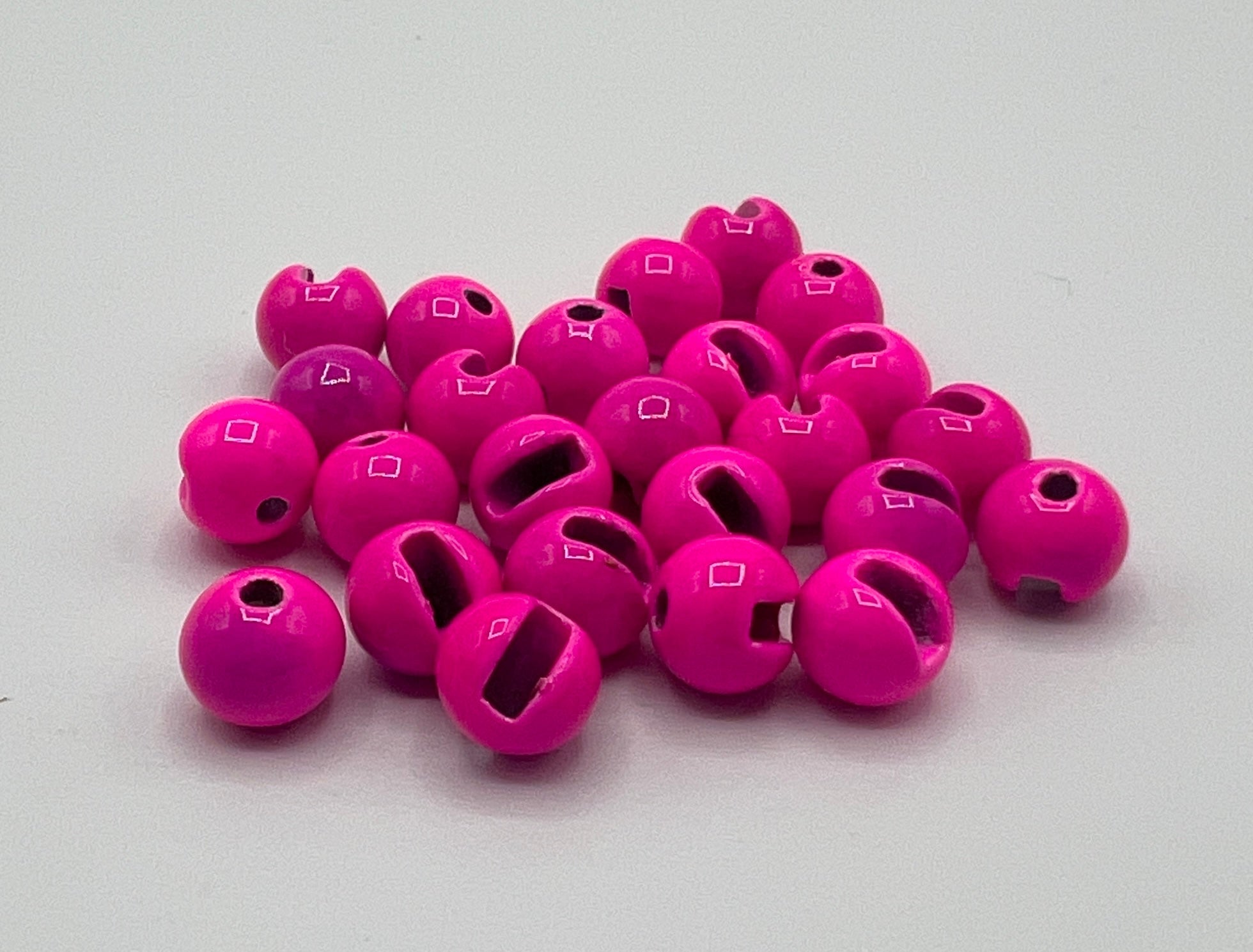
Here's the trick that saves slow days. When nothing is happening on the surface, Bill fishes a dry-dropper, but he fishes it primarily as a nymph rig, upstream, working the riffles like a grid. He ties on whatever the prominent large mayfly is, say a bushy or parachute Green Drake, as a buoyant, visible indicator that a fish can still eat. Under it he hangs about two to two and a half feet of tippet, one diameter lighter than the dry, so a snag only costs him the nymph. On the point he puts a lightweight tungsten jig nymph, a Perdigon or small Frenchie, heavy enough to get down but not so heavy it drowns the dry. Then he fishes it against the grain of tradition, casting upstream and almost tight-lining the dry fly, only ten to fifteen feet of line out, covering every lane before stepping up a foot or two.
The delivery matters. Bill uses a Joe Humphreys-style tuck cast, stopping the rod tip high so the weighted nymph tucks in and enters the water first. That drives the fly straight down into the strike zone fast, so on a short ten- to fifteen-foot drift you're actually fishing eight feet at depth instead of four. Most takes come on the nymph and register as the dry darting under, but fish will surprise you and crush the dry too. The riffle is your friend here: broken, turbulent water hides the imperfections in your presentation and lets you get away with more, which is exactly why it's the best place to send a newer angler who's still fighting their cast.

Gear That Actually Matters
Bill's spending advice is worth repeating: if you're going to invest in one thing, make it your fly line. A quality line lets you pick up and lay back down with a single back cast, which is exactly what you need over spooky fish. Our Moonlit WF All-Purpose Fly Line is a buy-once line that loads easily and turns over dry-dropper rigs cleanly. Pair it with a Big Hog Furled Leader, which is built for nymphs, dries, and two-fly setups like the one Bill describes. And for more little edges like these, keep the Tips and Tricks for Fly Fishing eBook handy. Go pick a riffle apart.
Fly Fishing Insider Podcast has a referral partnership with Frontiers International Travel. If you book after being introduced through us, we may receive compensation at no additional cost to you.