
Tight-line, Euro, and modern nymphing all describe the same idea: a short, controlled drift where you stay in contact with your flies. It is one of the most effective ways to catch trout, and it is also easy to get wrong in your first few outings. In this quick tip episode, I share the things I wish I had known on day one. Here is the practical version.

Start With a Simple, Forgiving Rig
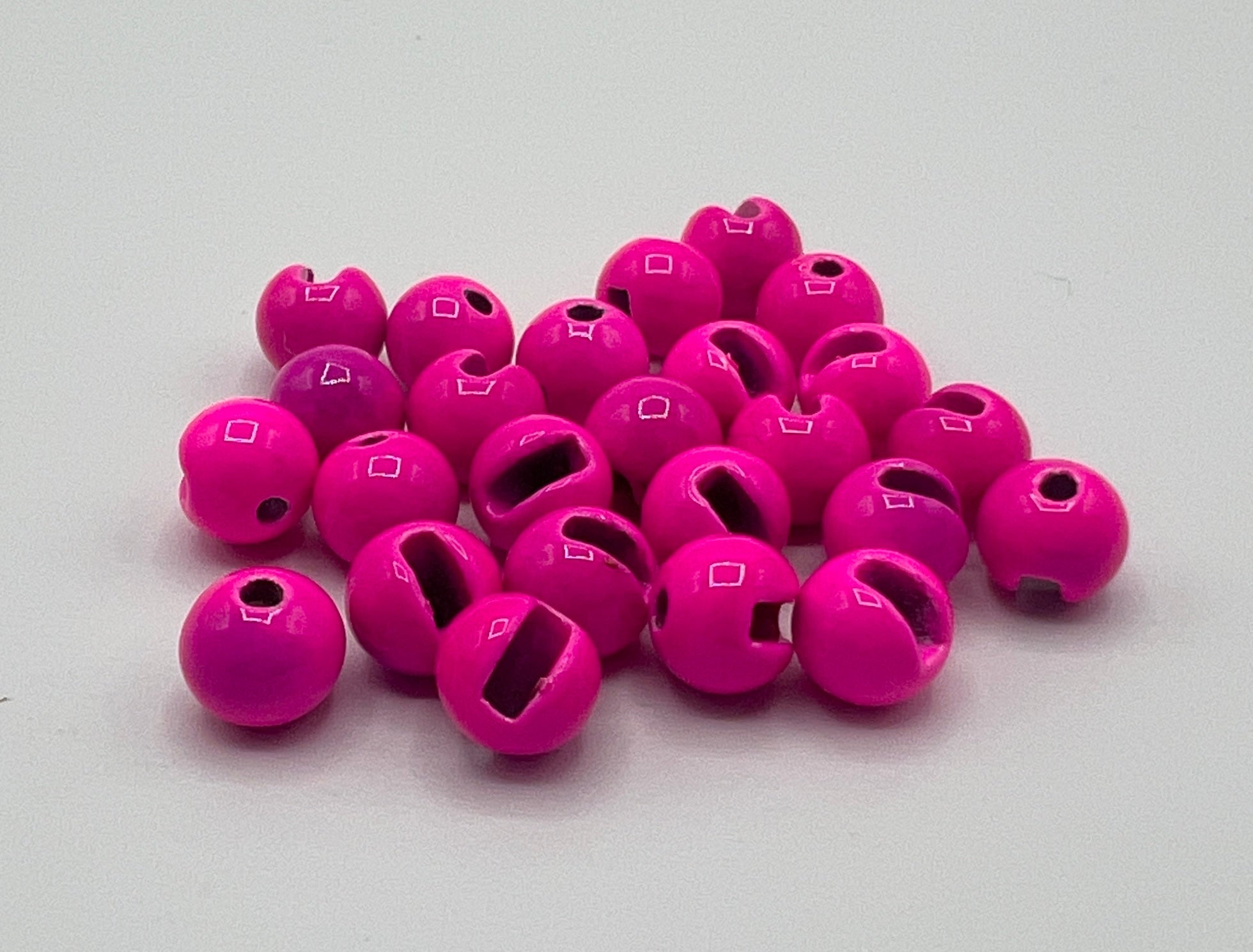
A long Euro rod and a purpose-built line help, but they are not required. You can fish this style with a standard rod and line if you build a long leader that reaches all the way to the reel. The bigger decision is how many flies you tie on. Start with one fly, or two at most. Make the heaviest fly your point fly. That extra weight teaches you the pendulum-style cast, gets the flies down fast, and ticks along the bottom so the line stays tight. You can feel the bottom, give the flies a slight lift, and keep them where the fish are.
Keep Contact: Rod Tip Downstream, 30 to 45 Degrees
The moment your flies hit the water, start moving the rod tip downstream and get the line tight. Aim to hold the line at roughly a 30 to 45 degree angle through the drift. Keep your arm steady so the sighter is not bouncing around. A steady hand makes subtle takes visible, and it keeps you from dragging the bugs unnaturally. In slow water you can go slower and let the flies tumble at the speed of the current. In faster water you will need to be quicker.
Learn to See the Takes
Watch the point where the clear tippet or sighter enters the water. You should see a small V. Because the water near the bottom moves slower than the surface, the line behaves a bit like a wire cheese cutter slicing through moving cheese. When that V hesitates, twists, or pauses, set the hook. If you struggle to see the sighter, put the sun at your back. You can also leave the tag ends on your blood knots, or on clinch knots if you use tippet rings. Those small tags catch the light and make pauses and twists easier to spot.

Practice Where You Know Fish Live
Confidence builds fast when you fish water you trust. Pick a run where you have caught fish before, so you see what takes look like in the line early and often. Then try different water types. Each one teaches you something new about how the line and flies behave. Watch instructional videos too, study them, practice one or two ideas at a time on the water, and then rewatch them. They make more sense with every trip. I mention nymphing series from George Daniel and Devin Olsen with Lance Egan as good starting points.
Gear
For more rigging and technique ideas, our Tips and Tricks for Fly Fishing eBook is a good companion. For a long Euro-style rod and a leader built for your water, your local fly shop is the best place to get hands-on advice.