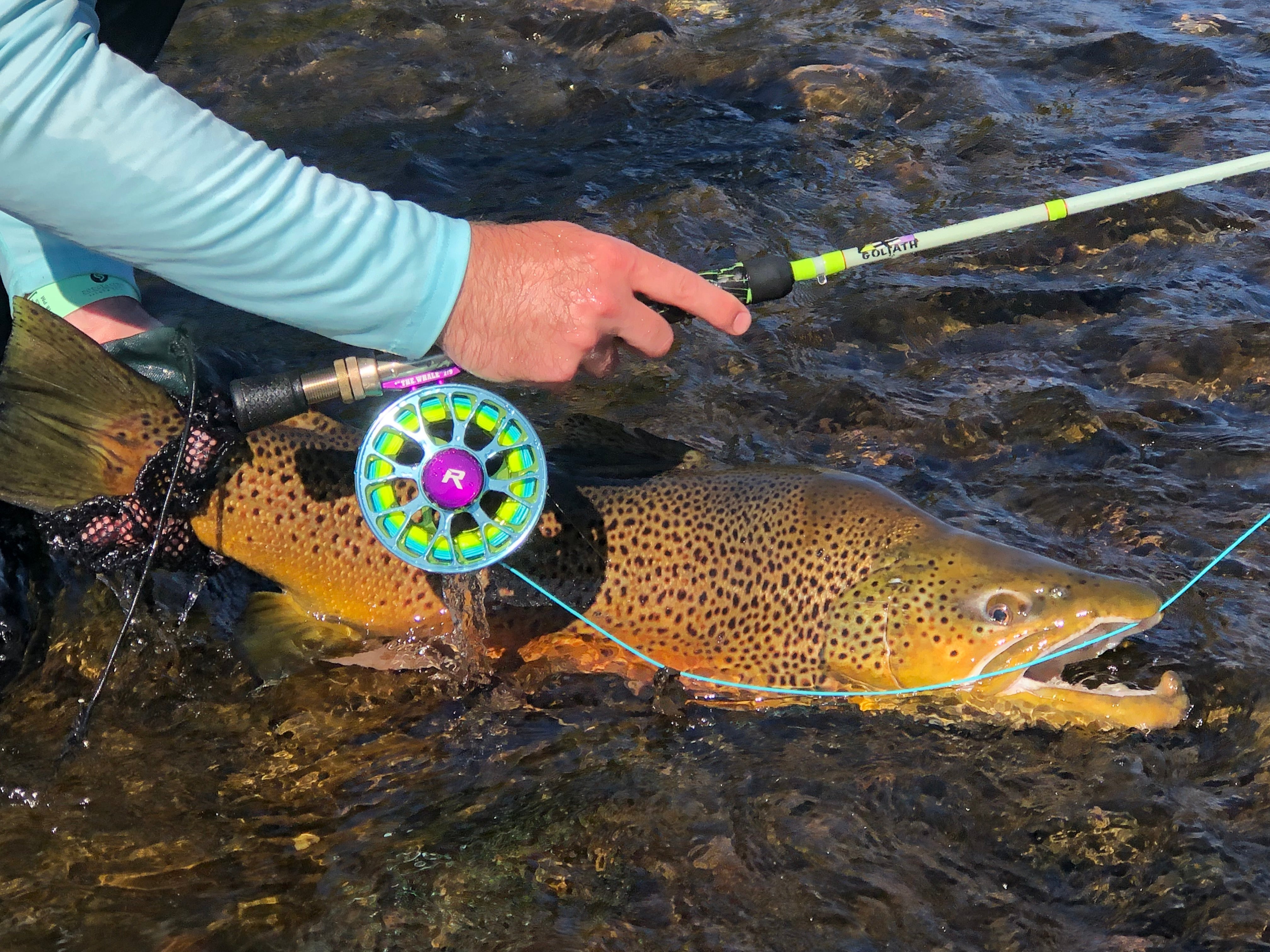


Every angler I've ever interviewed can tell me about their first fish. Not their biggest — their first. Species, water, who was standing there, usually the weather.
Almost none of them can tell me anything about the second one.
That asymmetry is worth taking seriously as a parent, because it means the ninety seconds around a kid's first fish are doing more work than any lesson you'll deliver that whole season. And most of us fumble them, because we're excited too.
Coach's Note
Put your hands behind your back when the fish is close. Decide before the trip that you will not grab the rod, no matter how badly it's going. A first fish landed clumsily by a kid is worth ten landed smoothly by you. If you take the rod, the story becomes yours, and they know it even if they don't say so.
The Lesson
A first fish isn't really about the fish. It's the moment a kid decides whether they're an angler.
What tips that isn't size, and it isn't difficulty. It's whether the moment belonged to them. Who was holding the rod at the end. Whose hands got wet. Whether the adult's excitement was about the kid or about the catch.
Which means the things worth protecting are small and specific: they fight it, they land it, they hold it if they want to, they let it go, and every bit of the celebration points at them. None of that costs anything. All of it is easy to accidentally step on when you're the one who's been waiting three seasons for this.
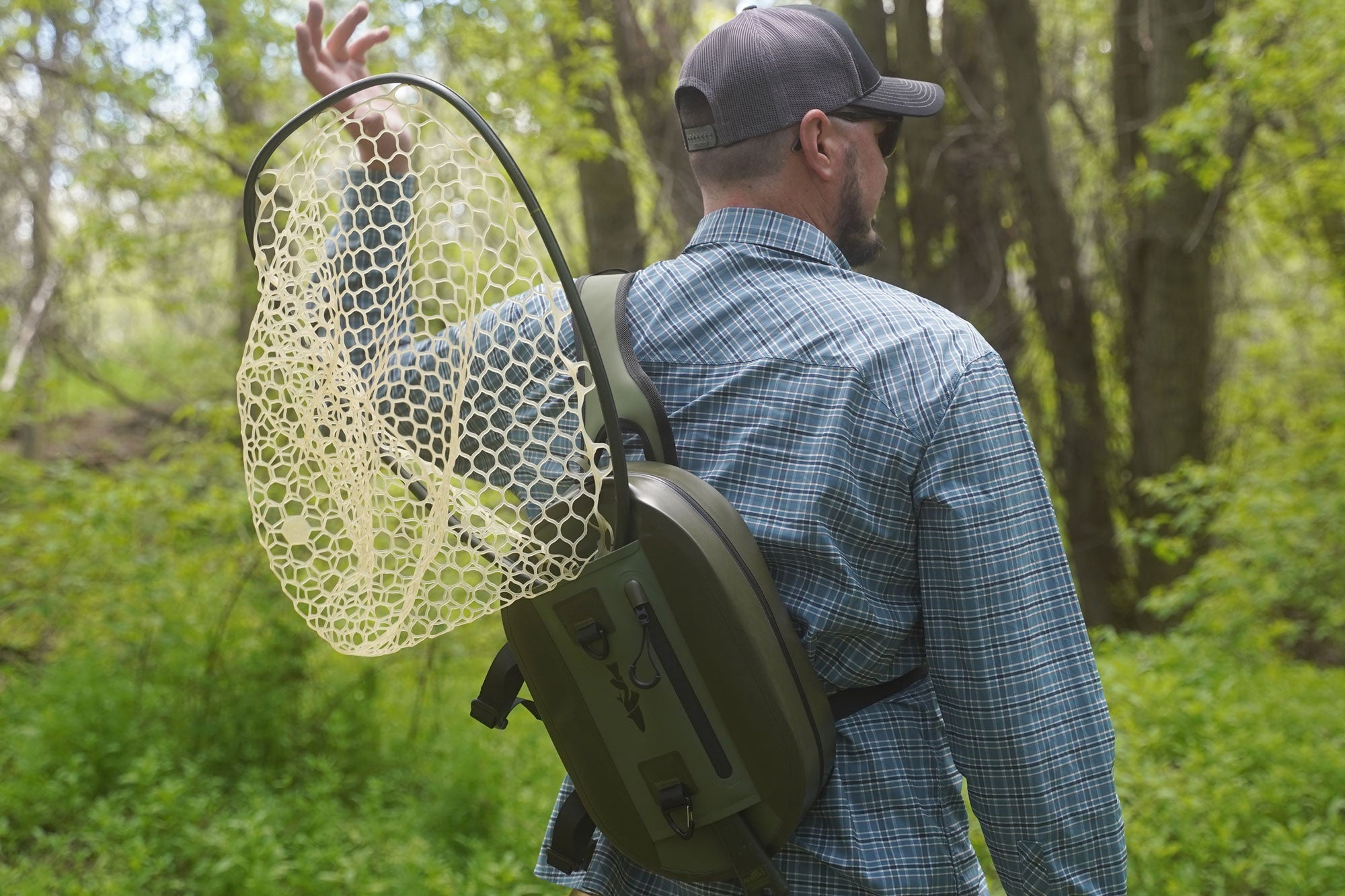
 Rising Brookie Net$159.00
A first fish lost at your feet is the version nobody wants. A proper net with a rubber bag is the cheapest insurance on the whole moment — and it keeps the fish in the water while a kid gets his hands wet.
Coach's Note
Make a fuss about the effort, not the trophy. "You stuck with that spot for an hour" outlasts "that's a nice one." When kids are asked what makes fishing and sport fun, trying hard rates near the top — well above winning. Aim your celebration at the part they controlled and you've reinforced something they can do again next week.
On the Water Together
The ninety seconds, in order:
- Talk less than feels natural. One instruction: keep the tip up. Everything else can wait until the fish is in the net.
- Net it low and early. Don't play it out for drama. Get it in the bag while the hook still has a good hold.
- Let them decide about holding it. Some kids want to, some really don't. Both are fine, and being pushed into it is a bad first memory.
- Take the photo after the release, not instead of it. A picture of a kid watching a fish swim off is better than a picture of a fish held too long, and the kid remembers the kick.
 Vibe Trucker Hat — Youth Size$27.99
Small thing that matters: whatever they're wearing in that photo becomes the uniform. Ours has been worn to three states since, and it isn't allowed in the wash on trip days.
Coach's Note
Don't end the day on the fish. The instinct is to leave on the high note, but a first fish followed by an hour of ordinary river time is what tells a kid this is a thing we do, not a thing we achieved. Let the afternoon get boring on purpose. The boring part is where the habit lives.
A Note From Dad
I almost took the rod from you. I want you to know that, because you'd have let me and I'd have landed it, and it would have been the wrong thing by a mile.
You caught that fish. Not us, not me with your hands on the cork. You. Tell it that way for the rest of your life, because that's how it happened.
Book the season you actually want
The best weeks on the best water go early. Plan it with Frontiers Travel — don't wait.
Plan Your TripTight lines, everyone! If your kid is close to their first fish, decide right now that you're not touching the rod. That single decision is most of the job.
Fly Fishing Insider Podcast has a referral partnership with Frontiers International Travel. If you book after being introduced through us, we may receive compensation at no additional cost to you.