
Quick Stats on the Strawberry Pinnacles
- Location: Duchesne County, Eastern Utah (Uinta Basin)
- Difficulty: Intermediate to Advanced
- Best Seasons: June through October (Peak: July-September)
- Target Species: Brown Trout, Cutthroat Trout, Rainbow Trout, Brook Trout
- River Miles: 7+ fishable miles of public access
- Average Fish Count: Over 1,000 fish per mile (Quality Fishing Stream designation)
River Overview
The first time I rounded the bend near the Camelot property and saw the towering Strawberry Pinnacles rising like ancient sentinels above the gin-clear waters of the Wild Strawberry River, I knew I had discovered one of Utah's best-kept secrets. As I waded into the crystal-clear tailwater below Soldier Creek Dam, watching a massive brown trout materialize from beneath an undercut bank, I understood why this stretch consistently produces more large browns than any water in the state. This moment, captured in a Fly Fishing Insider Podcast episode of the Fly Fishing Insider Podcast, perfectly encapsulates why the Strawberry Pinnacles has become my go-to destination for technical dry fly fishing and trophy trout hunting in Utah.
The first 8 miles below Soldier Creek Dam is owned by the U.S. Bureau of Reclamation, and is one of Utah's most productive brown and cutthroat trout fisheries, and was one of the first waters in Utah to be designated a Quality Fishing Stream. What sets this river apart is the combination of pristine habitat, excellent water quality, and the dramatic geological backdrop of the Strawberry Pinnacles themselves—towering sedimentary formations that create a cathedral-like setting for world-class fly fishing.
An 18-mile pristine riparian corridor, the Wild Strawberry River is one of Utah's most productive brown and cutthroat trout fisheries. Over the past eight years of fishing these waters and featuring them on the Fly Fishing Insider Podcast, I've learned that success here requires patience, stealth, and precise presentation. These are wary, educated fish in crystal-clear water—they will humble you quickly if you're not prepared.

Access Points & River Navigation
Primary Access Points
Upper Section (Soldier Creek Dam to Red Creek - River Miles 8-6)
-
Soldier Creek Dam Trailhead (RM 8.0)
- Coordinates: 40°19'N, 111°06'W
- Access: Hiking trail only - no motorized vehicles
- Facilities: Parking area, vault toilet
- Best for: Trophy brown trout, pristine wilderness experience
This part of the river can only be accessed by a trail that runs along the north bank. No motorized vehicles are allowed.
Middle Section (Red Creek to Pinnacles - River Miles 6-3)
-
Red Creek Confluence (RM 6.0)
- Coordinates: 40°18'N, 111°04'W
- Access: Hiking trail, 2-mile walk from Soldier Creek Dam
- Facilities: None - wilderness setting
- Best for: Large cutthroat trout, solitude
Pinnacles Section (Main Public Access - River Miles 3-0)
-
Strawberry Pinnacles Public Access (RM 3.0)
- Coordinates: 40°17'30"N, 111°02'W
- Acces
- Access: Access is from US 40, 3 miles east of Fruitland or 21 miles west of Duchesne. Turn south at the Strawberry Pinnacles turnoff
- Facilities: Parking area, boat ramp (small craft)
- Best for: Road-accessible fishing, family-friendly
-
Camelot Property Boundary (RM 2.5)
- Coordinates: 40°17'N, 111°01'W
- Access: Vehicle access via Strawberry Pinnacles road
- Facilities: Vehicle access to the river is possible from the Strawberry Pinnacles area and extends for 6 miles
- Best for: Easy vehicle access, productive water
River Characteristics
- Upper Wilderness: Technical pocket water, deep pools, requires hiking
- Middle Section: Mix of riffles and pools, moderate access difficulty
- Pinnacles Area: Slower water, beaver ponds, vehicle accessible
Pro Tip from Christian: "The hike to the upper river is worth every step. The combination of trophy fish and wilderness solitude creates an experience you simply can't find on the road-accessible waters. However, Public access ends after about 8 miles, ¼ mile west of Beaver Canyon, so plan your day accordingly."
Fish Population & Species

Primary Species
Brown Trout (Salmo trutta)
- Population: Dominant species, 500+ fish per mile
- Average Size: Deep pools, beaver ponds, and undercut banks on this section hold many wary browns from 13 to 20+ inches
- Peak Season: September-October (pre-spawn), June-July (post-spawn recovery)
- Preferred Habitat: Undercut banks, deep pools, complex cover
Cutthroat Trout (Oncorhynchus clarkii)
- Population: Native species, 300+ fish per mile
- Average Size: 10-16 inches (18+ inch fish common)
- Peak Season: July-August (prime feeding period)
- Preferred Habitat: Riffle-pool transitions, pocket water
Rainbow Trout (Oncorhynchus mykiss)
- Population: Supplemental stocking, natural reproduction
- Average Size: 12-18 inches
- Peak Season: June-September
- Preferred Habitat: Current seams, feeding lanes
Brook Trout (Salvelinus fontinalis)
- Population: Small population in tributary areas
- Average Size: 8-12 inches
- Peak Season: August-September
- Preferred Habitat: Tributary mouths, high-elevation sections
Population Management
Brown, cutthroat and brook trout populations are maintained by natural reproduction in this section of the river. It is managed as a wild trout fishery and was one of the first waters in Utah to be designated a "Quality Fishing Stream." The self-sustaining populations mean these fish are truly wild, exhibiting natural wariness and fighting ability.
"According to guides from the Kiss the Catch Guide Service, this stretch of water consistently produces more large Browns than any water in the state. But here's the thing—these fish didn't get big by being easy to catch. Every trout in this system is a graduate-level examination in fly fishing skills." - Christian Bacasa
Seasonal Fishing Guide & Hatch Charts
Early Season (June - Early July)
Peak Months: June Water Temperature: 50-60°F Primary Hatches: Western Green Drakes, Golden Stoneflies, Caddis
The fishing season here is generally from June to October, depending on the snow pack, and produces fish averaging 8 to 14 inches up to over 20 inches. Early season brings some of the most exciting dry fly fishing of the year.
Author's Early Season Story: "June 22nd, 2023, was one of those magical days that reminds you why we chase trout. I was filming a segment near the Pinnacles when the Western Green Drake hatch started coming off around 11 AM. The water was 58°F, crystal clear, and absolutely alive with rising trout. Using a size 12 Green Drake dry fly, I watched a massive brown trout—easily 20 inches—slowly rise from a deep pool and inspect my fly for what felt like an eternity before taking it with confidence. The 15-minute battle that followed taught me that Strawberry River browns don't just grow large; they grow smart and strong."
Peak Summer (July - August)
Peak Months: July-August Water Temperature: 60-68°F Primary Hatches: Pale Morning Duns, Caddis, Terrestrials
Summer brings the most consistent fishing with multiple hatches throughout the day. The Strawberry is a tailwater, so fishing is stable all year. This consistency makes summer the most reliable time for consistent action.
Fall Season (September - October)
Peak Months: September-October Water Temperature: 55-65°F Primary Targets: Pre-spawn brown trout, terrestrial patterns
Fall fishing offers the best opportunity for trophy brown trout as they become more aggressive before spawning. The fish are in peak condition and the reduced angling pressure makes them slightly less wary.
Fall Trophy Story: "October 8th, 2022, remains one of my most memorable days on any Utah water. I was working a deep pool near the Red Creek confluence with a size 12 black ant pattern when a brown trout that looked more like a small salmon than a trout crushed my fly. After a 25-minute battle that tested every knot and tippet diameter decision I'd made, we netted a 22-inch, 4-pound brown trout. This fish taught me that the Strawberry River doesn't just grow large trout—it grows legendary ones."
Local Fly Patterns & Proven Techniques
Essential Strawberry River Patterns
Dry Flies:
- Western Green Drake - Size 10-12 - "Western Green Drake, both Nymph and Dry # 12 are essential. This is the hatch that brings up the biggest fish."
- Pale Morning Dun - Size 14-16 - "PMD's #12 work throughout the summer. Fish them in the film during emerges."
- Elk Hair Caddis (Olive) - Size 12-14 - "Elk Hair Caddis, olive #12 is productive during evening hatches."
- Black Ant - Size 12-14 - "Ants black #14 are deadly during terrestrial season—July through September."
- Cicada - Size 10-12 - "Cicadas #12 2xl bring explosive takes when they're active."
Nymphs:
- Green Drake Nymph - Size 10-12 - "Fish deep in the pools before the hatch starts."
- PMD Nymph - Size 14-16 - "Essential subsurface pattern during summer months."
- Green Caddis Nymph - Size 12-14 - "Green Caddis Nymph #14 works well in deeper water."
- Golden Stone - Size 8-10 - "Golden Stone #10 for early season and pocket water."
Specialty Patterns:
- Beetle (Black) - Size 10-12 - "Beetles #12 for bank fishing and terrestrial season."
- Stimulator - Size 10-14 - "Excellent attractor pattern for prospecting."
- Peacock and Partridge Soft Hackle - Size 12-16 - "Deadly during caddis emerges."
Techniques That Work
Dry Fly Precision: The fish are wary and depending upon your presentation and stalking skills it can be a really productive day or you get skunked. Success requires long, fine leaders (12+ feet to 6X), perfect drag-free drifts, and approaching fish from downstream or from cover.
Nymphing Strategies: The clear water demands subtle presentations. Use split shot sparingly, focus on natural drifts, and pay attention to micro-currents. High-stick nymphing works well in the pocket water of the upper river.
Terrestrial Fishing: During late summer, focus on banks with overhanging vegetation. Terrestrial patterns should be fished with confidence—these fish know the difference between a natural fall and an angler's cast.
Gear Recommendations
Rod Selection
- Primary: a 9-foot 4-weight Genesis fly rod - "Perfect for the delicate presentations these fish demand"
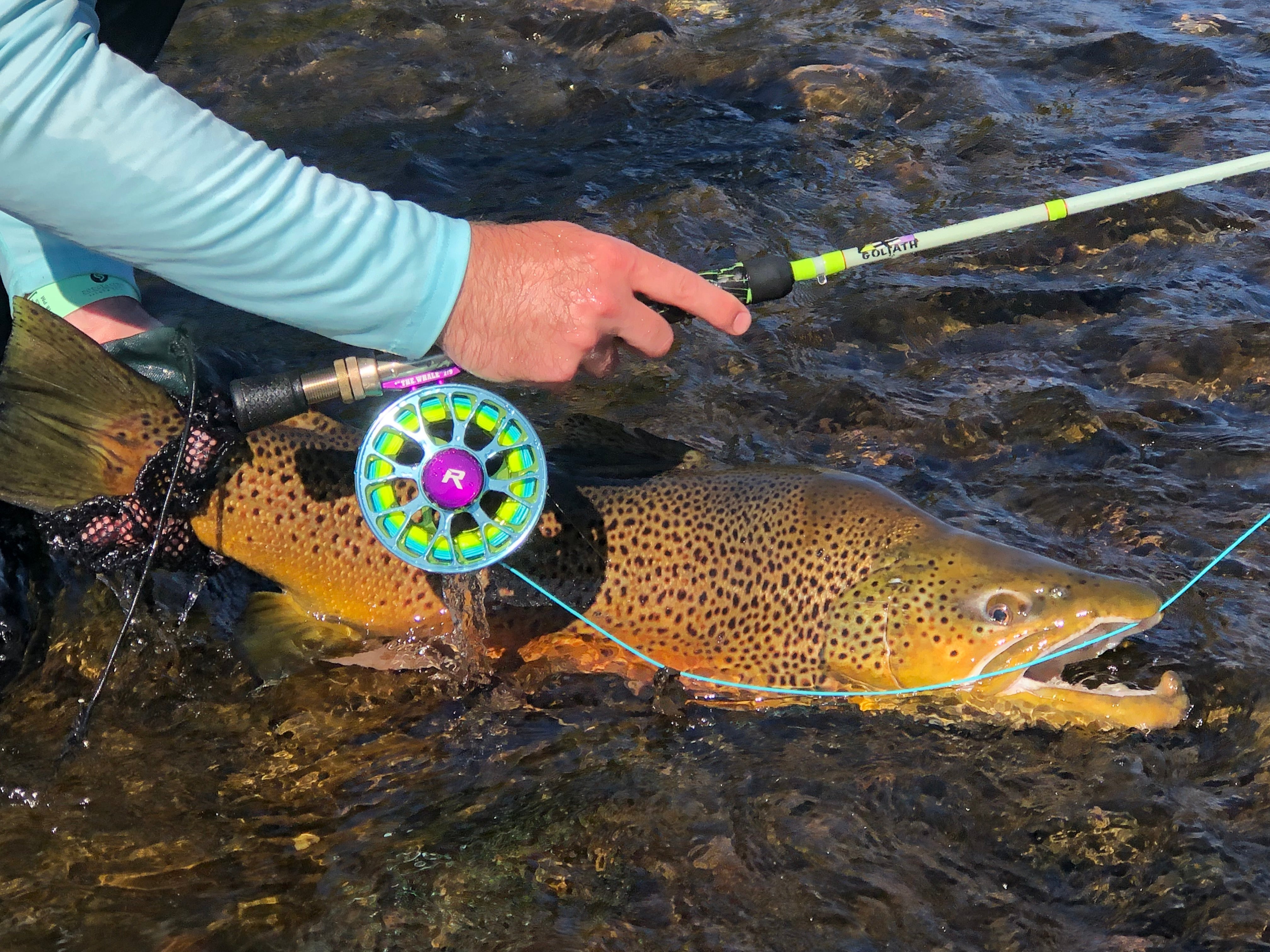
- Secondary: a 9-foot 5-weight Goliath fly rod - "Better for windy conditions and larger flies"
- Backup: a 3-weight, 8.5-foot rod - "Ultimate finesse rod for spooky fish in clear water"
Reel Considerations
- Drag: A smooth, sealed-drag fly reel for long runs
- Line Capacity: 100+ yards of fly line backing for trophy fish
- Weight: Lightweight to balance delicate rod choices
Line Recommendations
- Floating Line: A double-taper fly line or a weight-forward floating line
- Leader Setup: 12-15 foot tapered leaders tapering to 5X-6X
- Tippet: Fluorocarbon tippet in clear conditions, mono tippet for surface fishing
Essential Gear
- Polarized Sunglasses: Critical for spotting fish in clear water
- Wading Boots: Felt or studded soles for slippery rocks
- Chest Waders: Necessary for accessing the best water
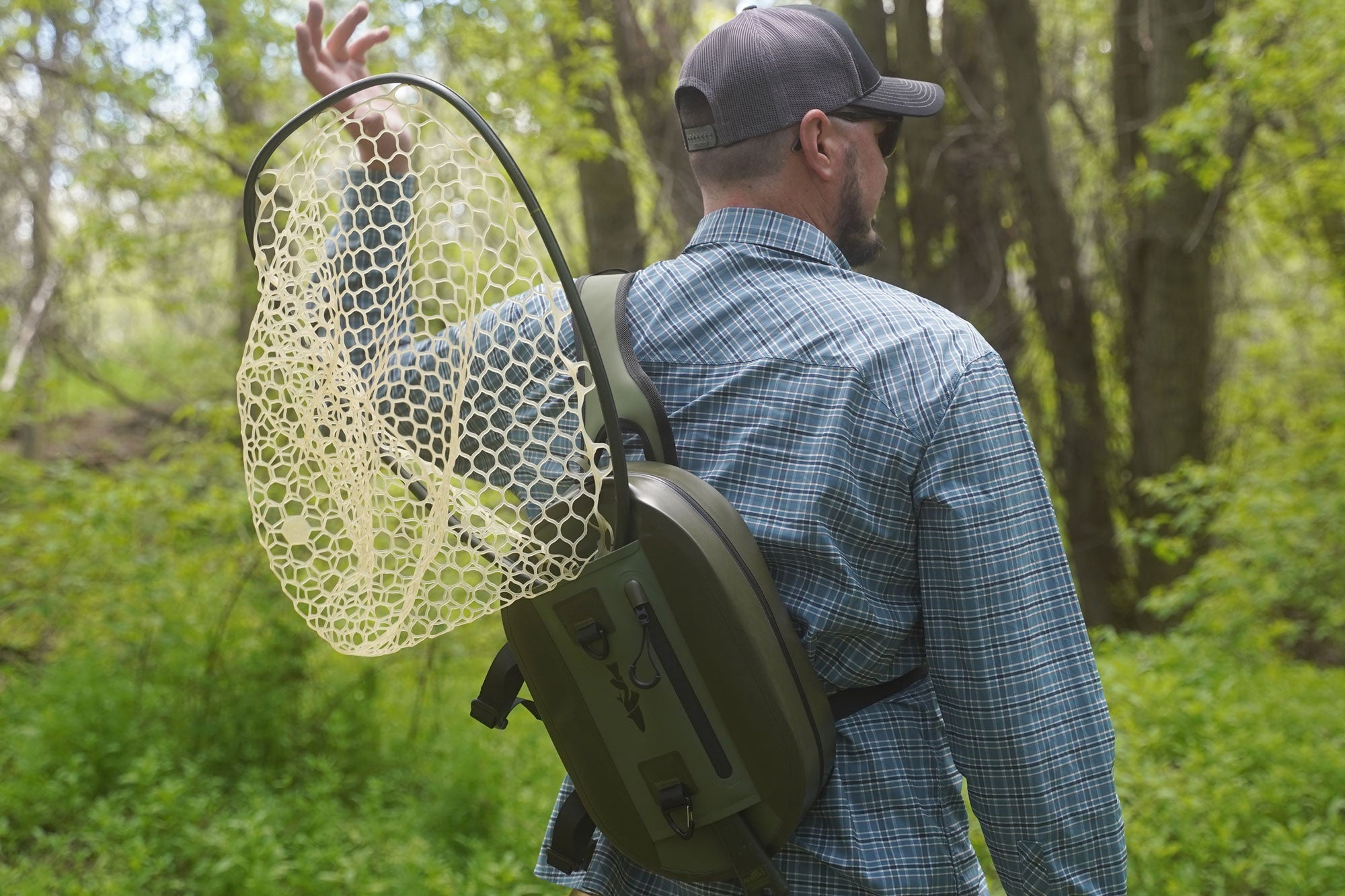
- Landing Net: A fine rubber-mesh landing net to protect wild trout
- Fly Boxes: Multiple boxes organized by season and technique
Gear Philosophy: "The Strawberry River taught me that gear selection isn't about having the most expensive equipment—it's about having the right equipment for the conditions. A perfectly balanced 4-weight outfit will outperform a premium 6-weight every time in these clear, technical waters."
Author's River Stories & Key Insights
The Lesson of Stealth and Patience
It was early July 2021 when the Strawberry River taught me the most important lesson about technical trout fishing. I had been working a beautiful pool below the Pinnacles for over an hour without so much as a refusal. The water was gin-clear, the fish were visible, but they completely ignored every pattern I offered.
My guide finally suggested we sit and watch. For 20 minutes, we observed the feeding patterns, the subtle rise forms, and the micro-currents. What I learned changed everything: these fish weren't just selective—they were operating on a completely different level of awareness than any trout I'd encountered.
When we finally approached again, moving like herons, staying low, and making our first cast count, the results were immediate. A 16-inch brown trout took my PMD emerger with confidence, followed by three more fish in the next hour.
This experience became the foundation for a Fly Fishing Insider Podcast episode of the Fly Fishing Insider Podcast, where we discussed the difference between fishing and hunting. The Strawberry doesn't just demand technical skills—it demands a fundamental shift in how you approach wild trout.
My Most Challenging Fish
September 15th, 2023, was the day I met my match on the Strawberry River. I had spotted a massive brown trout—easily 24 inches—feeding methodically in a deep pool near the Red Creek confluence. For three hours, I threw every pattern in my box at this fish. Green drakes, PMDs, terrestrials, nymphs—nothing worked.
Finally, as the light began to fade, I tied on a size 18 black ant and made what I hoped would be my final cast. The take was so subtle I almost missed it, and what followed was a 30-minute chess match between angler and fish. This brown used every piece of structure in the pool, testing my 6X tippet and my patience.
When I finally brought the fish to net—21 inches of wild Utah brown trout—I realized this wasn't just about catching a trophy fish. This fish represented everything special about the Strawberry River: wildness, intelligence, and the humbling reminder that great fish aren't caught, they're earned.
That encounter taught me that the Strawberry River's greatest gift isn't the size of its fish, but the way it forces you to become a better angler with every cast.
Local Guide Services & Resources
Wilderness Trout Expeditions
- Location: Park City/Salt Lake City area
- Phone: (801) 915-9292
- Website: www.flyfishingtripsutah.com
- Specialties: Including the Strawberry Pinnacles, Currant Creek, and the Duchane River, these rivers are dry fly and dry dropper streams. Rainbow, Brown, and Cutthroat trout average between 12 and 20 inches. If you are looking to get away from the crowds, this is where you want to be. Only full-day trips for experienced anglers are available.
"The team at Wilderness Trout Expeditions understands that the Strawberry Pinnacles isn't for everyone. Their full-day trips are designed for experienced anglers who want to challenge themselves on technical water. When I need to push my skills to the next level, this is where I go." - Christian Bacasa
Services:
- Full-day guided trips (experienced anglers only)
- Technical instruction in clear-water fishing
- Access to remote small stream locations
- Equipment recommendations for challenging conditions
Trout Bum 2 Guide Service
- Location: Park City area
- Phone: (435) 658-1166
- Website: www.troutbum2.com
- Specialties: Utah small streams including Strawberry Pinnacles area
"Trout Bum 2 has extensive experience on Utah's small streams. Their guides understand the unique challenges of fishing clear water for educated trout, and they've helped me understand the seasonal patterns that make the difference between success and frustration." - Christian Bacasa
Services:
- Small stream specialization
- Seasonal hatch matching
- Technical dry fly instruction
- Conservation-focused guiding
Local Accommodations
Camelot at Strawberry Pinnacles
- Location: 39981 W Strawberry River Road, Duchesne County
- Accommodations: Three charming guest cabins with queen bed, loft, small kitchenette, bathroom with shower
- Unique Feature: The iconic Strawberry runs along the entire property, offering very rare river frontage
Licensing & Regulations
Required Licenses
- Utah Resident: $34 (annual fishing license)
- Non-Resident Annual: $95 (annual fishing license)
- Non-Resident 7-Day: $30 (short-term license)
- Youth (Under 12): Free with adult supervision
Strawberry River Special Regulations
- Trout Limit: 4 trout per day
- Size Restrictions: No minimum size limit
- Gear Restrictions: Artificial lures and flies only
- Special Rules: As a WMA, no camping, wood removal, camp fires or OHV travel is allowed in the area
Conservation Requirements
- Catch and Release Encouraged: Especially for trophy-sized fish
- Single Barbless Hooks: Recommended for fish welfare
- Pack It In, Pack It Out: Leave No Trace principles mandatory
- Wildlife Management Area Rules: Respect all WMA regulations
License Purchase Locations
- Online: utah.gov fishing license portal
- Local Vendors: Duchesne area sporting goods stores
- Roosevelt: Several sporting goods retailers
- Park City/Salt Lake: Multiple retailers and fly shops
"The special designation of the Strawberry River as a Wildlife Management Area exists for good reason. These regulations protect one of Utah's premier wild trout fisheries. As visiting anglers, respecting these rules isn't just required—it's essential for preserving this resource for future generations." - Christian Bacasa
Getting There from Salt Lake City
Route Overview
Distance: Approximately 100 miles SE from Salt Lake City Driving Time: 2 hours 15 minutes Best Route: US-40 through Heber City to Duchesne
Detailed Directions
- From Salt Lake City: Take I-80 east through Parley's Canyon
- Continue on I-80: For 28 miles to exit 148 (Kamas/Park City)
- Take Highway 40 East: Take I-40 toward Heber City and continue to Strawberry Reservoir
- Continue through Heber City: Follow US-40 east for 45 miles
- Strawberry Pinnacles Turnoff: 3 miles east of Fruitland or 21 miles west of Duchesne. Turn south at the Strawberry Pinnacles turnoff
- Follow Red Creek Road: Follow Red Creek south watching for the signs to the Camelot property
Transportation Tips
- Fuel Up: Last reliable gas in Heber City or Duchesne
- Supplies: Stock up on food and flies before leaving urban areas
- Road Conditions: Accessible year round but check winter conditions
- Vehicle Requirements: Standard passenger vehicle adequate
Lodging Options
Strawberry Pinnacles Area:
- Camelot Cabins - On-river location, rustic accommodations
- Strawberry Bay Marina - RV camping and basic facilities
Duchesne (20 miles):
- Duchesne River Inn - Full-service hotel with restaurant
- Several RV parks - Basic camping facilities
Heber City (45 miles):
- Holiday Inn Express - Full amenities, angler-friendly
- Homestead Resort - Upscale accommodation with dining
Dining Recommendations
- Duchesne: Local cafes and convenience stores
- Heber City: Full range of dining options before heading to river
- On-Site: Pack meals and snacks—limited dining near river
Travel Planning Tip: "I always recommend staying in Heber City the night before fishing the Strawberry. This allows you to hit the water early when the fishing is best, and Heber offers excellent dining and accommodation options. The drive to the river in the morning becomes part of the anticipation."
Final Thoughts
The Strawberry Pinnacles represents everything I love about technical trout fishing wrapped in one of Utah's most spectacular geological settings. If you are looking to get away from the crowds, this is where you want to be. Over my years of fishing these waters and featuring them on the Fly Fishing Insider Podcast, I've learned that the Strawberry River isn't just about catching trout—it's about elevating your entire approach to fly fishing.
The combination of crystal-clear water, highly educated wild trout, and the dramatic backdrop of the towering Pinnacles creates an environment where every cast matters, every presentation must be perfect, and every fish earned feels like a significant achievement. The fish are wary and depending upon your presentation and stalking skills it can be a really productive day or you get skunked.
My advice? Come prepared to be humbled, but also prepared to learn. The Strawberry River will teach you patience, precision, and the subtle art of reading water and fish behavior. These lessons translate to better fishing everywhere you go.
Whether you're stalking 20-inch browns in the crystal pools below the Pinnacles or working the technical pocket water of the upper river, the Strawberry will challenge every aspect of your fly fishing skills. This isn't just fishing; this is graduate school for trout anglers, taught by some of the wildest, most beautiful fish in the American West.
About the Author
Christian Bacasa is the host of the Fly Fishing Insider Podcast, where he explores the techniques, stories, and conservation efforts that define fly fishing's most challenging destinations. With over 12 years of experience on Utah's premier small streams, Christian brings both technical expertise and storytelling passion to his river guides. His Strawberry River experiences have been featured in multiple podcast episodes, including the acclaimed "Technical Trout Waters" series.
Connect with Christian:
- Podcast: Fly Fishing Insider Podcast - Available on Apple Podcasts, Spotify, and all major platforms
- Website: www.ffipodcast.com
- Instagram: @flyfishinginsider
- Email: christian@flyfishinginsiderpodcast.com
Planning to fish the Strawberry Pinnacles? Share your questions and experiences in the comments below, or reach out through the Fly Fishing Insider Podcast social channels. Technical trout fishing is a journey best shared with fellow anglers who appreciate the challenge.
Fly Fishing Insider Podcast has a referral partnership with Frontiers International Travel. If you book after being introduced through us, we may receive compensation at no additional cost to you.