
Montana is a premier destination for fly fishing, with its pristine rivers and abundant trout populations. The state's fly fishing history is rich, with many rivers having been fished by Native Americans and later by European settlers. Over time, the state has become synonymous with the sport, often featured in literature and cinema, such as Norman Maclean's "A River Runs Through It."
Below is a table that provides an overview of the top fly fishing rivers in Montana, including the historical context, fishable miles, types of trout, and fish counts per mile. It's important to note that fish counts can vary from year to year due to environmental factors, conservation efforts, and changes in wildlife populations. However, these estimates can give you a general idea of what the body of water entails, therefore helping you in potentially making a choice as to which to visit first.

Before diving into the chart statistics, think about why you should visit Montana. Visiting Montana for fly fishing is an excellent idea for several reasons, from the outstanding quality of the fishing experience to the serene beauty of its natural landscapes, and the strong statewide support for outdoor recreational activities. I'll walk through the reasons why I think it is a great place to go and follow up with a good generalized packing list for you.

Fishing quality
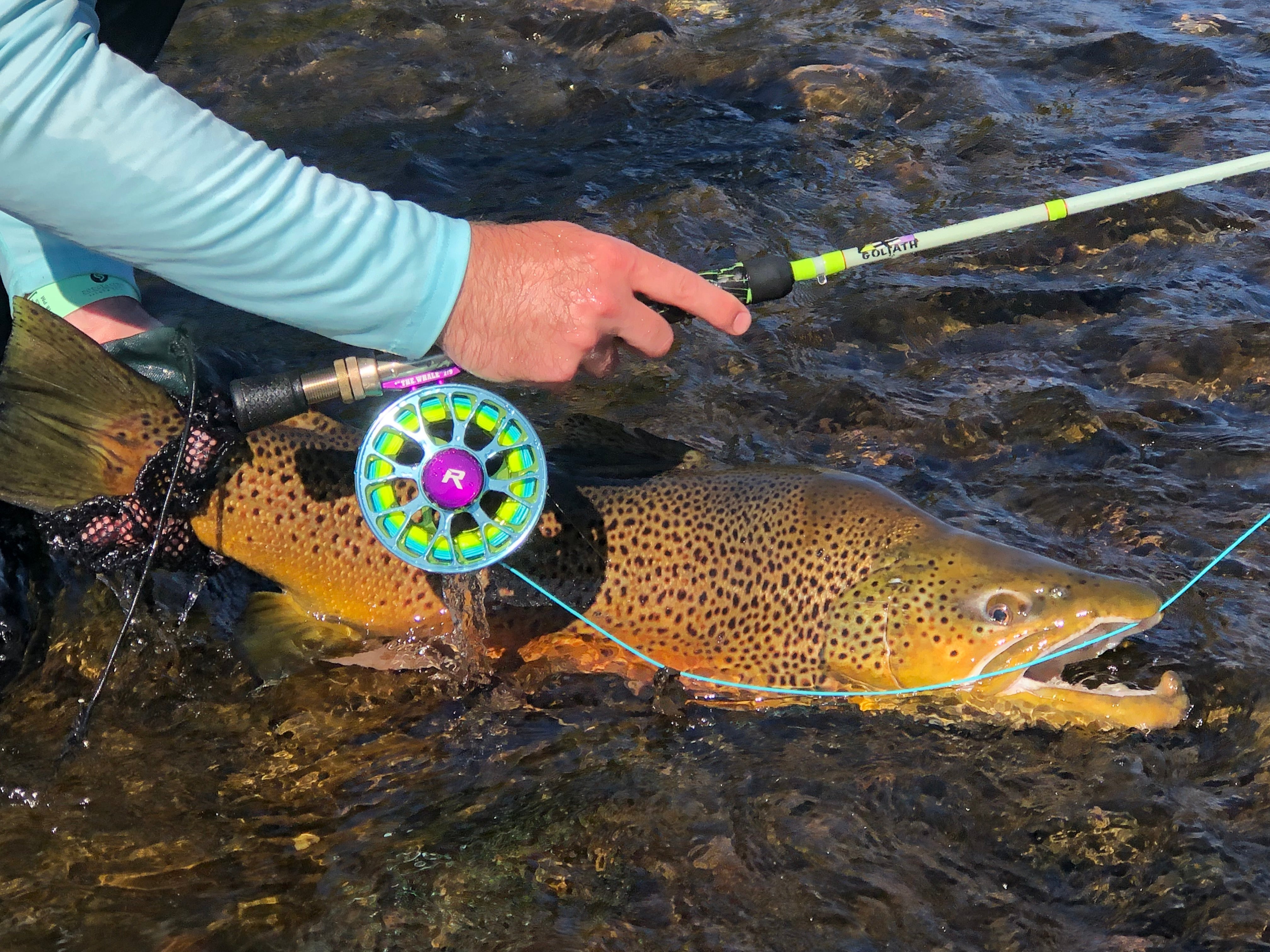
- Diversity of fish species. Montana is home to a myriad of fish species that are highly sought after by fly anglers, including various types of trout (rainbow, brown, cutthroat, and brook) as well as other species like arctic grayling and mountain whitefish. The state's rivers, such as the Madison, the Missouri, the Bighorn, and the Yellowstone, are renowned for their excellent trout populations. The population is one thing, but the commonly occurring prolific dry fly hatches make it something special to experience.
- Pristine waterways. The rivers and streams in Montana are often in very natural conditions with high water quality, which is conducive to abundant and healthy fish populations. This results in better fishing opportunities and larger average fish.
- Long fishing season. While the best fly fishing is often during the spring and fall when water temperatures are ideal, many rivers in Montana offer year-round fishing opportunities, allowing anglers more flexibility in planning their trips.
Here are excellent winter fishing practices to learn so you can stay warm anywhere.
Nature observation quality
- Stunning landscapes. Montana's wide-open spaces, with their majestic mountains and rolling plains, provide a backdrop for one of the most scenic fishing experiences in the United States. It is not uncommon to be in a valley that has partial rain and partial sun, leaving you with a rainbow view that is out of a storybook.
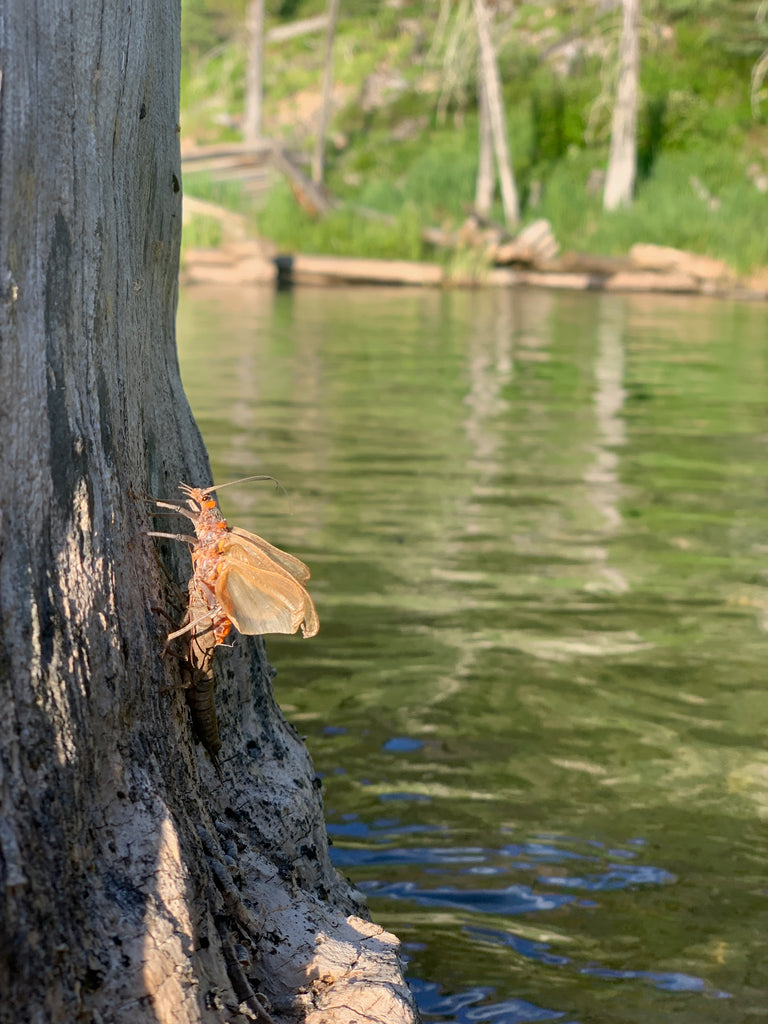
- Diverse wildlife. Beyond fish, Montana is a habitat for a wealth of wildlife, including grizzly and black bears, moose, elk, bighorn sheep, and a variety of bird species, providing ample opportunities for wildlife observation and photography. Seeing moose on the river has happened to me on several occasions and it's always amazing to see.
- Protected areas. The state has numerous protected areas, including Yellowstone and Glacier National Parks, where ecosystems are preserved, allowing visitors to experience nature at its most pristine.
Statewide support
- Fishing-friendly regulations. Montana has developed regulations that help sustain fish populations and habitat, ensuring quality fishing for future generations. The state provides clear guidelines and resources to help anglers fish responsibly. Their team of state wildlife biologists is one of the strongest in the country for angler advocacy.
- Access and infrastructure. There are numerous fishing lodges, guided tour operations, and outfitters available across the state that cater to all levels of fly angler. Public access points to rivers are well-maintained and clearly marked. If you'd rather have the trip arranged for you, our Certified Guides & Lodges are operations we know and stand behind, and the Book a Trip page covers larger destination trips through Frontiers International Travel.
- Conservation efforts. Montana invests in habitat restoration and conservation, which are crucial to maintaining the high quality of its fisheries. This includes efforts like the Montana Fish, Wildlife & Parks' Future Fisheries Improvement Program. They are often a beacon for other states to follow, as they are regularly on the bleeding edge of conservation from a statewide perspective.
Statistics on anglers visiting Montana
Regarding the number of anglers visiting Montana, statistics can vary year by year. However, Montana is consistently one of the top fly fishing destinations in the United States. According to data from Montana Fish, Wildlife & Parks, the state has seen increases in both resident and nonresident fishing license sales over the years. For instance, in recent years, nonresident anglers have purchased over 100,000 fishing licenses annually. The actual number of visiting anglers may be higher, as this figure doesn't include those who fish under the auspices of a general recreational license or those who are exempt from licensing requirements.
The economic impact is also significant, with recreational activities, including fishing, contributing hundreds of millions of dollars to the state's economy annually. This includes money spent on guides, gear, accommodations, and other related expenses. That being said, just about any town with water has a fly shop and a good reason to visit it.
Montana offers a world-class fly fishing experience that's enhanced by its beautiful landscapes, diverse ecosystems, and dedicated conservation and management efforts. Whether you're a seasoned angler or a beginner, Montana's rivers and streams offer some of the most rewarding fishing experiences in North America.
I will note that the estimates provided are rough and can fluctuate significantly based on the factors mentioned earlier. Anglers should always check current conditions and regulations, as areas might be closed for conservation or restoration, and some fish, like the Bull Trout, often require non-targeting catch and release due to their status. Additionally, fish counts per mile can be influenced by seasonal changes, with certain times of the year being more productive than others. Regardless, go visit Montana and experience the great fly fishing opportunities that they have.
Generalized packing list
When you visit Montana for fly fishing, here are a handful of items I recommend bringing with you so you can have a great trip.
- Waders. Wet wading can happen in certain months, but waders are a must-have because of the weather fluctuation. The Whetstone II Chest Wader is a solid all-rounder, the Women's Whetstone is cut properly for women, and the MERIDIAN Z adds a front zip. Don't forget a wading belt.
- Socks. Get good thin wool socks that will keep you warm and comfortable. The Minus33 Lightweight Over The Calf Wool Socks are exactly right — thin, so your foot has room and circulation can keep it warm.
- Bottom layer. A nice thin layer keeps you warm and your bulk down during the day. The Chugach Zip-Off 3/4 Bottoms avoid bunching inside a boot, or go full length with the Midweight Wool Bottom.
- Top layer. Thin layers give you a good base to stay cool and add to. The Midweight Wool Long Sleeve Crew or, for women, the Heavyweight Wool 1/4 Zip.
- Puffy jacket. During morning and evening these are clutch, and when a cold spell hits you're prepared and comfortable. The Deckhand Puffy Jacket, or the warmer FORLOH ThermoNeutral Down Hooded Jacket.
- Rain shell. Montana weather turns fast. The packable Frogg Toggs Cascades Pack Jacket lives in a bag, and the Whetstone Waterproof Wading Jacket has the wrist gaiters that stop water running down your sleeves.
- Flies. Have a good assortment of basics and you'll be fine. The Postfly First Cast Beginner Trout Assortment is 30 flies covering the patterns that work almost anywhere, and the Fly Rod Chronicles Classic Trout 12pk rounds out a box nicely for a trip. Browse all fly pattern assortments.
- Rod and reel. Bring your own or pick up a matched set. Here is a guide to selecting one, or go straight to the rod and reel combos.
- Net. Netting by hand is fun and all, but a net takes the stress off. Since you're travelling, a compact one is the ticket — the Rising Brookie Net is short and fits in a bag easily, and the Lunker Net gives you more reach for bigger fish.
- Wading boots. Don't mess around. The Slate Felt Sole Wading Boots grip slick rock well — just check Montana's current regulations on felt before you travel, since rules vary by state and change.
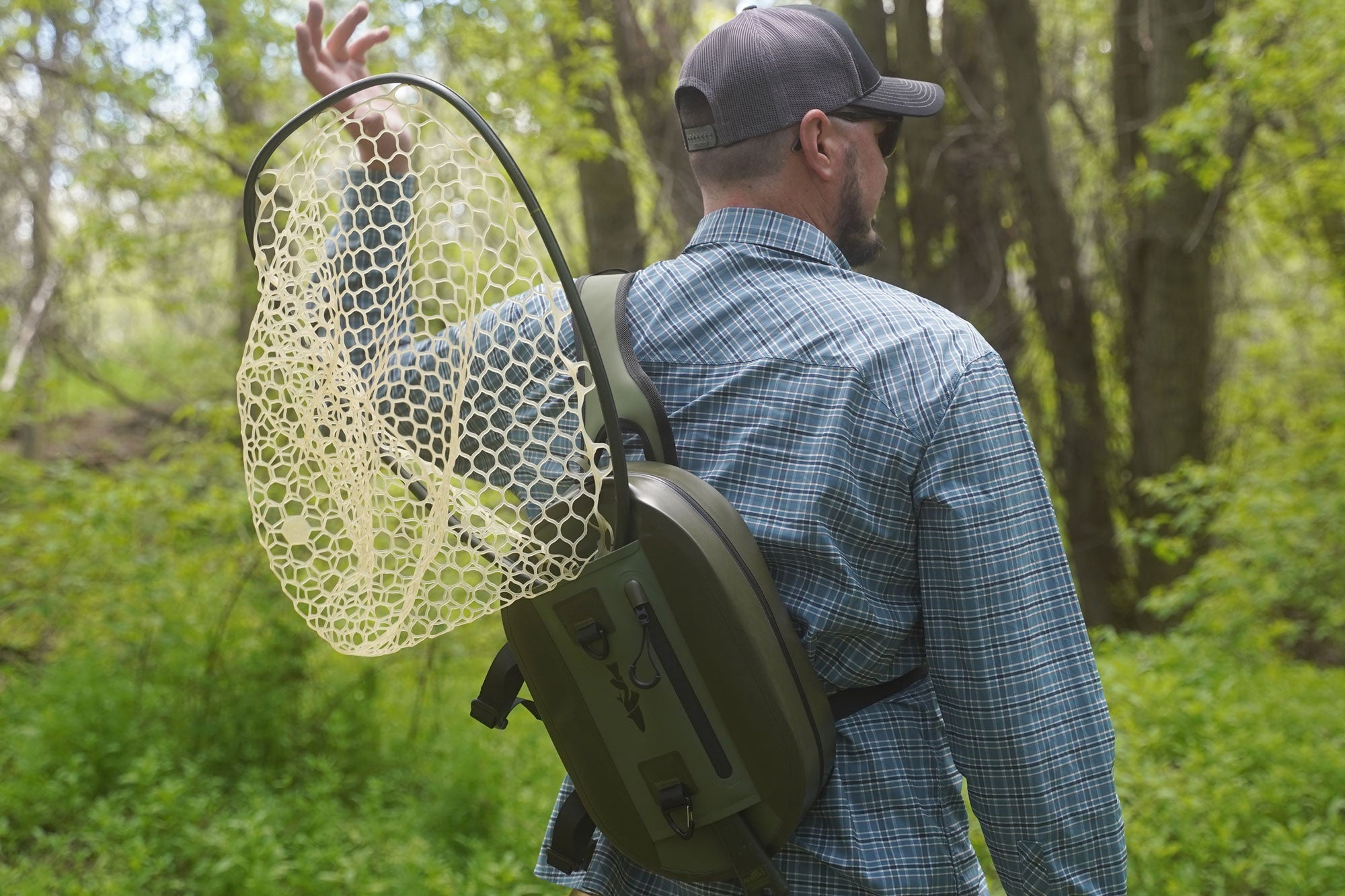
- Fishing pack. A small pack is nice for a few extra layers based on weather, and for a camera. The JHFLYCO 27L Waterproof Backpack keeps everything dry, and a Deluxe Fishing Vest is the alternative if you'd rather have it all in front of you. This is such a preferential thing and I've yet to find one that's perfect for all occasions.

Go on a fly fishing trip you'll never forget
The water you keep thinking about is bookable. Tell us where you want to go and we'll help you get there. Don't wait.
Book a TripFly Fishing Insider Podcast has a referral partnership with Frontiers International Travel. If you book after being introduced through us, we may receive compensation at no additional cost to you.

By Christian Bacasa
Host of the Fly Fishing Insider Podcast
ffipodcast.com
@flyfishinginsiderpodcast
@dupeafish
Watch on YouTube