
Ever thought about tossing your empty snack wrappers into the river while fly fishing? That's about as well received as planting your muddy boots on your grandmother's antique coffee table. Let's break down why these seemingly small actions lead to major family — or planetary — drama.
The sacred spaces
First off, let's talk about sacred spaces. For many, grandma's house is a shrine of porcelain knick-knacks and plastic-covered sofas that smell faintly of mothballs and history. Similarly, our rivers and streams are natural sanctuaries, home to wildlife and the backdrop for our angling adventures.
Both demand a certain level of respect, lest you face the wrath of an angry grandmother or Mother Nature.
Breaking the rules: a matter of etiquette
Putting your feet up on grandma's furniture or leaving trash in a river might seem like minor offences, but they break unspoken rules of decorum. In both cases you're taking a shared space that has been meticulously maintained and showing blatant disregard for everyone else who uses and cherishes it.
Grandma might not chase you with a broom, but future fly anglers will certainly curse your name if they have to navigate through your floating soda cans.
The ripple effect: consequences await
Just as grandma's disappointment ripples through family gatherings, leaving trash in a river has its own ripple effect on the ecosystem. Plastic bags and discarded lures harm aquatic life and pollute waterways, making it less enjoyable and less healthy for everyone downstream.
Meanwhile, disrespecting grandma's house rules might mean fewer invitations to Sunday dinners — and missing out on her legendary apple pie.
Discarded tippet and leader are the ones that really matter. Monofilament takes decades to break down and it tangles birds and fish. Cut ends go in a pocket, every time.
Education and mindfulness: learning the hard way
Whether it's learning not to touch the thermostat at grandma's or understanding why we pack out what we pack in, education is key. Often we learn these lessons the hard way — through scoldings, or by seeing the direct impact of our carelessness. Becoming mindful of our actions helps maintain harmony, both at family events and in nature.
The community's role: enforcement and shame
In both scenarios there's usually an enforcer. Grandma, with her eagle eyes and swift reprimands, and the broader community of outdoor enthusiasts who won't hesitate to call out harmful behaviour. Peer pressure can be a powerful force for good when it helps preserve the integrity of cherished spaces.
Respect your elders and Mother Earth
Next time you're tempted to leave a trail of trash behind in the river, remember the look of horror on grandma's face as you rest your feet on her freshly vacuumed couch. Just as you wouldn't want to upset her, don't spoil nature's beauty with carelessness. Keeping our rivers clean and our grandmas happy should be priorities, not afterthoughts.
Keep it clean, keep it sacred
Whether it's grandma's house or our natural waterways, keeping things clean is a sign of respect and a duty we all share. So pack up your trash, clean your boots before they hit the coffee table, and remember that some rules are better off followed.
One more that costs nothing: wash your boots and waders between waterways. Invasive species travel in damp gear, and several states now regulate it. It's the streamside equivalent of taking your shoes off at the door.
Carrying it out
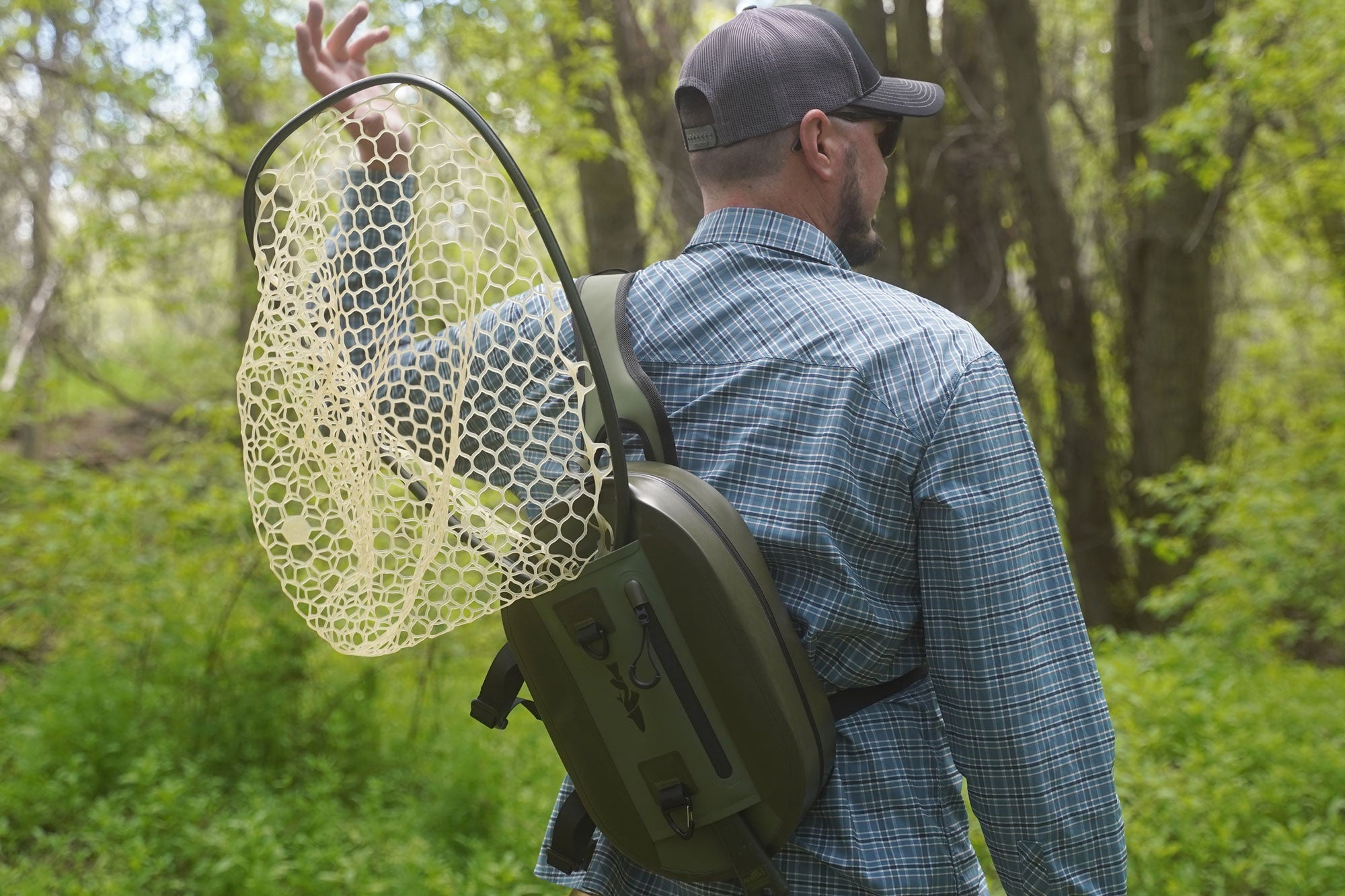
Packing it out is easier when you have somewhere to put it. A JHFLYCO 27L Waterproof Backpack or a zinger for your nippers means cut tippet ends up in a pocket rather than the current. And a reusable water bottle is one fewer thing that can end up floating downstream.
Liked that? Try Fly Fishing vs Pro Football or Holy Waters.

By Christian Bacasa
Host of the Fly Fishing Insider Podcast
Fly Fishing Insider Podcast Official Website
Instagram Fly Fishing Insider Podcast
Instagram Dupeafish
Facebook
Pinterest
Watch on YouTube
Fly Fishing Insider Podcast has a referral partnership with Frontiers International Travel. If you book after being introduced through us, we may receive compensation at no additional cost to you.