
Short answer: fish tailwaters, go between 10am and 3pm, run midges small and tippet fine, and pre-rig your rods at home so you never tie a knot in the cold. Those four things account for most winter success.
Winter, often overlooked, is a fantastic season for fly fishing. It brings unique challenges and opportunities for anglers who dare to brave the cold. The serene, almost solitary environment, coupled with the technical demands, makes it an exhilarating experience.
My local water, for example, can be extremely good and predictable. Most days there's a regular midge hatch that is undoubtedly one of the better dry fly scenarios all year. It lasts a few hours a day, just about every day. The only downfall is that they're size 22 and smaller, which can be a pain in cold conditions.
There are a ton of winter tips out there and this one likely overlaps a few. I've written before about methods for staying warm — today we're covering seven concepts to keep in mind that will give you regular success on the water.
1. Locating trout in winter
Focus on tailwaters during these months. Unlike freestones that are typically blocked with ice, tailwaters remain navigable and ice-free, especially below dams. This isn't a strange phenomenon — most tailwaters release water from the bottom of the dam, which keeps water temperature relatively consistent. That's why it changes little when the ambient temperature does.
From November to March, trout gravitate toward slow runs and deep pools where they can access abundant food with minimal effort. Fast riffles and runs should be avoided, as they're less likely to hold fish this season.
2. Optimal winter fishing time
Timing is crucial. The best period is between 10am and 3pm. Water temperatures below 40 degrees generally mean less active fish. Mid to late afternoon, when the water warms slightly, can bring midge emergences — prime time. As mentioned, my local river does this, and if I leave the house at 9 I know I'm in position for a 10:00 to 1:00 hatch window.
A post shared by Christian Bacasa (@flyfishinginsiderpodcast)
3. Tippet selection
Winter fishing demands finesse. Use 6X fluorocarbon for nymphing and 7X monofilament for dry flies. Keeping an extra spool of each is wise to avoid an untimely shortage that could cost you the day. I often go finer than this, because fish are fewer and further between — if I have one interested, I don't want leader shyness to be the factor.
One rule for any double rig: the lowest fly should always be on your lightest tippet. On the double dry scenario I mentioned, I'd use 6X to my high-vis Griffith's Gnat and 7X or 8X to my size 24 midge. That way if I break off, I'm likely to lose one fly rather than the entire rig.
Stock up on Stone Creek Mono Tippet and 5X, and see the full range in tippets. Carrying spares matters more in winter than at any other time of year, because re-spooling with cold hands is miserable.
4. Choosing the right fly
Midges are the mainstay of a trout's winter diet. Knowledge of the midge lifecycle — larva, pupa, adult — is essential. A subtle size difference, like opting for a 24 over a 22, can be the key to a catch. When in doubt, go smaller. In tailwater scenarios you can't go wrong with small flies. The one exception is when I'm euro-style fishing and feel I can get away with something slightly larger.
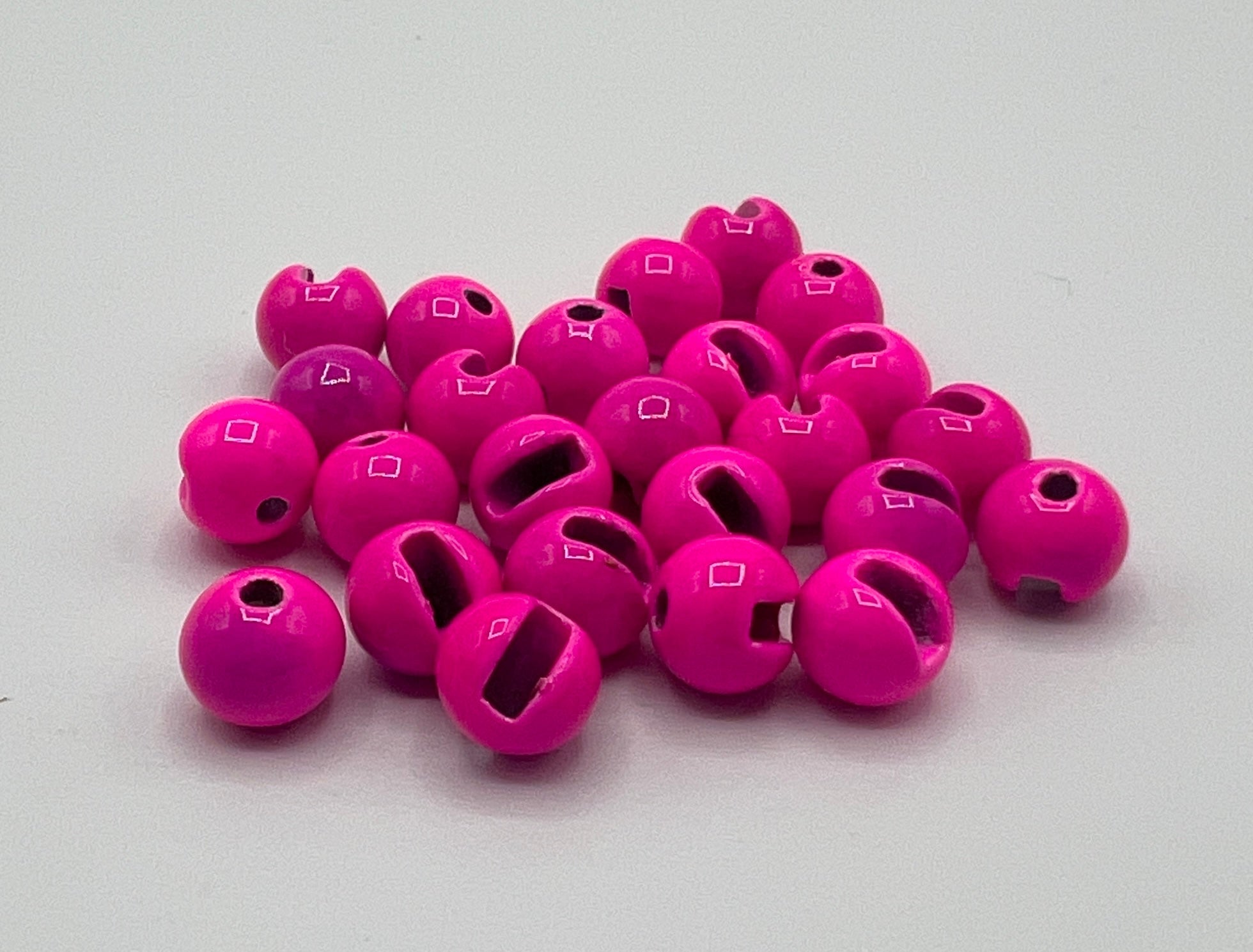
For the boxes: the Black, Olive, and Red Zebra Midge assortments are tailwater staples, and the Basics Essential Bead Head Midge Nymph Assortment covers five patterns in one box. For the emergence stage, the Rainbow Warrior uses a silver bead that plays on the pupal sheen.
More detail in How to Identify a Midge Fly and Hatch.
5. Weight adjustments
Proper weighting is a game-changer. Begin with a size 6 split shot and fine-tune with tungsten putty. Larvae imitations should be fished close to the bottom, while pupae are more effective in the mid-column. Observing trout behaviour is crucial for making the right adjustments.
Adjusting the midge phase I'm using and where it sits on my rig is clutch. On nymphing rigs I typically run a larva on the bottom and a pupating fly on anything I suspect will be more than 12 inches off the substrate.
Technique matters here too. I always swing my rigs at the end of the drift in winter when nymphing. You'll be surprised how many fish you catch on the swing, or when lifting the rig for a recast. That slight elevation change is like an emerging pupa and regularly triggers a take.
For the weight: Lead Split Shot Assortments give you the size range, and the Stone Creek Split Shot Companion makes adding and removing it manageable with cold fingers.
6. Gear preparation for the cold
Winter demands appropriate dressing, and I have an extensive article on that already. But instead of focusing on getting warm or staying warm, I suggest setting a few things up so you can plainly avoid the cold.
Knot tying. Watch the video below on how to tie a clinch knot with your forceps. A pair like the Rambler Tailwater Forceps or the Quickdraw Forceps & Knot Tying Nipper Kit is what makes that possible — and it means you're not stripping gloves off to tie a size 24.
Pre-rigging, so you don't have to tie knots at all. I often take three rods:
- Rod one — rigged for an indicator with midges. I usually use a bounce rig or 90-degree rig in winter, because time is limited and they're super effective.
- Rod two — a euro nymph rig, with a midge and a golden stonefly. Golden stones are present in my local water year-round and I love using one as a point fly with a midge or midge pupa above it. Ours are in the Golden Stones & Sallys Assortment, and the JHFLYCO Euro Nymph Combo is the rod for it.
- Rod three — my dry fly rod, set up as a double dry rig with a high-vis midge cluster and a small size 22 midge off the back.
By setting up three rods I avoid re-rigging in the cold and can switch at ease. The key is to set them up at home in a warm environment. Keep the dries riding with Loon Aquel and Loon Dust — gel freezes if it gets cold enough, so powder earns its place in winter.
7. Slow down your approach
Trout are less active in cold water, so a slower, more deliberate approach is necessary. Slow your casting and retrieving. Make the fly's movement as effortless as possible for the trout, increasing the chance of a strike.
This is particularly useful when fishing streamers. In other situations you're often governed by the flow of the river, but with streamers you have a tremendous effect on fly speed and action. Dead drifting streamers like woolly buggers is a great example — the Crystal Woolly Bugger Assortment covers five patterns.
The bottom line
Winter fly fishing is rewarding for those who embrace its challenges. Follow these seven strategies and you can enjoy the tranquility and unique opportunities the season offers. With the right preparation and mindset, winter becomes something you look forward to.
Fishing in winter is also a great way to spark your fly tying. Because you're spending shorter days on the water, the inspiration goes back to your vice and prompts refills — see the fly tying collection.
Here's another article I think you'll enjoy: How Do Water Temperatures Affect Fly Fishing.
Book the season you actually want
The best weeks on the best water go early. Plan it with Frontiers Travel — don't wait.
Plan Your TripTight lines, everyone!

By Christian Bacasa
Host of the Fly Fishing Insider Podcast
Fly Fishing Insider Podcast Official Website
Instagram Fly Fishing Insider Podcast
Instagram Dupeafish
Facebook
Pinterest
Watch on YouTube
Fly Fishing Insider Podcast has a referral partnership with Frontiers International Travel. If you book after being introduced through us, we may receive compensation at no additional cost to you.