Autumn is the season tenkara anglers talk about all year: cool water, empty banks, falling leaves on the current, and brown trout feeding hard before winter. It is also the season where enthusiasm can do damage, because the same fish feeding aggressively in early autumn will soon be spawning, and a redd is not a target. This article holds both truths at once, because autumn tenkara is only good fishing if the ethics lead.
Early autumn: the aggressive window
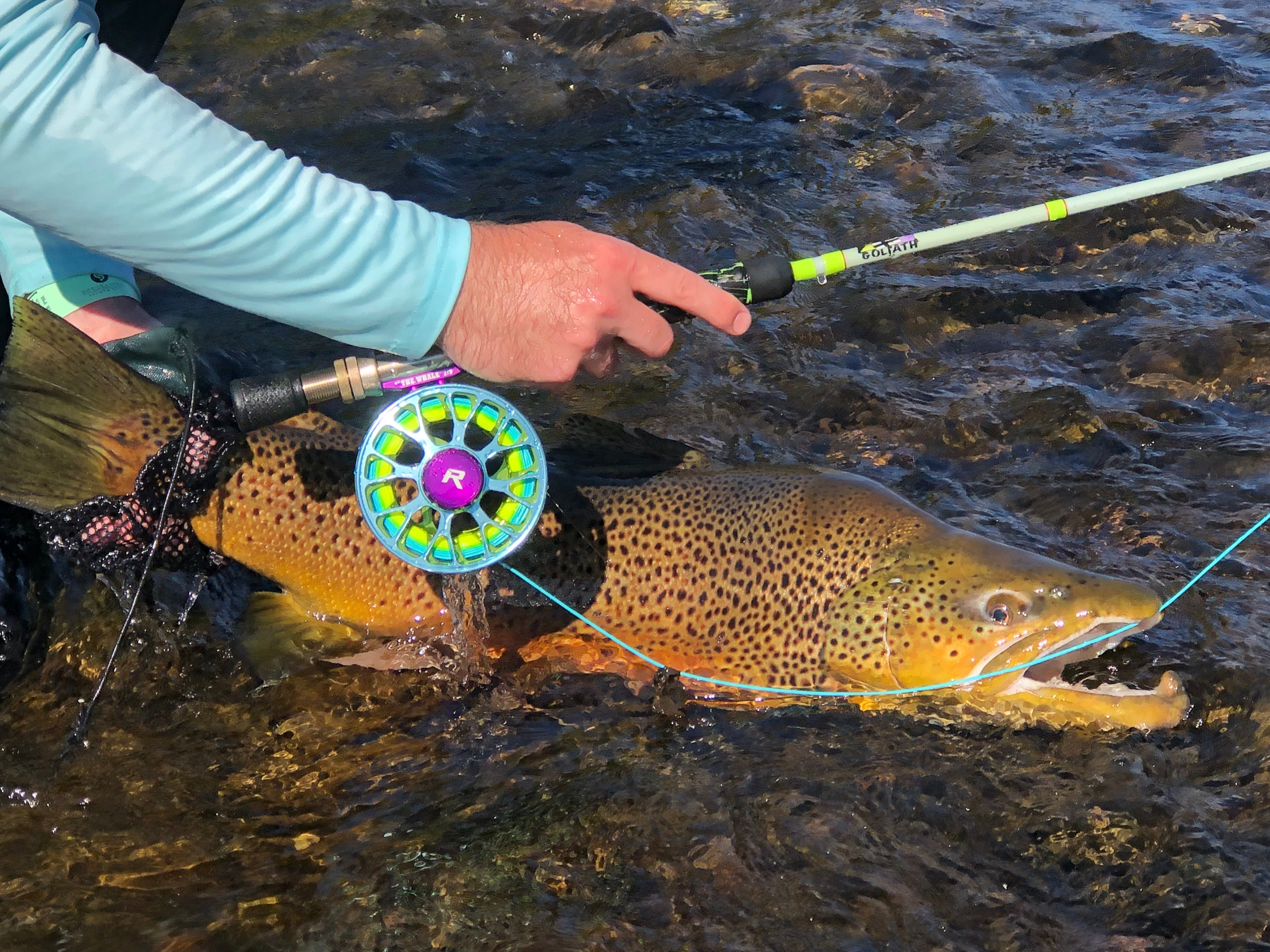
As water cools and days shorten, many trout feed with an urgency missing since spring. For the tenkara angler, that opens presentations that summer refused. Larger kebari, buggers and small streamers, and flies moved with a deliberate pull can tempt fish that ignored a delicate dead drift in August. If you are going to provoke larger, stronger fish on a fixed line, you need a plan for the fight, side pressure, rod angle, and moving your feet, before the take happens.
Fish early autumn like a hunter of individual fish. Work pools and runs methodically, present into the likely holding spots, and use pulling and pause-and-drift presentations from the core tenkara technique set described by Tenkara USA. A streamer or large kebari pulled through a pool and then paused at the edge of a seam imitates the moment autumn fish are watching for: something vulnerable, moving, then faltering.
Keep covering water. Autumn fish may be aggressive, but they are not everywhere. A pool that produces nothing on a streamer, a large kebari, and a smaller follow-up fly has given you an honest answer. Move, and spend the short autumn daylight where fish are willing.
The turn: when feeding becomes spawning
There is no universal calendar date for the turn, and any article that gave you one would be misleading you. Spawning timing varies by species, river, altitude, and year. What you can learn is what to watch for, and what to do when you see it.
Watch for fish pairing up over cleaned, lighter patches of gravel in shallow tailouts and riffle tails. Watch for fish chasing each other rather than feeding, for visible digging or rolling behaviour over gravel, and for fish that ignore food in places where they fed last week. Those cleaned gravel patches are redds, nests where eggs are deposited, and fish on them are spawning, not feeding targets.
The rule is absolute and simple: do not cast to fish on redds, do not wade through redds, and do not fish the shallow gravel areas where redds are being built, even if a large fish there looks tempting. Eggs and developing fish in that gravel remain vulnerable long after the adult fish leave, so your boots can do damage your fly never would. Cross streams on hard bottom, bedrock, or established crossings, and give spawning areas a wide berth for the rest of the season.
Some waters close for spawning, some have local rules or voluntary conventions, and some species in your river spawn at different times than others. Check your current local regulations, ask locally, and when you are unsure whether a shallow area is spawning gravel, treat it as if it is. The fish you do not catch this autumn are the fishery you will fish for years.
Streamers and large flies on a fixed line, honestly
A fixed line sets real limits on streamer fishing, and autumn is no time to pretend otherwise. You cannot strip a long line back against the current, you cannot cast a heavy, air-resistant fly as far as a reel rod can, and you cannot let a hot fish run into backing. What you can do is present a streamer or large kebari at short range with total control of its speed and pause, in the pools, log edges, and undercut banks where autumn predators actually hold.
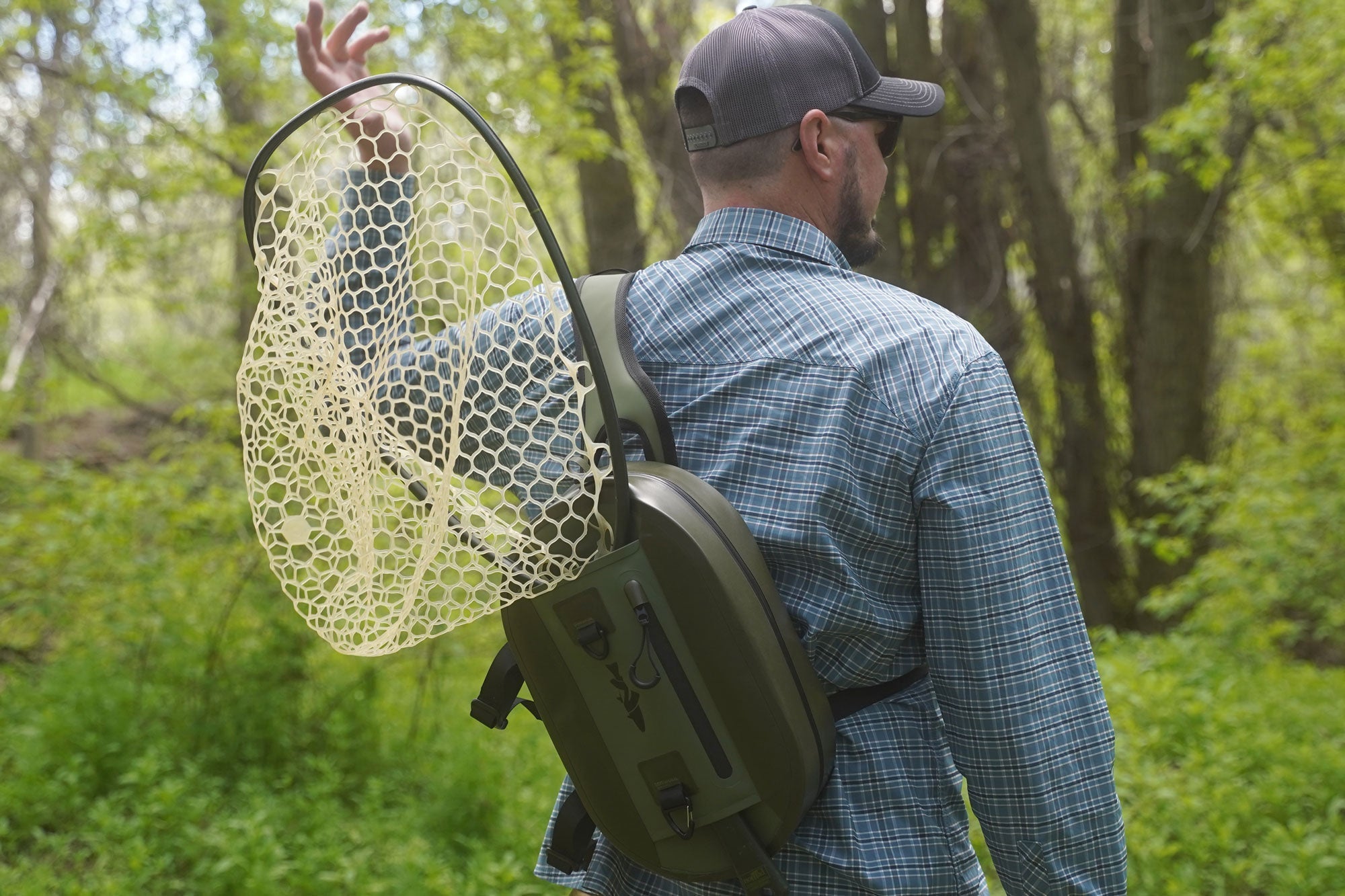
Choose flies you can cast cleanly with your rod. A fly that collapses your cast helps no one. Present quartering across or slightly upstream, pull the fly through the holding water in short draws, pause it at the most dangerous-looking spot, and be ready on the pause. Play fish with the rod low and angled, using side pressure to turn them away from wood and undercuts, and bring them to a net that is big enough for the fish you are targeting. Autumn is the wrong season to learn that your net was sized for summer panfish.
Tippet deserves an autumn decision too. Larger flies and stronger fish, near structure, argue for the sturdier end of the tippet range your rod allows. Never exceed the rod maker's guidance, and never solve a snag or a big fish by pointing the rod straight at it and pulling. Use a tippet that breaks before the rod is overloaded, and never solve a snag or a big fish by pointing the rod straight at it and pulling.
Autumn beyond browns
Brown trout dominate autumn writing, but autumn tenkara is wider than one species. Cooling ponds and rivers give warmwater fish a final active period in many regions, other trout species feed hard before winter on their own schedules, and headwater creeks in autumn are quiet, beautiful, and often lightly fished. TenkaraBum's American Tenkara writing, centred on fishing for what lives near you, is the right spirit for October as much as for July.
Use autumn to learn water. The covering-water tenkara rhythm suits a day of walking a creek and noting pools, structure, and spawning gravel for next year. Mark in your notes where you saw redds, not to target them, but to protect them and to understand where fish gather when the season turns again.
FFIP podcast angle: a fisheries biologist who works with spawning trout, interviewed alongside a tenkara guide, would make the strongest possible autumn episode: tactics and restraint from two kinds of expertise.
Closing the season well
End autumn sessions with the winter in mind. Release fish fast and in the water, especially any fish that shows spawning condition or colour. Clean and dry gear between waters, as a basic biosecurity habit in a season when you may visit several creeks. And leave spawning tributaries alone once the turn is clear, even if social media suggests others are not doing so. The anglers who protect autumn fish are the reason spring fishing exists.
Practical takeaways and common mistakes
- Mistake: casting to fish over cleaned gravel. Fix: recognise redds, do not cast, do not wade, and move to deeper feeding water.
- Mistake: fishing a streamer your rod cannot cast. Fix: choose flies that cast cleanly at short range, and fish pools and structure precisely.
- Mistake: playing a big autumn fish with the rod pointed at it. Fix: use side pressure and rod angle, move your feet, and carry a net sized for the fish.
- Mistake: assuming a universal spawning date. Fix: watch behaviour and gravel, check local rules, and treat uncertain shallows as spawning areas.
- Takeaway: early autumn rewards larger flies, pulling presentations, and covering water.
- Takeaway: late autumn rewards restraint. Protecting redds is not a limitation on the season. It is the season's most important skill.