
Derek Rodale, founder of Reyr Gear, came back on the show about a year after his first appearance to talk about what happens when a niche gear idea actually catches on. Reyr Gear makes a collapsible fly rod where the line runs through the inside of the rod itself, no guides on the outside, so it goes from backpack to fishing in about thirty seconds. That's a neat piece of engineering, but the real value in this conversation is bigger than one product: it's the case for why every angler benefits from having a dedicated, no-stress backup rod, and what actually matters when you're choosing one.
Why a "Grab and Go" Rod Earns Its Place in Your Closet
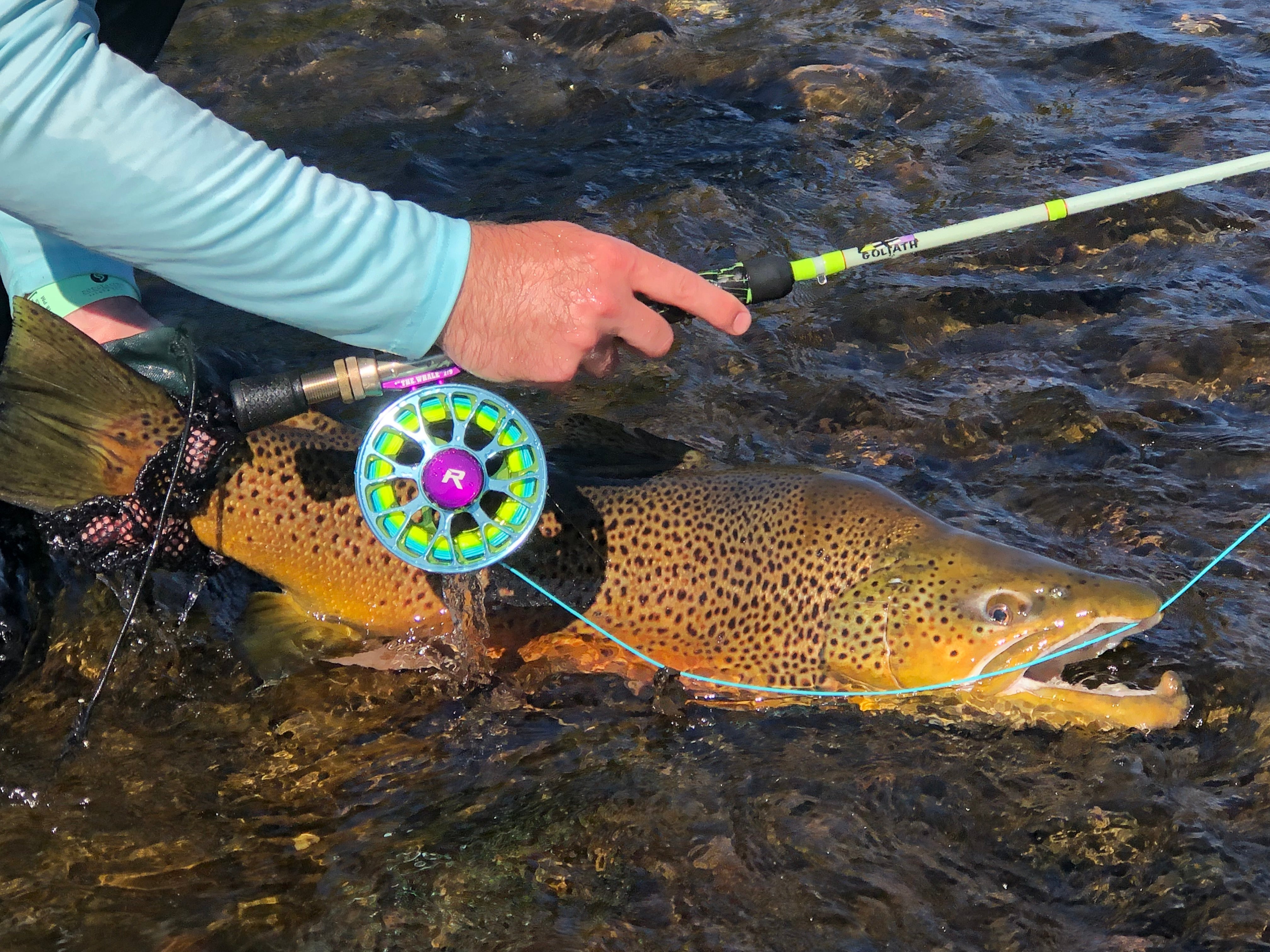
Derek's original motivation was practical: he'd broken good rods while traveling and wanted something always ready in the car for a hike or an unplanned stop at a creek, even with non-fishing friends along. That's the case for a backup rod in a nutshell. It's not a replacement for your primary setup, it's insurance against the moments your primary setup isn't practical to bring, whether that's a backcountry hike, checked luggage restrictions, or just not wanting to risk a rod you care about on a whim stop. He's landed everything from bluegill to thirty-inch pike on his rods, which tells you these aren't toys, they're legitimate tools with a narrower job description.

Match the Rod Weight to the Job
Reyr Gear's lineup breaks into two weight classes, and the split is instructive even if you're shopping a different brand entirely. Their four-weight is built for small mountain streams and backpacking trips where a finer touch matters more than distance or wind resistance. Their heavier six-weight is a do-anything rod, the one Derek reaches for across species and water types when he doesn't know exactly what he'll encounter. If you're building a travel kit, that same logic applies: pick one rod that covers the widest range of realistic scenarios for your trip rather than trying to match a rod to every fish you might hypothetically see.
Line Compatibility Matters More Than It Seems
Because the line runs inside the rod rather than through external guides, standard fly lines create too much friction. Derek's team worked with Scientific Anglers to use their textured line series, which reduces surface friction enough to make the internal-line system cast well. The broader lesson for any compact or travel setup: don't assume your existing line will perform the same way in a different rod configuration. If a rod uses an unconventional line path, ask the manufacturer directly what line family is designed to pair with it before you're disappointed on the water.
Keep the Kit Simple on Purpose
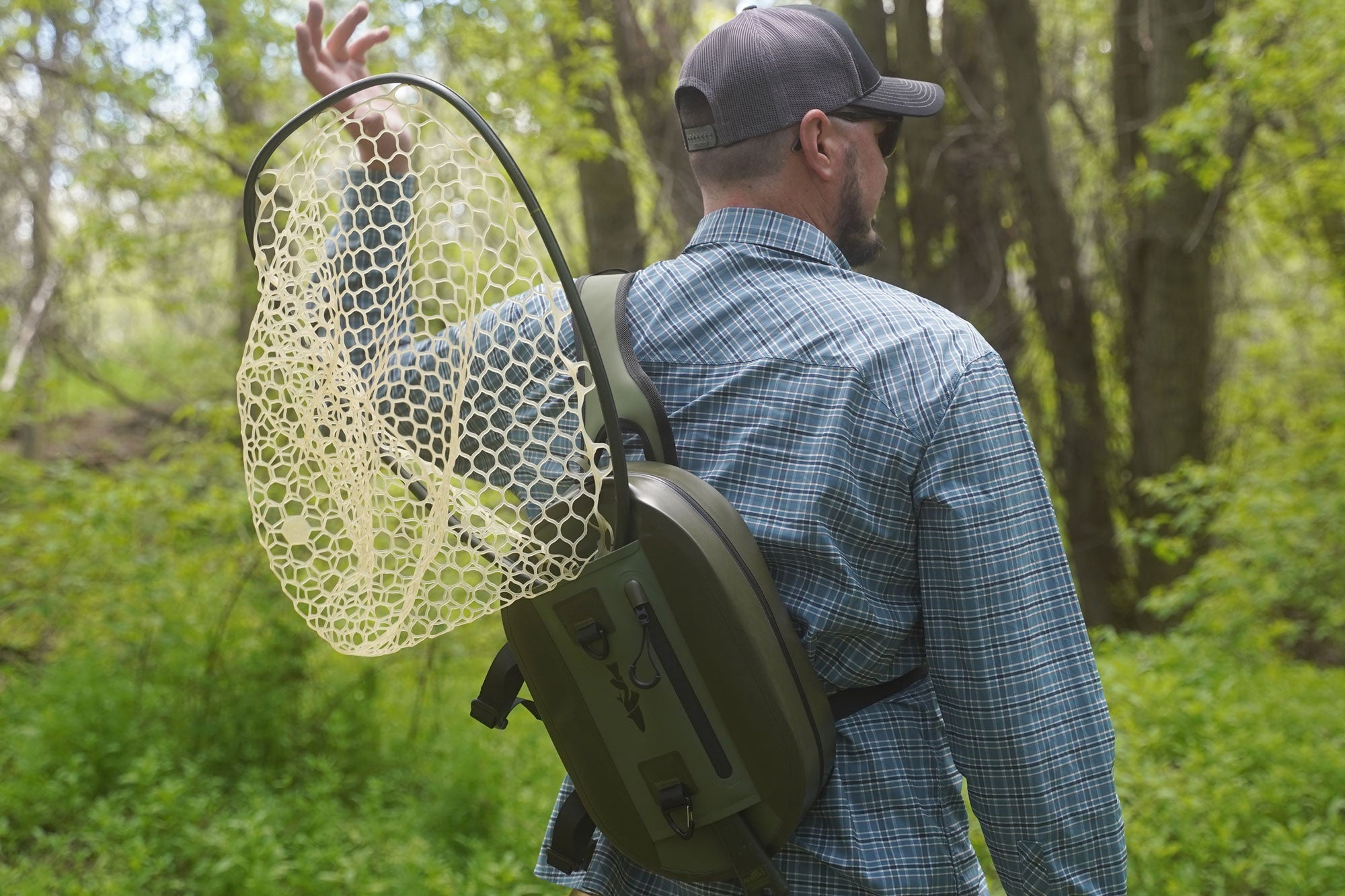
Derek's approach extends past the rod itself. He's building out collapsible nets and eventually wading boots to round out a full pack-it-small kit. The philosophy is deliberate minimalism: fewer decisions, less gear to break or lose, and a setup you'll actually grab instead of leaving in the garage because it's a hassle to pack. That's a useful filter for any traveling angler, whether you're buying a specialty travel rod or just packing your existing gear for a trip.
Gear
If you're mapping out how to pack and plan for a fishing trip away from home, our Essential Elements of Destination Travel for Anglers eBook covers exactly this kind of planning. And if you're newer to the sport and building your first kit, the Beginner Fly Fishing eBook is a great place to start.
Fly Fishing Insider Podcast has a referral partnership with Frontiers International Travel. If you book after being introduced through us, we may receive compensation at no additional cost to you.