
The best winter flies for trout are small subsurface patterns that match what cold-water trout eat: Zebra Midges and other midge larvae in sizes 16-22, egg patterns, San Juan Worms, small Blue Winged Olive nymphs like the RS2 and Pheasant Tail, a Griffith's Gnat for midge hatches and a slowly stripped Woolly Bugger.
Winter is my favorite time to prove a point to friends who hang up their rods in November. The parking lots are empty, the light is low and soft, and a trout that's barely moving will still eat if you put the right fly right in front of its nose. The trick is that "right fly" gets a lot smaller and a lot simpler when the water drops into the 30s and low 40s.
This list is the short, honest winter box: twelve patterns that cover the food trout actually see from December through early spring, on tailwaters, spring creeks and freestones. Everything is available in the FFIP fly collection, and I'll tell you how and when to fish each one.
- Go small. Midges and Baetis nymphs in sizes 18-22 do most of the work in winter.
- Go deep and slow. Cold trout hold in slow, deep water and rarely chase; drift flies right along the bottom.
- Fish the warm window. Late morning through mid-afternoon, when the water warms a degree or two, is usually best.
- Carry eggs and worms. An egg or San Juan Worm is the classic lead fly ahead of a tiny midge.
- Watch for BWOs. Overcast winter afternoons can bring a Baetis hatch; have a size 20 BWO dry ready.
What Do Trout Eat in Winter?
Trout eat mostly midge larvae and pupae in winter, along with Blue Winged Olive (Baetis) nymphs, drifting eggs, aquatic worms and the occasional sculpin or small baitfish. Midges (chironomids) hatch all year, so they're the most reliable food in cold water, especially on tailwaters below dams where water temperatures stay more stable. If you're new to them, our guide on how to identify a midge fly and hatch is the place to start.
Cold water also slows a trout down. Its metabolism drops, so it holds in slow, deep runs and tailouts and won't move far for a fly. That's why winter fly selection is less about matching a perfect hatch and more about size, depth and a drag-free drift. A size 20 midge drifting six inches off the bottom will outfish a perfect imitation drifting two feet over the fish's head every day of the week.
Which Midge Patterns Work Best for Winter Trout?
The midge patterns that work best for winter trout are simple, slim bead head larvae and pupae like the Zebra Midge and Rainbow Warrior, plus a Griffith's Gnat for the days when midges cluster on the surface. Carry them in black, red and olive in sizes 16 through 22.

Black Zebra Midge Assortment (Sizes 14, 16, 18)
If I could carry only one winter fly, it would be a black Zebra Midge. The pattern is about as simple as flies get: a thread body, a wire rib and a bead, which makes a slim, segmented larva that sinks fast. This assortment gives you three each of sizes 14, 16 and 18, so you can start bigger in off-color water and go smaller when the fish get picky.
$17.95 Shop Now

Bead Head Rainbow Warrior Midge Assortment
Lance Egan's Rainbow Warrior adds a pearl, flashy body to the midge silhouette, and that little bit of sparkle can trigger strikes in low light or slightly stained water. The silver bead gets it down quickly, and it works in stillwaters where chironomids are present as well as rivers. Three each of sizes 14, 16 and 18.
$17.95 Shop Now

Essential Bead Head Midge Nymph Assortment (10 Flies)
Not sure which color your river likes this week? This 10-fly assortment covers five patterns, including Zebra Midges in three colors, a Rainbow Warrior and a BWO midge, in sizes 14, 16 and 18. Rotate colors before you change patterns; on many winter days, color and size matter more than the fly's name.
$21.95 Shop Now

Griffith's Gnat Dry Fly, Size 20 (6 Flies)
The Griffith's Gnat, named for George Griffith, one of the founders of Trout Unlimited, is the classic imitation of clustered adult midges. When you see trout sipping tiny bugs in the slow foam lines on a calm winter afternoon, tie on a size 20 Gnat with fine tippet and grease the leader so it rides high.
$16.95 Shop Now
The drift starts the second the flies land. On Guided EP #22 of the Fly Fishing Insider Podcast, South Platte tailwater guide Pat Dorsey explained that short-line nymphing doesn't demand great casting, but it does demand good line management. Feed a little controlled slack the instant your flies touch down so they sink and drift naturally instead of dragging. With tiny winter midges, that first second decides whether the drift works.
Colorado tailwater guide Pat Dorsey joined former FFIP host Greg Keenan to talk about the South Platte, Cheesman and the leader setup he uses for spooky tailwater trout, exactly the water where winter midge fishing shines. Episode page.
Do Egg and Worm Flies Work for Winter Trout?
Yes, egg and worm flies work very well for winter trout. Eggs drift downstream from spawning trout, suckers and whitefish at different times of the year, and higher winter flows knock aquatic worms loose from the bottom. Both make a big, visible lead fly that carries a tiny midge or Baetis nymph down to the fish on a two-fly rig.

Bead Head Oregon Cheese Egg, Size 16 (6 Flies)
Oregon Cheese is a muted, natural egg color that trout eat when brighter eggs get refused. These have gold bead heads for weight and are tied on stout 2X TMC hooks, and the tyer recommends them for tailwaters like the San Juan and Colorado. Fish one as the top fly with a midge 12 to 18 inches below.
$15.95 Shop Now

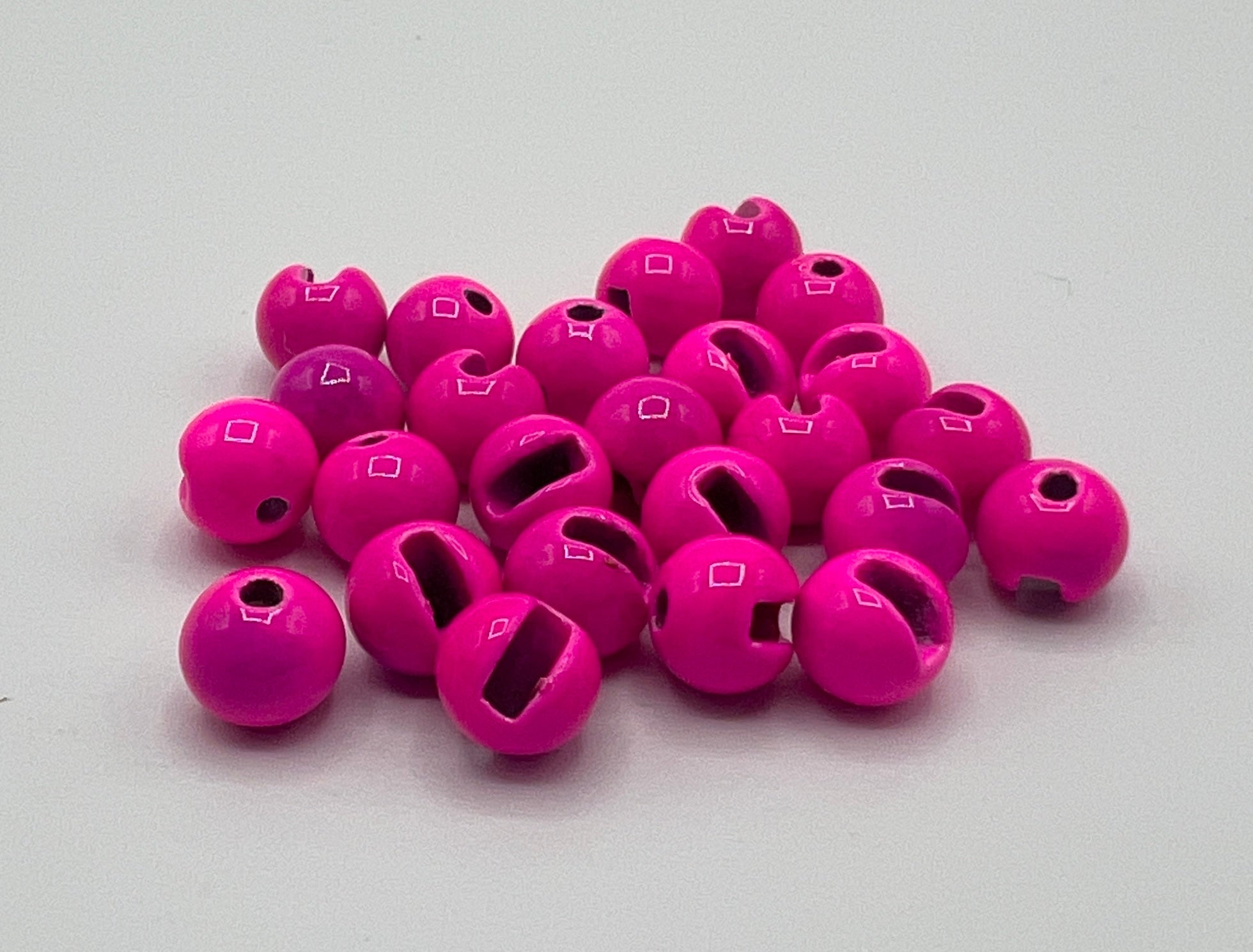
Tungsten Bead Hot Pink Jig Egg, Size 16 (6 Flies)
A tungsten bead and jig hook let this hot pink egg sink fast and ride hook point up, so it snags the bottom less while you drift it right where winter trout hold. The barbless hook also makes releases quick, which keeps your hands (and the fish) out of cold water. Great on a tight-line or Euro rig.
$17.95 Shop Now

Bead Head San Juan Power Worm, Red V-Rib, Size 10 (6 Flies)
The San Juan Worm is the fly for rising or slightly off-color winter water, when flows push worms into the drift. This Power Worm version has a bead head and a red V-rib body, tied on a size 10 hook, which makes it a strong lead fly in front of a smaller midge or Pheasant Tail.
$14.95 Shop Now
Which BWO Nymphs and Dries Should You Carry in Winter?
Carry small Blue Winged Olive nymphs, emergers and dries in sizes 18-20, because Baetis mayflies often hatch on overcast, gray winter and early spring afternoons. The nymphs work all day; the dries are for the hour when you see fish rising.

Barr's Baetis Emerger BWO, Size 18 (6 Flies)
John Barr's Baetis Emerger imitates a BWO nymph on its way to the surface, and it's one of the most trusted emerger patterns on western tailwaters. Fish it as the dropper below an egg or a heavier nymph, or swing it gently at the end of a drift when you see the first BWOs in the air.
$16.95 Shop Now

RS2 Sparkle, Olive
The RS2, short for Rim's Semblance 2 and created by Colorado tyer Rim Chung, is a sparse little pattern that reads as a Baetis or midge emerger. This Sparkle version has a loop wing and a tinsel tail and is sold individually, so grab a handful in olive for your winter box.
$1.80 Shop Now

Bead Head Pheasant Tail Nymph, Size 18 (3 Pack)
The bead head Pheasant Tail is the classic mayfly nymph, and a size 18 is right in the Baetis range for winter. Fish it on its own, as the second fly in a two-nymph rig or as a dropper under a small dry. Need a deeper dive on nymphs? See our Flashback Pheasant Tail tying guide.
$7.49 Shop Now

Blue Wing Olive Parachute Dry Fly, Size 20 (3 Pack)
When the clouds come in and trout start rising to Baetis duns, a size 20 BWO Parachute is the fly. The white post makes a tiny fly easier to track in flat winter light. Use 6X tippet and expect a slow, deliberate rise, so wait a beat before you set.
$8.49 Shop Now
Should You Fish Streamers for Trout in Winter?
Yes, but slow way down. Winter streamer fishing for trout works best with small, dark patterns stripped slowly or dead-drifted through deep runs, not the fast, aggressive retrieves of fall. Big browns still eat a meal in winter; they just won't chase one far. Our streamer collection has bigger patterns for warmer days.

Dark Olive Bead Head Crystal Woolly Bugger, Size 8 (6 Flies)
A size 8 dark olive Crystal Woolly Bugger with a bead head is the small streamer every winter box needs. Dead-drift it under an indicator like a big nymph, or swing and twitch it slowly through tailouts. Dark olive reads as a sculpin, leech or big stonefly nymph, and the crystal flash adds just enough sparkle in low light.
$14.95 Shop Now
How Do You Rig and Fish Winter Flies for Trout?
Rig winter flies for trout on a two-fly nymph rig: a heavier egg, worm or Pheasant Tail up top and a tiny midge or Baetis nymph 12 to 18 inches below on 6X or 7X tippet, with split shot or a tungsten bead to reach the bottom. Use a small indicator in slow water or a tight-line setup in faster runs, and adjust depth before you change flies. Our guides to two-fly nymph rigs and tailwater tactics for picky trout walk through both.
Winter fishing also asks for a little extra care. Cold water makes a fall more dangerous, so wade slowly, wear a wading belt, skip deep or fast crossings and carry dry clothes in the truck. Keep trout in the water when you can, since fish handled in freezing air can suffer frozen gills and eyes. For layering, read how to stay warm when winter fly fishing.
Planning a trip? 10 Best Winter Fly Fishing Destinations in the West and the FFIP Winter Escape Planner cover where to go.
Get the FFIP holiday deals first
Drop your email and we'll tell you the moment a holiday sale goes live, starting with Thanksgiving to Cyber Monday. No spam; unsubscribe anytime.
Frequently Asked Questions
What is the best fly for trout in winter?
The best fly for trout in winter is a small midge pattern such as a black Zebra Midge in sizes 18-22, fished deep and slow on light tippet. Midges hatch year-round, so they're the most consistent winter food, especially on tailwaters.
What size flies should I use for winter trout?
Use small flies for winter trout, mostly sizes 18-22 for midges and Baetis nymphs and dries. Lead flies such as eggs and San Juan Worms can be larger, size 10-16, to add weight and visibility ahead of a tiny dropper.
What time of day is best for winter fly fishing?
Late morning through mid-afternoon is usually best for winter fly fishing, because the water warms slightly and midges and Blue Winged Olives are most active. Overcast afternoons are prime time for BWO hatches.
Do trout eat dry flies in winter?
Yes, trout eat dry flies in winter during midge and Blue Winged Olive hatches. A Griffith's Gnat or size 20 BWO Parachute fished on fine tippet in slow water can bring up rising fish on calm, mild afternoons.
Winter trout fishing rewards patience more than any other season. Tie on something small, get it deep, slow everything down and enjoy having the river to yourself. Stock up in the FFIP fly shop and keep a dry pair of gloves in the truck.
Tight lines, everyone!
Here's to empty parking lots and tiny flies that help you catch any fish, any time, and anywhere.
Shop FliesShow us your winter trout on Instagram @flyfishinginsiderpodcast