
Some rivers give up their fish easily. Tailwaters are not those rivers. The cold, clear, insect-rich water below a dam grows trout that are exceptionally well fed and exceptionally hard to fool. On this episode of the Fly Fishing Insider Podcast, host Greg Keenan sat down with Pat Dorsey, a partner at the Blue Quill Angler and a guide who has spent thirty years on Colorado's South Platte, including the legendary Cheesman Canyon. Pat has forgotten more about tailwater trout than most of us will ever learn, and the through-line of everything he shared is simple: on a tailwater, small flies, light tippet, and a perfect drift beat everything else. Here is how to put that into practice.

A Tailwater Is a Tailwater
Pat's favorite mantra for anyone learning this game is that a tailwater is a tailwater. Whether you are fishing the South Platte in Colorado or the South Holston in Tennessee, the dam creates the same conditions: stable, cold flows and a food base dominated by tiny midges and mayflies. That means the same starting point works almost everywhere. When in doubt, go small. Pat routinely fishes size 20 and 22 flies and drops to 24s and 26s in winter, because that is genuinely what the fish are eating. If you are stuck choosing between two fly sizes on a tailwater, pick the smaller one. It is the single most common adjustment that turns a slow day around.
Riffle Fish Are Feeding Fish
The second big idea is where you point your flies. It is tempting to cast at the big trout you can see stacked in a slow pool, but those fish are often just resting, not eating. Pat does a lot of sight fishing and keys on actively feeding fish, and his rule of thumb is that riffle fish are feeding fish. Broken, oxygenated riffle water is where trout move to eat, and it also hides the small imperfections in your presentation. Rather than randomly covering water and hoping for the best, watch for fish that are actively working, then get your flies in front of them. This is also why the first drift matters so much: in heavily pressured water, that first clean pass through a lane is your best chance before the fish gets wary.

Fish the Right Part of the Column
Pat's most fixable mistake among anglers is fishing too deep. A lot of people pile on weight, drag their flies along the bottom, and end up drifting below trout that are actually feeding in the middle of the water column. His baseline is to set the indicator about one and a half to two times the depth of the current, then adjust from there. If he sees fish suspended and sipping midge pupae, he shortens up and lightens the weight so the flies ride at the fish's level. A single number-six split shot is often plenty in those situations. The goal is not to get deep for its own sake, it is to put the fly exactly where the fish are looking.
Go Light and Go Stealthy
Fine tippet is non-negotiable on technical water. Pat runs fluorocarbon down to 5X and then switches to nylon for 6X, and he lives on 6X because it is more supple and gives a more natural, drag-free drift. He will even drop to 7X with tiny dries. The trade-off, of course, is that light tippet demands a soft touch when you set the hook and fight fish. Pair that with a stealthy approach, especially in the low, clear water so many of us faced this past season. Wear drab clothing, keep your profile low, make every cast count, and remember Pat's encouragement: if you can catch fish on a technical tailwater, you can catch them just about anywhere in the world.

Gear for Tailwater Trout
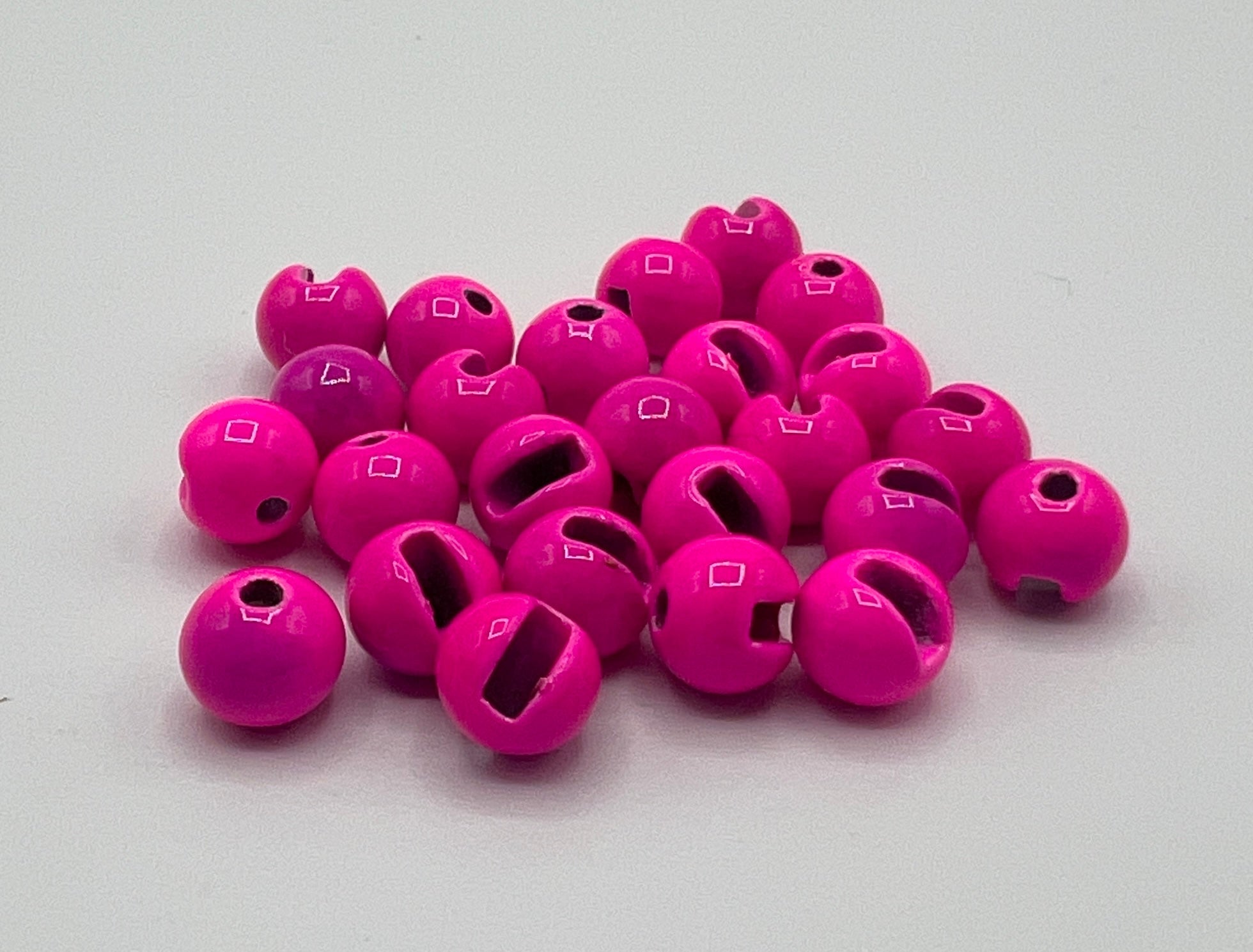
Tailwater success comes down to small, precise, and light. A box of size 14 to 18 Red Zebra Midge tailwater flies covers the midge bite that feeds these fish year round, and it is exactly the kind of small pattern Pat leans on. To turn over light tippet and get the drag-free drifts he preaches, a Big Hog Furled Leader is built for nymph and two-fly rigs. And if you want more edges like these in your back pocket, our Tips and Tricks for Fly Fishing eBook is a great companion. Go find a riffle and fish it right.
Book the season you actually want
The best weeks on the best water go early. Plan it with Frontiers Travel — don't wait.
Plan Your TripFly Fishing Insider Podcast has a referral partnership with Frontiers International Travel. If you book after being introduced through us, we may receive compensation at no additional cost to you.