
Expert insights from Christian Bacasa, Host of the Fly Fishing Insider Podcast
Introduction
Fly fishing Bighorn River offers some of Montana's best fly fishing opportunities. This comprehensive Bighorn River fishing guide covers everything from access points and seasonal hatches to proven techniques and local fly patterns. Whether you're planning your first trip or seeking to improve your success on these waters, this guide provides the essential information you need.
My Bighorn River Discovery
Over the years, Bighorn River has delivered some of the most rewarding fishing experiences of my career. My first real success there came during August when stable summer weather created ideal conditions for the legendary Pale Morning Dun and Trico emergence combination. Starting at the Three Mile access boat launch, I worked downstream through crystal-clear tailwater runs and was amazed when I landed 15 brown trout averaging 16 inches within the first four hours. Every fish took either a size 16 PMD Emerger or a size 22 Trico Spinner, perfectly matching the overlapping hatches that were emerging consistently above the prime feeding lanes.
The day that truly convinced me of Bighorn River's exceptional quality happened during September under crisp fall conditions. Most anglers had focused on the upper river, but I remembered reading about the consistent fish density that makes this river productive throughout its length. Sure enough, as afternoon approached, rainbow trout began feeding aggressively in the deeper pools and along the inside bends. Using indicator nymphing techniques, I connected with a 20-inch rainbow that displayed the robust condition this river is famous for. The 6-minute battle in moderate current reminded me why Bighorn River consistently produces the highest trout density in Montana.
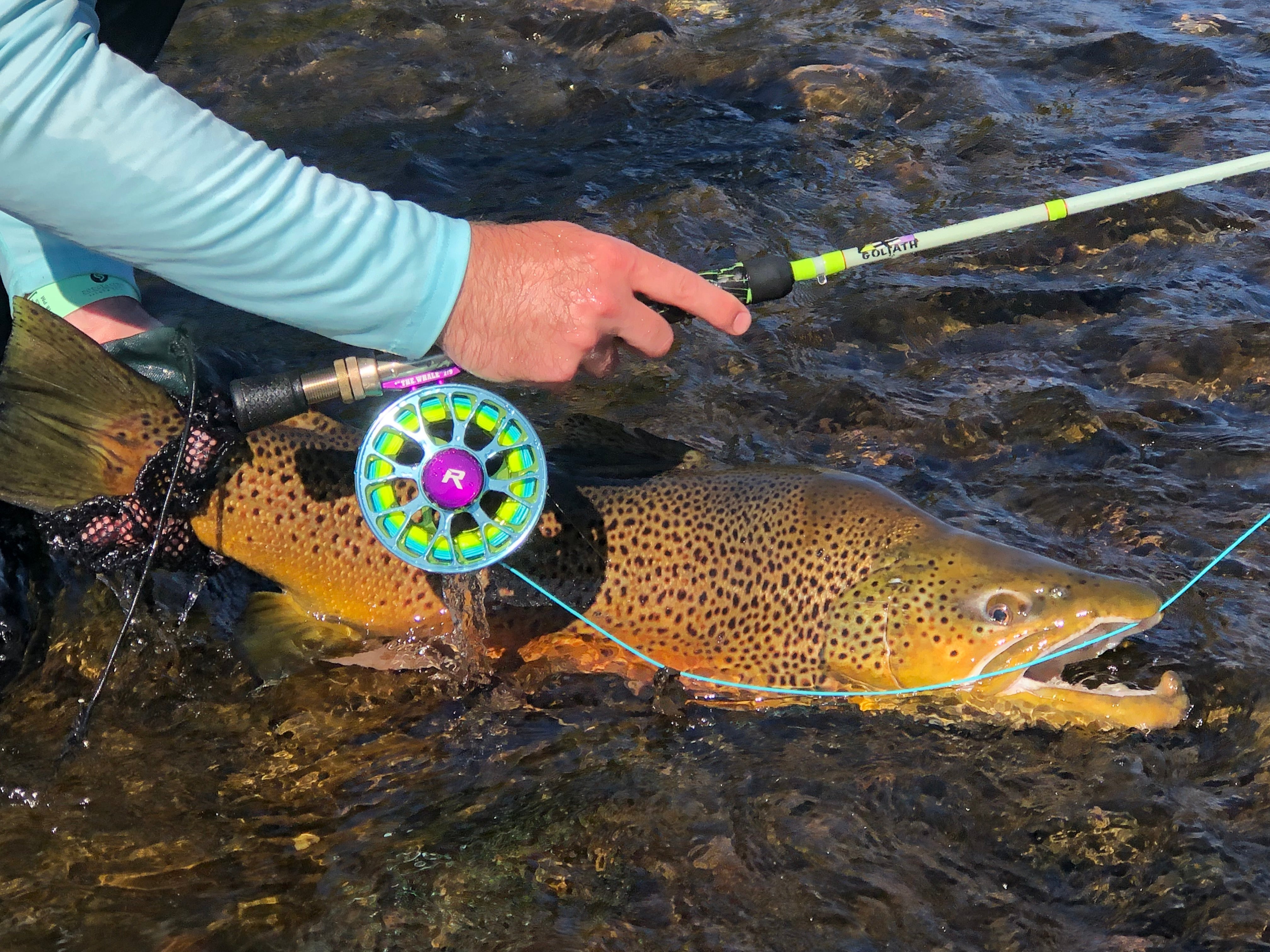
My most unforgettable day occurred during July when peak summer conditions created perfect hopper fishing. The terrestrial hatch was in full swing exactly as described by local guides at Fort Smith, and I witnessed feeding activity that exemplified why this river maintains its world-class reputation. Working the prime bank water in the Ten Mile section, I experienced what can only be described as aggressive surface feeding. Brown trout and rainbow trout were crushing hoppers along the grassy banks, and I landed 22 fish including multiple specimens over 18 inches. The combination of consistent dam releases and abundant terrestrial activity created conditions that showcased everything special about Bighorn River.
These experiences represent why Bighorn River has become my go-to destination for consistent numbers and quality in a tailwater environment. Each visit reinforces my understanding of how controlled flows and prolific food sources create the perfect environment for trout to thrive in exceptional densities. Whether you're targeting the 60% brown trout population or hoping to encounter the aggressive rainbow trout, Bighorn River delivers the kind of authentic fly fishing experience that transforms good anglers into great ones.
Quick Summary: Bighorn River provides 35 miles of premier tailwater fishing for brown and rainbow trout. Peak fishing months are July, August, September. Difficulty level: intermediate (both wade and float options). Average fish density: highest in Montana. Essential flies include PMD patterns, Trico spinners, and hopper imitations. Best suited for anglers seeking consistent action.
Bighorn River Quick Reference Guide
| Essential Information | Details |
|---|---|
| Location | Montana, Big Horn County |
| GPS Coordinates | 45.3311° N, 107.9378° W (Afterbay Dam) |
| Difficulty Level | Intermediate (Wading: 3/5, Float: 2/5) |
| Best Fishing Months | July, August, September |
| Target Fish Species | Brown trout (avg 15-17"), Rainbow trout (avg 14-16") |
| Total Fishable Miles | 35 miles (Afterbay Dam to Two Leggins) |
| Fish Population Density | Highest trout concentration in Montana |
| Water Classification | Tailwater (dam-controlled flows) |
| Required Permits | Montana fishing license, no special stamps required |
Why Bighorn River Fishing Should Be Your Next Adventure
Bighorn River stands out among Montana fishing destinations for several compelling reasons. The first time I fished Bighorn River, the consistent fish rises and exceptional numbers immediately indicated this water was world-class. The prolific hatches and willing trout in pristine tailwater created an instant appreciation for this unique fishery. After 10+ years of exploring this fishery for the Fly Fishing Insider Podcast, Bighorn River consistently delivers the highest catch rates in Montana within a manageable travel distance from major airports.
What Makes Bighorn River Fishing Special
Bighorn River offers unique fishing characteristics that set it apart from other Montana rivers:
- Highest trout concentration in Montana with exceptional fish density
- Year-round fishing opportunities with world-class summer hatches
- Pristine tailwater conditions with consistent flows from Yellowtail Dam
- Both wade and float fishing options for all skill levels
Bighorn River Water Characteristics by Section
Three Mile Section (River Miles 0-3): The upper section features the highest fish density with excellent wade fishing access from Afterbay Dam downstream. Crystal-clear water and technical fishing.
Ten Mile Section (River Miles 3-13): This middle stretch offers the best combination of wade and float fishing through diverse habitat including islands, side channels, and classic runs.
Lower Bighorn (River Miles 13-35): The lower river provides excellent float fishing through more remote water with decreased pressure and excellent streamer fishing opportunities.
Getting to Bighorn River: Directions and Access Points
Driving Directions to Bighorn River
From Billings:
- Distance: 65 miles
- Estimated Drive Time: 1 hour 15 minutes
Step-by-Step Directions:
- Take I-90 East for 45 miles
- Exit 447 toward Hardin/Little Bighorn Battlefield
- Turn right on US-212 South for 15 miles
- Turn left toward Fort Smith/Yellowtail Dam
- GPS coordinates for Afterbay Dam: 45.3311° N, 107.9378° W
Bighorn River Access Points and Parking
| Access Location | GPS Coordinates | Parking Capacity | Walk to Water | Recommended For |
|---|---|---|---|---|
| Afterbay Dam | 45.3311° N, 107.9378° W | 40 spots, free | 200 yards, easy | Wade fishing, boat launch |
| Three Mile Access | 45.3156° N, 107.9234° W | 25 spots, free | 100 yards, easy | Wade fishing, day use area |
| Bighorn Access | 45.2567° N, 107.8456° W | 30 spots, free | 50 yards, easy | Float fishing, camping |
Expert Access Recommendation: First-time Bighorn River anglers should begin at Three Mile Access because it offers excellent wade fishing opportunities with the highest fish density and multiple water types. The approach to the water is straightforward, and this access point immediately showcases the Bighorn's renowned fish concentration and feeding activity.
Bighorn River Fish Species and Population Data
Species Composition Overview (Latest Survey Data: 2023)
Understanding Bighorn River fish populations helps anglers target the right species using appropriate techniques and flies. The following data comes from professional electrofishing surveys conducted by Montana Fish, Wildlife & Parks.
| Fish Species | Population Percentage | Average Size Range | Peak Activity Season | Preferred Habitat |
|---|---|---|---|---|
| Brown Trout | 60% | 15-17 inches | Year-round | Deep pools, undercut banks, structure |
| Rainbow Trout | 38% | 14-16 inches | Spring/Fall | Riffles, runs, feeding lanes |
| Mountain Whitefish | 2% | 10-12 inches | Winter | Deep pools, slow water |
Detailed Species Profiles
Brown Trout (Salmo trutta)
Population: 60% of total fish population | Density: Exceptionally high (specific numbers vary by section)
Brown trout represent the backbone of Bighorn River's fishery. These wild and naturally reproducing fish thrive in the consistent cold water releases from Yellowtail Dam and are known for their aggressive feeding during prolific hatches. Average specimens range from 15-17 inches, with trophy fish exceeding 22 inches regularly caught. During peak seasons, these fish are most active in deep pools, undercut banks, and structural areas, responding well to both surface and subsurface presentations. Brown trout in Bighorn River are particularly known for their willingness to feed during hopper season and their consistent response to nymph fishing.
Key Fishing Tips:
- Best Locations: Deep pools below Afterbay Dam, undercut banks along meadow sections, structure around islands
- Optimal Times: Early morning during trico hatches, hopper season along banks, overcast days year-round
- Effective Techniques: Indicator nymphing, hopper-dropper rigs, streamer fishing near structure
- Recommended Flies: Size 18-22 Trico patterns, PMD emergers, hoppers, Woolly Buggers
Rainbow Trout (Oncorhynchus mykiss)
Population: 38% of total fish population | Density: Exceptionally high throughout river
Rainbow trout provide excellent diversity to Bighorn River's angling opportunities. These fish are aggressive feeders and typically found in faster water including riffles, runs, and feeding lanes. Size ranges from 14-16 inches, with occasional specimens reaching 20+ inches. Rainbow trout are known for their acrobatic fights and willingness to take both dry flies and nymphs, making them perfect targets for developing technique. During spring and fall, they concentrate in prime feeding positions and are susceptible to both surface and subsurface presentations.
Key Fishing Tips:
- Best Locations: Riffles and runs throughout the Ten Mile section, feeding lanes near islands
- Optimal Times: During BWO and PMD hatches, early season before water warms
- Effective Techniques: Dry fly fishing during hatches, tight-line nymphing, swing presentations
- Recommended Flies: Elk Hair Caddis, BWO patterns, Hare's Ear nymphs, Zebra Midges
Mountain Whitefish (Prosopium williamsoni)
Population: 2% of total fish population | Density: Moderate in deeper sections
Mountain whitefish represent the native component within Bighorn River's ecosystem. These silver-sided fish are opportunistic feeders that provide consistent action during slower periods for trout. While comprising a smaller percentage of the population, they offer steady fishing and help maintain the river's ecological balance. Average sizes range 10-12 inches, and they're most effectively targeted using subsurface presentations in deeper pools and slower water sections.
Key Fishing Tips:
- Best Locations: Deep pools below major bends, slower water near banks
- Optimal Times: Winter months when trout activity decreases
- Effective Techniques: Bottom bouncing with small nymphs, slow retrieves
- Recommended Flies: Small Hare's Ears, Zebra Midges, scud patterns
Fish Population Density by River Section
Professional electrofishing surveys provide detailed population data across Bighorn River's distinct sections:
Species Composition Breakdown
<svg width="400" height="300" viewBox="0 0 400 300" xmlns="http://www.w3.org/2000/svg"> <!-- Pie Chart Title --> <text x="200" y="20" text-anchor="middle" font-family="Arial, sans-serif" font-size="16" font-weight="bold" fill="#333">Bighorn River Species Composition</text> <!-- Pie Chart Circle --> <circle cx="150" cy="150" r="80" fill="none" stroke="#ddd" stroke-width="1"/> <!-- Brown Trout Slice (60%) --> <path d="M 150 150 L 150 70 A 80 80 0 0 1 225.4 120.8 Z" fill="#8B4513" stroke="white" stroke-width="2"/> <!-- Rainbow Trout Slice (38%) --> <path d="M 150 150 L 225.4 120.8 A 80 80 0 1 1 124.4 76.4 Z" fill="#FF6B6B" stroke="white" stroke-width="2"/> <!-- Mountain Whitefish Slice (2%) --> <path d="M 150 150 L 124.4 76.4 A 80 80 0 0 1 150 70 Z" fill="#C0C0C0" stroke="white" stroke-width="2"/> <!-- Legend --> <rect x="250" y="100" width="15" height="15" fill="#8B4513"/> <text x="270" y="112" font-family="Arial, sans-serif" font-size="12" fill="#333">Brown Trout - 60%</text> <rect x="250" y="125" width="15" height="15" fill="#FF6B6B"/> <text x="270" y="137" font-family="Arial, sans-serif" font-size="12" fill="#333">Rainbow Trout - 38%</text> <rect x="250" y="150" width="15" height="15" fill="#C0C0C0"/> <text x="270" y="162" font-family="Arial, sans-serif" font-size="12" fill="#333">Mountain Whitefish - 2%</text> <!-- Data Source Note -->
<text x="200" y="280" text-anchor="middle" font-family="Arial, sans-serif" font-size="10" fill="#666">Based on 2023 Montana FWP electrofishing survey data</text> </svg>
| River Section | Total Fish per Mile | Brown Trout | Rainbow Trout | Mountain Whitefish |
|---|---|---|---|---|
| Three Mile Section (RM 0-3) | Exceptionally High | Highest concentration | High concentration | Moderate numbers |
| Ten Mile Section (RM 3-13) | Very High | Very high numbers | High numbers | Low numbers |
| Lower Bighorn (RM 13-35) | High | High numbers | Moderate numbers | Low numbers |
Population Health Indicators
Age Structure: Bighorn River maintains an excellent age structure with strong young fish recruitment from successful spawning in tributary streams and optimal growing conditions in the tailwater.
Size Distribution: Fish size distribution shows healthy representation across all age classes with consistent average sizes throughout the river due to abundant food sources and optimal habitat.
Wild vs. Stocked Ratio: 100% of Bighorn River fish are wild/native reproduction with no supplemental stocking programs needed due to exceptional natural recruitment.
Population Trends: Over the past decade, fish populations have remained consistently high despite some fluctuations due to environmental factors, maintaining the river's reputation as Montana's most productive trout fishery.
Bighorn River Seasonal Fishing Guide and Hatch Charts
Bighorn River Annual Hatch Chart - Source: Montana Fish, Wildlife & Parks
Spring Fishing on Bighorn River (March - May)
Peak Fishing Months: April, May | Water Temperature Range: 45-55°F
Spring fishing on Bighorn River focuses on emerging aquatic insects and increasing fish activity as consistent dam releases maintain optimal conditions.
| Insect Hatch | Peak Emergence Dates | Recommended Hook Sizes | Most Effective Fly Patterns |
|---|---|---|---|
| Blue Wing Olive (Baetis) | March 15 - May 30 | #18-20 | BWO Parachute, Sparkle Dun, RS2 Emerger |
| Midges (Chironomidae) | March 1 - May 31 | #20-24 | Zebra Midge, Disco Midge, Midge Cluster |
| Sowbugs (Amphipods) | Year-round peak spring | #14-18 | Sowbug patterns, Scud imitations |
Summer Fishing on Bighorn River (June - August)
Peak Fishing Months: July, August | Water Temperature Range: 55-65°F
Summer brings the most diverse and prolific hatches to Bighorn River, offering world-class dry fly fishing opportunities.
| Insect Hatch | Peak Emergence Dates | Recommended Hook Sizes | Most Effective Fly Patterns |
|---|---|---|---|
| Pale Morning Dun (PMD) | June 15 - August 15 | #16-18 | PMD Sparkle Dun, PMD Emerger, Rusty Spinner |
| Trico (Tricorythodes) | July 1 - September 15 | #20-24 | Trico Spinner, Trico Dun, Poly Wing Spinner |
| Caddis (Multiple Species) | June 1 - August 31 | #14-18 | Elk Hair Caddis, X-Caddis, Caddis Emerger |
| Grasshoppers | July 15 - September 15 | #8-12 | Dave's Hopper, Joe's Hopper, Chubby Chernobyl |
Fall Fishing on Bighorn River (September - November)
Peak Fishing Months: September, October | Water Temperature Range: 50-60°F
Fall fishing on Bighorn River features continued excellent hatches plus aggressive feeding behavior as fish prepare for winter.
| Insect Hatch | Peak Emergence Dates | Recommended Hook Sizes | Most Effective Fly Patterns |
|---|---|---|---|
| Trico (Fall) | September 1 - October 15 | #22-26 | Trico Spinner, Poly Wing Spinner, Trico Cluster |
| Blue Wing Olive (Fall) | September 15 - November 15 | #18-20 | BWO Parachute, Baetis Emerger, Sparkle Dun |
| Grasshoppers (Late) | September 1 - October 1 | #10-14 | Hopper patterns, terrestrial imitations |
Winter Fishing on Bighorn River (December - February)
Fishing Strategy: Focus on subsurface presentations with small nymphs and midges in deeper pools Water Temperature Range: 40-50°F Most Productive Patterns: Size 18-22 Zebra Midges, Sowbugs, small Pheasant Tails
Proven Bighorn River Fly Patterns and Fishing Techniques
Essential Bighorn River Fly Selection
Successful Bighorn River fishing requires specific fly patterns that match the prolific hatches and feeding preferences of abundant tailwater trout.
Support the Fly Fishing Insider Podcast: Before you visit local shops, consider supporting our work by browsing the Fly Fishing Insider Podcast Shop. We've carefully curated gear and flies that work across diverse waters, including many patterns featured in this guide. Your support helps us continue producing free, in-depth fishing content like this guide.
Most Productive Bighorn River Fly Patterns
| Fly Category | Pattern Name | Recommended Sizes | Optimal Conditions | Effectiveness Rating |
|---|---|---|---|---|
| Dry Fly | PMD Sparkle Dun | #16-18 | Summer PMD emergence | ⭐⭐⭐⭐⭐ |
| Dry Fly | Trico Spinner | #20-24 | Summer/fall morning hatches | ⭐⭐⭐⭐⭐ |
| Nymph | Sowbug | #14-18 | Year-round subsurface fishing | ⭐⭐⭐⭐⭐ |
| Terrestrial | Dave's Hopper | #8-12 | Summer bank fishing | ⭐⭐⭐⭐⭐ |
Advanced Bighorn River Fishing Techniques
Primary Technique: PMD and Trico Dry Fly Fishing
This technique produces spectacular results on Bighorn River because the overlapping PMD and Trico hatches create extended feeding periods that can last most of the day during peak season.
When to Use: Morning and evening during summer months, calm weather conditions, visible rising fish Rigging Setup: 9-foot 4-5 weight rod, 12-15 foot leader tapering to 6X-7X tippet, multiple pattern variations Execution Method: Position upstream of rising fish, accurate casting to feeding lanes, perfect drag-free drifts, match spinner timing
Professional Tip: "The key to success during overlapping hatches on Bighorn River is carrying multiple stages of the same insect. Fish become incredibly selective during heavy emergences, and having duns, emergers, and spinners ready makes the difference between spectacular days and frustrating ones."
Secondary Technique: Indicator Nymphing for Consistent Success
Optimal Applications: Between hatches, deeper water, consistent fish contact throughout the day
Equipment Setup: 9-10 foot 5-6 weight rod, long leader system, split shot or weighted flies, sensitive strike indicator Technical Execution: Get flies to bottom quickly, maintain contact through drifts, watch indicator constantly, set hook on any movement
Get Your Bighorn River Flies: Need to stock up on these proven patterns? Visit the Fly Fishing Insider Podcast Shop for carefully selected flies and gear that will give you the edge on Bighorn River. Our curated selection includes the exact patterns mentioned in this guide, tied by experts who understand what works on these waters.
Bighorn River Fishing Gear Recommendations
Rod and Reel Selection for Bighorn River
Different Bighorn River conditions require specific gear configurations for optimal performance in this productive tailwater environment. A 9-foot 4- or 5-weight fly rod covers most situations here, paired with a large-arbor reel with a smooth drag and a weight-forward or double-taper floating line.
| Water Conditions | Primary Rod Recommendation | Backup Rod Option | Reel Specifications | Line Selection |
|---|---|---|---|---|
| Dry fly fishing | 9' 4-weight | 8'6" 4-weight | Large arbor with smooth drag | Double taper floating |
| General nymphing | 9' 5-weight | 9' 6-weight | Large arbor, reliable drag | Weight forward floating |
| Windy conditions | 9' 6-weight | 8'6" 6-weight | Strong drag system | Weight forward floating |
Complete Bighorn River Gear Checklist
Essential Equipment:
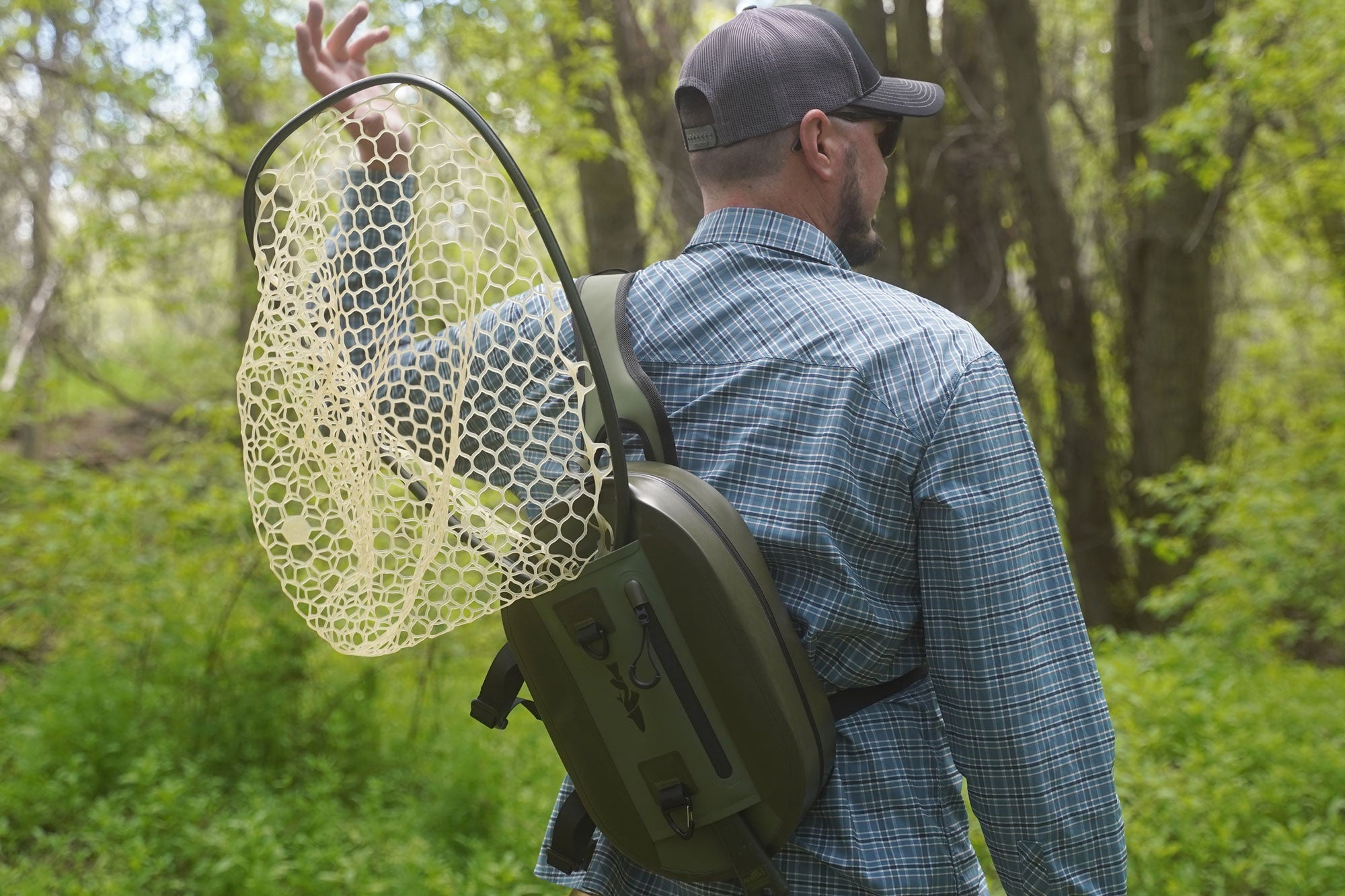
- [ ] A landing net with a rubber bag for fish-friendly releases
- [ ] Chest or hip waders with felt or rubber soled wading boots for rocky bottom
- [ ] Leaders: 9-12 foot tapered in 4X, 5X, 6X, 7X strengths
- [ ] Tippet material: 5X, 6X, 7X fluorocarbon for technical presentations
- [ ] Multiple fly boxes organized by season and hatch type
- [ ] Strike indicators and split shot for nymph fishing
Bighorn River Local Resources: Fly Shops and Guide Services
Recommended Bighorn River Fly Shops
Bighorn Angler - Expert's Choice
Complete Contact Information:
- Address: Fort Smith, MT (operates seasonally)
- Phone: (406) 666-2233
- Website: https://bighornriver.com
- Operating Hours: Daily 6AM-8PM (April-October)
Why This Shop Excels: The team at Bighorn Angler provides unmatched Bighorn River expertise gained through decades of daily guiding and river experience. Their specialization in PMD and Trico fishing plus deep knowledge of seasonal patterns has proven invaluable for understanding the nuances of Bighorn River trout behavior. Featured in multiple Fly Fishing Insider Podcast episodes for their contributions to Montana fly fishing education.
Available Services:
- Professional guided trips: $475 half-day / $575 full-day (includes lunch and boat)
- Bighorn River specific fly selection and expert tying advice
- Daily fishing condition reports and real-time hatch updates
- Complete boat rentals and shuttle services
Fins and Feathers of Bozeman
Contact Details: 926 Stoneridge Dr, Bozeman, MT 59718 | (406) 585-4855 | https://flyfishingbozeman.com Specialization: Bighorn River techniques and seasonal timing Key Services: Multi-day packages, gear recommendations, travel logistics
Bighorn River Professional Guide Services
| Guide Service Name | Half-Day Rate | Full-Day Rate | Specialty Focus | Contact Information |
|---|---|---|---|---|
| Bighorn Angler | $475 | $575 | PMD and Trico dry fly fishing | (406) 666-2233 |
| Fins and Feathers | $450 | $550 | Technical nymphing and reading water | (406) 585-4855 |
| Bighorn River Lodge | $425 | $525 | Multi-day packages | (406) 666-2368 |
Bighorn River Fishing Regulations and Conservation
Current Bighorn River Fishing Regulations
Important: Always verify current regulations at https://fwp.mt.gov before fishing.
| Regulation Category | Specific Requirements | Associated Costs |
|---|---|---|
| Fishing License Requirements | Montana resident: $30 annual, Non-resident: $102 annual, 2-day: $25 | Current 2024 prices |
| Special Endorsements | None required for Bighorn River | N/A |
| Daily Bag Limits | 5 trout total, only 1 may exceed 18 inches | N/A |
| Size Restrictions | No minimum length, protect large spawning fish | N/A |
| Gear Limitations | Artificial flies and lures only, no bait fishing allowed | N/A |
| Seasonal Closures | Open year-round, respect private property boundaries | N/A |
Bighorn River Conservation Efforts
Bighorn River benefits from active management through partnerships between Montana Fish, Wildlife & Parks, Bureau of Reclamation, and conservation organizations. Current conservation initiatives include:
- Flow Management: Coordinated releases from Yellowtail Dam to maintain optimal fish habitat and spawning conditions
- Habitat Enhancement: Ongoing projects to improve riparian vegetation and bank stabilization
- Population Monitoring: Regular electrofishing surveys to track fish health and inform management decisions
How Anglers Support Conservation: Practice catch-and-release fishing, use barbless hooks, respect private property signs, participate in river cleanups, report violations to Montana FWP: 1-800-TIP-MONT
Bighorn River Lodging and Dining Options
Accommodation Options Near Bighorn River
| Lodging Name | Distance from River | Nightly Rate Range | Target Angler Type | Reservation Contact |
|---|---|---|---|---|
| Bighorn River Lodge | 1 mile from Afterbay Dam | $180-250/night | Full-service anglers | (406) 666-2368 |
| Fort Smith General Store Cabins | 0.5 miles from access | $85-120/night | Budget-conscious anglers | (406) 666-2349 |
| Afterbay Campground | Adjacent to boat launch | $25-35/night | RV/tent camping enthusiasts | (406) 666-2412 |
Dining Recommendations for Bighorn River Anglers
Fort Smith General Store: Ideal for breakfast before early fishing and supplies throughout the day. Local specialty: hearty breakfast sandwiches and fishing supplies.
- Google Reviews: 4.2 stars (95 reviews)
- Location & Hours: Fort Smith General Store Google Business Profile
- Standout Review: "Essential stop for any Bighorn River angler. Great breakfast, all the flies you need, and the staff knows current conditions." - Mark S.
Pollock's Restaurant: Popular dinner destination for anglers after fishing days. Known for steaks and opportunities to connect with guides and other fishing enthusiasts.
- Google Reviews: 4.0 stars (78 reviews)
- Location & Hours: Pollock's Restaurant Google Business Profile
- Standout Review: "Perfect end to a long day on the Bighorn. Great food and you'll always find guides sharing fishing reports." - Lisa T.
Bighorn River Trip Planning Guide
Pre-Trip Planning Timeline
One Week Before Your Bighorn River Trip
- [ ] Verify current fishing regulations at https://fwp.mt.gov
- [ ] Monitor weather and hatch timing through local fly shop reports
- [ ] Book guided trip or secure lodging in Fort Smith area
- [ ] Purchase or verify current Montana fishing license validity
Day Before Fishing Bighorn River
- [ ] Visit Bighorn Angler for current hatch timing and water conditions
- [ ] Prepare and organize gear, check leader/tippet supplies
- [ ] Plan specific sections based on current conditions and skill level
- [ ] Prepare backup plans for weather changes
Day of Bighorn River Fishing
- [ ] Check current dam release information and weather updates
- [ ] Inform others of detailed fishing plans and expected return time
- [ ] Pack sun protection and plenty of water for full day fishing
- [ ] Bring camera to document exceptional catch rates
Three Essential Bighorn River Principles
-
Match the Prolific Hatches: Bighorn River's exceptional fishing depends on understanding the timing and stages of PMD and Trico emergences. Success requires carrying multiple pattern variations and matching the specific emergence timing.
-
Fish High Percentage Water: With the highest trout density in Montana, focus on reading water efficiently and covering more ground rather than working single spots extensively.
-
Take Advantage of Willing Fish: Bighorn trout are generally more aggressive than heavily pressured waters. Use this to your advantage by fishing with confidence and covering water systematically.
Start Planning Your Bighorn River Fishing Adventure
Bighorn River offers exceptional fishing opportunities for anglers seeking the highest catch rates and most consistent action in Montana. The combination of exceptional fish density, prolific hatches, and year-round access creates a destination worthy of careful planning and repeat visits.
Next Steps for Bighorn River Success
- Research Current Conditions: Check Montana FWP reports and Bighorn Angler updates for hatch timing and water conditions
- Plan Optimal Timing: Schedule your visit during July-September for peak summer hatches or May-June for excellent spring fishing
- Connect with Local Experts: Contact Bighorn Angler for insider knowledge and current fishing intelligence
- Secure Accommodations: Book lodging in Fort Smith area well in advance, especially during peak season
Subscribe to Fly Fishing Insider Podcast
- Apple Podcasts
- Spotify
- YouTube
- Instagram: @flyfishinginsiderpodcast and @dupeafish
About This Bighorn River Fishing Guide
Accuracy Disclaimer: Fishing conditions, regulations, and access information change regularly. Always verify current information with local authorities and fly shops before your Bighorn River fishing trip.
Ready to experience Bighorn River fishing for yourself? Begin planning your adventure today and discover why this fishery ranks among Montana's premier fly fishing destinations.
Go on a fly fishing trip you'll never forget
We partnered with Frontiers Travel to put you on water that's worth the flight. Tell them where you want to go. Don't wait.
Book a TripFly Fishing Insider Podcast has a referral partnership with Frontiers International Travel. If you book after being introduced through us, we may receive compensation at no additional cost to you.