Above the treeline and along the cold edges of the map, tenkara returns to its roots. Grayling rising in a tundra-influenced lake outlet, char in a high cirque lake, and small native trout in a chain of alpine beaver ponds are fish of short seasons, cold water, and short casts. Tenkara Addict's multi-species video work, including grayling among its high-country subjects, shows the appetite for exactly this fishing. This guide covers how to find these fish, how to fish for them on a fixed line, and how to treat fragile alpine natives with the care their short lives require.
Meet the fish
Arctic grayling are the surface specialists of this group, famous for a large dorsal fin and a willingness to rise to small flies in lakes, outlets, and clear rivers. In North America they live naturally in parts of Alaska and Canada and in a remnant native population in Montana's upper Missouri drainage, and have been introduced in selected high lakes in the Rockies and elsewhere. Where they are native and where they are introduced matters for how you think about them, so learn your specific water rather than assuming.
Char cover a wide family. Brook trout are char, as are bull trout, Dolly Varden, and Arctic char, and high-country anglers meet them in everything from tiny headwater creeks to big northern lakes. In small alpine water, char are often the native or long-established residents, opportunistic, beautifully marked, and in many places vulnerable to warming water and competition. Bull trout rules vary sharply by state and water. It is illegal to intentionally fish for bull trout in most of Montana, with named exceptions including the South Fork of the Flathead, Lake Koocanusa, and Hungry Horse Reservoir. In Idaho, bull trout may be intentionally targeted but must be released in all instances. In Washington and Oregon, some waters are open and others are closed. Check the current rules for the exact water before you fish for bull trout. Regulations are not fine print here, they are the first chapter.
Alpine natives more broadly means the fish that belong to a specific drainage: cutthroat lineages in their home basins, native char in theirs, and grayling in theirs. The high-country ethic starts with knowing which fish is native to the water in front of you and fishing accordingly.
Finding fish in a short season
Alpine seasons compress feeding into the ice-free months, and fish use the warmest, most food-rich parts of a cold system. Start at inlets and outlets, where moving water delivers insects and oxygen. Work beaver ponds in creek chains, undercut banks in meadow sections, and the drop-offs where a shallow lake shelf falls into deeper holding water. In streams, grayling and char hold in pools and soft seams much like trout anywhere, but high-country fish often feed through more of the day because their summer is short and their window is now.
Wind is your daily condition. A breeze riffles lake surfaces and brings fish up, but it also fights a light fixed line. Fish lee shores, keep casts low and short, and use the wind to hold a fly in a drift along an inlet seam. Early and late in the season, midday warmth may fish best. In high summer, mornings and evenings still rule, even at altitude.
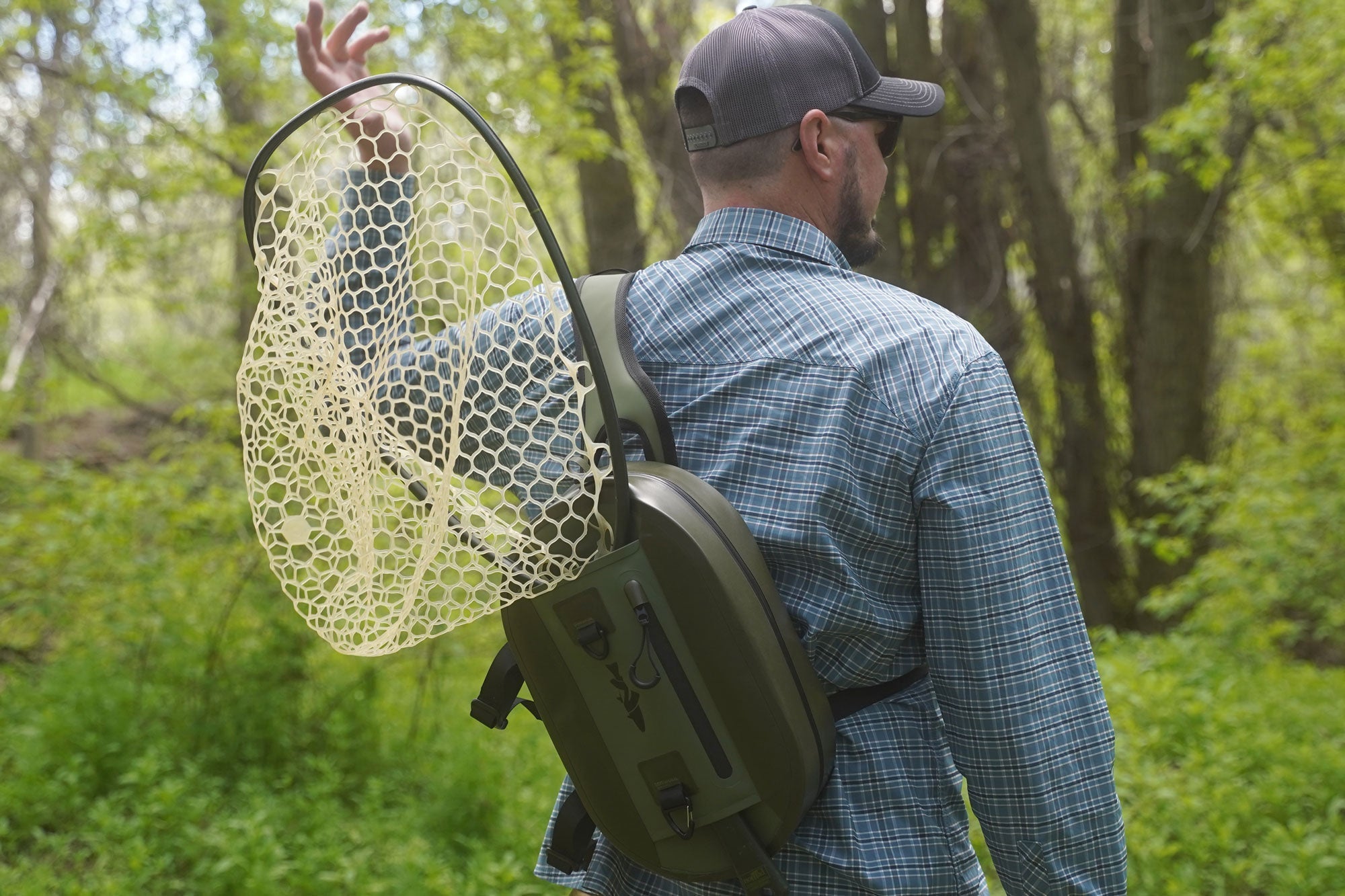
Backpacking anglers have a natural advantage here, because a tenkara rod covers a lake shore and three creek ponds in an afternoon without a reel, a vest, or much weight. Move, as Jason Klass of Tenkara Talk advises trout anglers generally: cover the reachable holding water, fish it properly, and keep going while the season and the day are short.
Flies and presentations
Small and suggestive wins. Kebari in modest sizes, including sakasa patterns whose reverse hackle pulses on a pause, cover most alpine situations. Jason Klass's Ichiban Kebari, his signature Takayama-style sakasa kebari from Tenkara Talk, is credited by name here as a model of the style: a simple, mobile fly fished with manipulation, not a pattern FFIP claims or renames.
Fish grayling with surface and near-surface presentations first: a kebari skated, pulsed, or dead-drifted in the top of the water where their rises tell you they are feeding. For char in lakes and deeper pools, let flies sink, count them down, and retrieve with tiny pulls and pauses along drop-offs and inlet mouths. In creeks, dead-drift first, then add the pulse, pause-and-drift, and pull of the sasoi toolkit before changing flies. Alpine fish in a short season are rarely pattern-fussy. They are position-fussy and spook-fussy, especially in clear, shallow water, so approach low, land flies softly, and fish the close lies before wading through them.
Dry presentations have their place on calm evenings and during genuine hatches, and a futsuu-style stiffer-hackle kebari fished on the surface covers that mood without a separate dry-fly box.
FFIP podcast angle: invite a high-country guide or backcountry angler who targets grayling and native char to map one alpine basin, inlet to outlet, and explain where a fixed-line angler should spend a single precious day.
Tackle for the high country
A general all-round tenkara rod covers most alpine work, from lake shores to beaver ponds to creeks. Where wind and larger lake fish dominate, a slightly longer or stronger rod earns its pack weight. Where the day is mostly brushy headwater creek, shorter is kinder. Many backpacking anglers solve this by choosing one versatile rod and accepting its compromises honestly rather than carrying a quiver into thin air.
Tippet can be finer here than in warmwater or big-fish fishing, because the flies are small and the water is clear, but stay inside the rod's rating and remember that char around wood and grayling in current still test knots. Carry a net suited to careful release, forceps, and a thermometer if your hiking takes you to lower, warmer water on the way out, where the decision to stop fishing trout in heat may apply.
Care for fragile fish
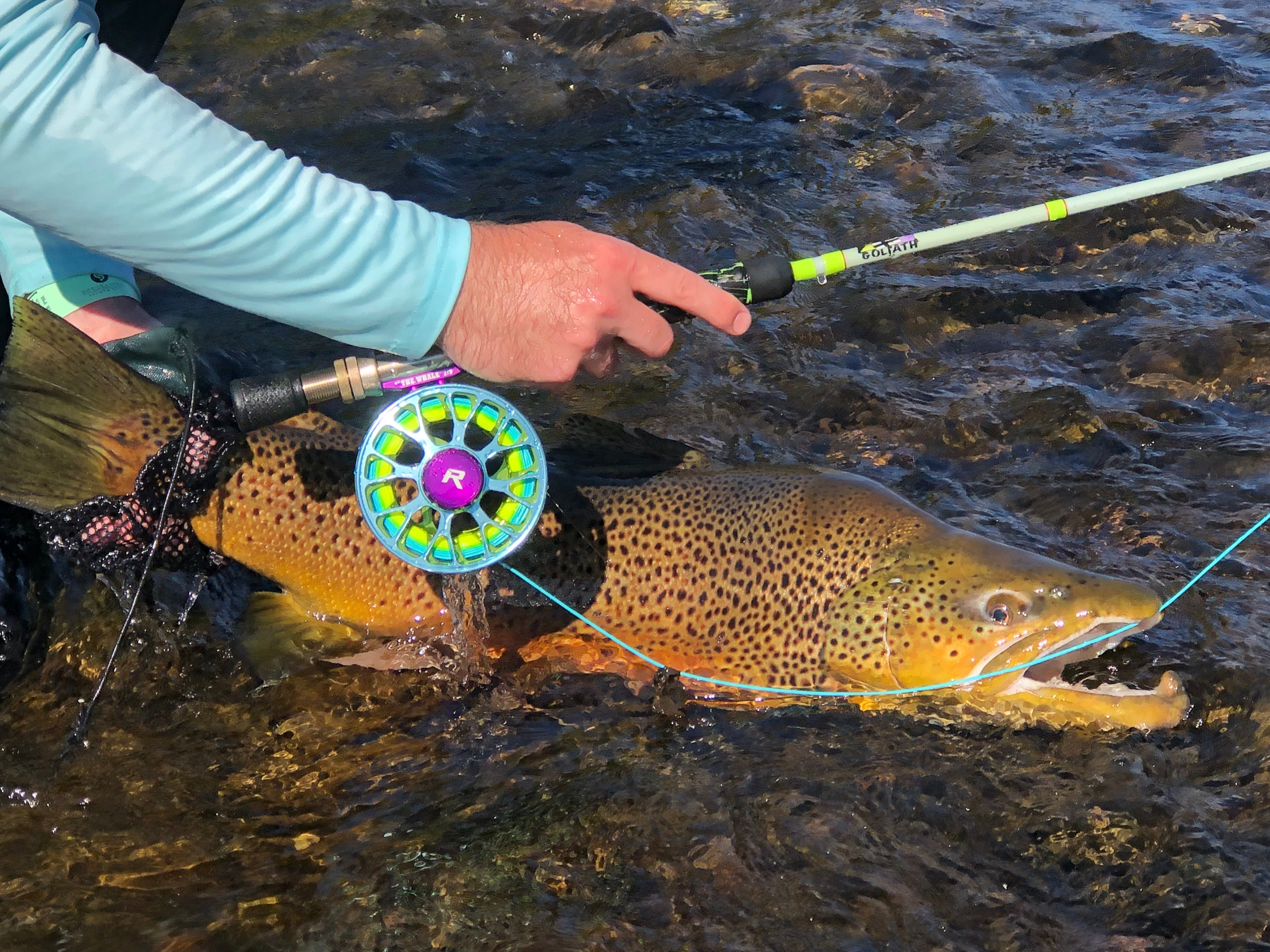
Alpine natives live slowly in cold systems, and many populations are small and isolated. Barbless hooks, wet hands, fish kept in the water, and fast releases are the baseline. Avoid fishing for spawning char in shallow inlet and outlet areas in autumn, when they are visible, concentrated, and vulnerable. Learn whether your char are protected before you cast, not after you land one. Photograph fish over water, briefly, or not at all.
Leave high places clean. Alpine banks recover slowly, campsites concentrate impact, and a single season of careless traffic shows for years around a small lake. The reward for this care is the fishery itself: wild fish, in wild water, that will still be rising when you climb back next summer.
Practical takeaways and common mistakes
- Do learn which fish is native, introduced, or protected in your specific alpine water before you fish.
- Do start at inlets, outlets, beaver ponds, and drop-offs, where food and oxygen concentrate in a short season.
- Do fish close, low, and soft. Alpine fish spook on approach and landing more than they refuse on pattern.
- Do carry one versatile rod and fish the whole basin. Mobility is the tenkara advantage at altitude.
- Do not target protected char or fish over spawning concentrations. Regulations and restraint come first.
- Do not wade through shallow lies to reach famous water. The best alpine fish often hold at your feet.
- Do not keep alpine fish in the air for long photos. Cold-water jewels deserve wet, fast releases.