
Most anglers pull up to a river running high and off-color and drive home. That is a mistake. High water is one of the best streamer windows you will get all season, and the reason is simple: the house has been disrupted. Fish that had a comfortable lie yesterday are pushed out of it today. They are moving, hunting for new comfort, burning energy doing it — and a fish burning energy is a fish that needs to eat. There are worms and dislodged insects tumbling through the current too, but a streamer is the tool that lets you get deep and cover water at the same time. Here are the four things worth adjusting when the river comes up.
1. Cover far more ground than you normally would
In normal flows you can read a run and pick your spots. In high water you cannot — the fish have moved and you do not yet know where. So stop fishing spots and start fishing grids. Work across the current as much as possible, step down, and repeat, laying out a systematic pattern that puts the fly in front of as much water as you can reach.
High water is also one of the few times fishing straight downstream genuinely works. In clear, low conditions a fish sees you coming from a long way off. With turbulence and color in the water, that visual advantage disappears. Swinging a streamer down and across to water below you is fair game, and it lets you cover long stretches quickly without spooking everything ahead of you.

2. Go deeper than you think you need to
This is where most high water streamer days fall apart. Anglers reach for a sink tip, feel like they have addressed depth, and then fish the top two feet of a six-foot column all morning. A sink tip is often not enough in heavy flows. A full sinking line is usually the right answer, because it pulls the entire belly of the line down instead of letting the floating portion drag your fly back toward the surface.
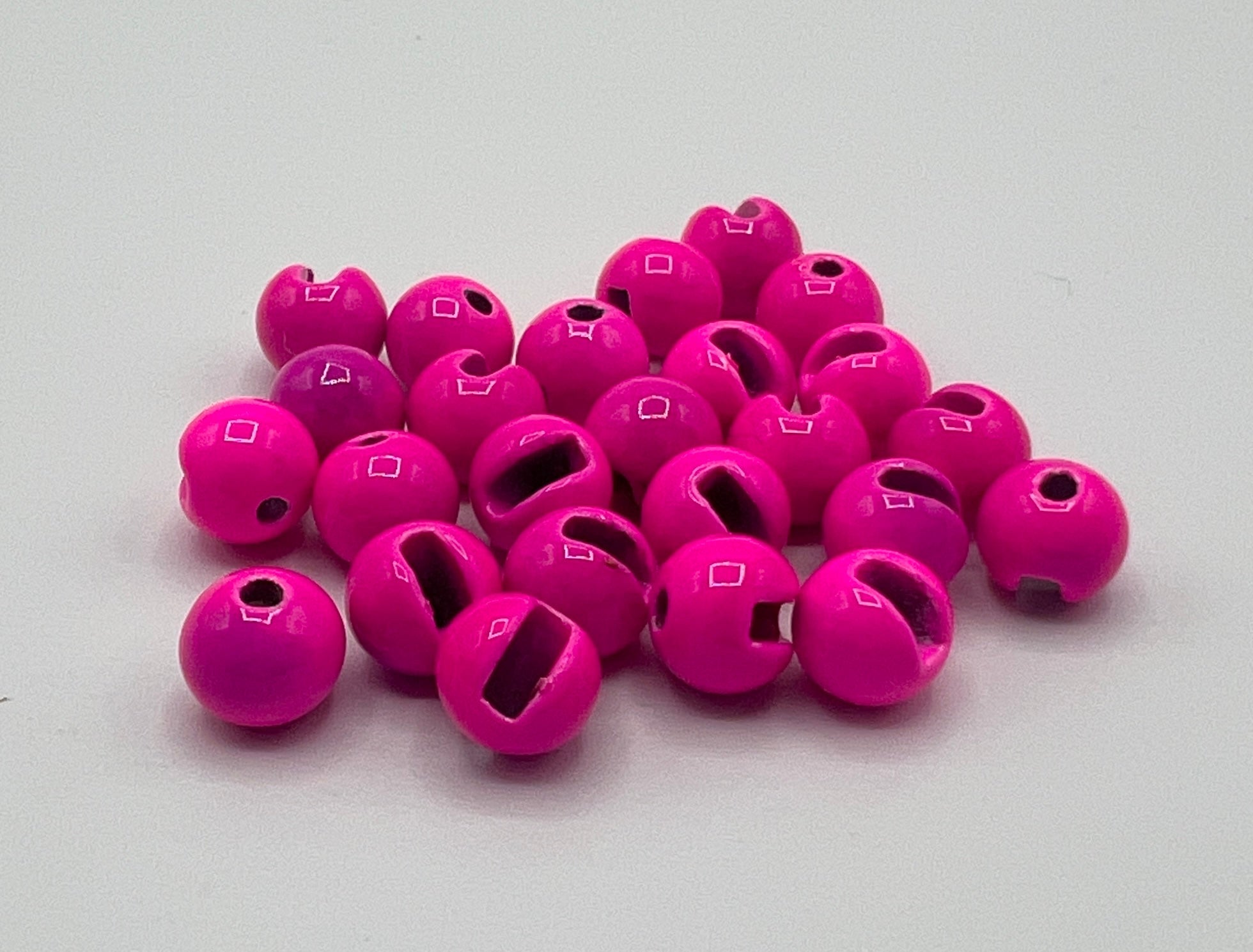
Even with a full sinking line, you may need more weight. A trick worth stealing: thread a tungsten or lead cone head onto your leader before you tie on the fly. The cone rides just ahead of the streamer and drives it down fast without you having to re-tie onto a different, heavier pattern. You keep the fly you want and add the depth the conditions demand.
3. Fish contrast, not flash
Dirty water is a visibility problem, and the fix is silhouette. Dark flies — black, purple, dark olive — read as a hard shape against what little light penetrates the column. A light-colored fly that looks great in a clear tailwater can simply disappear in chocolate water.
Flash is situational. On a bright day with real light penetration, a little flash in a dark fly can help. On a gray, blown-out day, flash mostly does nothing. The silhouette is what triggers the eat. When you strip a dark fly across the current, you create a moving shape a trout can lock onto and attack.

4. Follow the bait fish, not the old lies
This is the piece most anglers miss. In normal water, bait fish hold in the soft edges along the bank. When the river comes up, those edge pockets blow out and the bait gets pushed off the margins and down toward the bottom of the river.
Down there, the substrate — the rock and cobble on the riverbed — creates hydraulics. Think of them as tiny back eddies scattered across the bottom, each one a pocket of slower water behind a rock. Bait fish sit in those micro-refuges and then dart from one to the next when they have to move. That darting run between hydraulics is exactly what your streamer should imitate: down near the bottom, moving in short aggressive bursts across the current rather than swimming steadily at mid-column.
Once you start thinking about the riverbed as a field of small holding pockets rather than a featureless bottom, your presentation changes. You are not swinging a fly through open water anymore. You are running a bait fish through a minefield, and the predators know it.
Gear
Honestly, the two things that will change your high water success most are not things we sell: a full sinking line and a handful of tungsten cone heads to slide onto your leader. Go see your local fly shop for those — they will match the sink rate to the rivers you actually fish, which matters more than any general recommendation we could make here.
What we can help with is the thinking. Our Tips and Tricks for Fly Fishing eBook covers rigging shortcuts and leader tricks like the cone head setup above, so you are not improvising on the bank. And if you are working a river in bright, high-sun conditions, our Five Panel Cap cuts the glare so you can actually see your line angle and track the swing.
Next time the gauge spikes, do not stay home. Cover more ground, get truly deep, throw something dark, and hunt the bottom where the bait got pushed. Good luck out there.