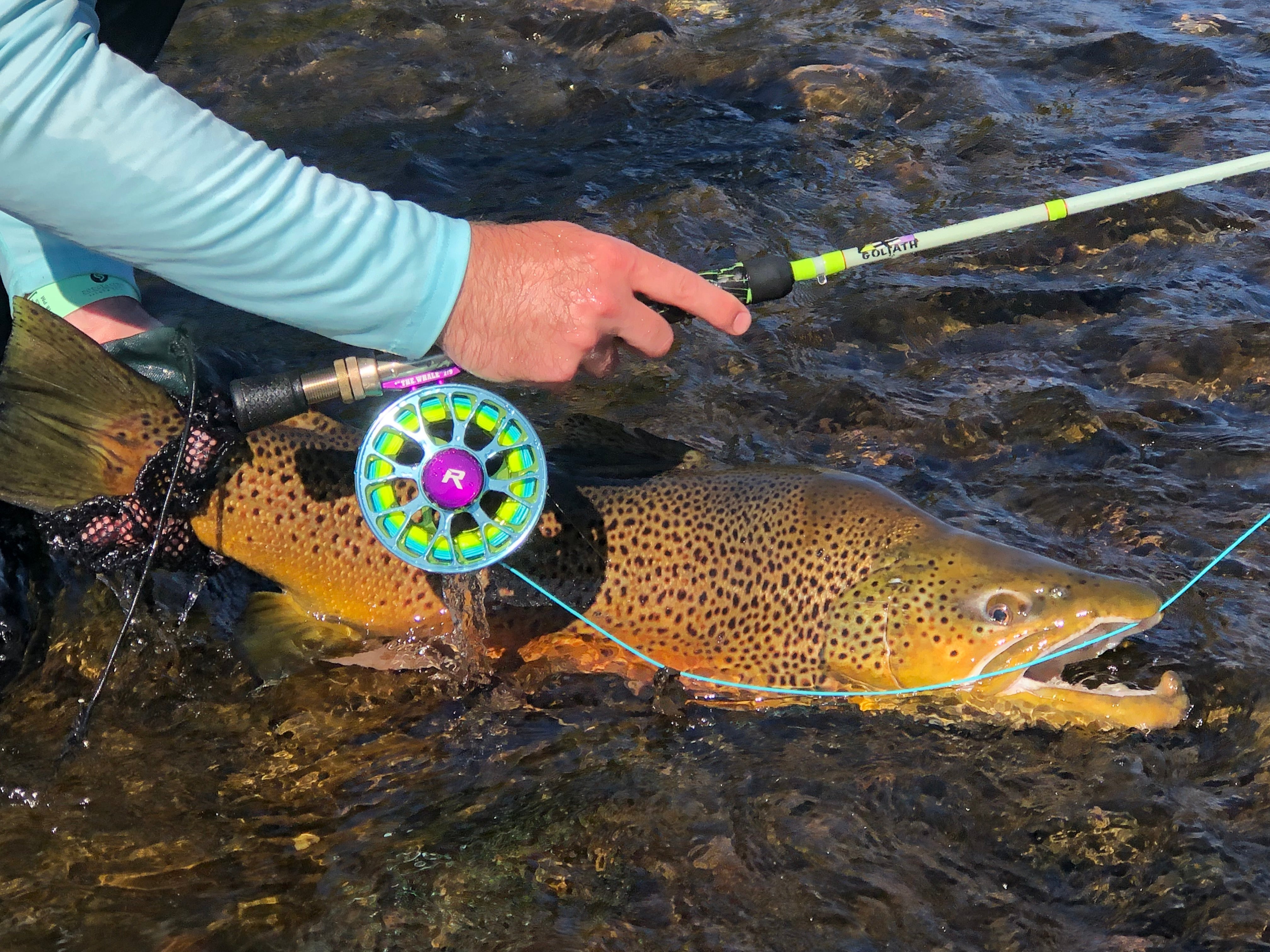

Most of us fish for trout. Matt McCannel hunts them. He guides sight-fishing trips in the Gunnison Gorge and on Colorado tailwaters, and his whole business is putting clients on double-digit fish they can actually see before they cast to them. Listening to him break down how he does it, one thing became obvious: almost everything that matters happens before the fly hits the water.
Big trout don't spook — they leave
This reframed the whole problem for me. We picture spooking a fish as a dramatic thing: a flash, a wake, a bolt for cover. Matt describes something quieter and more discouraging. When one of his fish sees fly line, it doesn't panic. It just drifts off to its happy place and goes home. It knows exactly what that line is.
That's why you can fish a run for twenty minutes, never see a fish move, and conclude there was nothing there. There was. It left on your third cast and you never knew. Once you accept that the failure mode is silent, you start treating the approach as the part of the game you can actually control.

Move slower than feels reasonable
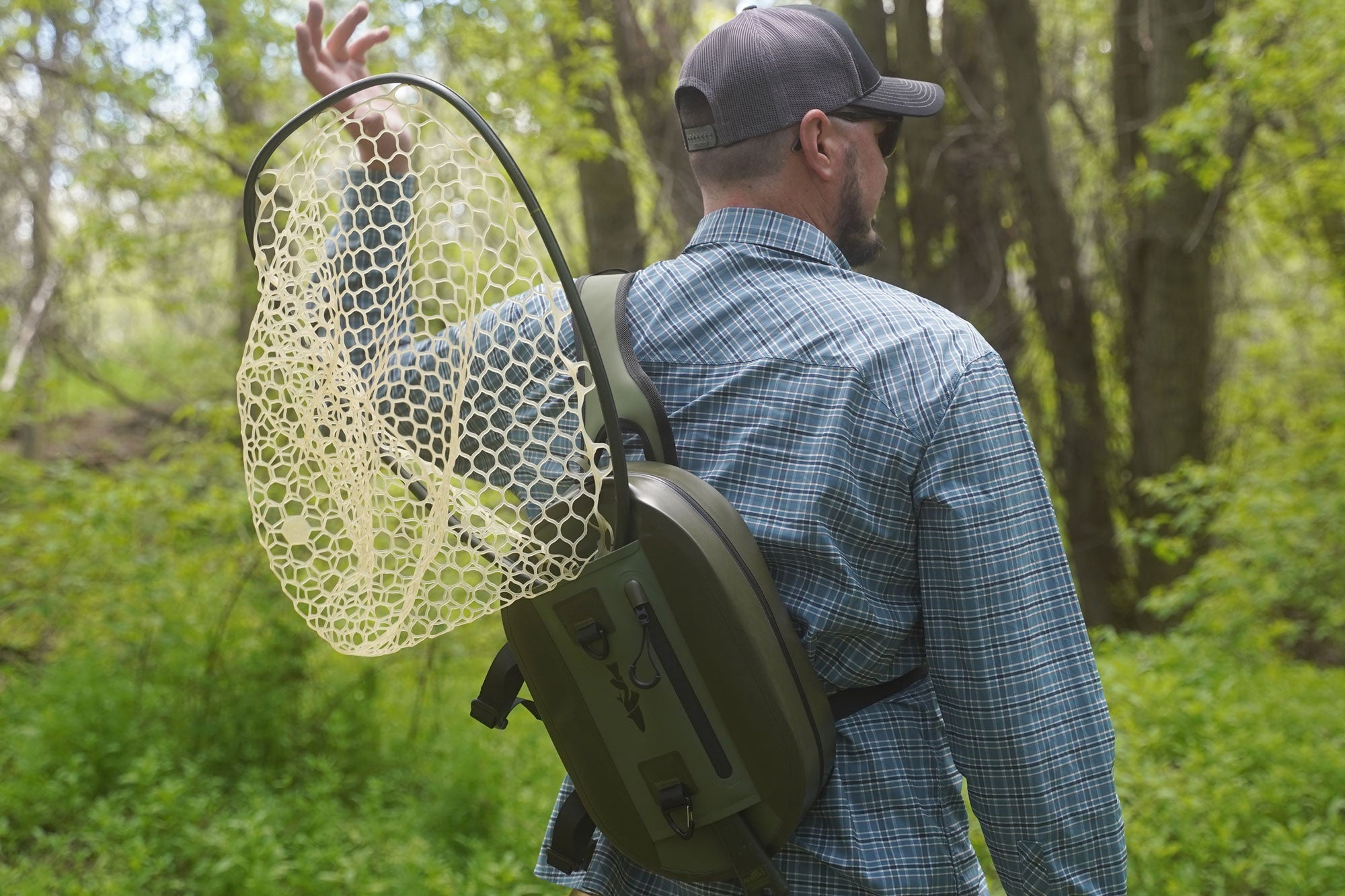
Matt's line on this is one I've started repeating to myself on the water: if you think you're moving too fast, you are. In clear water he takes every advantage he can get, right down to the clothing — he keeps spare jackets on hand for clients who show up in something bright, because a white shirt against a dark bank is a moving billboard.
Practical version of this for your next clear-water day:
- Wear what the bank wears. Drab greens, browns, grays. Match the background behind you, not the sky.
- Stay low and stay back. Kneeling costs you nothing and cuts your silhouette in half. Most anglers stand where they should be crouching and cast from where they should be watching.
- Watch before you wade. Give a run two full minutes of looking before you put a boot in it. You'll find fish you would have walked through.
- Mind your shadow and your wake. A pushed wake travels a lot further upstream than your fly does.
A leader system the fish never sees
The other half of Matt's approach is geometry. His goal is that nothing in the fish's window is out of the ordinary — no fly line anywhere near it, ever. That means a long leader system, long enough that the fish's entire field of view contains only tippet and fly. He doesn't have to move, the fish doesn't see line, and nothing about the drift reads as wrong.
He pairs that with a true presentation line rather than an aggressive taper: a trout taper with roughly a 70-foot head, not overlined, with a long enough front end to lay down softly. He fishes dries with it, but the reason he likes it for hunting big fish is that even a nymph rig lands delicately instead of arriving like a rock.
If you want to steal one thing from this episode, steal that pairing. Long leader, soft line, and a stroke that lets both of them straighten out. Most anglers try to solve a spooky-fish problem with a smaller fly when the real fix is eighteen more inches of tippet and a line that doesn't slap.
Stop assuming big means big and articulated
One more thing worth hearing him say out loud: people assume big trout means big articulated streamers. Sometimes. But the fish he targets are often caught on small, well-presented flies delivered by someone who got close enough to watch the eat. Size of fly is not the variable. Proximity without detection is.
Gear
The honest answer on gear for this one is that the two things that would help you most — a long-head presentation fly line and a spool of fine fluorocarbon tippet — aren't things we stock. Your local fly shop will set you up, and it's worth asking them specifically for a trout taper with a long head rather than grabbing whatever's on the peg.
What we do have: the Tips and Tricks for Fly Fishing eBook walks through leader construction and knot choices, which is exactly where a long-leader system lives or dies. And if you're going to be kneeling on a gravel bar staring into glare for an hour, the FFIP Five Panel Cap earns its spot.