
Catch-and-release has been part of fly fishing culture for the better part of a century, but the science of what actually happens to a fish after it swims off is much newer, and much more actionable, than most anglers realize. On this episode of the Fly Fishing Insider Podcast, host Greg Keenan spoke with Sasha Clark Danylchuk, executive director of Keep Fish Wet and a trained fishery scientist. Her whole mission is translating hundreds of catch-and-release studies into things any angler can do on the water. The takeaway is encouraging: a few small habits meaningfully improve the odds that the fish you release lives to be caught again.

Why Catch-and-Release Isn't Automatically Enough
Sasha lays out the numbers plainly. In the United States, anglers catch roughly 350 million fish a year and release more than half of them. If you assume a release mortality rate of around 10 percent, which varies by species and by how the fish is handled, that works out to something on the order of 20 million fish a year that do not survive release. The hopeful flip side is how much leverage anglers actually have: nudging that mortality rate from 10 percent down to 9 percent would save roughly 2 million fish a year. For fisheries already stressed by warming water or habitat loss, every one of those fish matters to the population's resilience. And crucially, you can do all of this without taking any of the fun out of fishing.
The Three Principles
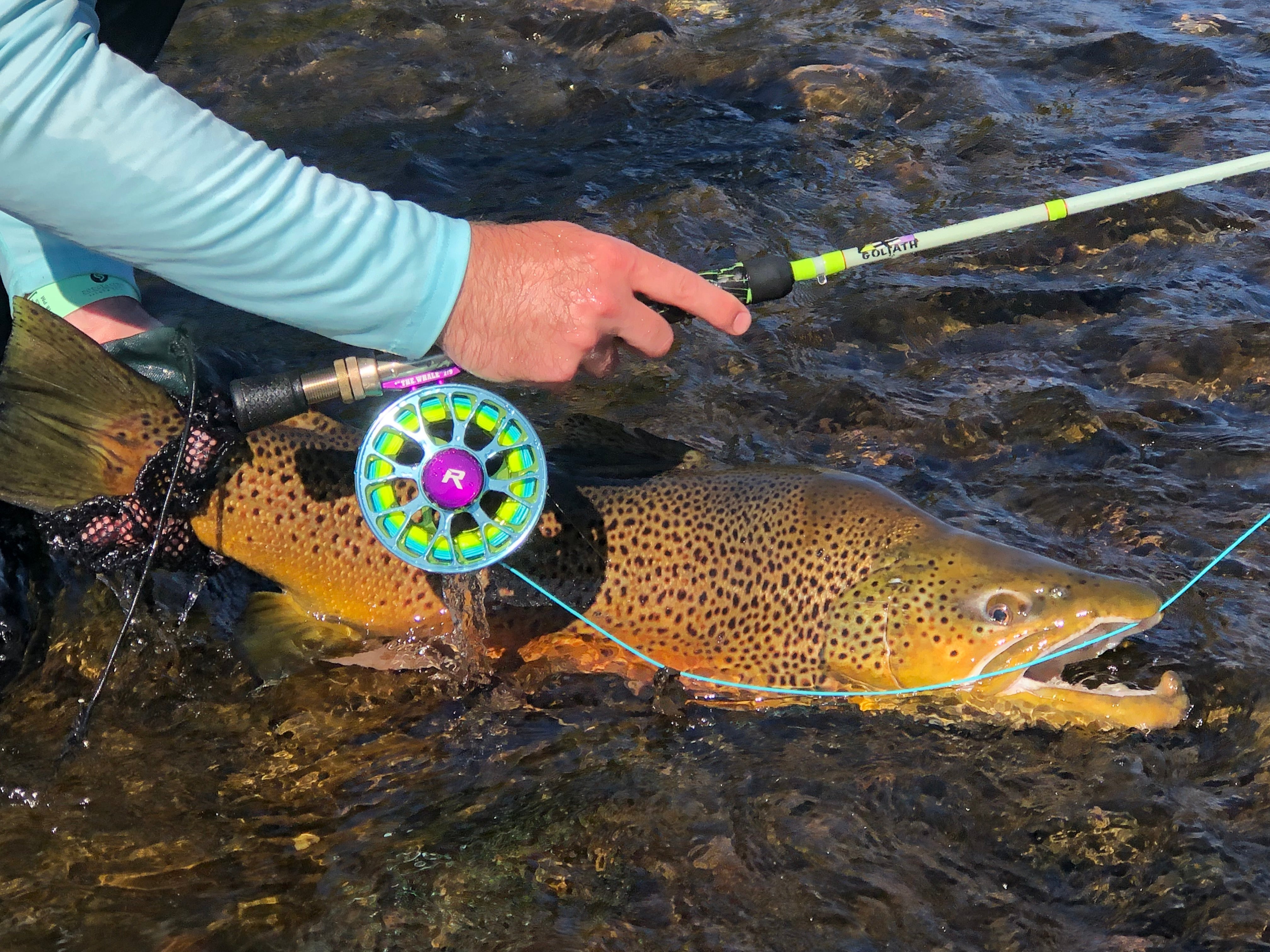
Keep Fish Wet distills all that research into three simple principles that work for any species, any water, anywhere in the world. First, minimize air exposure. For most fish, keeping air exposure to ten seconds or less dramatically improves survival, and yes, you can still get a great photo inside that window. Second, eliminate contact with dry surfaces. Fish are coated in a protective layer of slime that guards against disease and fungal infection, so wet your hands before handling, never drag a fish up the bank, and keep it off dry rocks. Third, reduce handling time. Everything you do from landing to release, whether the fish is in your hands or in a net, should be as quick as you can make it. None of the three require special gear, and all three are entirely within your control.

Water Temperature Changes Everything
One factor sits behind all three principles: water temperature. Fish tolerate handling far better in cool water than in warm. A trout held out of the water for a few seconds at 55 degrees is in a very different situation than the same trout at 68 or 70 degrees, when its tolerance for stress drops sharply. Warm summer flows are exactly when you want to be strictest about air exposure and handling time, and sometimes the most fish-friendly decision is to stop targeting a species altogether, or to fish early in the morning when the water is coolest. It is one of the few variables that is not fully in your control, so it pays to plan around it.
The Coke-on-the-Gills Myth, Busted
If you have seen the videos of anglers pouring soda on a bleeding fish's gills to stop the bleeding, Sasha has both good news and bad news. A recent study by one of her board members tested Coke, carbonated water, and Mountain Dew on fish gills. The carbonation can briefly slow bleeding, but only because it triggers bradycardia, a slowing of the heart rate. Once the fish goes back in the water and its heart rate recovers, the bleeding resumes, and in the study a few fish actually bled out. So the trick that looks like it works does not, and it can make things worse. For a deeply hooked or bleeding fish, the best move is usually to simply release it quickly and let it swim off, because survival depends far more on the injury itself than on any home remedy.

Gear That Helps You Keep Fish Wet
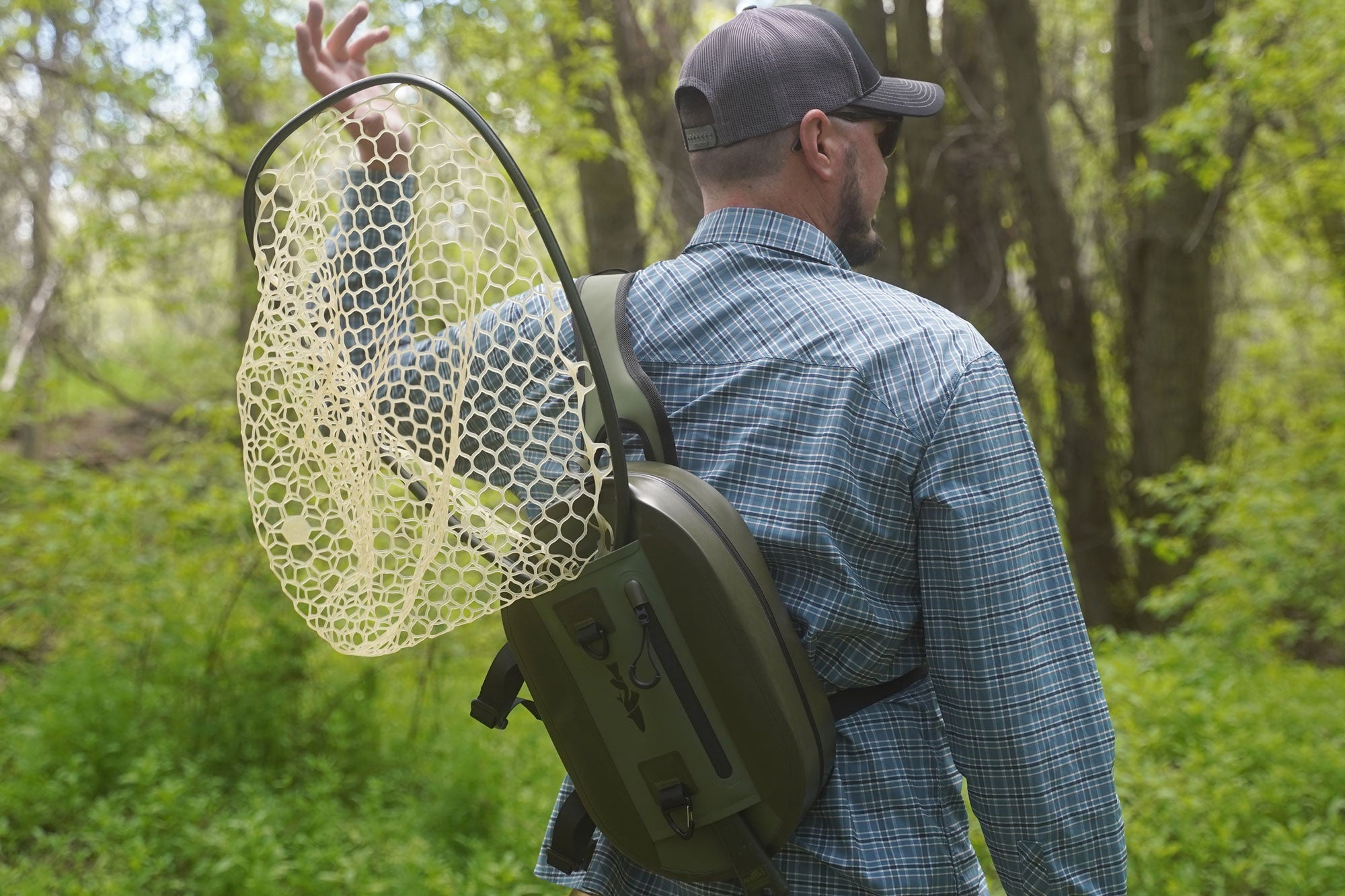
The right net is one of the easiest ways to put these principles into practice, because it lets you keep a fish in the water while you unhook it and cuts way down on handling time. A soft, fish-safe basket like the JHFLYCO Carbon Fiber Landing Net protects that all-important slime layer far better than dry hands or a rough mesh, and the classic Catch and Release Wooden Landing Net is a simple, affordable way to cradle a fish streamside. For more small habits that add up to healthier releases and better days on the water, our Tips and Tricks for Fly Fishing eBook is always in your corner. Keep them wet, and keep them swimming.
Go on a fly fishing trip you'll never forget
We partnered with Frontiers Travel to put you on water that's worth the flight. Tell them where you want to go. Don't wait.
Book a TripFly Fishing Insider Podcast has a referral partnership with Frontiers International Travel. If you book after being introduced through us, we may receive compensation at no additional cost to you.