
Lakes scare a lot of river anglers. Everything looks the same, there are no seams or bends to point you in the right direction, and the water just sits there. On Episode 124 of the Fly Fishing Insider Podcast, Aaron Smith, known on Instagram as Mr. Werbs, makes the case that a lake is not nearly as mysterious as it looks. Here is how he breaks it down, and how I would use it on your next trip.

Treat a lake like a river: find structure
Aaron's core point is that stillwater is not that different from a river. You are still looking for structure and trying to get your fly down to where the fish live. The obvious structure is just spread out differently. He starts with inlets from a spring or creek, which bring cooler, more oxygenated water and act like a conveyor belt of food. Next come shallow weed beds. Fish the edges of the weeds and you are working what stillwater expert Phil Rowley has called the buffet line of the lake, because insects, cover and cruising fish all stack up there. Rocky features count too: dams, rocky shorelines, and boulder or talus fields that spill into the water.
Let the wind show you where to cast
One of the most useful ideas in the episode is wind. When a steady wind pushes straight into a rocky bank or dam, it churns up leeches, crawfish and baitfish, and fish gather to feed on what gets stirred loose. Aaron says that if you can catch a wind blowing at rocky structure, you can nearly count on fish being nearby. So before you rig up, look at which bank the wind is hitting, and start there.

His indicator rig for rocky banks
His go-to setup is simple. For the fly he keeps it basic: a leech or a balanced leech or baitfish pattern, sometimes two flies spaced a couple of feet apart. For the leader he describes a short section of heavier mono, or a few feet of a standard tapered leader, connected to a small swivel or tippet ring. Below that ring goes about three to four feet of 3X tippet, and that is the section where the indicator slides, so one length of level material lets you change depth without any knots in the way. He adds a tag end for a dropper using a surgeon's loop, then a couple more feet of the same tippet to the point fly.
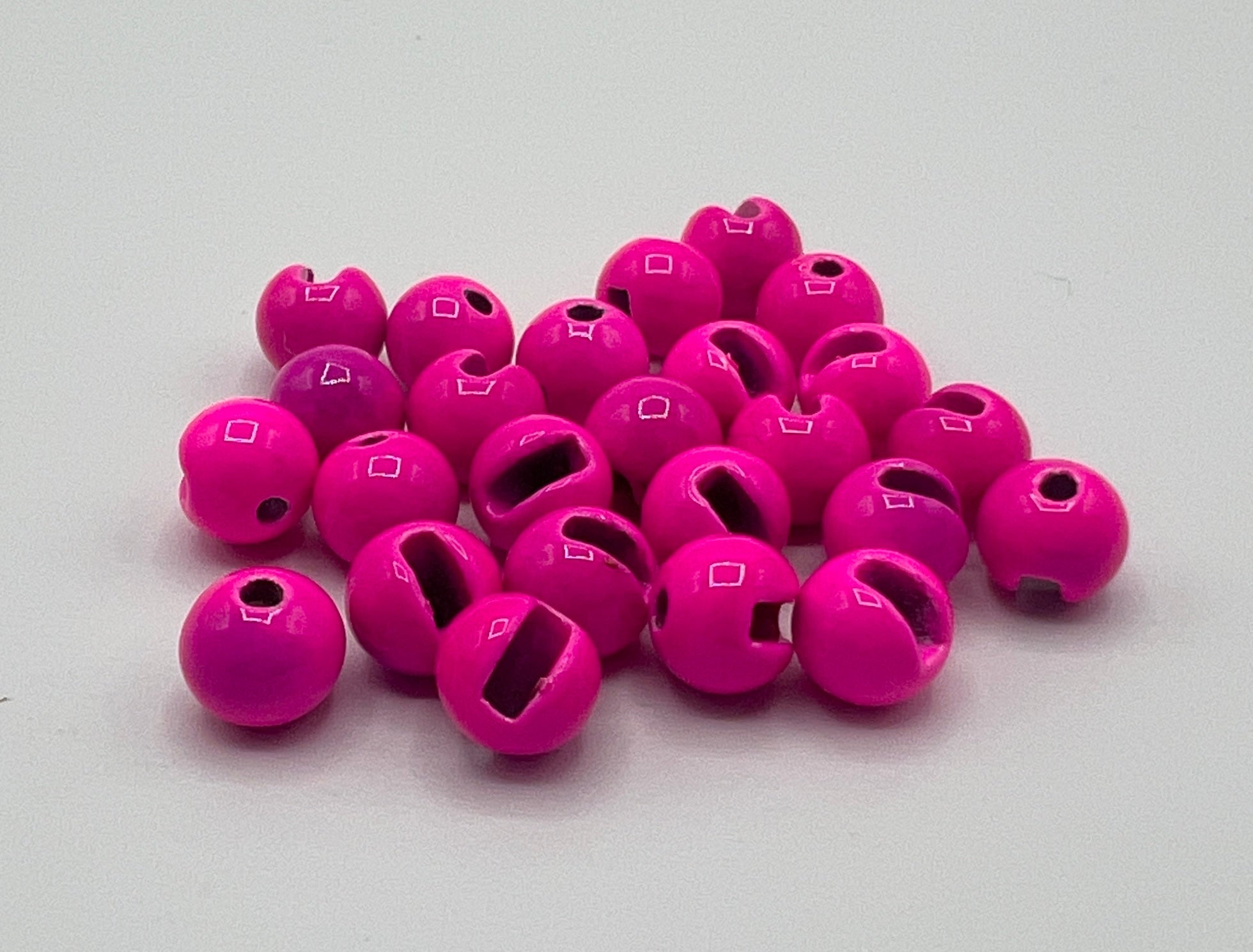
On depth, he starts as shallow as possible and works deeper. With the wind pushing your indicator toward you, you learn where the bottom is quickly: ticking the rocks means you are in the zone, and a hang-up tells you to move the indicator up a bit. Clear water, bright sun and chop all change how heavy you can fish your tippet, so adjust to conditions. On color, he goes dark in dark water or olive and white where baitfish are present, and when rainbows or cutthroat are spawning in spring, a hot head in chartreuse, orange, red or pink can turn a slow day into a great one.
Use biologists as your secret weapon
Another tip I loved: call the local fisheries biologist. They know what the fish are eating, when baitfish are in the shallows to spawn, and when predators like lake trout or cutthroat follow them in. That information narrows down when to fish a particular spot, and it is free.
Photography and the lighter side
Aaron is also known for his fishing photos, and the first half of the episode covers getting better shots on the water. His advice includes using backlight, framing with care and not being afraid to shoot in auto while you build confidence. It is a fun listen if you want your catch photos to look as good as the fish.
Gear
For rigging basics, knots and leader setups, the Tips and Tricks for Fly Fishing eBook is a handy reference to keep in your pack, and long lake days are easier with the Five Panel Cap cutting down the glare. For tippet rings, swivels and indicators that suit your lake, your local fly shop can point you to the right setup.