
Quick Stats
- Location: US Highway 41, Miami-Dade & Collier Counties, Florida
- Difficulty: Beginner to Intermediate (road accessibility, but traffic awareness required)
- Best Seasons: Year-round (Peak: March-May for peacocks, summer for diversity)
- Target Species: Butterfly Peacock Bass, Mayan Cichlids, Tiger Oscars, Florida Gar, Largemouth Bass, Snook, Tarpon
- Fishable Miles: 90 miles of roadside canals from Miami to Naples
- Species Diversity: 25+ species including natives and exotics
Planning a trip? Our Fly Fishing Florida guide puts guides, lodges, seasons, tips and gear for Florida in one place.
Overview: Florida's Most Diverse On-Foot Fishery
Author's Personal Introduction
The first time I pulled over along the Tamiami Trail near Krome Avenue, I thought I was hallucinating. In a single cast, I watched a peacock bass chase my streamer while a Florida gar cruised the surface and what looked like an aquarium oscar lurked in the shadows. This wasn't just fishing—this was like stepping into the world's most diverse freshwater aquarium, except these fish had attitude and the backdrop was the Florida Everglades.
The Tamiami Trail officially opened in the Spring of 1928 after 13 years of construction. A canal was blown out using dynamite, and the fill dirt from the canal was used to support the Highway. What started as an environmental disaster became an angler's paradise. The maze of man-made canals throughout the Everglades quickly became a gathering area for wading birds, Alligators and dozens of species of fresh and saltwater fish.
Over the past eight years of fishing the Trail and featuring it extensively on the Fly Fishing Insider Podcast, I've learned that this 90-mile stretch represents something unique in American angling—a place where you're practically everywhere in south Florida dealing with exotic species that shouldn't exist but create some of the most exciting and unpredictable fishing available anywhere.
Access Points & Navigation Strategy
Eastern Section (Miami to Krome Avenue - Miles 0-15)
Urban Canal System
-
Antonio Maceo Park (Primary boat launch)
- Coordinates: 25°46'N, 80°18'W
- Access: Antonio Maceo Park is the only public Tamiami canal boat ramp. Park operated by the City of Miami Parks and Recreation Department, open from dawn to dusk
- Facilities: Paved ramp, parking, picnic tables, playground
- Best for: Peacock bass, urban canal species
-
Tamiami Canal (C-4)
- Multiple roadside pulloffs along SW 8th Street
- The biggest butterfly peacock (10 pounds) ever confirmed in Florida came from this canal
- Best for: Trophy peacock bass, cichlids
Middle Section (Krome Avenue to Highway 29 - Miles 15-60)
Everglades Transition Zone
-
L-67 Extension Area
- Historical significance: Site of 1996 ValuJet crash
- Multiple bridge crossings and pulloffs
- Best for: Mixed native and exotic species
-
Shark Valley Area
- Fishing prohibited along the trail, the shallow waters teemed with bass, bowfin and cichlids of all type
- Fish adjacent areas outside park boundaries
- Best for: Visual fishing in clear shallow water
Western Section (Highway 29 to Naples - Miles 60-90)
Saltwater Transition Zone
-
Highway 29 Intersection
- Somewhere around the Intersection for Hwy 29 (to Everglades City), the Tamiami Trail really started showing it's freshwater side
- Multiple roadside parks and bridges
- Best for: Tarpon, snook, transitional species
-
East River Park Area
- struck gold at a bridge near the East River Park and close-by picnic area, about five miles from the Tamiami Trail/Highway 29 intersection
- Excellent gar fishing opportunities
- Facilities: Picnic area, parking
Safety and Access Considerations
The vehicle traffic behind you is fast and scary. Always stay alert when walking, casting and fishing
Pro Tip from Christian: "The Trail is essentially a 90-mile-long fishery with hundreds of access points. My strategy is simple: drive slowly, look for fish activity, and only stop where you can safely pull completely off the roadway. The fishing changes every few miles, so mobility is key."
Target Species & Population Dynamics
Exotic Species (Primary Targets)
Butterfly Peacock Bass (Cichla ocellaris)
- Population: Established throughout eastern sections
- Average Size: 14 inches, 1.5 pounds (up to 10 pounds possible)
- Peak Season: premier peacock bass fishing is attainable from March to May
- Behavior: Peacock bass feeds during the day alone near the shoreline. Schooling peacocks may sometimes do in open water
- Regulations: The bag limit for butterfly peacock is two fish per day, only one of which can be greater than 17 inches
Mayan Cichlids (Mayaheros urophthalmus)
- Population: Mayan cichlids are there by the bushel basket
- Average Size: 6-12 inches
- Peak Season: Year-round, spawning in spring
- Behavior: They can usually aggravate a reluctant Mayan into striking by continually dropping your lure right in their face
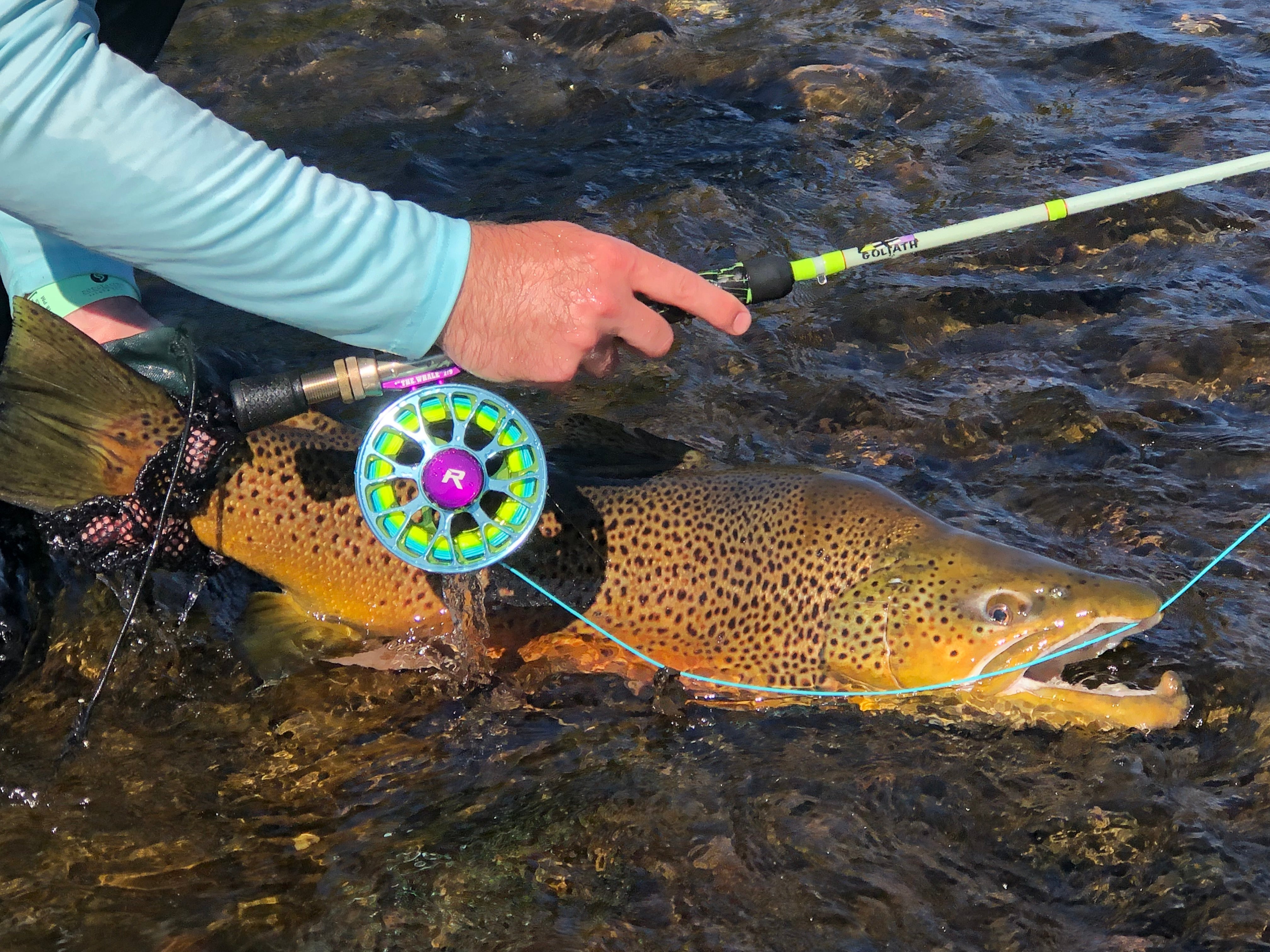
- Identification: These exotic fish look like the love child of a run-of-the-mill bream and a sheepshead, with dark vertical barring and a black tail spot rimmed in turquoise
Tiger Oscars (Astronotus ocellatus)
- Population: Heavy concentrations throughout system
- Average Size: 8-16 inches (up to 2+ pounds)
- Peak Season: Warm months (April-October)
- Origin: Oscars originated from South America in the Amazon River Basin. They are a very popular fish available at most pet stores
Florida Gar (Lepisosteus platyrhincus)
- Population: A major obstacle (or opportunity depending on how you look at it) is the ever-present population of Florida gar. These gar are absolutely everywhere from one end of the Trail to the other
- Average Size: 12-24 inches
- Peak Season: Year-round, most active in warmer months
- Behavior: Surface cruisers, ambush predators
Native Species
Largemouth Bass (Micropterus salmoides)
- Population: Healthy throughout system
- Average Size: largemouth bass populations that average about 14 inches (1.5 pounds)
- Peak Season: Early morning, late evening year-round
- Habitat: Structure, vegetation, deeper holes
Snook (Centropomus undecimalis)
- Population: Western sections near saltwater influence
- Average Size: 16-28 inches
- Peak Season: Anglers catch tarpons early in the morning, usually rolling at the water surface
- Habitat: Bridges, spillways, mangrove areas
Species Population Impact
You have no idea how dangerous an invasive species can be to a new area until you stand in one spot and stare at literally thousands of those fish covering every single inch of substrate and rocks
"The diversity along the Tamiami is both fascinating and concerning from a conservation standpoint. These exotic species have created a fishing opportunity unlike anywhere else, but they represent a significant ecological shift. As anglers, we need to appreciate what's here while understanding the broader environmental impact." - Christian Bacasa
Seasonal Patterns & Best Times
Peak Season (March - May)
Target Species: Peacock bass primary, all species active Water Temperature: 70-82°F Conditions: premier peacock bass fishing is attainable from March to May
Spring Fishing Story: "March 2023 was when I truly understood the Tamiami's potential. I was filming a segment near the L-67 when the peacocks went absolutely crazy. In two hours of fishing, I landed eight peacocks, including a 6-pounder that crushed a white Clouser like it was personal. But the real education came from watching the ecosystem interactions—peacocks chasing cichlids while gar cruised overhead and plecos covered every hard surface. This complexity became the focus of a podcast episode where we discussed how exotic species create entirely new fishing dynamics."
Summer Diversity Season (June - September)
Target Species: Maximum species diversity Water Temperature: 78-88°F
Challenges: peacock bass rarely bite at night, but the morning and evening hours are great times to fish for them
Heat management becomes critical. Early morning and late evening produce the best action, with midday fishing focused on shaded areas under bridges and overhanging vegetation.
Winter Opportunity Season (October - February)
Target Species: Consistent year-round fishing Water Temperature: 60-75°F Notes: temperatures below 60 degrees can be fatal to them for peacock bass
Cold fronts can be devastating to exotic species, but create opportunities for native species that are more cold-tolerant.
Fly Patterns & Techniques
Essential Patterns by Species
Peacock Bass Patterns:
- White Clouser Minnow - Size 1/0-4 - "The most versatile pattern for peacocks. Fish it with aggressive strips."
- Chartreuse/White Deceiver - Size 1/0-2 - "Deadly when peacocks are feeding aggressively on baitfish."
- Poppers (Various Colors) - Size 1/0-6 - "Early morning and evening surface action."
Cichlid Patterns:
- Small Woolly Bugger - Size 6-10 - "it was the swap to a simple yellow woolly bugger that finally broke the skunk"
- Bead Head Nymphs - Size 8-12 - "Eventually I discovered that they would eat a fly that was resting on the bottom in front of them"
- Small Clousers - Size 4-8 - "Orange and chartreuse combinations work well"
Gar Patterns:
- Rope Fly (Modified) - Size 1/0-2 - "Traditional gar fly with entangling fibers"
- Small Streamers - Size 4-6 - "I swear it was just the cutest way a predatory fish could possibly catch its prey. Like a puppy catching a moth"
- Wire Flies - Custom patterns designed to tangle in gar teeth
Multi-Species Patterns:
- Micro Clousers - Size 6-10 - "Effective on everything from cichlids to small bass"
- Foam Poppers - Size 4-8 - "Surface action for multiple species"
- Marabou Jigs - Size 6-10 - "Excellent for sight fishing"
Proven Techniques by Species
Peacock Bass Techniques: Florida's peacock bass are extremely aggressive predators that will take most anything thrown in their path - especially when bedding
Focus on aggressive retrieves with frequent pauses. Peacocks often follow flies before striking, so maintaining the retrieve through the follow is crucial.
Gar Fishing Strategy: They furthermore suggest casting behind Gar and bringing the lure up slowly to their sides, letting it rest, then twitching it slightly to trigger a strike
Patience is essential. once you get a Gar to bite, you should not jerk hard as you would normally to set the hook, but rather put light pressure on the fish and let her tug and pull and writhe to further become entangled in the rope strands
Cichlid Approach: My buddy Nick figured out that if you dragged a fly across their faces enough times, eventually they would be sufficiently pissed off enough to bite
Persistence and precise presentations are key. These fish can be territorial and aggressive when properly provoked.
Gear Recommendations
Rod Selection
- Primary Setup: 6-7 weight, 9-foot - "Perfect balance for the mixed bag of species"
- Cichlid/Small Species: 4-5 weight, 8-9 foot - "More fun on smaller exotics"
- Peacock/Bass Primary: 7-8 weight, 9-foot - "Needed backbone for larger peacocks and bass"
Reel Considerations
- Drag System: Reliable but not extreme requirements
- Line Capacity: 100 yards of backing is sufficient for most species
- Construction: A standard freshwater fly reel is adequate
Line Recommendations
- Primary: A weight-forward floating line for 90% of fishing
- Secondary: An intermediate sinking line for deeper canals
- Specialty: A weight-forward saltwater taper for the brackish western sections
Leader and Tippet Setup
- Standard: 9-foot tapered leader, 2X-4X tippet
- Peacock Specific: Shorter, heavier leaders (7-foot, 1X-2X)
- Cichlid Finesse: Longer leaders, lighter tippet (12-foot, 4X-5X)
Essential Trail-Specific Gear
- Polarized Sunglasses: Critical for sight fishing
- Sun Protection: Hat, long sleeves, sunscreen
- Pliers: Heavy-duty pliers for gar and toothy species
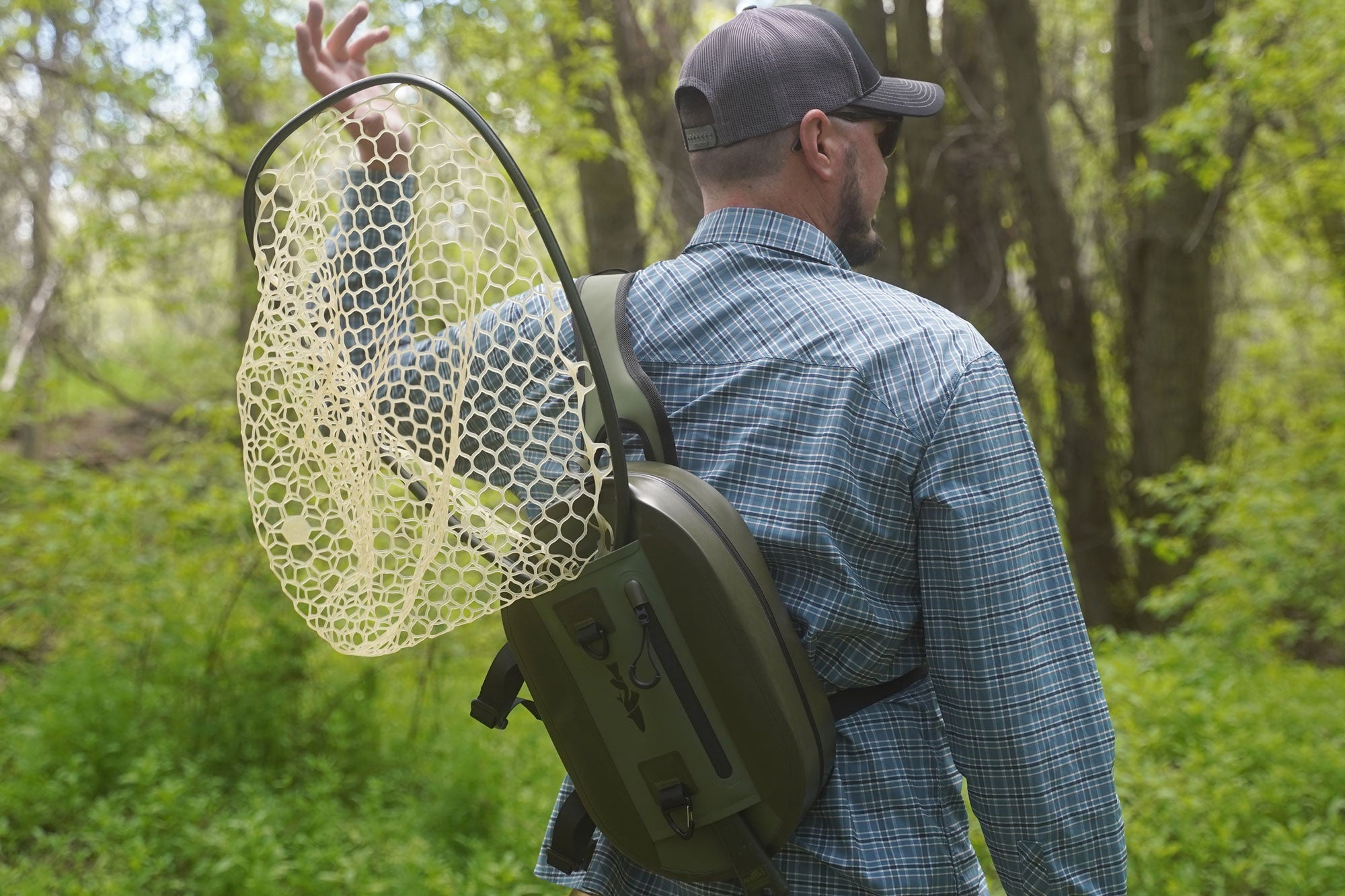
- Net: A rubber-mesh landing net to protect exotic species for release
- First Aid Kit: For hook injuries and cuts
- Traffic Safety: Bright clothing, awareness of vehicle traffic
Gear Story: "My approach to Trail gear evolved after getting spooled by a trophy peacock while using trout gear. A podcast episode covered this lesson: the Tamiami demands versatility. I now carry two rod setups—a 7-weight for peacocks and bass, and a 5-weight for the smaller exotics. The variety of species means you need to be ready for anything from aggressive 8-pound peacocks to delicate presentations to spooky cichlids."
Author's Trail Stories & Key Insights
The Day I Discovered Exotic Diversity
It was April 2019 when I first understood that the Tamiami Trail wasn't just a fishing spot—it was a living laboratory of biological invasion and adaptation. I had pulled over near a small bridge about 30 miles west of Miami, expecting to catch a few peacock bass for a podcast segment about Florida's exotic fisheries.
What I found instead was an ecosystem in constant motion. When we approached the edge of the water, I was shocked to see thousands and thousands of Asian Walking Catfish moving like a living carpet beneath the surface. Above them, cichlids of multiple species fed in different water columns, while gar patrolled the surface and peacocks ambushed from the shadows.
In three hours, I caught eight different species, including fish I couldn't immediately identify. This experience became the foundation for our "Exotic Species Series" on the podcast, running six episodes that explored not just how to catch these fish, but their ecological impact and what they represent for the future of Florida fishing.
The lesson? The Tamiami Trail teaches you that fishing isn't just about technique—it's about understanding ecosystems, even artificial ones created by human intervention.
My Most Educational Gar Day
I spent an afternoon last week driving up and down the Tamiami Trail between Everglades City and Naples, jumping out at bridges to scope out the Gar potential
September 2022 was my gar education. After years of frustration with these primitive predators, I finally connected with a local angler who taught me the subtle art of gar fishing. The technique is counterintuitive—you don't set the hook like with other species.
For the next half hour I circle around the feeding fish and rack up five or six more before the intense sun signals it's time to head back to the SUV That day taught me that every species requires respect for their unique biology and behavior. Gar have been perfecting their predatory skills for 100 million years—they deserve our patience and understanding.
This became a podcast episode which remains one of our most requested episodes about Florida fishing.
Local Resources & Guide Services
Ole Florida Fly Shop
- Address: 3434 N Federal Hwy, Fort Lauderdale, FL 33308
- Phone: (954) 771-9899
- Website: www.olefloridaflyshop.com
- Specialties: Tamiami Trail expertise, local guide recommendations
"The team at Ole Florida understands the Trail like no one else. Their guides have spent years figuring out the patterns and techniques that work on this unique fishery. When I need local beta or specific flies for Trail fishing, this is my first stop." - Christian Bacasa
Services:
- Trail-specific fly selection and tying
- Local guide booking and recommendations
- Equipment recommendations for exotic species
- Current conditions and access updates
Captain Mike Ricciardi (Exotic Species Specialist)
- Phone: (305) 853-5466
- Specialties: Urban canal peacock bass and exotic species
- Areas: Miami-Dade canal system, Tamiami eastern sections
"Captain Mike has been fishing South Florida exotics longer than almost anyone. His understanding of peacock bass behavior and his ability to locate fish in the urban canal system is unmatched. Several of our most successful podcast episodes were filmed with Mike." - Christian Bacasa
Services:
- Half and full-day guided trips
- Exotic species specialization
- Photography assistance for trophy fish
- Equipment and fly recommendations
Regulations & Conservation Ethics
Required Licenses
- Florida Resident: $17 (annual freshwater fishing license)
- Non-Resident Annual: $47 (freshwater fishing license)
- Non-Resident 7-Day: $30 (temporary license)
- Additional: No special stamps required for exotic species
Exotic Species Regulations
- Peacock Bass: The bag limit for butterfly peacock is two fish per day, only one of which can be greater than 17 inches
- Other Exotics: No specific limits on cichlids, oscars, or gar
- Native Species: Standard Florida freshwater regulations apply
- Special Areas: Some Everglades sections have specific rules
Conservation Considerations
The Florida Fish and Wildlife Conservation Commission to eat undesirable exotic fishes and provide more sportfishing anglers in the metropolitan Miami-Ft. Lauderdale area
Catch and Release Recommendations: The Florida Fish and Wildlife Conservation Commission strongly encourages the catch and release of butterfly peacock year-round to ensure the continued success of this very popular south Florida sportfish
Ethical Considerations:
- Release all peacock bass to maintain populations
- Understand ecological impact of exotic species
- Practice proper fish handling for all species
- Report unusual species or die-offs to FWC
License Purchase Locations
- Online: www.gooutdoorsflorida.com
- Local retailers: Walmart, Publix, sporting goods stores
- Fly shops: Ole Florida Fly Shop and other local retailers
"Fishing the Tamiami Trail means participating in one of the most complex exotic species situations in North America. While these fish provide incredible angling opportunities, we have a responsibility to understand their ecological impact and fish responsibly." - Christian Bacasa
Getting There from Major Cities
From Miami (Starting Point - Eastern Access)
Distance: Trail begins in Miami Route: Start at SW 8th Street (Calle Ocho) and head west Key Access Points:
- Krome Avenue (Mile 15) - Major transition point
- L-67 Extension (Mile 25) - Historical significance
- Shark Valley (Mile 40) - Everglades National Park
From Fort Lauderdale (Northern Approach)
Distance: 45 miles to eastern Trail access Driving Time: 1 hour to Miami starting points Route: Take I-95 south to Miami, then west on SW 8th Street
From Naples (Western Access)
Distance: Trail ends in Naples area Route: Start from Collier Boulevard and head east on US-41 Key Western Access Points:
- Highway 29 Junction - Everglades City access
- East River Park - Excellent gar fishing
- Collier-Seminole State Park - Snook and tarpon opportunities
Transportation Strategy
The best way to get to know the Trail is to just go out and do it
Daily Fishing Approach:
- Eastern Day: Start in Miami, work west to Krome Avenue
- Central Day: Krome Avenue to Highway 29 junction
- Western Day: Highway 29 to Naples, saltwater transitions
Lodging Recommendations
Miami Area (Eastern Trail):
- Hampton Inn & Suites Miami Airport South - Convenient to Antonio Maceo Park
- Courtyard Miami Airport - Good value, central location
Everglades City (Central Trail):
- Ivey House B&B - Historic, angler-friendly
- Rod & Gun Club - Classic Florida atmosphere
Naples Area (Western Trail):
- Hampton Inn Naples-I-75 - Highway access
- Fairfield Inn Naples - Good value option
Dining Along the Trail
- Joanie's Blue Crab Cafe - An eclectic greasy spoon miles from any other option, Joanie's is a must stop when fishing the trail
- Everglades Seafood Depot - Fresh local seafood
- Camellia Street Grill - Naples area, angler-friendly
Travel Strategy: "The Trail is best fished as a multi-day expedition. I recommend staying on the Miami side for eastern access, then moving to Everglades City for the middle sections. The 90-mile stretch offers completely different fishing experiences, so planning your base camps around the different zones maximizes your opportunities."
Final Thoughts
The Tamiami Trail represents something unique in American fly fishing—a fishery that shouldn't exist but provides some of the most diverse and exciting angling opportunities available. The 80 mile span from Krome Ave to Collier Blvd holds some of the best multi-species fishing in Florida
Over my decade of fishing the Trail and featuring it extensively on the Fly Fishing Insider Podcast, I've learned that this fishery teaches lessons that extend far beyond technique. It's a living laboratory of ecological change, a testament to both human impact and nature's adaptability, and a fishing experience unlike anywhere else in North America.
We were like 9-year-olds trying to catch 4-inch bluegills perfectly captures the Trail experience—it returns you to the pure joy of not knowing what might grab your fly next. Whether it's a trophy peacock bass crushing a Clouser or a delicate cichlid finally succumbing to persistence, every cast carries possibility.
My advice? Come prepared for the unexpected, respect the complexity of what you're fishing, and understand that the Trail will teach you as much about ecosystems and conservation as it will about fly fishing. The exotic species here are part of Florida's new reality—our job as anglers is to engage with that reality responsibly while enjoying some of the most unique fishing in the world.
About the Author
Christian Bacasa is the host of the Fly Fishing Insider Podcast, where he explores unique fisheries and conservation challenges across North America. His coverage of Florida's exotic species fisheries spans over 20 podcast episodes, making him one of the most recognized voices in exotic species angling. Christian's approach combines technical fishing instruction with ecological awareness, helping anglers understand both the opportunities and responsibilities that come with fishing these unique waters.
Connect with Christian:
- Podcast: Fly Fishing Insider Podcast - Available on all major platforms
- Website: ffipodcast.com
- Instagram: @flyfishinginsider
- YouTube: Fly Fishing Insider Channel
- Email: christian@flyfishinginsiderpodcast.com
Published: July 22, 2025 Last Updated: July 22, 2025
Planning to fish the Tamiami Trail? Share your exotic species encounters and questions through the Fly Fishing Insider Podcast social channels. The Trail's diversity means there's always something new to learn and share with fellow anglers.
Go on a fly fishing trip you'll never forget
We partnered with Frontiers Travel to put you on water that's worth the flight. Tell them where you want to go. Don't wait.
Book a TripFly Fishing Insider Podcast has a referral partnership with Frontiers International Travel. If you book after being introduced through us, we may receive compensation at no additional cost to you.