
Colorado's rivers are a cornerstone of the American fly fishing experience, renowned for their gold-medal waters and diverse angling opportunities. The rivers here have seen the footsteps of Ute and Arapaho tribes, fur trappers, and gold miners, and today they are treasured by conservationists and anglers alike.
The following table outlines the top rivers for Colorado fly fishing, their historical significance, fishable miles, the types of trout present, and estimates of fish counts per mile. These numbers are intended as a guide; actual conditions can vary due to a host of environmental factors.
Colorado, with its iconic Rocky Mountain backdrop, is a haven for fly anglers looking for both exceptional fishing and stunning natural beauty. The state combines accessibility with remote wilderness, creating a diverse experience that appeals to a wide range of outdoor enthusiasts. Here's a deeper look at what makes Colorado fly fishing a fantastic destination.
Fishing quality
- Famous rivers and streams. Colorado fly fishing is rich with famous rivers, including the South Platte, the Gunnison, the Arkansas, and the Colorado River itself. Many of these waters have "Gold Medal" status, a designation given by Colorado Parks and Wildlife to locations with high-quality trout habitat capable of producing a good quantity of large trout.
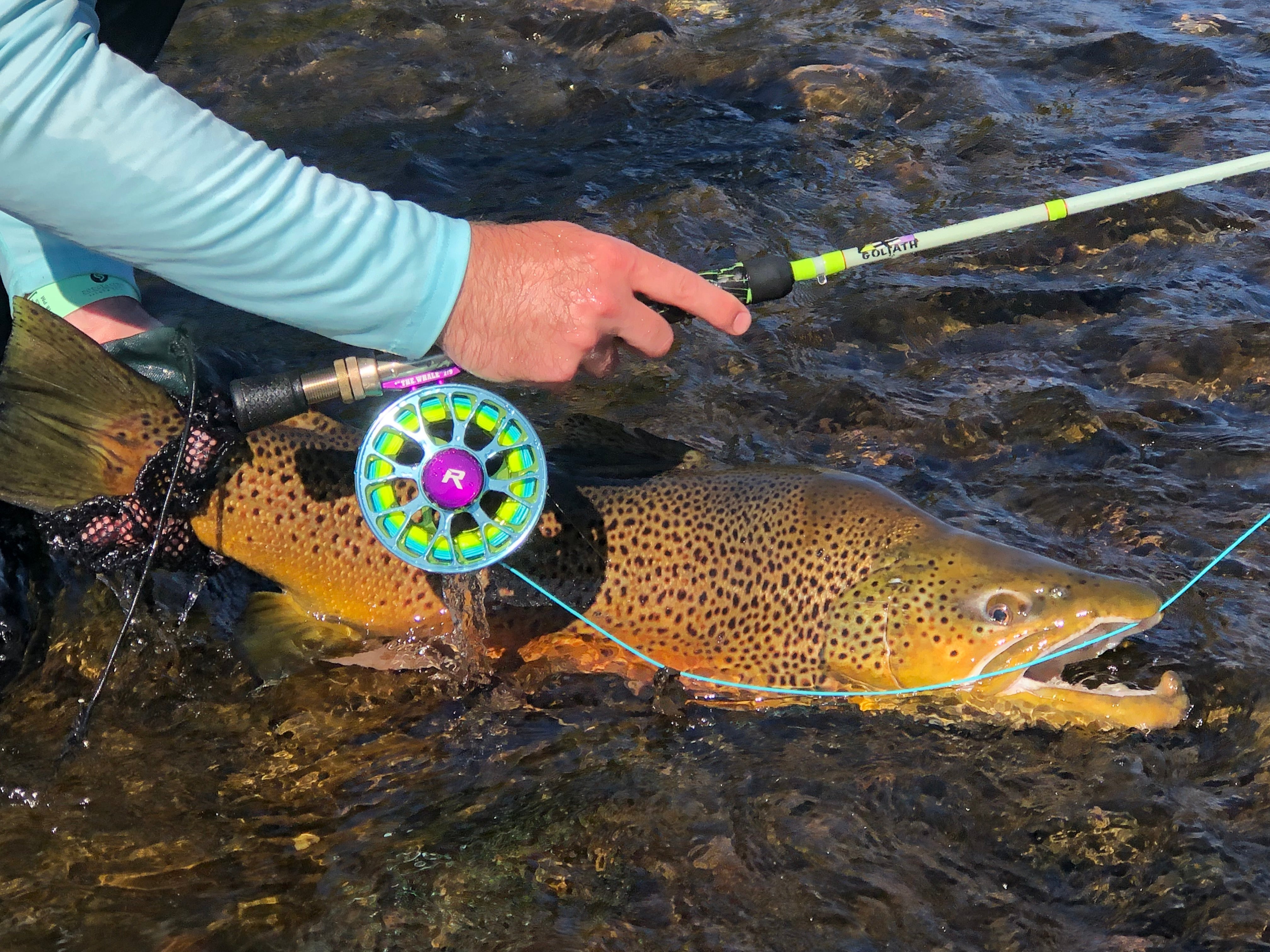
- Diverse fishing opportunities. Anglers in Colorado can pursue a wide variety of trout including rainbow, brown, brook, and cutthroat. Beyond trout, the state also offers opportunities to catch pike, bass, carp, and even Kokanee salmon in certain waters.
- Abundant access points. The state is known for its numerous public access points along rivers and streams, often accompanied by well-maintained facilities and clear signage, making it a user-friendly destination. A lot of anglers keep these access points as tick-list tracking mechanisms — it's certainly a challenge to get through all of them.
Listen to this episode about Colorado fly fishing opportunities: Brian Herbert — How to Have Versatility in Any New Water. Also worth reading alongside it: fly fishing new water.
Nature observation quality
- Vast wilderness areas. Colorado's extensive public lands, including Rocky Mountain National Park and wilderness areas like Maroon Bells-Snowmass, offer remote and serene settings for anglers seeking a tranquil experience. I recall climbing in Estes Park and I have yet to return to sample some of the Colorado fly fishing in the park. Its picturesque views and ample wilderness have to hold exceedingly good blue-lining opportunities.
- Wildlife. The state's diverse ecosystems are home to elk, mule deer, bighorn sheep, and even the occasional bear or moose, making for exciting nature observation.
- Spectacular scenery. From the alpine tundra to the red rock canyons, Colorado's varying landscapes provide a scenic backdrop for any outdoor activity, especially fly fishing.
Statewide support
- Conservation efforts. Colorado has a strong tradition of fishery and habitat conservation, ensuring sustainable fishing opportunities through a balance of habitat improvement projects, stocking programs, and strict regulations.
- Education and resources. Colorado Parks and Wildlife (CPW) and various local fly shops and guiding services offer extensive educational resources, workshops, and guided trips to help anglers of all levels improve their craft and their knowledge of local waters.
- Fishing community. The state has an active and vibrant fishing community with numerous clubs and organizations that promote the sport and the conservation of aquatic habitats.
Statistics on anglers visiting Colorado
Colorado's fly fishing draws a substantial number of visiting anglers each year. While specific numbers fluctuate annually, Colorado Parks and Wildlife typically sells several hundred thousand fishing licenses each year, with non-residents accounting for a significant portion of sales. The revenue from these sales contributes to the state's economy and helps fund fishery conservation efforts.
Fishing tourism is important for many rural communities in Colorado, and the state is proactive in promoting its outdoor recreation opportunities. The diverse range of fishing environments, from high-mountain streams to broad valley rivers, ensures that anglers can find the perfect spot regardless of their preferred style or experience level.
In conclusion, Colorado's extensive fly fishing offerings, set against the stunning backdrop of the Rocky Mountains and combined with strong statewide support for the sport and conservation, make it a destination worthy of any angler's bucket list. Whether you're looking for the challenge of technical waters or the peace of a secluded mountain stream, Colorado offers a well-rounded experience that can be both exhilarating and serene.
As always, these estimates are subject to change based on water conditions, hatch activity, and management practices. Fish counts are variable and can be influenced by water flows, food sources, and seasonal movements. Access to some sections may be on private land, requiring permission or guide services to fish. Anglers should check current conditions, regulations, and property rights before planning a trip.
Fishing Colorado with a guide
Colorado has more public access than most western states, but it also has more private water — and on the Gold Medal stretches, knowing which side of a boundary you're standing on matters. A guide solves that as well as the fishing. Our Certified Guides & Lodges are operations we know personally and stand behind.
Planning a full destination week rather than a day out? The Book a Trip page covers that through Frontiers International Travel.
Generalized packing list
When you visit Colorado for fly fishing, here are a handful of items I recommend bringing with you so you can have a great trip.
- Waders. Wet wading can happen in certain months, but waders are a must-have because of the weather fluctuation. The Whetstone II Chest Wader is a solid all-rounder, the Women's Whetstone is cut properly for women, and the MERIDIAN Z adds a front zip. Don't forget a wading belt.
- Socks. Get good thin wool socks that will keep you warm and comfortable. The Minus33 Lightweight Over The Calf Wool Socks are exactly right — thin, so your foot has room and circulation can keep it warm.
- Bottom layer. A nice thin layer keeps you warm and your bulk down during the day. The Chugach Zip-Off 3/4 Bottoms avoid bunching inside a boot, or go full length with the Midweight Wool Bottom.
- Top layer. Thin layers give you a good base to stay cool and add to. The Midweight Wool Long Sleeve Crew or, for women, the Heavyweight Wool 1/4 Zip.
- Puffy jacket. During morning and evening these are clutch, and when a cold spell hits you're prepared and comfortable. The Deckhand Puffy Jacket, or the warmer FORLOH ThermoNeutral Down Hooded Jacket.
- Rain shell. Afternoon thunderstorms are close to a daily event in the Colorado high country through summer, and they arrive fast. The packable Frogg Toggs Cascades Pack Jacket lives in a bag, and the Whetstone Waterproof Wading Jacket has the wrist gaiters that stop water running down your sleeves.
- Sun protection. At altitude the UV is far stronger than most visitors expect. A hooded sun shirt like the FORLOH SolAir and a wide-brim straw sun hat are worth packing.
- Flies. Have a good assortment of basics and you'll be fine. The Postfly First Cast Beginner Trout Assortment is 30 flies covering the patterns that work almost anywhere, and the Fly Rod Chronicles Classic Trout 12pk rounds out a box nicely. The South Platte tailwater fishes small, so the Olive Zebra Midge Assortment is worth having. Browse all fly pattern assortments.
- Rod and reel. Bring your own or pick up a matched set. Here is a guide to selecting one, or go straight to the rod and reel combos.
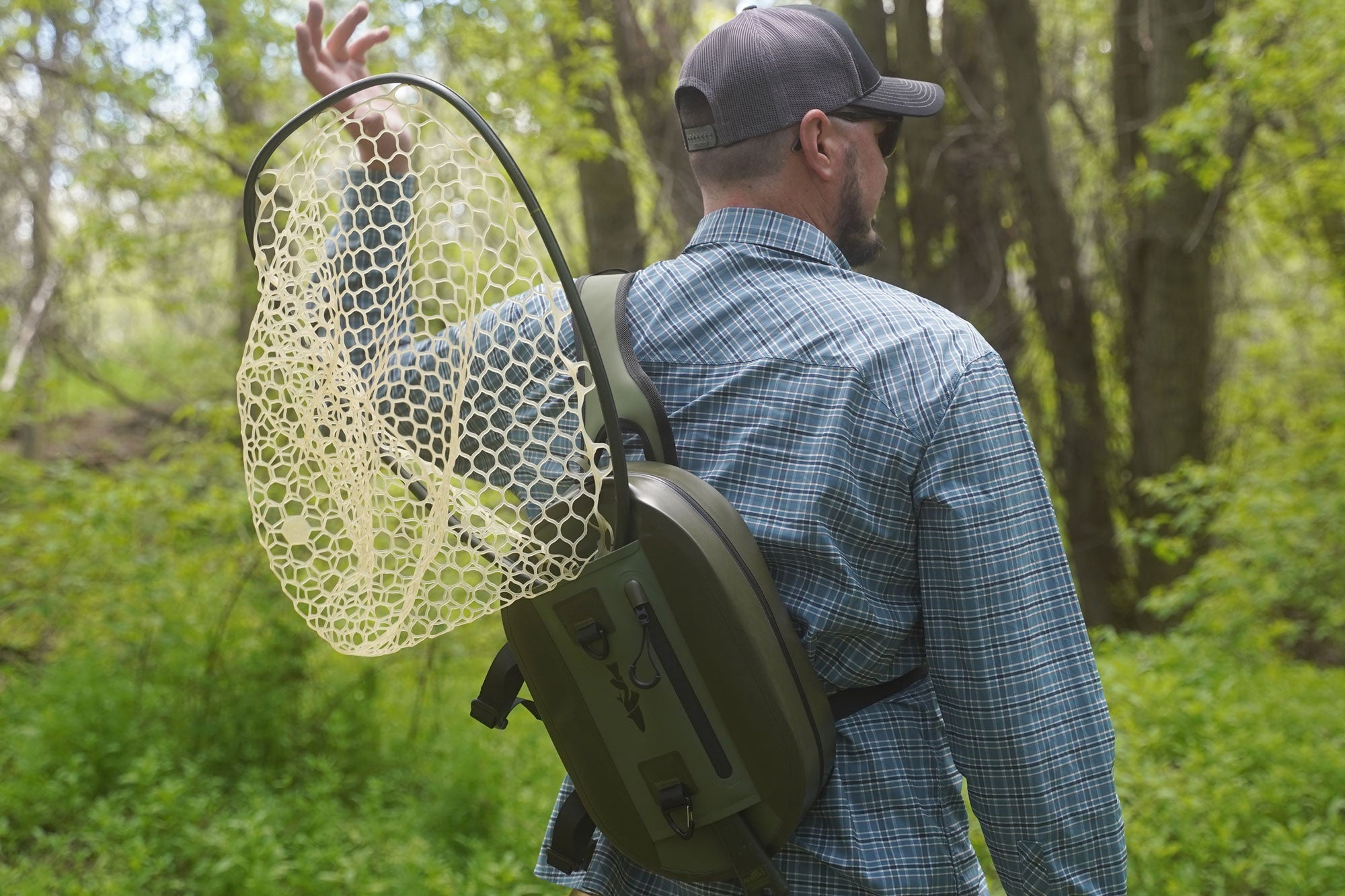
- Net. Netting by hand is fun and all, but a net takes the stress off. Since you're travelling, a compact one is the ticket — the Rising Brookie Net is short and fits in a bag easily, and the Lunker Net gives you more reach.
- Wading boots. Don't mess around. The Slate Felt Sole Wading Boots grip slick rock well — just check Colorado's current regulations on felt before you travel, since rules vary by state and change.
- Fishing pack. A small pack is nice for a few extra layers based on weather, and for a camera. The JHFLYCO 27L Waterproof Backpack keeps everything dry, and a Deluxe Fishing Vest is the alternative if you'd rather have it all in front of you. This is such a preferential thing and I've yet to find one that's perfect for all occasions.

Plan your trip: See our Colorado Location Details page for guides, seasons, regulations and tips.
The trip you keep talking about — go take it
Every angler has one destination they've described a dozen times and never booked. Tell us which one it is and we'll build the trip around it.
Book a TripFly Fishing Insider Podcast has a referral partnership with Frontiers International Travel. If you book after being introduced through us, we may receive compensation at no additional cost to you.

By Christian Bacasa
Host of the Fly Fishing Insider Podcast
ffipodcast.com
@flyfishinginsiderpodcast
@dupeafish
Watch on YouTube