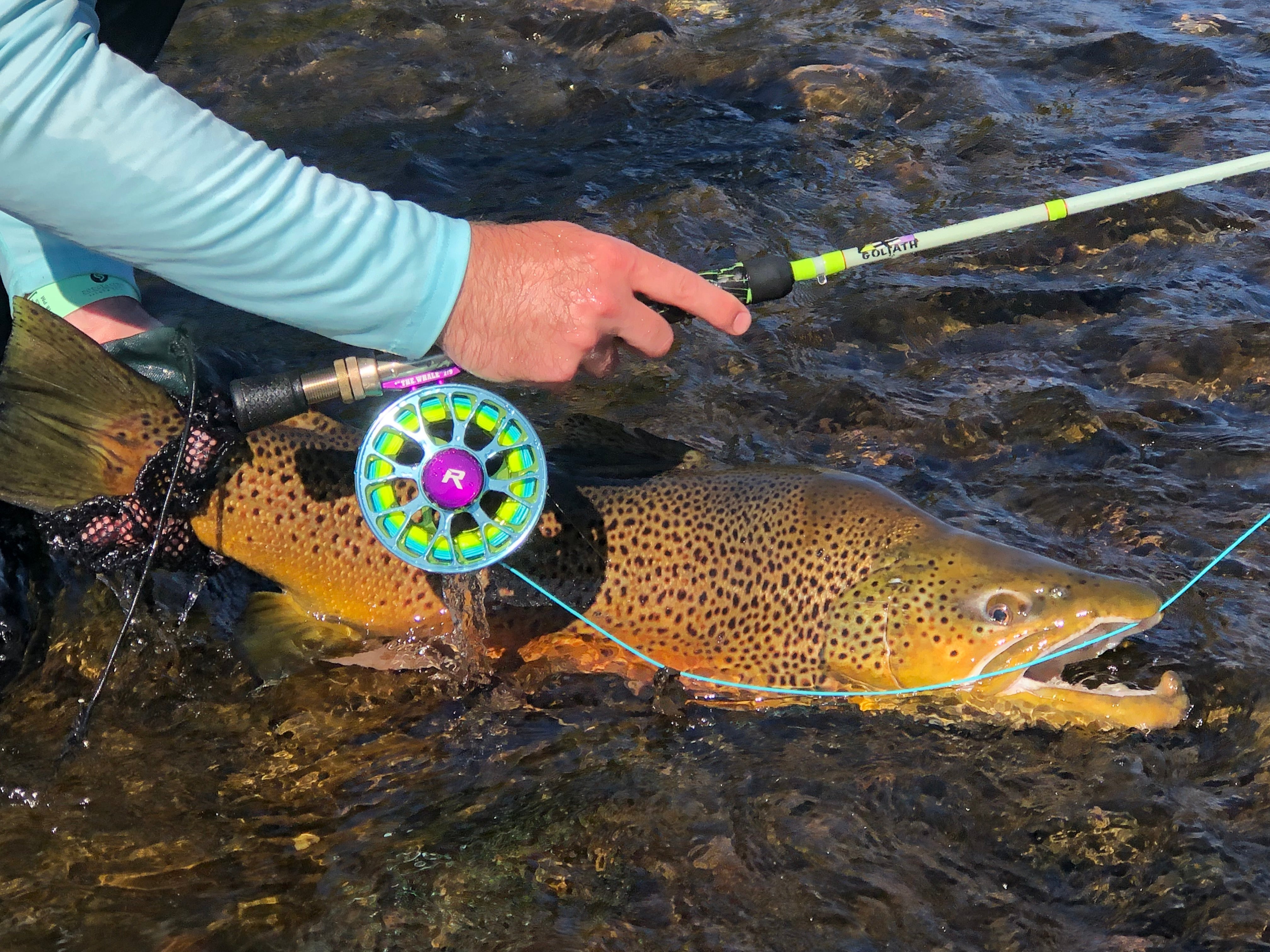

Todd and I were standing forty feet apart on the Middle Provo River last October, fishing the same run with what looked like the same drift. He'd been at it twenty minutes without a bump. I'd landed three browns. He finally waded over, looked at both rigs, and said the thing every angler says eventually: "We're fishing the exact same thing." He was right. The difference was happening eighteen inches under the surface, where neither of us could see it, and where his nymph was skating across three current lanes while mine tumbled along at the speed of the streambed. That gap — between the drift you think you're getting and the drift the trout actually sees — is the most expensive blind spot in dead drift fly fishing.
The short answer: A true dead drift means your fly travels at the exact speed of the water it's sitting in, with no tension from the leader or line changing its path. Most anglers achieve this for only a fraction of each cast, because micro drag — small, nearly invisible pulls from the leader crossing faster or slower current seams — steals the rest.
Key Takeaways
- A dead drift is defined by the fly matching its own water's speed — not by whether the indicator looks like it's moving naturally on the surface.
- Micro drag is the main culprit, and it comes from leader sag, line belly, and current seams working against each other at different depths.
- Water near the streambed moves noticeably slower than the surface, so a nymph dragged at surface speed is moving wrong even when the top of your rig looks perfect.
- You can diagnose drift quality without seeing the fly by reading what the leader does in the first few feet of the drift.
- Fixing a dead drift is mostly about casting angle, positioning, and drift length — not about buying a different fly.
The Problem Nobody Can See
Here's the thing about drag: everybody learns it in week one. Your dry fly leaves a wake, the trout refuses, somebody tells you to mend, and you file the concept away as solved. That's the obvious version — a V-wake behind the fly, an indicator scooting downstream faster than the bubbles around it. You spot it, you fix it, you move on.
Micro drag is the version that costs you fish for years without announcing itself — the same physics at a scale you can't see from thirty feet away in broken light. The fly isn't skating; it's being gently, continuously restrained, pulled a half-inch per second off the line the current wants to carry it along. To a mountain whitefish that might not matter. To a brown trout (Salmo trutta) already fooled and released twice this season it matters enormously, because a natural mayfly nymph loose in the water column doesn't travel in a straight line at a constant speed. It tumbles, rises, settles, and gets shoved sideways by every boil off the cobble.
I've spent a lot of hours on Utah water thinking about this, and the analogy I keep coming back to is a golf putt on a green with a subtle break. From behind the ball the green looks flat, you stroke it dead straight at the cup, and it slides two inches off line anyway. No visible slope, no dramatic failure — the surface was just doing something your eyes couldn't resolve at that distance. A river does the same thing to your nymph on every cast, except the break is three-dimensional and it changes every few feet.
What Does a True Dead Drift Actually Look Like Underwater?
A true dead drift looks like your fly is a piece of debris that nothing is attached to: the nymph traveling at the same velocity as the water immediately around it, at the depth the trout is holding, with the leader trailing loosely enough that it isn't steering anything. It doesn't look like a straight line. It looks like slow, aimless tumbling.
The part that trips people up is that a river is not one speed. Water moves in layers, and friction against the streambed slows the bottom layer dramatically — in a run pushing a walking pace on top, the bottom few inches can move at a fraction of that. It's the cheapest real estate in the river: maximum food conveyor, minimum energy cost, which is exactly why trout hold there.
Now picture what that does to your rig. Your fly line lies on the surface moving at surface speed. Your nymph is eight to thirty inches down in water that wants to move slower. Unless the leader between them carries enough slack to absorb the difference, the faster surface layer pulls the fly downstream ahead of its own current. Your fly isn't dead drifting. It's being towed by the top of the river.
That's why the indicator is such a treacherous witness. It floats on the fastest layer in the system, so tracking beautifully alongside the foam line only confirms that the surface of your rig is behaving. The nymph three feet below could be doing something completely different, and usually is. I've watched it in clear Utah tailwater where you can see the fly: indicator perfect, nymph swinging.
What Causes Micro Drag in Fly Fishing?
Micro drag comes from four sources, and they stack. Name them and you stop guessing.
1. Leader sag
When your rod tip is high and a length of leader hangs in the air between tip and water, gravity pulls that section into a curve. As the drift progresses the curve tightens, and the tightening transfers straight down to the fly. Not a yank — a slow, continuous load, like a dog on a long leash walking just barely faster than you are. Most anglers never account for it because nothing visibly moves. The fix is a lower rod tip and a shorter working distance, which is one reason tight-line and micro-leader nymphing systems produce such clean drifts up close.
2. Line belly across current seams
Current seams are boundaries where two water speeds run side by side — a riffle's edge against a soft pocket, a chute's tongue against the slow water beside it, a boulder's cushion meeting the main push. Anytime your fly line crosses a seam, the faster side bows the line downstream. That bow is the belly, and the belly is a lever: the longer it gets, the harder it pulls. This is what mending is for.
3. The indicator itself
An indicator is a floating anchor point, pushed by the fastest water in the system, with everything below it tethered to that point. That's no reason to abandon indicators — they're genuinely good at depth control and subtle takes — but it is a reason to size them honestly. A foam football that could float a heavy rig on the Green River is overkill on a shallow Provo run.
4. Weight and depth mismatch
Too light and the nymph never reaches the slow boundary layer, spending the drift in fast surface water where it doesn't belong. Too heavy and it hangs up, so the leader comes tight to a stationary point — the most obvious drag of all. Getting weight right isn't a magic number; it's the fly reaching fishing depth early and staying there.
The First Ten Feet Decide Everything
Here's a thing I wish somebody had told me fifteen years ago: most of a nymph drift is already decided before the fly gets anywhere near the fish. If your fly hasn't sunk into the slow water by the time it enters the strike zone, the drift is over before it starts.
So I stopped thinking about "the drift" as one continuous thing and started thinking of it as three phases. Phase one is the sink, where the fly's only job is to get down. Phase two is the presentation window, where the fly is at depth, moving at the right speed, and actually available to a trout. Phase three is the exit, where the leader comes tight and the fly rises. Phase two is the only part that catches fish, and for most anglers it's a lot shorter than they think.
Spend a rough drift before the fish ever sees the fly. In a solo tutorial breaking down drift and presentation timing, Christian Bacasa makes the case that casting straight at a feeding trout lands your leader too close or too late, and that a drift whose quality changes partway through reads as unnatural even when the fly is right. The fix is to cast above and off to the side, accept that the first stretch is a throwaway, and time the mend so the fly is genuinely drag-free at the moment it enters the fish's window. That is the surface version of exactly what this article is asking your nymph to do underwater.
Dry Fly Tactics for Selective Trout (free eBook)
The same drift-quality thinking, applied on the surface where you can watch every mistake happen. Grab the free eBook and take it to the river with you.
Get the free eBook →How I Actually Set Up a Drag-Free Drift
Here's what I do, in order, because the sequence matters more than any individual trick. This is the routine I use on the Middle Provo, and it transfers to almost any freestone or tailwater run.
Step one: pick the lane before you pick the spot to stand
I choose the current lane I want the fly in — usually a strip two or three feet wide — then position myself so my fly line crosses as few current speeds as possible getting there. That's the whole game in one sentence. Wading eight feet upstream for a straight shot up a single lane beats any mending technique ever invented.
Step two: shorten the cast
I'd rather make a clean eighteen-foot presentation than a pretty forty-foot one. Long casts feel productive and are almost always worse: more line on the water, more seams crossed, more sag, later hook sets. Trout in a run you approached carefully from downstream will tolerate a shocking amount of proximity.
Step three: cast up and across, not straight across
A cast angled upstream buys you drift time before the line comes tight. Straight across the current gives the river the maximum leverage to belly your line immediately. On most runs I'm casting somewhere between ten o'clock and eleven o'clock relative to straight upstream, which lands the fly above the target and gives it the sink phase it needs before it reaches the fish.
Step four: build slack on purpose, then spend it
This is what separates people who understand drift from people who just mend a lot. Slack is fuel. A tuck cast, a stop-and-drop of the rod tip, a wiggle on delivery — all of them put a reservoir of slack into the system that the current can consume before it starts pulling on the fly. Then you feed that slack out by leading with the rod tip at exactly the current's speed. Done right, you'll make zero mends on a short drift, because the belly never forms.
Step five: end it early
I pick up when the fly leaves the productive window instead of letting the line come tight and the fly start swinging. Every extra second of a dragging drift trains the fish in that run to ignore your pattern. For the mechanics of the cast itself, our breakdown on systematizing your cast for a perfect drift is the natural next read.
How Do You Tell if Your Dead Drift Is Working?
You tell by watching the leader, not the fly and not the indicator. The leader is the only part of the system that reports back on what's happening below the surface, and once you start reading it you'll never un-see it.
Here's my checklist on the water, and I run it consciously for the first dozen casts on any new run:
Does the leader straighten and settle in the first few feet? If the butt section is still lying in a loose pile on the surface halfway through the drift, your fly hasn't reached depth and probably won't. If it snaps tight instantly, you've got too little slack and the fly is already being steered.
Are you touching bottom occasionally, but not constantly? A soft tick every handful of drifts means you're in the zone. Ticking every cast means you're plowing, and a plowed fly is an anchored fly. Never ticking means you're riding above the fish.
Is the fly moving slower than the surface? On a properly drifted nymph rig the indicator should look like it's traveling a touch slower than the bubbles beside it, because the fly down in the slow layer is setting the pace. If the indicator outruns the foam, the surface is pulling your fly.
Where are the takes coming in the drift? If every eat happens in the last third, your fly isn't getting down early enough. If every eat is in the first third and then nothing, your drift is dying early — shorten it and recast.
Todd started running that checklist on the Provo and his numbers changed inside one afternoon, not because his flies changed but because he stopped fishing his rig and started fishing the run's actual current structure. Our deeper dive on nymph depth and presentation goes further into the depth side of that equation.
Advanced Drift Work: Seams, Buckets, and the Throwaway Cast
Once the basics are automatic, three more advanced habits take drift quality up another level.
Fish the seam, not the middle
Trout sit on the slow side of current seams because food gets delivered there at no energy cost — the fast water does the work and they lean into the buffet. So the highest-value drift is usually two to twelve inches onto the soft side of a seam, not down the middle of the fast tongue. That also leaves your line less fast water to cross: better lie, less drag, same cast.
Buy a throwaway drift
On a good fish whose lie I know, I cast well above and off to the side so the first part of the drift is sacrificial. The fly gets down, the leader settles, and only then does the rig arrive in front of the trout. Landing the cast right on top of the fish to maximize drift length gives that trout the worst version of your presentation at the moment it matters most. The same principle applies on the surface, covered in our post on dry fly presentation tricks pro guides use.
Understand that flow changes the whole math
A run that fishes perfectly at 180 cubic feet per second is a different animal at 600. Higher flows mean faster surface layers, sharper seams, and a bigger speed gap between top and bottom — more micro drag for the same rig. I check the USGS gauge on the Provo River near Hailstone before I drive up, and the current rules on the Utah Division of Wildlife Resources fishing pages if I'm headed somewhere new. Flow isn't trivia — it decides how much drag correction your day will require.
Should a Dead Drift Ever Not Be Dead?
Yes — and knowing when to break the rule is what separates a technician from a fisherman. A perfect dead drift is the default because most subsurface insect drift is passive, but there are real moments when motion outfishes stillness.
The big one is emergence. When caddis pupae or mayfly nymphs are swimming toward the surface, a fly that rises at the end of the drift imitates that exactly. The old Leisenring lift — letting the fly swing and climb at the tail of the drift instead of picking it up — turns the drift's death into a feature. I've had days on Utah tailwaters where every eat came on that lift.
The second exception is when trout are keyed to movement. Small streamers, leeches, and scuds all get eaten better with some life in them. And the third is high, off-color water, where the fish need help finding your fly and a little motion makes it visible.
But those are choices you make consciously. What kills fishing is unintentional motion — drag you didn't ask for and can't see. If you're going to move the fly, move it on purpose.
Gear That Actually Helps Your Drift
I want to be straight with you: no product will fix a bad casting angle. That said, a few pieces of gear genuinely remove friction from the drift problem, and these are the ones I'd actually spend money on.
The leader is where I'd start. A supple, well-turning leader with a soft tip sags less and transmits less surface speed down to the fly, which is why I keep a stocked leader drawer — different water gets different tapers. Then tippet: fluorocarbon is denser than nylon and cuts the surface tension that holds a nymph in the wrong layer. On the Provo I'm usually on 5X (about .006") with a size 16 to 18 nymph, dropping to 6X when the water is very clear and slow.
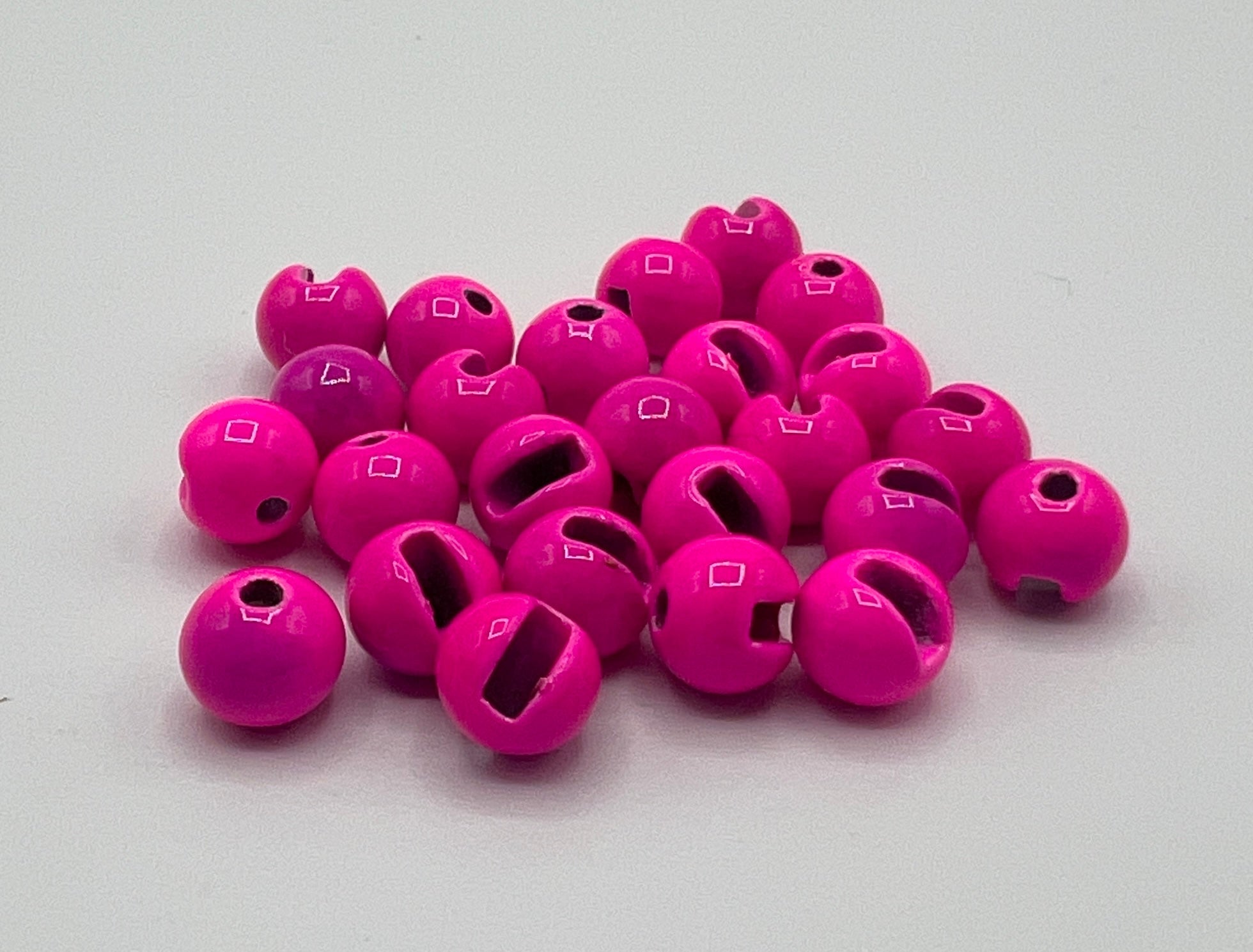
Weight matters more than most people admit. Getting the fly into the slow boundary layer in the first fifth of the drift is the difference between fishing and practicing, and a small split shot assortment lets you tune that in ten-second increments instead of re-rigging. You also want bead heads in a range of sizes so you can change mass without changing the profile. Our fly pattern collection runs deep if you're restocking a box.


A Drift Quality Cheat Sheet by Water Type
| Water type | Biggest drag source | What I change |
|---|---|---|
| Shallow riffle, 1–2 ft | Weight mismatch; fly rides too high | Small shot close to the fly, very short drift, stand close |
| Deep run, 4–6 ft | Sink time; drift ends before fly arrives | Cast much farther upstream, buy a throwaway phase |
| Pocket water behind boulders | Multiple seams inside one cast | High rod, almost no fly line on the water, 6–10 ft drifts |
| Flat tailwater glide | Leader sag and surface tension | Longer fluorocarbon tippet, downstream reach presentation |
| Bank seam under brush | Line belly across the fast middle | Reposition to reduce seams crossed; don't try to mend it |
Frequently Asked Questions
What is a dead drift in fly fishing?
A dead drift in fly fishing is a presentation where the fly moves downstream at exactly the speed of the water around it, with no pull from the leader or fly line altering its path or speed. It imitates a natural insect that has lost its grip on the streambed and is drifting helplessly, which is the state in which trout eat the vast majority of subsurface insects.
What is the difference between drag and micro drag?
Drag is visible: the fly leaves a wake, or the indicator clearly outruns the surface bubbles around it. Micro drag is the same force at a scale you can't see from normal fishing distance — a fraction-of-an-inch-per-second restraint on the fly caused by leader sag, a small line belly, or the difference in speed between surface water and the slower water near the streambed. Pressured trout refuse micro drag routinely.
Why does my indicator look perfect but I still don't catch fish?
Because a strike indicator floats on the fastest layer of the river and only reports on what the surface of your rig is doing. Your nymph may be two to four feet below that, in slower water, being towed forward by the indicator at the wrong speed. Judge your drift by what the leader does as it settles, and by whether you tick bottom occasionally, rather than by how the indicator looks.
How long should a dead drift be?
Shorter than most anglers make it. A useful working target is the portion of the drift where the fly is at fishing depth and the leader isn't yet coming tight — often only six to fifteen feet. Once the line starts to belly and the fly begins to rise and swing, pick up and recast rather than dragging a bad presentation through the rest of the run.
Does tippet size affect dead drift quality?
Yes, in two ways. Thinner tippet has less surface area for current to grab, so it creates less drag and lets the fly sink faster; it also hinges more freely, which helps the fly move independently of the leader. Fluorocarbon adds density, so it cuts through the surface layer better than nylon. On Utah tailwaters I'm commonly on 5X for size 14 to 16 nymphs and 6X for size 18 and smaller.
Do I need a special rod to get a good dead drift?
No. A standard 9-foot 5-weight will produce excellent drifts if your angles and distances are right. Longer rods — 10 to 11 feet — do make it easier to hold line off the water and reduce sag at close range, which is why tight-line specialists favor them, but rod length is a refinement, not a prerequisite. Fix your position first.
Go Watch Your Leader
If you take one thing from all of this, make it the simplest one: stop grading your drift by the indicator and start grading it by the leader. That one habit change turns nymphing from a guessing game into a feedback loop, and a feedback loop is how anglers actually get better. Your fly is doing something down there on every cast. The leader is the only honest witness you have.
Next time out, give yourself twenty minutes of deliberate practice instead of twenty minutes of fishing. Pick one run, pick one lane, and run the checklist, then fix one variable at a time. That's the whole mission around here: helping you catch any fish, any time, and anywhere — usually by getting the boring fundamentals right rather than chasing the next miracle pattern. Come tell me how it goes on Instagram at @flyfishinginsiderpodcast, and if you want the deals and gear intel, join the FFIP Insiders email list.
Join the FFIP Insiders
Get gear deals, trip intel, and tactics to help you catch any fish, any time, and anywhere — straight to your inbox.
Get the free eBook →Tight lines, everyone!