
Fly fishing in Alaska runs June through early October. Come mid-August for three species in a day, or late August into September for six weeks of beads and heavy rainbows. June is streamers, dries and mice; July is the sockeye conveyor; and late September into October is flesh.
Everybody asks the same question about Alaska, and almost everybody asks it backwards. They ask when the fishing is best. The guides I've talked to would rather you told them what you want to catch, and then they'd tell you when to come.
Because the answer genuinely changes. The week that produces the heaviest rainbows of the year is not the week you'd pick to bring home a box of salmon, and neither is the week where you can reasonably catch three species before dinner.
Part 2 of 3 in our Alaska series. Start with what you'll actually catch, then finish with how to pick your trip.
Jeffrey guides at Rainbow River Lodge in Bristol Bay and walked us through the full seasonal arc — early-season streamers and mice, the sockeye push, six weeks of beads, and flesh at the end.
Alaska Doesn't Have a Season. It Has a Sequence.
Alaska doesn't have a season so much as a sequence. Each run arrives on roughly its own schedule, the trout reposition behind whichever fish is currently in the river, and what you should have tied on changes completely between June and late September. Jeffrey, who guides out of Rainbow River Lodge in Bristol Bay, describes the arc in three movements: an early season where the fish still want something that looks alive, a mid-summer where the sockeye push turns the whole system into a conveyor belt of protein, and a back half where trout sit behind spawning salmon and eat eggs, then flesh. Dallas Voss, who grew up on the Kenai and has guided there for seven years, walks the same arc on a road-system river with different dates attached. Neither of them would tell you there is one correct week. They'd tell you to decide what you want to catch first.
What the Guides Actually Told Me
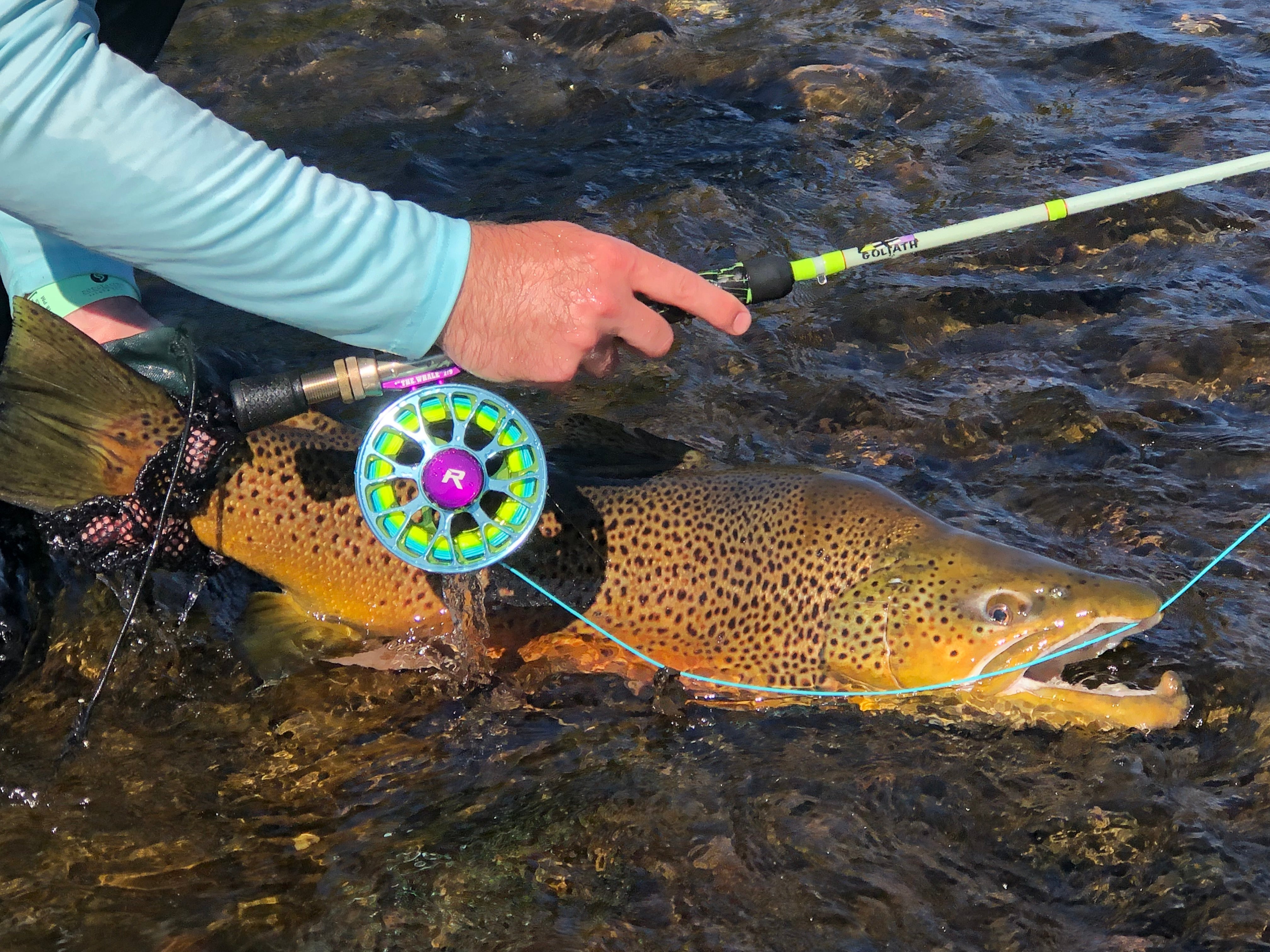
The thing that reframed this for me was Dallas naming her favorite window, and it wasn't the peak of anything. Mid-August, she said, because that's when the pieces overlap — the tail end of the sockeye run, the first silvers showing up, and the trout bite genuinely switching on as the kings that came in during May and June begin to drop their eggs. Three species in a day, off one boat. Meanwhile Jeffrey's bead season is roughly six weeks, and he's blunt that it's the window everyone books. Both of those are true, and they point at different trips. Here's the other thing worth knowing, and it took me a couple of visits to appreciate: on the Kenai, pink salmon return in force on even-numbered years. More pinks means more eggs, more carcasses, more rainbows keyed to known gravel. Dallas and her husband look forward to the even years the way we watch for a cicada hatch down here.
The Calendar, Month by Month
- June — the alive-looking stuff. Before the eggs arrive, the fish want streamers, dries and mice. On the Kenai the first sockeye push into the Russian River around mid-June and gets funneled into the confluence.
- July — the sockeye conveyor. The big lower-river sockeye run comes mid-July into early August, and it's a heavier fish than the June arrivals.
- Mid-August — the overlap. Dallas's pick. Late sockeye, first silvers, and the trout bite turning on as king eggs drop.
- Late August into September — bead season. Roughly six weeks where beads are the whole program and the rainbows are heavy.
- Late September into October — flesh. Spawned-out salmon break down, the flesh moves through the system, and the trout eat it. A second run of silvers shows up around early September.
Matching Your Technique to the Calendar
- Early: strip and swing. Streamers with intent, mice on soft edges, dries when the weather allows.
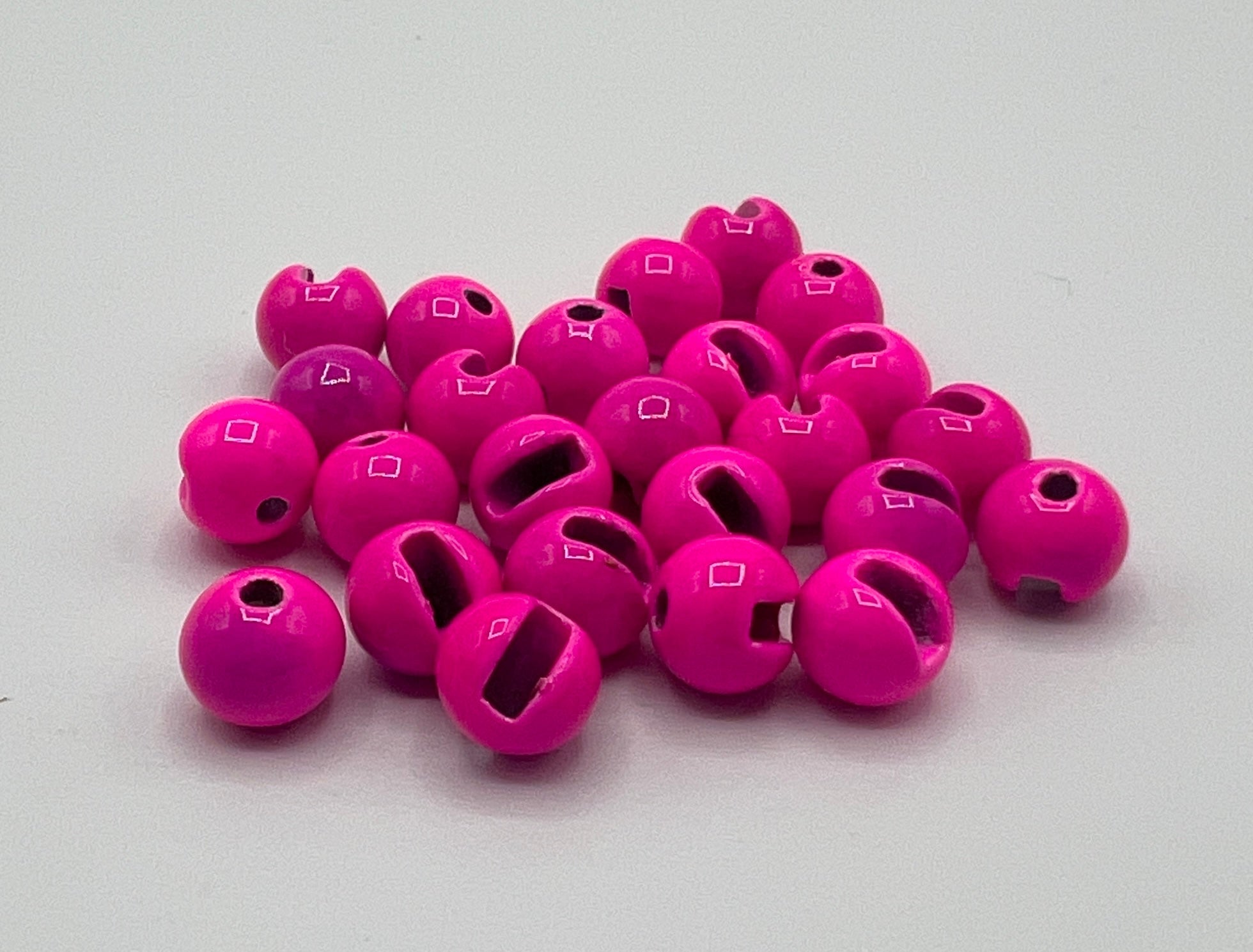
- Mid: dead-drift beads. Match size and color to the eggs actually in the water, not to what worked last trip.
- Late: dead-drift flesh. Fish it below where carcasses are entering the system. Bright pinks and reds work through much of the salmon season too.
- Throughout: fish behind the salmon, not at them. The trout are always positioned relative to whatever run is in.
Pick your window by species, not by weather. Almost everyone books the peak of bead season because that's what the photos show, and it is genuinely excellent. But if you want variety in a single day rather than one thing done perfectly, mid-August is the smarter booking — and it's easier to get.
Which Fish Are Running, and When
Kings arrive first, in May and again in June, though on the Kenai they've been closed to fishing because of a statewide decline — check the current Alaska Department of Fish and Game regulations before you plan around them. Sockeye run mid-June into the Russian and again mid-July through early August on the lower river. Silvers start mid-August with a second push in early September. Pinks show up alongside the silvers, heavily on even years. Rainbows are there the entire time, repositioning behind whichever fish is spawning, and on the Kenai they're available year-round.
Flies for Each Window
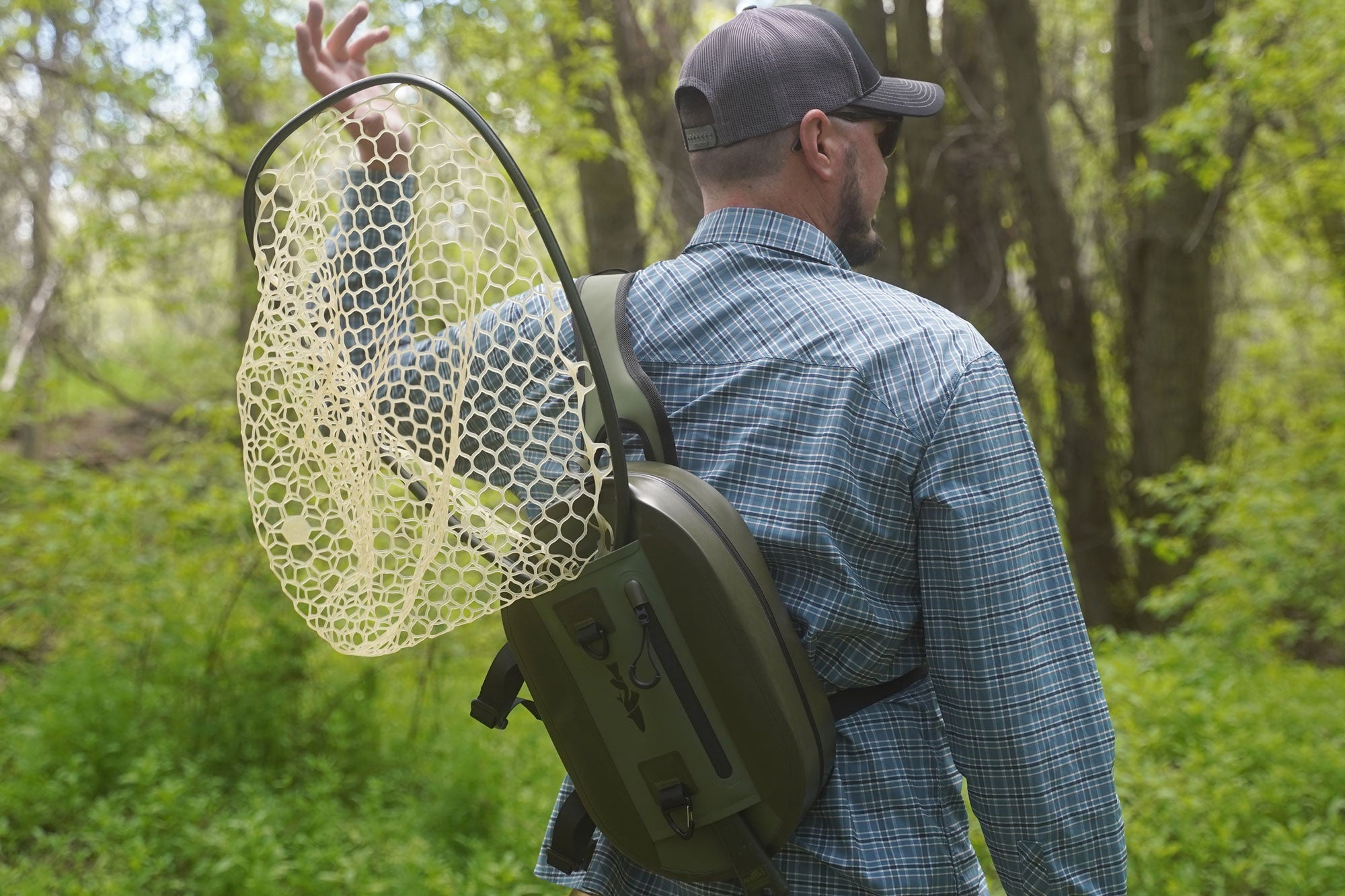
Gear Worth Packing
The trip you keep talking about — go take it
Every angler has one destination they've described a dozen times and never booked. Tell us which one it is and we'll build the trip around it.
Book a TripFly Fishing Insider Podcast has a referral partnership with Frontiers International Travel. If you book after being introduced through us, we may receive compensation at no additional cost to you.
Tight lines, everyone!
Next in the series: lodge, fly-out, or road system — and what each one actually costs you in time and money. If you already know your window, our travel team can find the operation that fishes it best.
Book a Trip