
Fly Fishing Insider Podcast
Driftless spring creeks emerge from porous limestone aquifers at about 42 degrees, so they never freeze hard in winter or overheat in summer. That stable, nutrient-rich water grows unusually large trout in unusually small streams, and the clear, shallow water makes a slow downstream approach more important than casting distance.
Mel Hayner is the owner and operator of The Driftless Fly Fishing Company, a fly shop and guide service with more than 20 years of guiding behind it and roughly 50 years of fishing experience across the Driftless region.
Also on Apple Podcasts · Spotify · YouTube
Why is the Driftless region called driftless?
Driftless is a geological term, not a fishing one. Drift is the pulverized rock and rubble that advancing glaciers grind up and push ahead of them, and the glaciers coming down from the north stopped roughly 40 miles short of this area, likely because the Great Lakes absorbed so much of that moisture. The unglaciated pocket covers parts of Minnesota, Wisconsin, Iowa and a sliver of Illinois, and because the ice never compacted the ground, the limestone underneath stayed porous.
Why do Driftless spring creeks hold trout year-round?
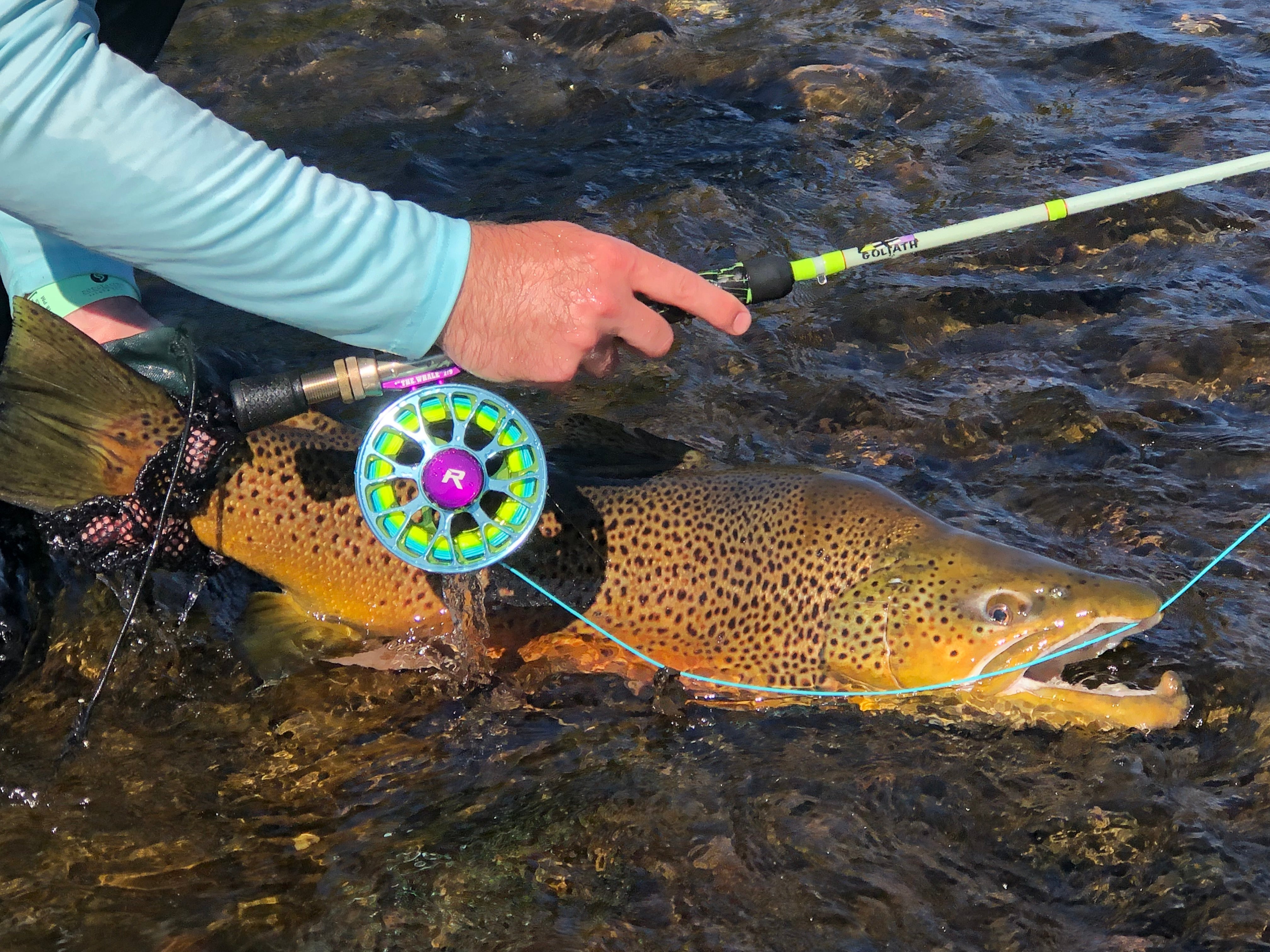
The porous limestone under the Driftless region carries aquifers that surface as springs at about 42 degrees. That constant temperature keeps the spring creeks from getting too hot in summer and from freezing up in winter, and the nutrient-rich water supports heavy insect activity and high biomass density. The result is that Driftless spring creeks grow surprisingly big, healthy trout in water that can be no wider than a two-lane road or even a sidewalk.
What trout species live in the Driftless region?
Brook trout are the only trout native to Minnesota before European settlement; brown trout were stocked around the 1890s, arriving by train in milk containers, and rainbow trout are still stocked but do not reproduce there. The fishery today is roughly 99 percent wild brown and brook trout, with stocked rainbows placed near resorts, state parks and family fishing areas. Brook trout run smaller - eight to ten inches on average, twelve for a big one, sixteen inches being the largest ever seen locally - and hold in the headwaters where the water is coldest and cleanest.
How did slot limits change Driftless trout fishing?
About ten years ago, catch-and-release stretches and slot limits were designated on Driftless water: fish between 12 and 16 inches must be released, and an angler may keep either one fish over 16 inches or three under 12. The reasoning is biological. When early-season harvest removed all the large fish, nothing was left to eat the small ones, the stream ended up with high numbers of stunted trout and a depleted forage base. Protecting the predators restored the balance, and there are far more big fish now than there were 20 years ago.
How should you approach a pool on a clear spring creek?
Trout face upstream, so the only place a spring creek trout cannot see is directly behind it, which means fishing upstream and approaching from below. Fish the tail-out of the pool first, work up gradually, and save the best cast for the prime water at the head, where the largest fish take first call on drifting food. Wading straight into the tail-out scatters the small fish upstream and sets off an alarm for everything above. Where the bank offers a lane, cast from the bank rather than getting in the water at all, and watch where your shadow falls.
What nymph rig works on small Driftless spring creeks?
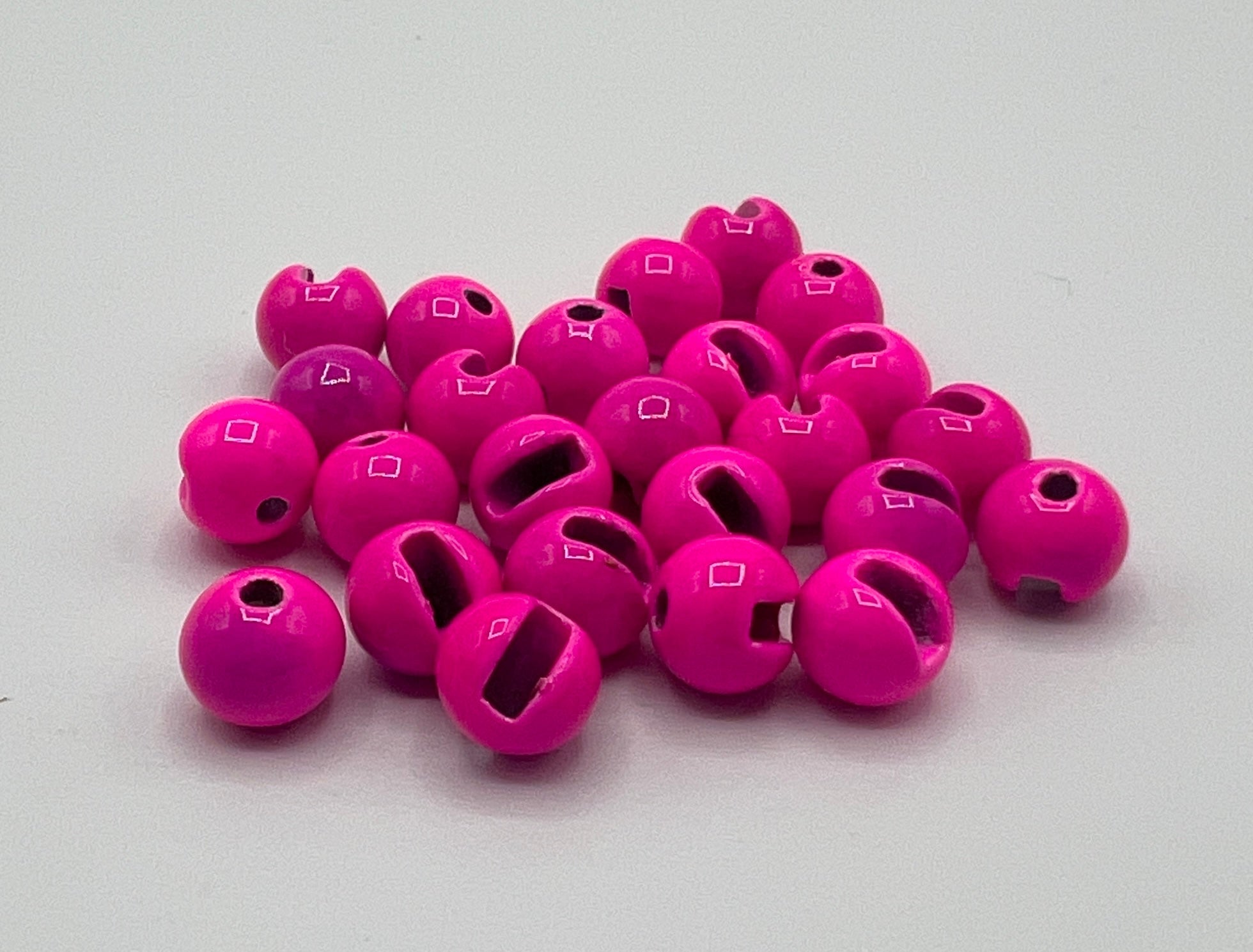
About 80 percent of the fishing is a single nymph under an indicator. A dry dropper is deliberately avoided on the small creeks because a second hook doubles the chance of snagging while bouncing flies under cut banks, and doubles the chance of losing a big fish that digs into the weeds. The indicator is a small pinch-on foam or a New Zealand-style wool indicator, set so the fly runs along the bottom at roughly a 45-degree angle, which in knee-deep riffle water means partway up the leader. Bead heads get the fly down; the same patterns without beads cover fish sipping emergers an inch under the surface.
How does public access work on Driftless trout streams?
Trout stamp money funds habitat improvement and pays landowners for access, and the resulting easement runs 30 feet from the high water mark. By last count roughly 700 miles of stream are accessible, mapped by the state agency and available as printed booklets or downloads. The easements are permanent - they attach to the title of the ground, so a later owner cannot rescind them - and the practical signs of the system are the small stairs built over barbed wire fences so anglers never have to open a gate.
Key takeaways
- Driftless springs surface at about 42 degrees, so seek them out in summer heat and again in winter cold, when 42-degree inflow is warmer than the stream.
- A stream thermometer clipped to a boot is a practical way to locate underwater spring inflows you cannot see.
- Fish a Driftless pool from the tail-out upward and save your best cast for the head, where the biggest fish holds.
- If a cast misses its mark, let the fly drift back to you before lifting - ripping it out of prime water puts the pool down.
- Use the smallest indicator that will float the rig; a large bobber-style indicator is too splashy for small spring creeks.
- Set the indicator so the nymph tracks the bottom at about a 45-degree angle, and lock it with a single overhand knot when adjusting depth.
- Cut banks, both natural and man-made lunker structures, hold the biggest fish - watch for a nose sipping right at the bank edge.