
Fly Fishing Insider Podcast
Chinook Wind Outfitters runs a brick-and-mortar shop and an e-commerce store out of a northern British Columbia town of about 3,100 people. Flies and tying materials are the core of the business, sourced first in Canada, then the United States, and now increasingly from France, Italy and the Czech Republic for quality and innovation.
Susan Smith is the owner of Chinook Wind Outfitters, a northern British Columbia fly shop and fly tying materials distributor with a brick-and-mortar store, an e-commerce site and a pro staff of tyers.
Also on Apple Podcasts · Spotify · YouTube
What does Chinook Wind Outfitters actually sell?
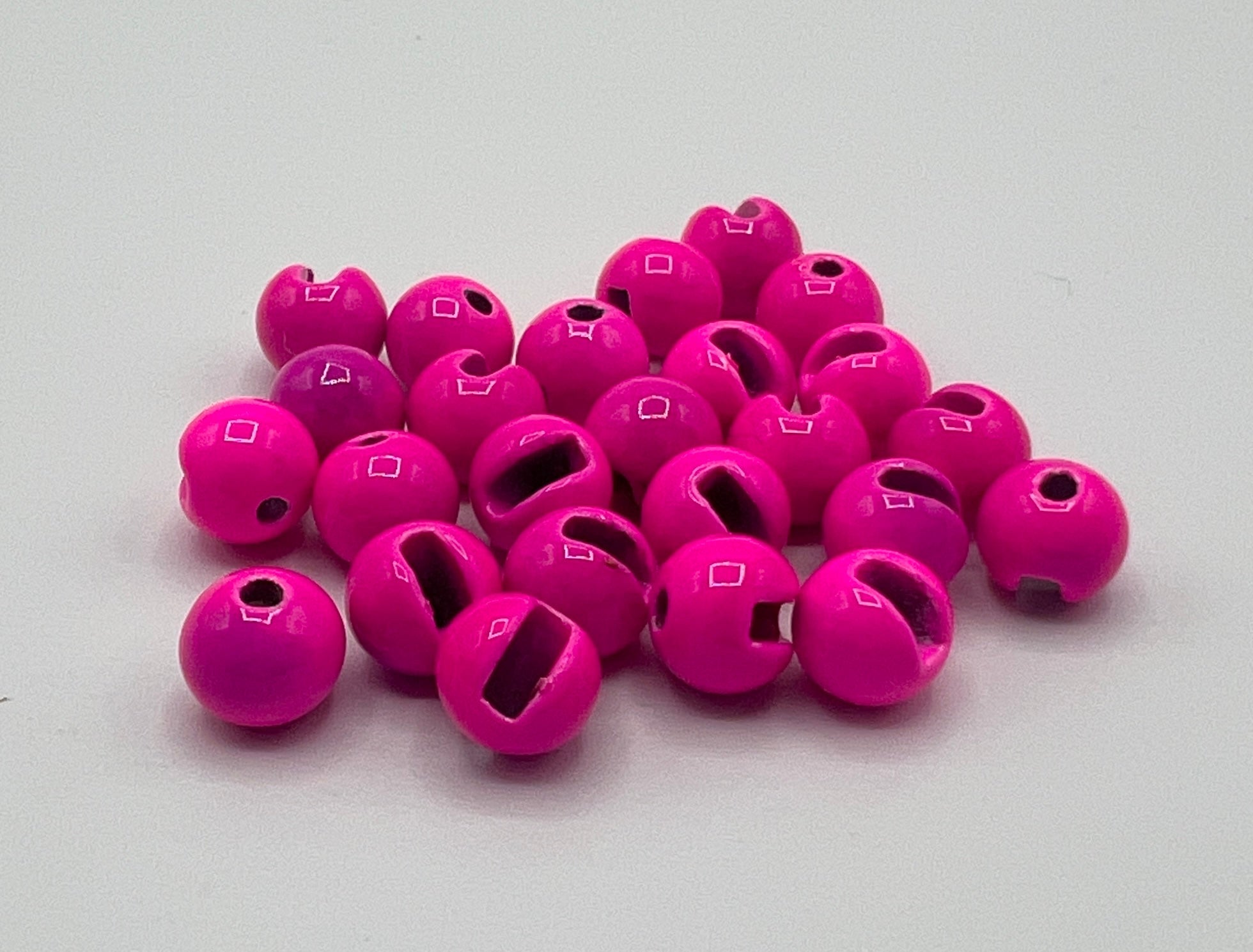
Chinook Wind Outfitters is part fly shop and part materials distributor, carrying rods and reels alongside a deep tying inventory. Flies and tying materials are the primary sellers, and the buyers are not only local: anglers driving north toward Alaska, visitors coming specifically for the grayling fishing, and crews working on pipeline and wind projects who left their fly boxes at home all buy through the store. The shop runs a physical location and a full e-commerce site because the local population alone cannot support it.
How did Chinook Wind Outfitters get started?
The owner fished gear for years until a day on the water with her husband, who was using an old rod, ended 18 fish to 2 in his favor. She switched to fly fishing, decided the flies did not look hard to tie, and started on her husband's old tying kit. The shop followed from a simple problem: nothing resembling a dedicated fly shop existed within hundreds of miles, only sporting goods counters with a corner of tying gear near the hockey sticks.
Where does Chinook Wind Outfitters source its materials?
Sourcing started in Canada, expanded into the United States when quality and selection ran short, and has since moved overseas to France, Italy and the Czech Republic. The reason given is that some European suppliers hold a higher quality standard and push more innovation than the domestic options. Sourcing is done by cold outreach: finding an unfamiliar brand on Instagram or a website, then asking whether they wholesale.
What makes the imported tying thread different?
The imported thread the shop went heavy on comes in 3/0, 6/0 and 8/0 and lays completely flat rather than staying round, which matters for building slim bodies. It is also unusually fine for its stated denier and unusually strong for that diameter, taking a hard pull to break. Chironomid tyers are the group the owner points to as the biggest beneficiaries.
Who ties for Chinook Wind Outfitters?
The shop runs a pro staff that functions as a tying team rather than a sponsorship list, with each member producing one fly per month that gets posted to the website with its recipe. Several of the tyers are women, and the owner names female tyers working in classic spay and freshwater patterns as central to the team. Her stated hiring filter is shared values and no egos rather than reputation alone.
How did COVID affect a fly tying business in 2020?
Orders stopped completely for two weeks after the March 2020 announcement, which was unusual for a shop that normally sees orders daily. Then demand broke open, and the buying pattern changed shape: customers who used to order two spools in three colors began ordering six of one and ten of another. Restocking became the hard part, because overseas factories were either closed or running with skeleton crews too small to pack orders.
What fishing is around the shop in northern British Columbia?
The area holds a world-class bull trout fishery plus strong grayling fishing, and the species list runs through walleye, pike, rainbow trout, brook trout, lake trout, whitefish and some kokanee, with salmon further toward Prince George. Both moving water and still water are within reach, and the rivers sit in the heart of the mountains. Grizzly bears, black bears, wolves, lynx, caribou, moose and deer are part of a normal day out.
Key takeaways
- Flies and tying materials, not rods and reels, are the core revenue of the shop.
- Material sourcing moved from Canada to the United States and then to France, Italy and the Czech Republic for higher quality standards and more innovation.
- The imported thread comes in 3/0, 6/0 and 8/0, lays flat instead of round, and is finer and stronger than its denier suggests - a real advantage for chironomids.
- Antique tinsel made in France over a hundred years ago was sourced for classic spay and exhibition fly tyers.
- Pro staff tyers each publish one fly per month with the full recipe on the shop website.
- The area supports a world-class bull trout fishery along with grayling, walleye, pike, rainbow, brook and lake trout, and whitefish.