
Fly Fishing Insider Podcast
Within three hours of Minneapolis an angler can reach driftless trout streams, world-class smallmouth on the Upper Mississippi, carp and walleye on swung flies in downtown Minneapolis, and Lake Superior tributaries holding steelhead, lake-run brown trout, kings and coho. Mid-September through mid-November is the window when all four Great Lakes species overlap.
Joshua Boese is a Minneapolis guide who runs Larry the Lunker, guiding Great Lakes steelhead on Lake Superior tributaries and smallmouth on the Upper Mississippi.
Also on Apple Podcasts · Spotify · YouTube
What can you fly fish within three hours of Minneapolis?
Downtown Minneapolis itself holds smallmouth, walleye, carp, bigmouth buffalo, bowfin and quillback in the Mississippi, and the flats near the Stone Arch Bridge are shallow enough to sight fish carp. An hour north, the Upper Mississippi is a world-class smallmouth fishery - much smaller water than the name suggests - with muskie, walleye and redhorse in the same stretches. An hour south sits the driftless area of southeast Minnesota with wild trout and, on some floats, smallmouth in the lower reaches. Three hours north are the Lake Superior tributaries on both the South Shore and Minnesota's North Shore.
When do steelhead and lake-run browns run into Lake Superior tributaries?
Lake-run brown trout and king salmon can start moving into the South Shore tributaries as early as July and August, with steelhead and coho mixed in behind them. By mid-September all four species overlap, which is why the guest calls fall his favorite season there; kings die off after they spawn, but the river stays open until mid-November, giving roughly two and a half to three months of fishing. Lake-run browns are not targeted separately - anglers catch them doing the same things they do for steelhead, so covering ground matters more than changing tactics.
What river flow is best for Lake Superior steelhead?
The guest watches the USGS gauge and fishes the drop rather than the peak, and if a specific river has no gauge, a nearby river's graph is usually close enough. His main river fishes very well around 250 CFS; after a heavy snowmelt spring it spiked to 1,100 or 1,200 CFS and usually needs to fall back near 400 CFS to come into shape. That year it fished well at 500 CFS on the drop with about 14 inches of visibility - harder wading, but there were fish and they were catchable.
How do you rig a nymph setup for Great Lakes steelhead?
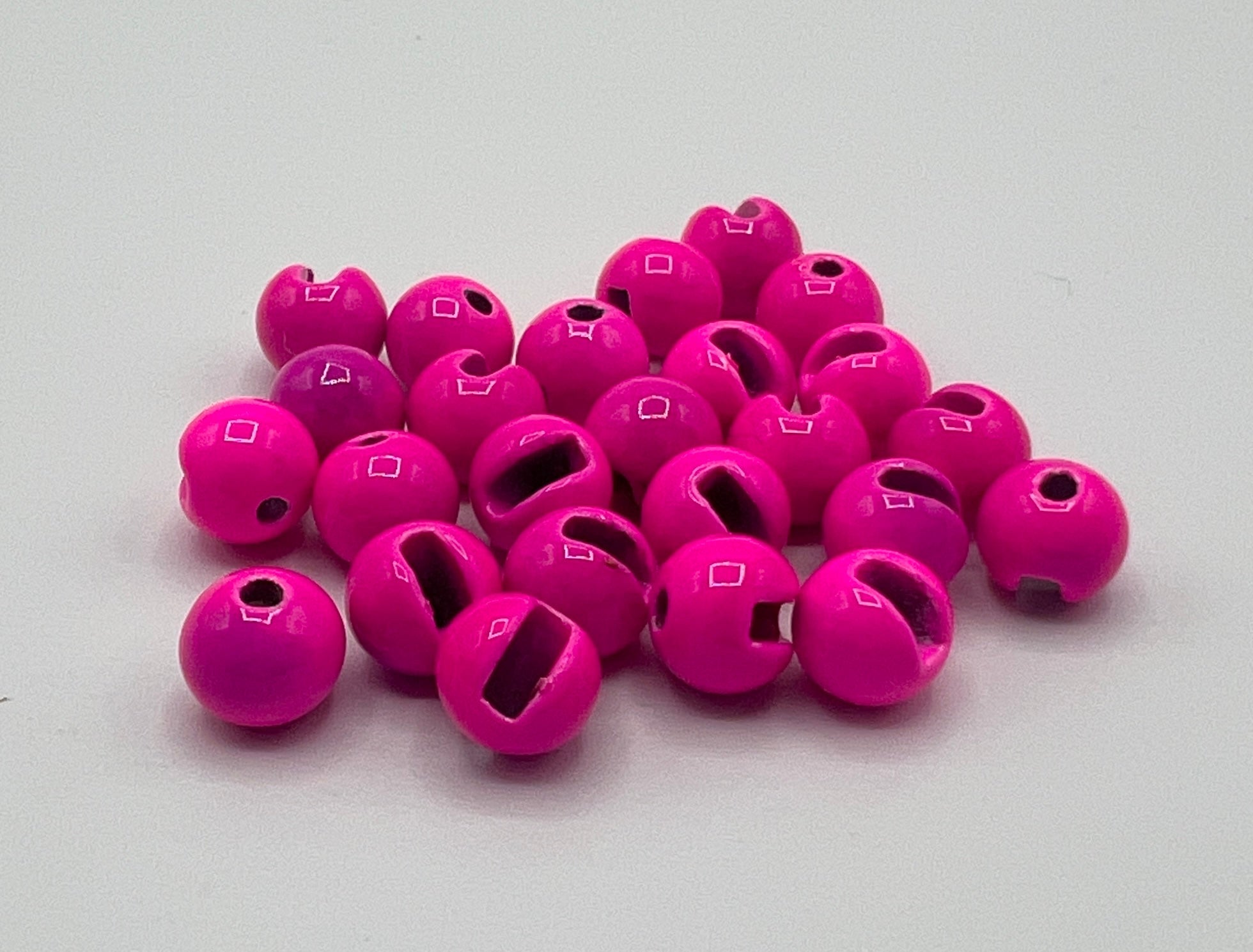
The guest runs a 90-degree rig rather than a long tapered leader: a butt section of 40-pound mono to a micro swivel, then four to five feet of straight 2X - or 1X in dirty water or around log jams, since these fish are not leader shy and 1X lets you put the brakes on. The stonefly carries the weight, tied on a size 6 or 8 60-degree jig hook with a 4.6mm tungsten bead and sometimes lead-free wire in the thorax, so it rides hook point up and bumps bottom in the fish's face. Twelve to fourteen inches below that stonefly goes a bead or yarn egg. Chartreuse - the local nickname is Mountain Dew - works in both spring and fall, even though lake-run brown eggs are greenish yellow.
Why does a jig-head stonefly beat split shot for steelhead?
With split shot, the weight rides on bottom while the stonefly sits 14 to 16 inches back and the egg another 14 to 16 inches beyond that, putting the bottom fly roughly 30 inches away from the weight and often a couple of feet above the fish. Loading the weight into a jig-hook stonefly puts that fly on bottom in the fish's face and keeps the egg only about six inches higher in the water column. That matters most in cold water: at 37 degrees a steelhead will not rise two feet to eat, so the whole rig has to be in the strike zone.
What sink tips and leader do you need to swing for steelhead?
Three 10-foot sink tips - T8, T11 and T14 - cover everything from low water to high water on these tributaries. The guest fishes a Skagit head on either a 9-foot 7- or 8-weight or an 11.5-foot 7-weight running a 480-grain head, and the shorter single-hander is easier under overhanging trees where a sidearm D-loop is the only option. Leader is only about 14 inches of 14- or 20-pound fluorocarbon off the tip, because a longer leader casts poorly and lets the fly ride well above where the sink tip actually is. He prefers a weightless fly for movement, switching to a weighted one only in fast, high water.
Which side of the river should you swing from?
Most anglers fish from the popular, shallow side, which means the fly lands on the far bank above the deep bucket and only reaches the fish late in the swing. The guest wades the ugly side - chest-deep, boulder-strewn, unpleasant - and casts toward the shallow bank so the fly gets progressively deeper and is right in the fish's face by the hang-down. Standing on the deep side also lets the fly marinate at the hang-down with a few pops and twitches, where a lot of grabs happen; from the shallow side the swing just tanks into the bank and there is no hang-down at all.
Key takeaways
- Mid-September to mid-November is the overlap window for steelhead, lake-run brown trout, kings and coho on Lake Superior's South Shore tributaries.
- Fish the drop, not the peak: the guest's main river is good near 250 CFS and fished well at 500 CFS on the drop with about 14 inches of visibility.
- Replace split shot with a size 6 or 8 jig-hook stonefly carrying a 4.6mm tungsten bead, then hang the egg only 12 to 14 inches behind it.
- Carry 10-foot sections of T8, T11 and T14 and keep the leader to about 14 inches so the fly tracks with the sink tip.
- Adjust step length to conditions: one step between swings in dirty water or cold water, up to four steps in clear, warmer water where fish will move to the fly.
- Wade the deep, awkward side of the run and cast toward the shallow bank so the fly arrives in the bucket by the hang-down.