
Fly Fishing Insider Podcast
Skeena Spey fishes a long season: winter steelhead from the second week of March into early May, a break for high water, chinook salmon from mid-June, summer steelhead from mid-July through the August and September peak, and coho into early November.
Brian Niska runs Skeena Spey, a 10-acre lodge with rental cabins on the bank of the Skeena River outside Terrace, British Columbia, where he guides and teaches spey casting.
Also on Apple Podcasts · Spotify · YouTube
When is the best month to fish the Skeena for steelhead?
August is the peak of the steelhead run moving through the lower Skeena, and September is the classic month everyone asks for, with turning leaves and a hint of summer left in the weather. Mid-July can be exceptional, and in one recent season it produced some of the best fishing of the year. October holds far fewer fish but is the month repeat guests rebook for, because those fish tend to sit in the runs rather than pushing through.
Why do October fish behave differently on the Skeena?
Skeena steelhead in August are usually travelling, because many of them still have a long way to go to reach the tributary systems they are heading for. Fish entering from the ocean later, in October, have held out longer and tend to settle into the runs and behave aggressively. The river is generally lower in October, average fish size is bigger, and the memorable encounters, including dry-fly grabs that take all of an angler's line, cluster in that month.
What is winter steelhead fishing on the Skeena like?
Winter steelhead season on the Skeena runs from about the second week of March into early May, and anglers who book it expect to work hard for every chance. The river is as low and clear as it gets all year, with ice along the edges, and fish are often taken in very shallow water where you can see a wave chase the fly. As the water warms, dry-fly fishing becomes possible. Fresh fish push in whenever a warm, wet spell raises the freezing level, so the fishing tracks the weather closely.
How is Skeena Spey's booking structure different from other steelhead lodges?
Skeena Spey does not sell set weeks, so guests are not locked into arriving Sunday and leaving Saturday with seven guided days. Stays run from a single night to three weeks, day trips are available, and guests on longer stays can mix in unguided days or rest days. The most popular booking is four nights and three days, which suits anglers who need travel days on either end, and the flexibility means some guests come back several times in one season to fish different parts of the year.
What does a day at Skeena Spey look like?
A day at Skeena Spey is deliberately civilized: breakfast at seven and dinner at seven or seven thirty, adjusted for conditions. In extreme heat, and one recent summer hit temperatures near 37 degrees Celsius, the day starts much earlier. Cabins are set up for guests who are not all hardcore anglers, with on-demand gas hot water, bathtubs and new beds, and the guides are expected to talk about local flora and fauna as well as fishing.
Why does casting instruction matter more than fish counts in steelheading?
Steelhead fishing produces few chances, so the difference between a good trip and a blank one is usually what the angler does with the chances they get. An angler who lifts the rod quickly when a fish moves on the fly, instead of letting the fish take it and turn, has squandered the encounter. In cold water many fish bump the fly before committing, and an angler who recognizes that bump can rest the run, change the fly and come back for a second chance, while an angler who dismisses it as a leaf keeps stepping downstream none the wiser.
What gear does the lodge provide, and what do guests end up buying?
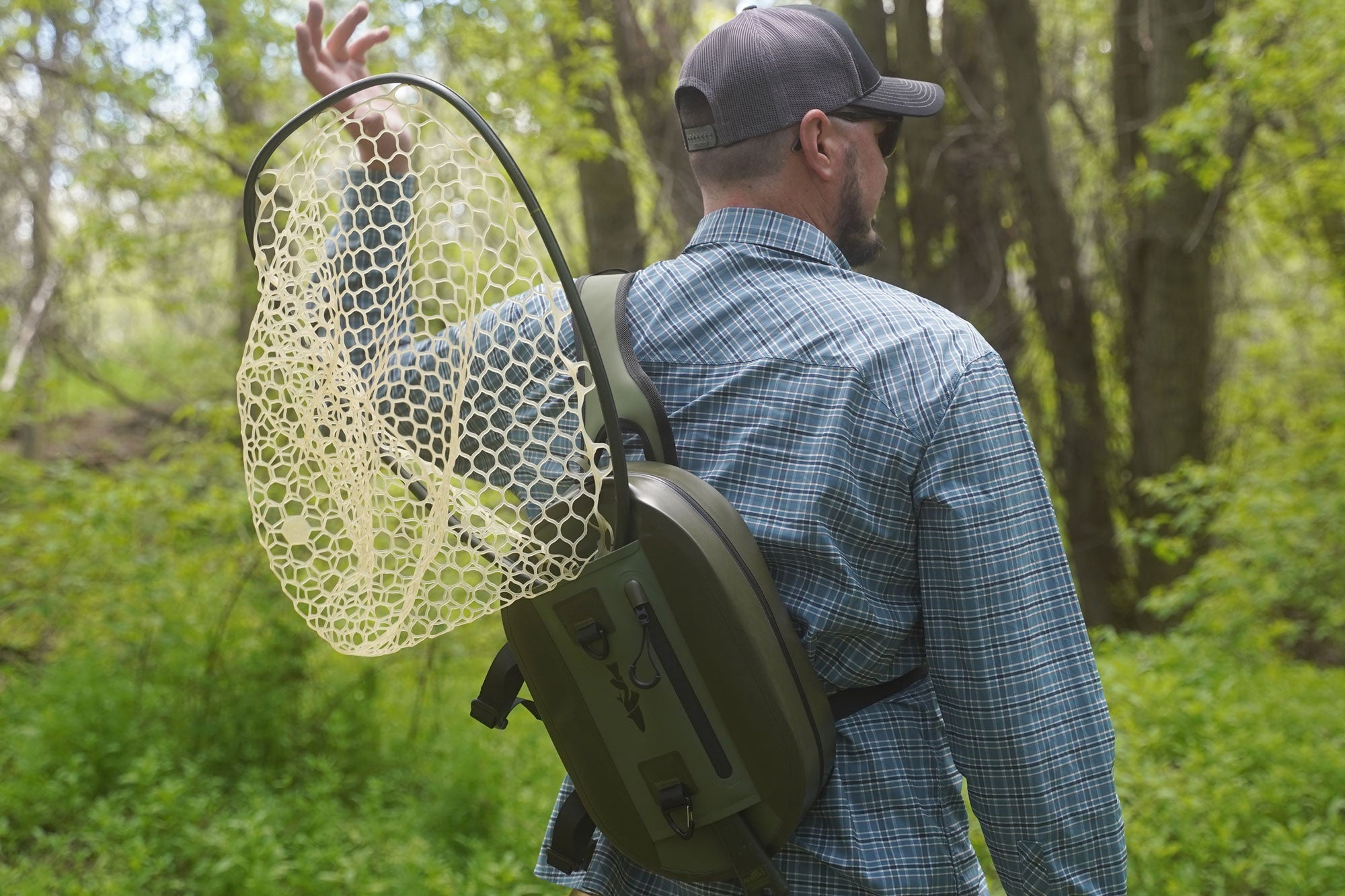
Skeena Spey keeps a fleet of new waders plus rods and reels so guests can arrive in street clothes and be outfitted at the lodge, which suits anglers travelling light. The lodge does sell a lot of equipment to guests, and the surprise is what sells: not the heavy steelhead gear guests came to use, but the lighter rods. The 400-grain 10-foot-5 switch rod is the common purchase, because most of the fly fishing guests do at home is for trout.
Key takeaways
- Skeena steelhead season runs March into early May, then mid-June through early November, with a break in May for high water.
- August is the peak of the run, September is the most requested month, and October trades numbers for larger fish that hold in the runs.
- March and April fishing means ice on the river edges, the lowest clearest water of the year, and fish taken in very shallow water.
- Four nights and three days is the most popular trip length, and the lodge sells single nights and day trips rather than set weeks.
- When a steelhead moves on the fly, let it take and turn before lifting; setting like a trout angler wastes the encounter.
- A soft bump in cold water is worth resting the run and changing the fly for, because it usually means a fish is there.