
Fly Fishing Insider Podcast
Versatility on new water starts with observation before rigging: watch how fish are holding and feeding, what insects are active, and what the current is doing, then form a plan instead of guessing. A lake reads the same way a river does once shoals, drop-offs and weed beds are treated as the equivalent of seams and holding water.
Brian Hilbert is an Orvis-endorsed, full-time fly fishing guide based in Colorado Springs with more than 20 years of guiding across Colorado, Wyoming, Alaska and the Pacific Northwest.
Also on Apple Podcasts · Spotify · YouTube
Why does a guide need versatility across multiple fisheries?
Colorado's peak guiding season runs roughly June through September, which is not enough months to make a living from guiding alone. Brian Hilbert works a five-hour radius around the Colorado Springs and Denver corridor instead, moving between small creeks, tailwaters, stillwater and float trips. That range also prevents burnout, because no two days repeat the same three flies in the same run.
How do you read a lake if you have only fished rivers?
Stillwater looks featureless because anglers arrive without the right lens, not because it lacks structure. Shoals, drop-offs, weed beds and points hold and feed trout the same way a river seam does. The lake gives up the information if you know where to look: where the bottom changes, where clear water shows weed lines, and where a talus slope continues underwater.
When does stillwater trout fishing turn on?
Ice-off flips a feeding switch. On Colorado lakes ice begins receding as early as late March and into April, warming water activates scuds and chironomids, and fish cruise the shorelines where food concentrates. Early season fishing stays shallow and close to shore, with fish taking eggs, small chironomids and water boatmen, then shifts deeper as the lake warms, with terrestrials becoming a factor at higher elevation later in the year.
What separates a good guide from one who only catches fish?
Brian Hilbert tells new guides the goal is a client who calls back after a skunked day. The controllable variables are a clean boat, quality gear, a good lunch and the effort put into the day, not the hatch or the weather. He notes people rarely remember a clean boat but always remember a dirty one, and that guiding in Alaska taught him hosting, coaching and netting skills more than it taught him fishing.
How do you build a drop-shot nymph rig without split shot?
The rig starts with two and a half to three feet of heavy butt section, roughly 20 pound mono, often salvaged from trimmed-down dry fly leaders. That butt section runs to an oversized barrel swivel, which resists tangling around the indicator better than a tippet ring, with an air-lock indicator pegged against the swivel on the heavy side. Below the swivel, fluorocarbon tippet in 4X to 5X runs straight down about six feet with no taper.
Why does the weighted fly go on the bottom of a nymph rig?
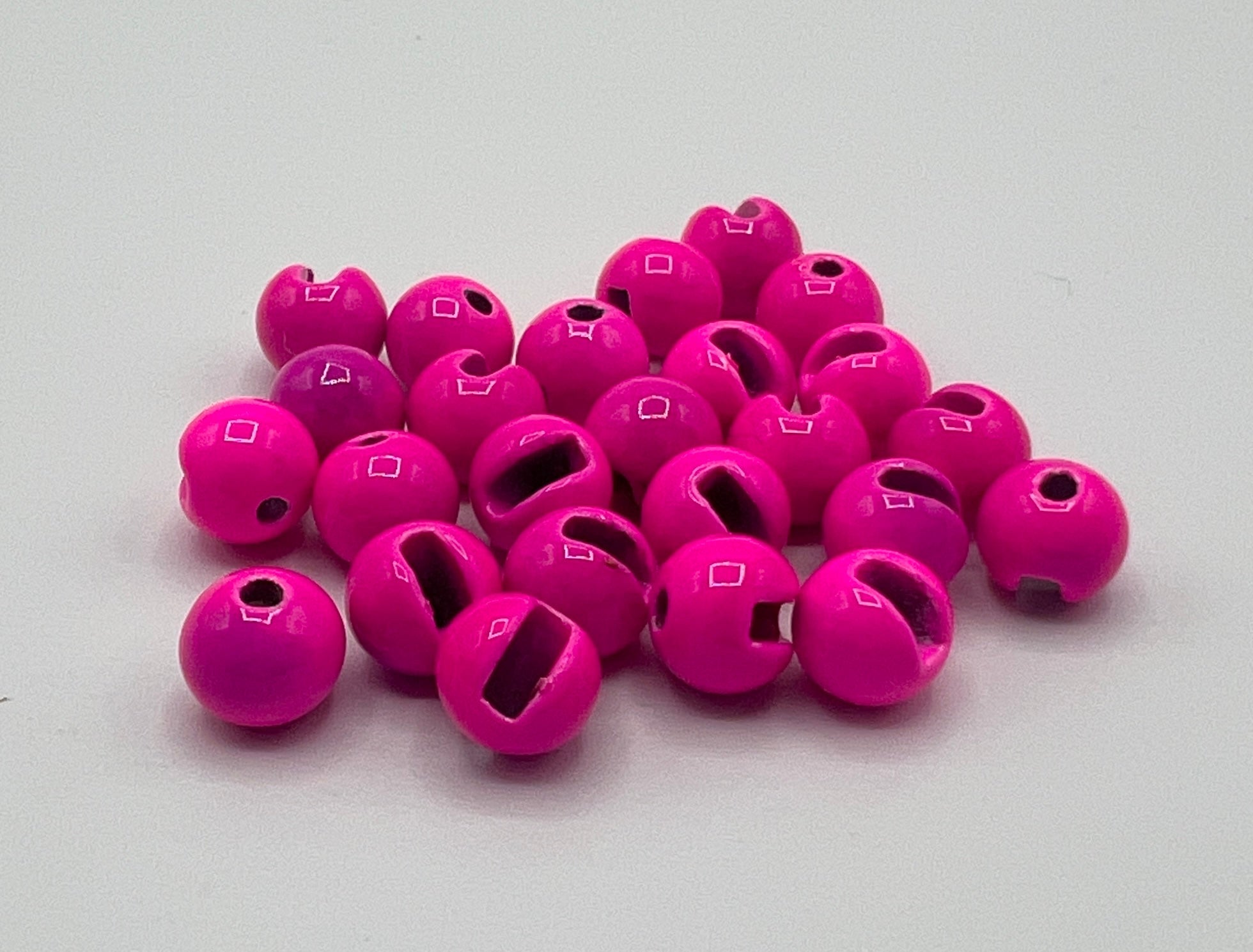
A jig-style tungsten bead fly rides hook point up on the point position, with two unweighted flies on triple surgeon tags roughly a foot and two feet above it. Fluorocarbon of thin, untapered diameter sinks almost immediately, so instead of losing three to five seconds of a 20 second drift to sink time and more to drag lifting the flies out, the flies fish in the zone for the bulk of the drift. The tag flies also ride 12 to 18 inches off the bottom, where trout prefer to move sideways or up to eat rather than digging into rocks.
How does this nymph rig improve strike detection and fly loss?
With no split shot, the line from indicator to flies stays tight and straight, so a take registers on the indicator immediately rather than waiting for shot to come tight first. That matters on pressured tailwater trout that spit a metal bead before a traditional rig ever moves. Snags also cost less: a hook-point-up jig fly usually frees itself, and when it does break off it costs one fly and one knot instead of a whole rig.
Key takeaways
- Sit and observe bug activity, feeding behavior and current before rigging up on unfamiliar water.
- Read a lake using river logic: shoals, drop-offs, weed beds and points are the holding and feeding water.
- Fish shallow and near shore at ice-off, when scuds, chironomids and water boatmen concentrate cruising trout.
- Build a nymph rig from a two and a half to three foot 20 pound butt section, an oversized barrel swivel and an air-lock indicator pegged against it.
- Run untapered 4X to 5X fluorocarbon straight to a hook-point-up tungsten jig fly, with unweighted flies on surgeon tags about one and two feet above.
- Control what you can as a guide: clean boat, good lunch, quality gear and visible effort, not the hatch or the weather.