
Fly Fishing Insider Podcast
An IGFA record needs certified tippet at least 15 inches long and inside its class, the official IGFA roll-up bump board, a certified scale and measure, a single fly, and three identical board photos plus one of the angler with rod and fish. Miss one requirement and the catch is disqualified.
Jason McReynolds is a guide who has held four IGFA records, including the world record brown trout twice, and fishes for oversized hybrid striped bass, stripers and brown trout on a Southeastern tailwater system.
Also on Apple Podcasts · Spotify · YouTube
What tippet does IGFA require for a fly rod record?
IGFA does not trust a manufacturer's printed break strength, so the tippet used for a record must either carry IGFA certification or be sent in and tested. For all-tackle length records the line can run up to 20 pound test, and the tippet section has to be at least 15 inches. A line that tests even two tenths of a pound over its class fails, which is why the guest fishes 16 pound inside the 20 pound class rather than shaving the limit.
Why does the measuring board have to be an official IGFA bump board?
IGFA accepts only its own bump board - a white roll-up board marked in centimeters, not inches. A ruler stickered to a boat gunwale, a scale printed on a cooler lid, or a shop tape measure disqualifies a submission outright, because the previous record holder had to carry the IGFA board and the standard cannot change mid-stream. A certified scale and certified measure carry the same rule, and both have to be sent back for recertification on a schedule.
What photos does an IGFA record submission require?
An IGFA submission needs three photographs of the fish against the bump board - the nose, the whole fish, and the tail measured to the inner V - all with the fish in the identical position, with no shifting between shots. A separate photograph of the angler with the fish and the rod is also required. The guest lost one record over a single photograph that was not clear enough, and the leader has to be cut at the perfection loop and mailed in with the paperwork.
Can you use a dropper rig for an IGFA fly record?
Outside of trout categories, an IGFA fly record allows one fly only. An articulated pattern with two hook points still counts as one fly, which is how the guest's own records were caught, but two separate flies on the same leader is an automatic disqualification. The contested hybrid was taken on a squirmy worm trailed under a shad pattern, two flies, and that alone ended the all-tackle length claim.
Where does the angler have to be standing for a record photo?
For tippet class records the angler must be on land or standing in the water when the fish is photographed; a boat or a float tube disqualifies the attempt. All-tackle length records are the looser of the two on this point and allow the photo to be taken in the boat. Anglers chasing a record are advised to know which category they are submitting to before the fish is in the net, because the distinction is not obvious in the moment.
What went wrong with the fish handling on the disputed catch?
On the disputed catch the fish was held in the net while gear was retrieved, moved into a cooler, driven to a post office to be weighed and then driven back to the river. Even a conservative estimate puts the fish out of its water for 30 to 45 minutes or more. The comparison drawn is a bass boat livewell running a bubbler on water from the same lake, where bait fish still die, and an old, heavy fish tires far faster than a young one.
How do you document a big fish without chasing a record?
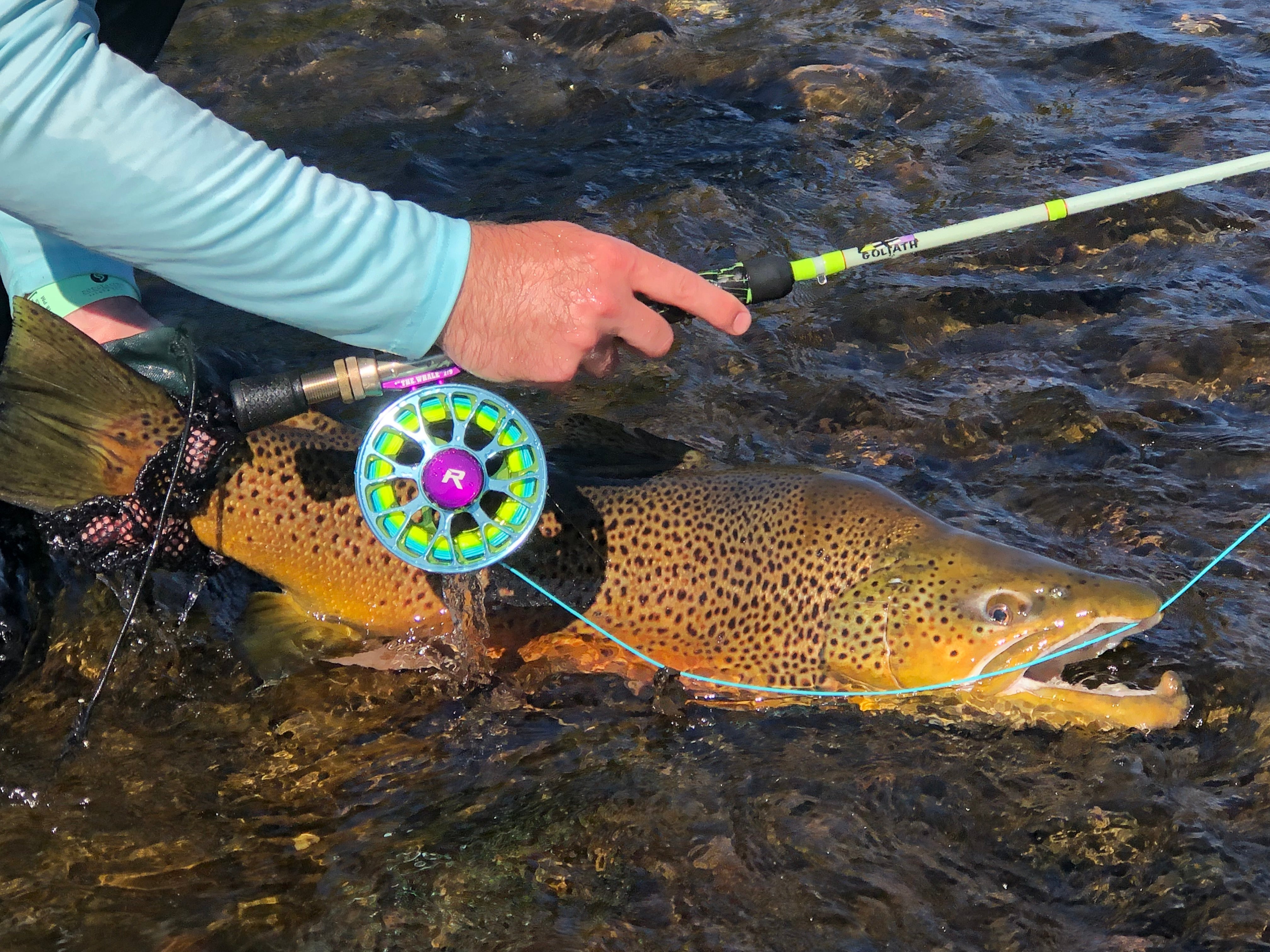
If a record is not the goal, write down or save the tippet you used, measure the fish with a tape in shallow water, and take a couple of photographs with the fish wet. With no tape, lay the fish along the rod from the butt, mark where the tail falls, and measure the rod afterward. None of that satisfies IGFA, but it is accurate enough for the angler and the people who matter to them, and it keeps the fish in the water.
Key takeaways
- Pre-build record leaders at home so abrasion-prone tippet is measured and certified before the fish is ever hooked.
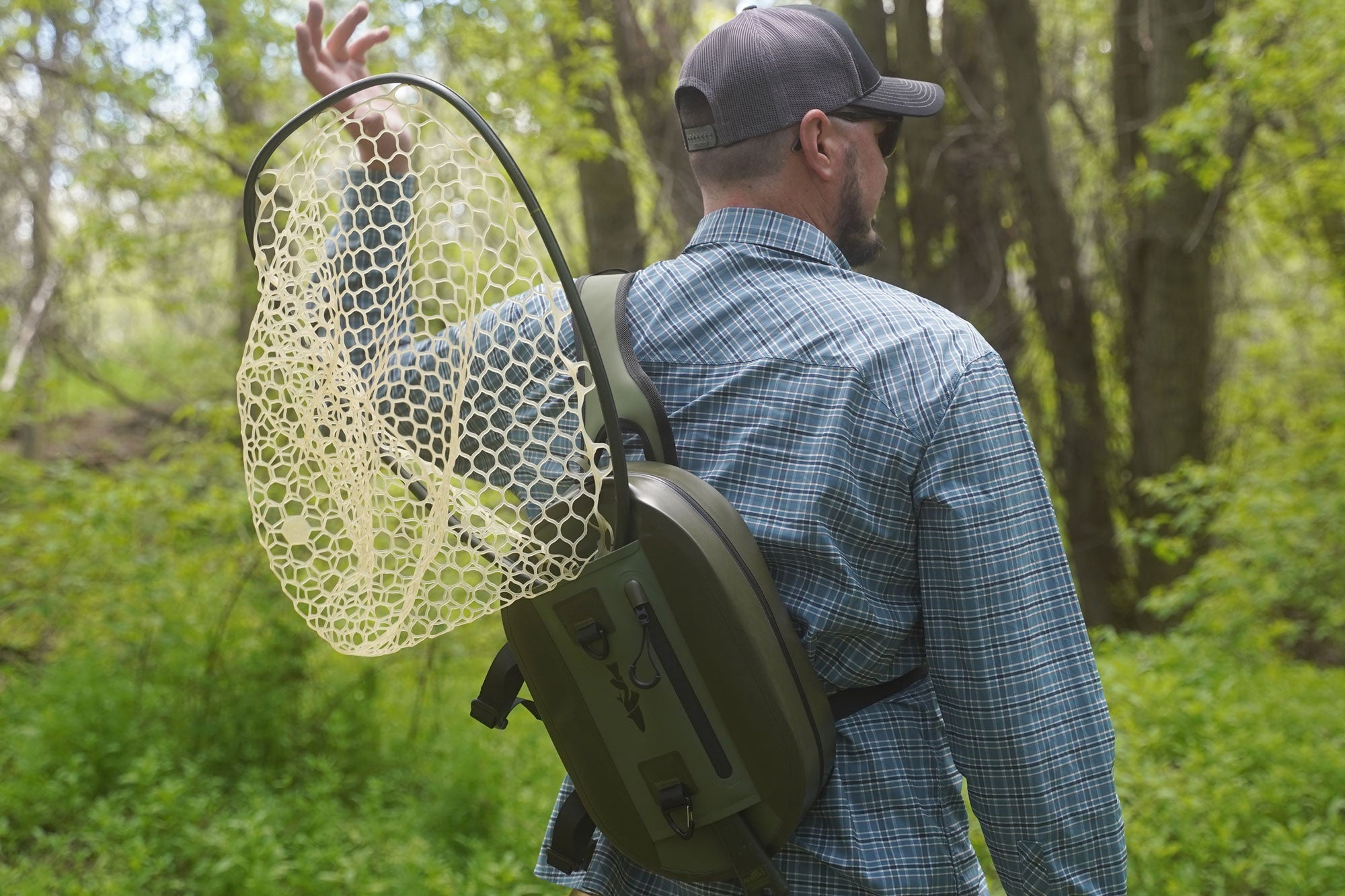
- Carry the IGFA bump board, a certified scale and a certified measure in the bag full time - roughly eight pounds of gear that prevents killing a fish for nothing.
- Tippet length is a tradeoff: longer gives more stretch and break strength, shorter reduces abrasion exposure in tight or debris-filled water.
- A bite guard of up to 12 inches is permitted, which matters for toothy fish that cut light tippet on the first run.
- Do not treat a catch as a record until IGFA publicly announces it; until then it is a pending record, not a broken one.
- Let a big fish wiggle in the net before lifting it, and hold your breath while it is out of the water - when you get uncomfortable, so is the fish.