
Fly Fishing Insider Podcast
Fishing the Seychelles atolls means being rigged before you see the fish. Keith Rose-Innes carries a nine or ten weight for triggerfish, bonefish and permit, and a twelve weight for giant trevally, both on floating saltwater lines, because there is never time to change rods once a fish appears.
Keith Rose-Innes oversees all Alphonse Fishing Company destinations in the Indian Ocean and has spent more than two decades exploring, pioneering and establishing fly fishing on the remote atolls of the Seychelles.
Also on Apple Podcasts · Spotify · YouTube
How do the tides drive fishing on a Seychelles atoll?
Tidal swing on the Seychelles atolls can reach two and a half meters, and on the outer atolls the water does not creep in, it flows like a river. An atoll fills from both directions at once, from the lagoon inside and the sea outside, and where those two fronts meet the depth climbs fast enough to put waders in real danger. That same rushing influx of cooler water stuns baitfish, which is exactly why giant trevally love the flats on a push.
What is the right giant trevally setup?
Keith Rose-Innes treats giant trevally as a tug of war and rigs for it: a fast-action nine-foot twelve weight, a sealed saltwater reel with a smooth strong drag, and a minimum of 300 yards of 80 pound braid. The critical detail is the connections. Braid tied directly to fly line concentrates all the load at one point, so he builds a custom braided loop secured with two nail knots to spread the shock, and joins the backing with a Bimini to a double surgeon's, then runs a 120 pound monofilament leader because mono is thinner, more flexible, holds a knot better and does not sink and jerk the fly the way fluorocarbon does.
How do you retrieve and set the hook on a giant trevally?
Once a giant trevally turns on the fly, the fly must keep moving away from it, and the rod must never come up. Keith Rose-Innes uses a retrieve where the rod hand slides forward through the strip and then pulls back toward his body as the line hand resets, so the fly never hits a dead spot and the line is always under tension. When the fish comes tight he pulls hard with both hands rather than lifting, because a trevally will often just be holding the fly in its teeth. If the loose line tangles as he clears it, he pulls the top section of the rod off at the first guide so the knot cannot rip the guides out.
Why are triggerfish so hard to hook?
Triggerfish feed over broken coral, turtle grass and sand, so almost any fly will snag if it has to travel far. The presentation Keith Rose-Innes wants puts the fly close enough that a single strip brings it into the fish's field of view, which is a narrow target: too close spooks it, too far means multiple strips and a hung fly that cracks off the bottom. He fishes a nine or ten weight, 15 to 25 pound fluorocarbon, and small crustacean patterns on very strong size 2 to 4 hooks, in the last two hours of the falling tide and the first two or three of the push, preferring neap tides for longer windows.
How do you actually catch a milkfish?
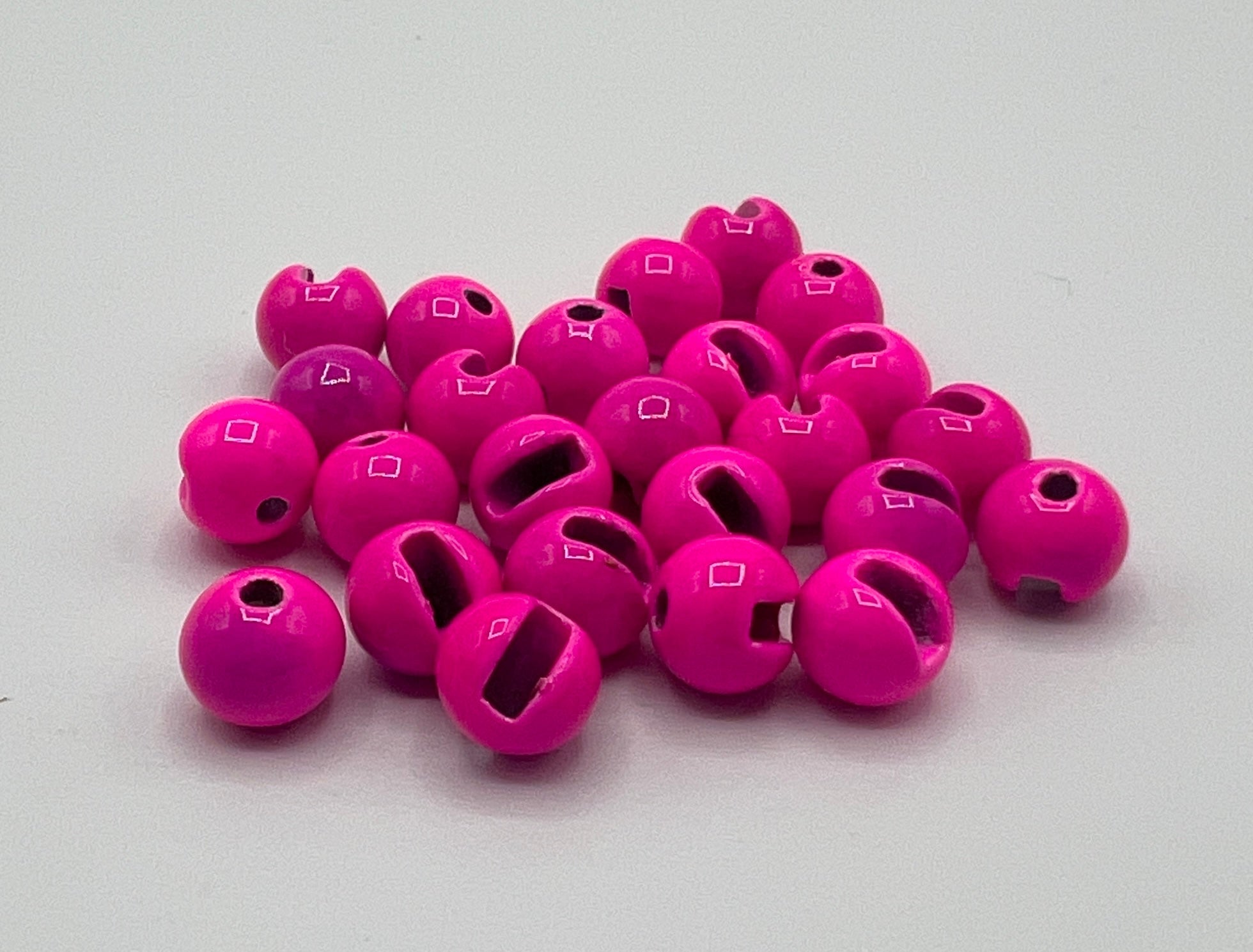
Milkfish are not stripped to. Keith Rose-Innes sets the drift so the school passes at about 90 degrees and casts roughly 45 degrees ahead, keeping the fly static but never letting slack build, because a milkfish exhales the fly as fast as it inhales it. The fish making bubble trails on the surface are not the catchable ones; the fish feeding a few feet below them are, so he adds tungsten beads at the hook eye, sometimes two, to sink a near-neutral-density fly into that layer. He comes tight on any bump, strip strikes, then adds two or three hard pulls to bury the hook before the fight starts.
How do you present a fly to a bumphead parrotfish?
Bumphead parrotfish eat coral and crustaceans and will not turn and chase, so the take is close to a haphazard pickup off the bottom. Keith Rose-Innes picks a tight group, finds a patch of clean sand or coral in their path, drops a crab pattern there and does not move it, staying in contact and watching for a fish tilting sideways. They school heavily, which means dozens of pairs of eyes and one spooked fish taking the whole group off the flat. He fishes a ten weight, a plaited or twisted leader to 25 pound fluorocarbon, and white, orange or tan patterns, and the first bumphead landed on fly came around 2005 after years of thinking they did not eat flies at all.
What does the research show about pressure on Seychelles giant trevally?
Alphonse Fishing Company funds a telemetry study in the Alphonse archipelago, with underwater listening stations and roughly 80 giant trevally carrying acoustic tags in their bellies. The data shows an extremely low mortality rate and an extremely low recapture rate, with 90 to 95 percent of the fish arriving on the flats being new fish still moving and feeding normally. Every guest contributes $25 per person per day to the foundation, and the next study will acoustically tag milkfish and take blood samples to test whether they really do lack lactic acid buildup.
Key takeaways
- Carry two rigged outfits on the flats, a nine or ten weight and a twelve weight, because a fish appears with no time to re-rig.
- Build a custom braided loop with two nail knots rather than a factory loop, so shock spreads along the loop instead of concentrating at a single knot.
- Use monofilament, not fluorocarbon, for heavy saltwater leaders: it is thinner for the same strength, holds knots better, and does not sink and jerk the fly.
- Test every saltwater hook by tying it to a door handle and pulling hard; if it opens, it has no business in your box.
- Fish triggerfish on the last two hours of the falling tide and the first two to three of the push, and choose neap tides for a longer window.
- Long casts are a liability on the flats: more line means more current and wind you cannot control, so get closer and control the fly.
- Change permit patterns after two refusals rather than showing the same fly again, working white to tan to a clear fly with an orange eye.