
Fly Fishing Insider Podcast
Western Australia fly fishing is defined by distance and low pressure. Flats fishing starts six or seven hours north of Perth, quality water begins around Shark Bay, and the Kimberley is a 25-hour drive. With roughly two million residents in the entire state, those flats see almost none of the pressure found in better-known destinations.
Angus Line runs a fly fishing outfitter and shop out of Perth, Western Australia, and fishes the state from the metro carp flats north to the Kimberley.
Also on Apple Podcasts · Spotify · YouTube
What can you catch fly fishing around Perth?
Perth sits in the lower half of Western Australia at an equilibrium point between the south coast and north coast fisheries, so a Perth angler can reach very different water in either direction. Around the metro area itself the primary fly target is carp, including koi carp in some lakes, which means brightly colored fish and large ones. Black bream are also present, along with offshore pelagics such as Spanish mackerel and yellowtail kingfish. The standard carp setup is a 7-weight with a large arbor reel, chosen because carp can turn and run straight at the angler and the line has to be picked up fast; a 6-weight comes out when more finesse is needed.
How do you present a fly to carp without spooking them?
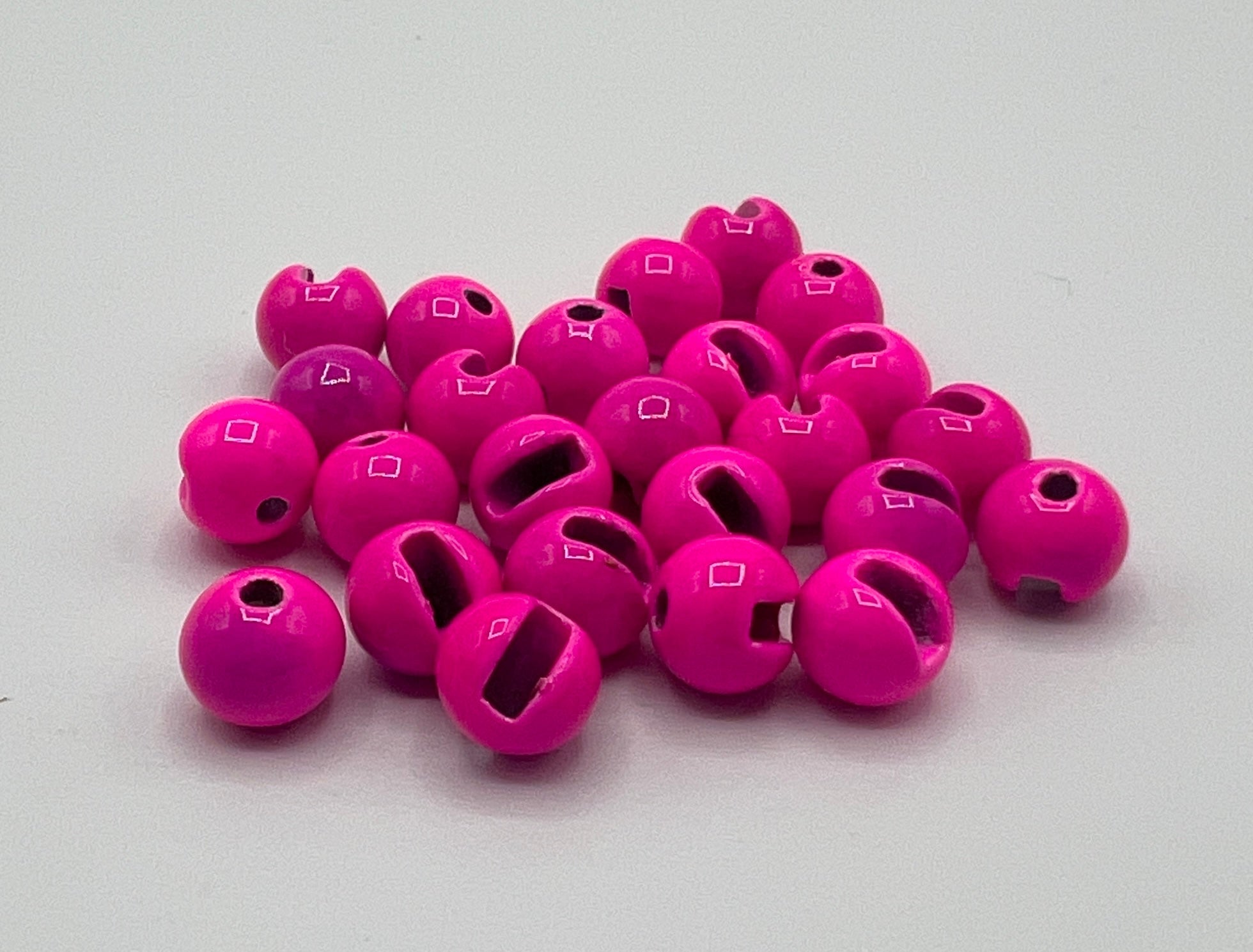
Carp have monocular vision and effectively only see a fly within roughly six to ten inches of the nose, which creates the central problem: land the fly in that window and nine times out of ten the fish spooks. The answer is the drag and drop, delivered on an angle so the fly arrives in front of the fish without landing on it. Weight selection follows from that. The fly cannot sink so fast that it lands hard, but it has to reach the feeding zone quickly, and bead chain is the default. Patterns are tied sparse to imitate dragonfly larvae, worms and yabbies, the local crayfish.
What is a tuskfish and why is it so hard to land?
Tuskfish are a prized northern Western Australia fly target, luminescent blue in the water with heavy teeth, and locally nicknamed the blue tractor because they eat and reach coral before the angler can react. Look for them on rubbly flats with softball-sized rocks and smaller, because tuskfish grab those rocks with their teeth and flip them over to find crabs underneath. They are spooky enough to sit and study a fly before turning away, so flies carry minimal flash and tippet stays relatively light at 16 to 25 pound. The fight is conventional but urgent: turn the head, keep the rod tip low, apply maximum pressure and burn the fish out fast.
Why are parrotfish the hardest saltwater target in Western Australia?
Parrotfish rank above permit on this angler's difficulty list, and not for one reason. They are hard to get to eat a fly, hard to set a hook into because of the beak, hard to keep hooked and hard to fight, in country that makes all of it worse. They are also the first fish onto a flat, pushing up on the first of the tide to get crustaceans before those move off, sometimes crawling on their bellies with half their backs out of the water. That makes them visually spectacular and extremely spooky. Casting to a fish in that little water means leading it by a long way, since a fly landing within a meter is often too close when the fish's eye is at the surface. Twelve-foot-plus leaders and light flies get cast past the fish and worked back along the bottom into its vision, and the retrieve has to change constantly: a long slow strip one day, a one-inch twitch the next, and 20 or 30 shots can still all be refused.
Where do GTs sit on a flat and when do they push up?
GTs are anatomically deeper through the body than a bonefish, so they need more water before they will move onto a flat. That makes them a waiting game: they cruise surf lines and the edges where water is not yet deep enough, then move up into lagoons and onto the flat once the depth suits them. The productive setup is a channel running onto a flat, particularly as water starts running off and baitfish are forced into deeper water, because GTs use those channels as highways to the next meal. They hunt mullet, whitebait and bonefish, so a flat that holds those holds GTs. Landing one is another matter, with healthy coral making the hookup-to-landing ratio brutal even on a 12-weight.
How was a 100 cm New Zealand rainbow trout landed on 6 lb tippet?
The fish came out of a ballot-access New Zealand fishery, where limited permits protect unusually large trout that move out of lake systems into tributaries to spawn. Three full days of walking the gorge produced no fish at all, including a 12-kilometer walk in each direction to scout before the ballot opened. A drone flown over a wide riffle finally located two large trout, both of which refused everything and left. On the last afternoon of the ballot a single fish sat in a two-foot depression; it ate a size 14 black stonefly nymph with rubber legs, roll cast upstream with no indicator on 6 pound tippet and a 6-weight rod. The fish measured 100 centimeters, close to 39 inches, and the fly fell out of its mouth as it went into the net.
What should you research before a remote fly fishing trip?
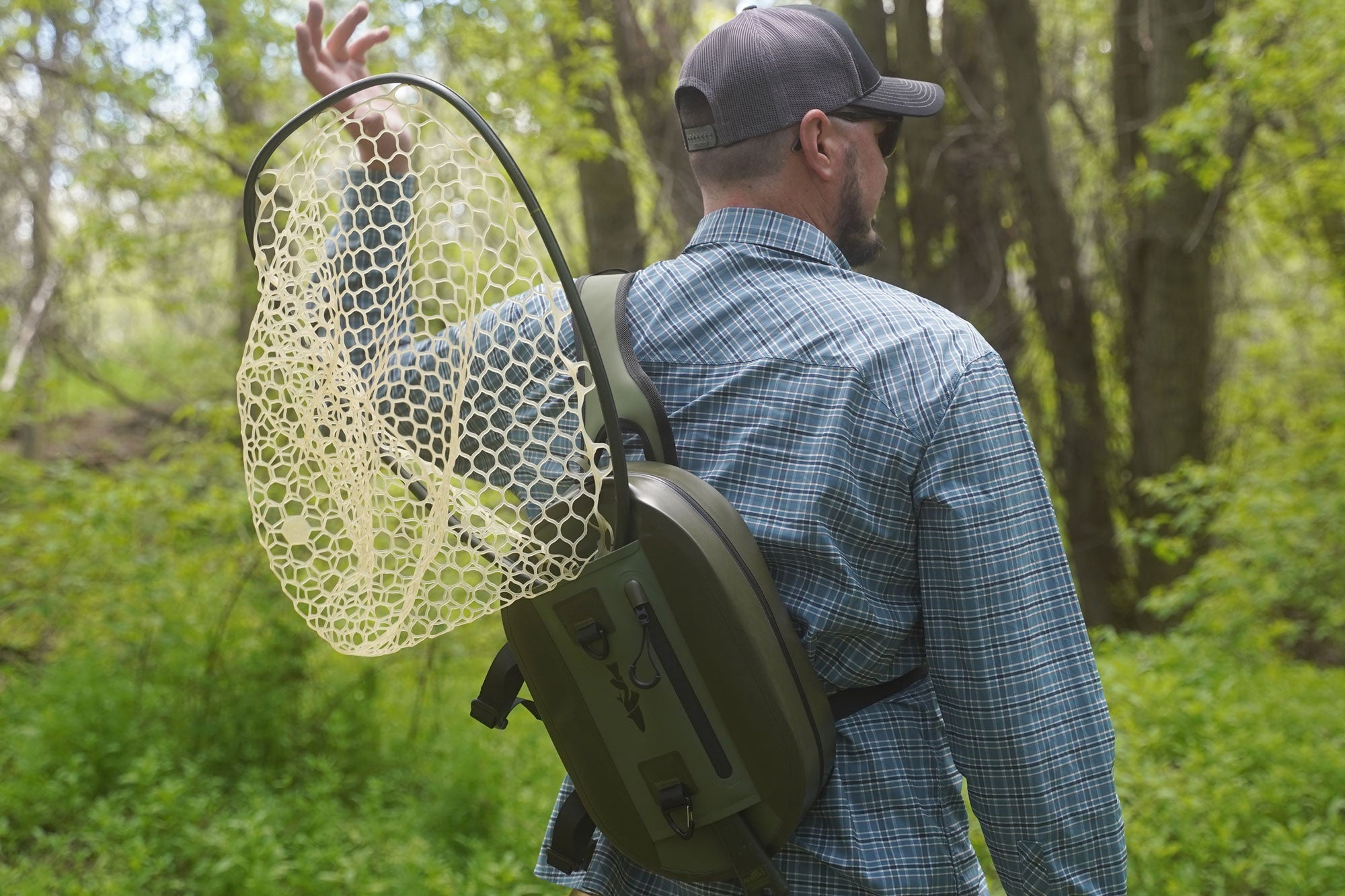
Three things carry the most weight. First, the ergonomics of the travel kit, meaning luggage and rod storage compact enough to move easily and secure enough to protect the gear, which pays for itself on a trip involving long drives on dirt tracks or kilometers on foot. Second, do the research before landing rather than after, including messaging anglers who have fished the destination; the etiquette is asking for tips and approach rather than spots, and most fly anglers respond generously. Third, verify that the outfitter or guide service is legitimate, that the area is safe and that you understand local customs well enough not to cause offense.
Key takeaways
- Fish carp with a drag and drop delivered on an angle, because a fly landing inside their six to ten inch field of view usually spooks them.
- Look for tuskfish on rubbly flats of softball-sized rock and smaller, where they flip stones to find crabs.
- Target parrotfish on the first push of tide, when they crawl onto a flat with their backs half out of the water.
- Fish channels running onto a flat for GTs as the tide runs off and baitfish are pushed toward deeper water.
- Book the next trip as soon as you get home so the intervening months become research time on flies, maps and forage.
- Approach a fly shop by explaining what you are trying to do rather than pretending to know; the staff can narrow the choice far faster with that information.