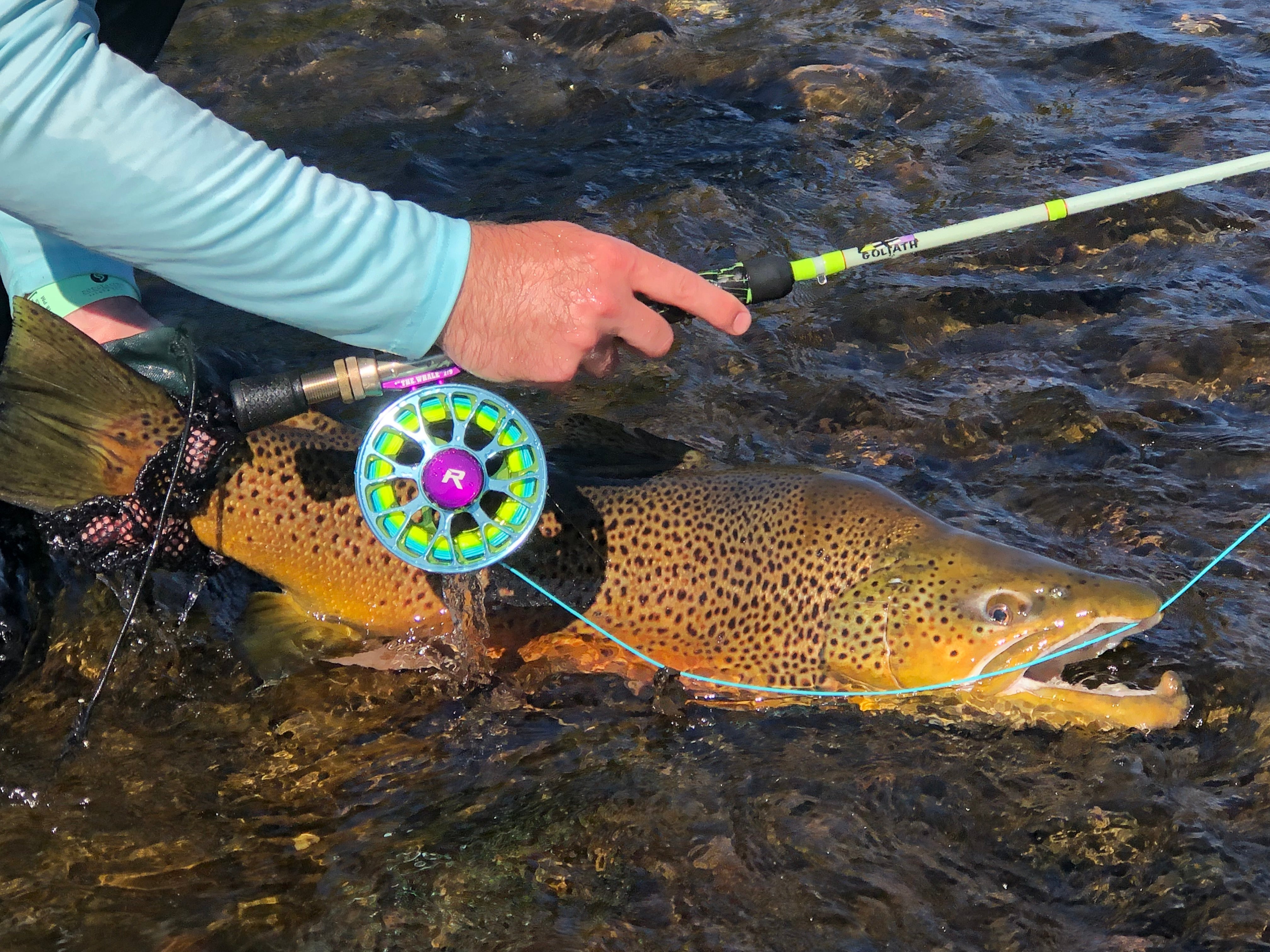

Louisiana's Biloxi Marsh is the best place for a trout angler to learn saltwater: redfish are catchable year-round, you get many shots at each fish rather than one, and the water is murky enough to forgive an imperfect cast. Since June 2024 the limit is four fish, 18 to 27 inches, and keeping a bull redfish is prohibited.
I made the trout-to-saltwater jump myself, and Louisiana is where I tell everyone to start. Not Belize, not the Keys: Louisiana. The reasoning is unglamorous and completely practical: you get volume.
In clear Caribbean water a bonefish gives you one shot and leaves. In the Biloxi Marsh a redfish will give you eight, nine, a dozen chances, and it will forgive a cast that lands harder than it should have. You learn the power, the wind and the strip-set on fish that keep giving you another go. Let's get into it.
Why Is Louisiana the Right First Saltwater Trip?
The Biloxi Marsh is a maze of shallow ponds, cuts and grass east of New Orleans, fed by Lake Borgne and Breton Sound. The water is not clear, and that is the point. In murky water a redfish cannot inspect your fly the way a bonefish can on a white sand flat, and it cannot see you nearly as well either.
The contrast in tackle tells the whole story. On the Fly Fishing Insider Podcast, Javier Fabrega described fishing his home Florida marsh with a 6-weight (a 7 only if wind forced it) and getting exactly one shot per fish. Step into Louisiana and it's a 9, 10 or 11-weight, and a single fish will give you eight, nine, ten, even a dozen chances. That is the difference between a fishery that teaches you and a fishery that tests you.
The other thing Louisiana gives you is the whole redfish in one trip: deep-water fish, shallow tailers, the power, the run. It is one species that behaves several different ways, which is a lot of learning per dollar.
Planning a trip? Our Fly Fishing Louisiana guide puts guides, lodges, seasons, tips and gear for Louisiana in one place.
Author's Stories & Key Insights
I've said on the show that redfish are the species to start saltwater on, and my reasoning is about exposure. You get a lot of shots. They're picky but not always picky, and sometimes they're outright aggressive. You get the power and the running, you get deep-water fish and shallow tailers, all in one species. Bonefish are similar in some ways but in my opinion far pickier, far fewer shots, and faster-moving.
Fabrega's proof point is better than my argument. On that same episode he described a long-running November Louisiana trip where two first-timers, whose only redfish experience was Florida slot fish, came home having landed bull redfish. He put it at three hundred-odd pounds of fish between them. That's his figure from the water, not a verified number, but the shape of it is right: newcomers succeed here.
His most interesting point is the one nobody writes about. He argued the genuinely hard eat in the Louisiana marsh isn't the redfish at all; it's the giant black drum. Guides run past them because bull redfish and big sheepshead are in front of the boat. A big black drum is lazy: the fly has to be on its nose, and if the fish has to turn to look at it, it usually won't spend the energy. He framed sheepshead the same way, as the deliberate difficulty level above slot redfish. If you've done Louisiana once and want a harder version, that's it.
I've fished this marsh with Miles at Skiff Supply, and one of the nights there's a seafood boil for the group. Which is relevant information, whatever your rod weight.
Access Points and Navigation
- Airport: Louis Armstrong New Orleans International (MSY) is the gateway. We're not printing a drive time because no official source publishes one for these launches.
- Launches for the Biloxi Marsh: Hopedale Marina at 7600 Hopedale Highway, and Shell Beach, both via the MRGO. Slidell gives access via Lake Borgne.
- The water: Biloxi Marsh, Lake Borgne and Breton Sound.
- The partner base: Skiff Supply is at 1226 LA-46 in St. Bernard, described on its own site as just outside New Orleans in historic St. Bernard Parish.
- Licence before you launch: Louisiana has no charter-passenger exemption, but LDWF does sell a 3-day Charter Passenger Saltwater licence ($20, resident or nonresident) that covers fishing from a charter vessel with a licensed guide on board; either way you are buying your own licence even on a guided day. This is the opposite of Florida.
Recommended Techniques
- Bring a 9, 10 or 11-weight. Not because the fish need it, but because the wind does and the flies are bulky.
- Fish weedless. Bendback and hook-up patterns keep the point clear of marsh grass, which is most of what you'll be casting into.
- Use dark, visible flies in murky water. Black, purple and dark chartreuse over white show up where a natural tan disappears.
- Strip-set, every time. The trout-angler instinct to lift the rod is the single most expensive habit you'll bring from freshwater.
- Take the extra shot. Unlike a bonefish, a redfish you spooked will often settle and feed again. Wait, re-position, cast again.
Make your mistakes here. A week in Louisiana costs a fraction of a week in the Caribbean, the fish will forgive you ten times a day, and you'll arrive at your first clear-water flats trip already knowing how to strip-set into wind. That sequence has saved more expensive trips than any casting lesson.
Fish Population and Species
Red drum (Sciaenops ocellatus) is the target, and it is available year-round. Spotted seatrout (Cynoscion nebulosus) and black drum (Pogonias cromis) are the other two species with published limits, and sheepshead and jack crevalle are named as targets by the guides here.
The redfish regulation changed and it matters. Effective June 20, 2024, Louisiana runs an 18-inch minimum to 27-inch maximum slot, four fish per angler per day, and keeping a red drum over 27 inches is prohibited. The old rule allowed five fish from 16 to 27 inches plus one over 27, so the bull redfish keeper is gone. LDWF's stated reason: escapement measured at 20 percent against a 30 percent target, with overfishing occurring in roughly 80 percent of the most recent decade. Captain and crew may not retain red drum on a for-hire trip at all.
For the other two: spotted seatrout run a 13 to 20 inch slot, fifteen per person per day with no more than two over 20 inches. Black drum are 16 to 27 inches, five per day with no more than one over 27.
When Is the Best Time to Fly Fish Louisiana for Redfish?
Two windows. The agency-documented one is the autumn spawning migration, when LDWF records adult red drum moving to the Gulf passes and nearshore waters from mid-August to mid-October. The other is winter (November through January), when redfish, being hardier than speckled trout, move onto shallow flats to feed on warming days and the mullet concentrate shallow with them.
| JAN | FEB | MAR | APR | MAY | JUN | JUL | AUG | SEP | OCT | NOV | DEC | |
|---|---|---|---|---|---|---|---|---|---|---|---|---|
| Redfish (marsh sight fishing) | ||||||||||||
| Bull redfish (spawning migration) |
The bull redfish row is the one hard agency fact here: LDWF documents adult red drum moving to the passes and nearshore waters mid-August to mid-October. The marsh row is operator and trade-sourced: both Skiff Supply and other New Orleans operators publish a year-round fishery, and Louisiana Sportsman documents November to January as the prime Biloxi Marsh window. No agency publishes a month-by-month intensity table for this fishery, and we haven't invented one. Note also that LDWF documents the spawning migration, not that it is a sight-fishing peak.
What Does a Louisiana Redfish Trip Cost?
Unusually for fly fishing, both the guide rates and the lodging packages here are published. This is the cheapest serious saltwater week on this site.
| Line item | Cost |
|---|---|
| Skiff Supply, all-inclusive 4 nights / 3 days fishingLodging, guided trips, breakfast and dinner, bag lunch and drinks, rods, reels and flies provided. A 5 night / 4 day package runs $2,900 per person. | $2,300 pp |
| Skiff Supply, full day on the skiffSeven to eight hours. Half day (4-5 hours) $600. Full day on the bay boat in the marsh $950; offshore $1,100. | $900 |
| Louisiana nonresident licenceBasic Fishing $68 plus Saltwater $60. A nonresident 5-day is $30 plus $30 = $60. Required from age 18. | $128 |
| Louisiana resident licenceBasic Fishing $17 plus Saltwater $15. | $32 |
A second published data point for comparison: Southern Fly Expeditions in New Orleans lists $900 per boat per day for one to two anglers, $650 for a half day. Louisiana has no charter-passenger exemption; LDWF's 3-day Charter Passenger Saltwater licence costs $20, so budget for that (or a full licence) on top of a guided day.
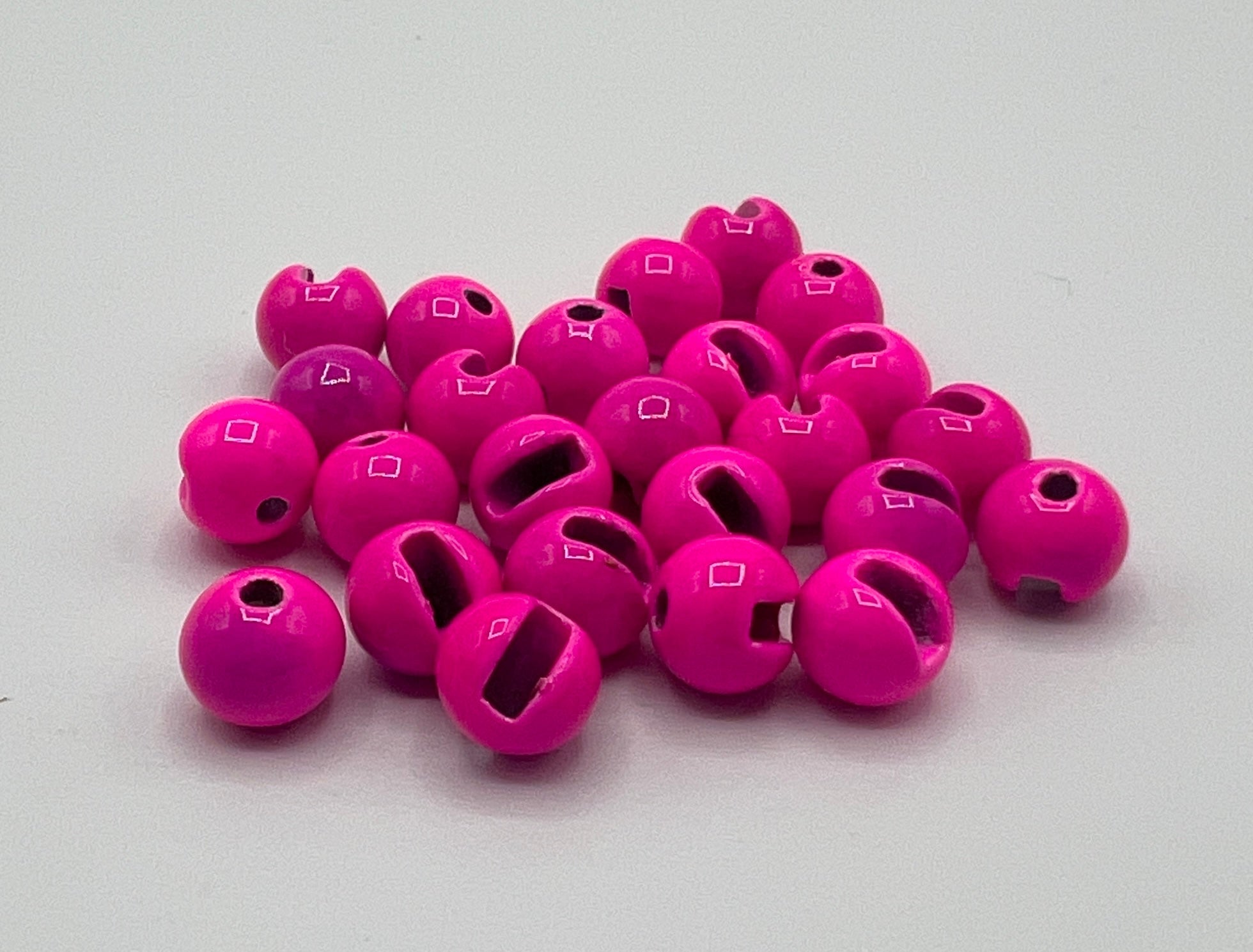
Recommended Fly Patterns
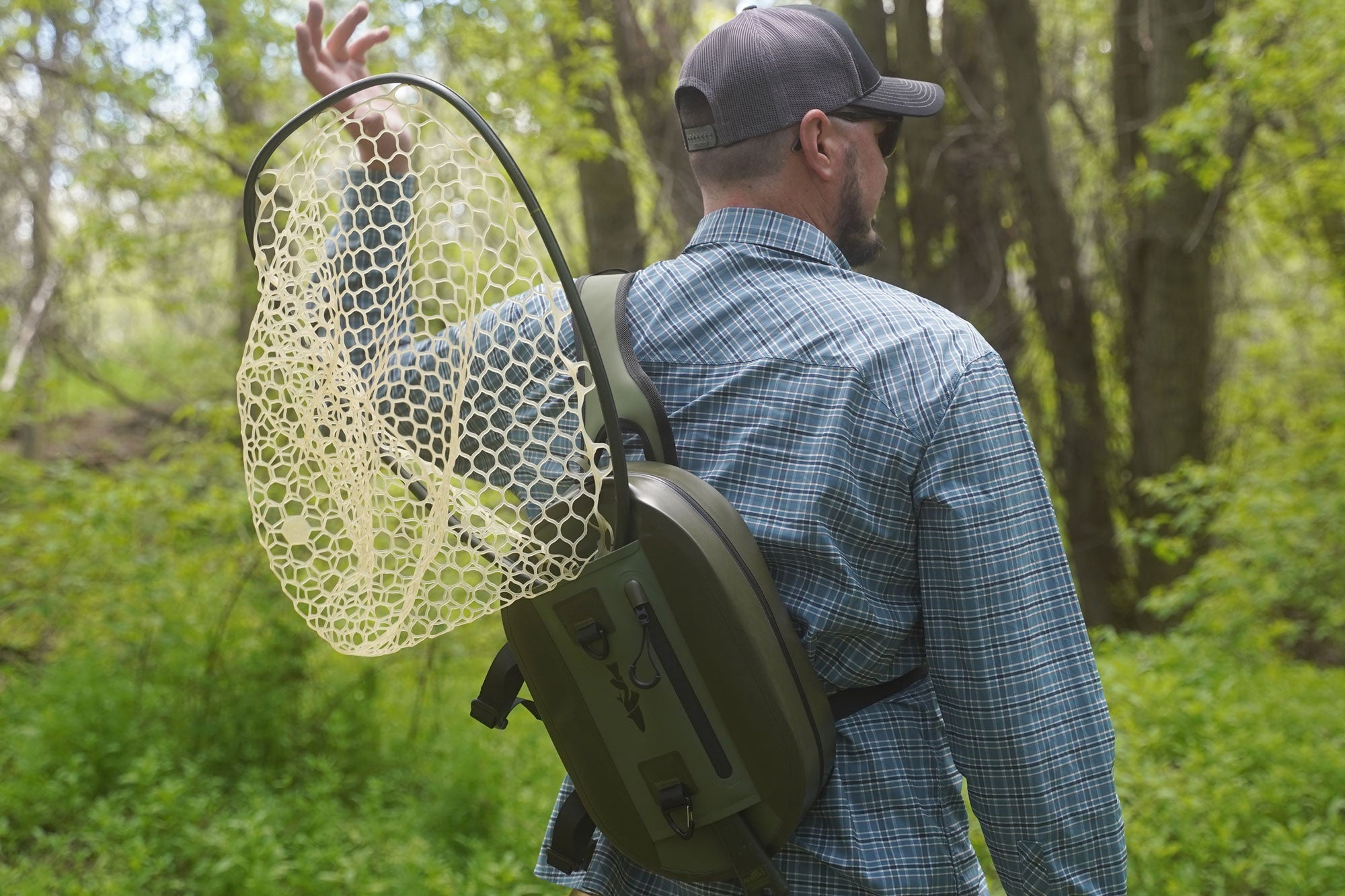
Recommended Gear
Where to Stay and Who to Book With
Lodge and fly shop at 1226 LA-46 in St. Bernard, just outside New Orleans, running guided skiff and bay-boat days into the Biloxi Marsh and Breton Sound. All-inclusive packages at $2,300 for four nights and three days fishing, or $2,900 for five and four, with rods, reels and flies provided. Redfish, black drum, sheepshead and jacks, and a seafood boil one night. You book direct; FFIP takes no commission.
See the full profile & enquireGo on a fly fishing trip you'll never forget
The water you keep thinking about is bookable. Tell us where you want to go and we'll help you get there. Don't wait.
Book a TripFly Fishing Insider Podcast has a referral partnership with Frontiers International Travel. If you book after being introduced through us, we may receive compensation at no additional cost to you.
Keep Reading
Come here first. Then go spend the big money on clear water already knowing what you're doing.
Tight lines, everyone!

By Christian Bacasa
Host of the Fly Fishing Insider Podcast
Fly Fishing Insider Podcast Official Website
Instagram Fly Fishing Insider Podcast
Facebook
Pinterest
Watch on YouTube