
Short answer: caddis have tent-like hairy wings at rest, long threadlike antennae up to twice their body length, and no tails. Mayflies have upright sail-like wings and tails; caddis don't. Once you've seen the tent shape you'll never confuse them again.
Caddis character traits
Caddisflies, belonging to the order Trichoptera, are often mistaken for moths due to their tent-like wings when at rest. Their two pairs of wings are usually hairy, which differentiates them from mayflies and stoneflies. Honestly, identifying a caddis is really easy.
Adults have long, threadlike antennae that can be up to twice the length of their body. Body colours range widely from pale creams and olives to deep browns and blacks, providing clues to species and habitat.
Fun fact: that tent-like wing shape makes them instantly recognisable. During their short adult lifespan they're prolific fliers, often seen skittering across the surface in the evenings. This erratic movement is imitated with dry patterns known as caddis skaters. They're true masters of flight, like well-trained fighter pilots.
The caddis life cycle
Here is the structural difference that changes everything. A mayfly goes nymph to emerger to adult — no pupa. A caddis undergoes complete metamorphosis, the same as a butterfly: larva, pupa, adult. That pupal stage happens underwater, and the swim to the surface is the single most productive moment of the whole hatch.
Fig. 1 — The caddis life cycle. Complete metamorphosis, with a pupal stage a mayfly never has.
Key to the stages
Cased larva
Builds a case from sand, twigs or stone. On the bottom all year — fish it any month.
Pupa
Sealed in the case underwater, transforming. A mayfly has no equivalent stage.
Ascending pupa
The productive stage. Rises fast in a gas bubble. Fish chase it — that's the splashy rise.
Adult
Tented hairy wings, very long antennae, no tails. Skitters, leaving a V-wake.
Egg-laying female
Many species dive and swim to the bottom to lay. A wet fly is imitating this.
Why so many anglers get refused during a caddis hatch
Because two of the five stages happen under the surface while looking like surface activity. An ascending pupa is chased, producing a splashy rise. A diving female is taken subsurface, producing a boil. Both look like dry fly eats. If fish are working hard and your dry is being ignored, they're almost certainly eating below it — fish a wet, or a dry-dropper with a wet underneath.

These are Mother's Day Caddis. Notice the orange colour, the size, and those great looking cases.
The larval stage
The larval stage matters enormously because trout feed heavily on caddis larvae. These larvae construct protective cases from twigs, sand, small stones, or other debris. Cases can be tubular or spiral depending on species, and observing the type of case a larva builds helps distinguish between them.
Fun fact: caddis larvae bind their cases with silk, using whatever the environment provides. Some species don't build cases at all. On the other end of the spectrum, artists have raised caddis in tanks seeded with gold and precious stones, producing cases built from them — every one unique.
Adult patterns


The Goddard Caddis is a great adult pattern for many situations. The Elk Hair Caddis floats high on its deer hair wing and is a staple pattern for me — the assortment covers sizes 12 through 18, which is the whole useful range. The X-Caddis is an adult cripple, great for picky trout. The Missing Link is my go-to for skittering and works as an adult or a crippled adult. For a tighter, more traditional silhouette, the Hemingway Caddis covers the same ground.
Nymph patterns for larvae


The Jigged Caddis Larva is my go-to for caddis fishing — heavy, high action, and effective just about everywhere. The Caddis Larva Beadhead has less action but drops through the column fast. The Czech Caddis is a simple cased-larva imitation and an excellent dropper. And the Green Rock Worm covers the free-living, caseless larvae — I fish it under a hopper very commonly, and the Dropper Hopper Assortment is built for exactly that rig.
Emergence and hatch patterns
Caddis hatches can be explosive and short-lived, which makes them exciting. During a hatch caddis typically emerge quickly and in masses, often causing a feeding frenzy. Unlike mayflies, which float on the surface a while during emergence, caddis skitter across the surface leaving a distinctive V-shaped wake.
That behaviour is mimicked with elk or deer hair patterns which provide the buoyancy to skate the fly.
Here's the part most anglers get wrong. Trout activity during a hatch can be confusing. Hafele, Hughes, and Morris cover this deeply in Seasons for Trout. It comes down to reading the eat.
There are two types. A gulping eat is subtle but leaves bubbles — that's a fish taking off the top. When an emerging caddis is rising through the column, fish tend to chase, and you'll see a splash or a leap. Those aggressive eats are more often than not mischaracterised as dry fly eats.
It's ultra frustrating casting to rising fish you think are eating adults, watching them eat everything around your fly. Fish a wet, or a dry-dropper with a wet underneath, and you'll be pleasantly surprised.
Fun fact: unlike many aquatic insects that migrate to the shoreline to pupate, most caddis undergo their pupal stage underwater. They build a pupal case, metamorphose, then break free and swim to the surface. That swim is another feeding opportunity, and another target for fly patterns.
Patterns for emergers and pupae


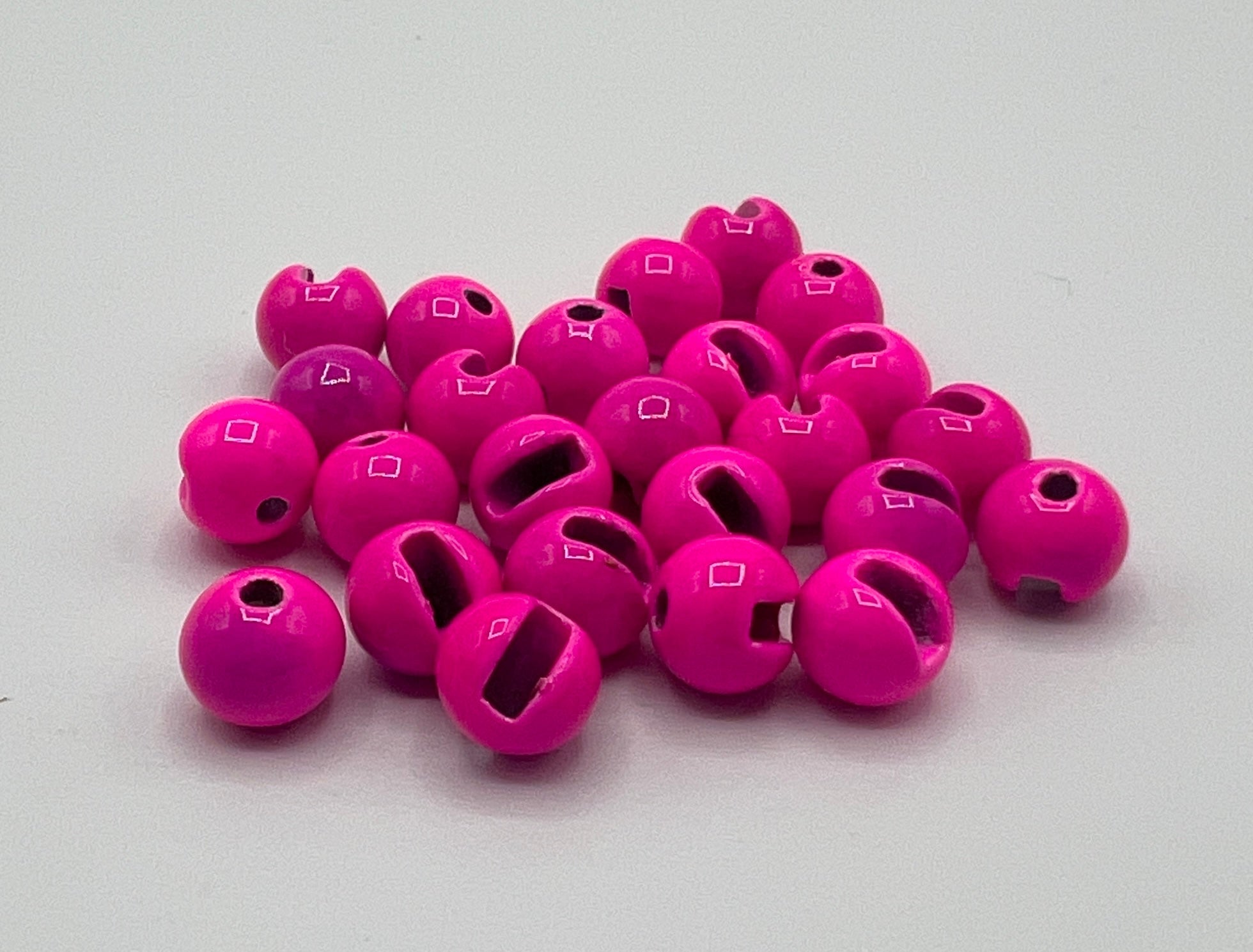
These are all deadly. My approach to emergers and pupae is all about speed to depth, achieved with weight — the braided pupa is thin and gets down fast, and the Holy Grail is the one I reach for when fish are chasing. The key is the rise. You'll often see takes when you lift your rod tip, or when a dropper rises as it's dragged along by a hopper or indicator. The Soft Hackle Partridge and Pheasant Tail covers the swung-wet end of this beautifully.
Environmental indicators
Season, time of day, and water conditions all help predict a caddis hatch. While there are numerous species, many emerge in late spring to early summer, often during the late afternoon or evening. Overcast or drizzly conditions can prompt a hatch too, making those seemingly less-ideal days some of the best.
Watch for sporadic rises, or caddis in the air and clinging to streamside vegetation.
Fun fact: caddis are sensitive to pollution, particularly changes in pH, temperature, and toxins. Their presence is considered a good ecological indicator of a healthy aquatic system, and ecologists use them in biomonitoring studies.
Flies to carry
For the box: the Goddard Caddis and Hemingway Caddis for adults, the Elk Hair Caddis Assortment for full size coverage, and the Basics Bead Head Nymph Assortment for the subsurface stages. See all fly pattern assortments.
Keeping a skating caddis riding high takes floatant — Loon Aquel and Loon Dust.
Take the next step and learn how to fish a caddis.
Caddis are found all over the world, with over 12,000 described species inhabiting everything from fast mountain streams to still lakes. Their global distribution makes them a key food source almost everywhere — which means caddis patterns are essential in the box no matter where you're fishing.
More hatches: the Blue Winged Olive, the Pale Morning Dun, the salmonfly, the midge, and the mayfly hatch.
Download the Dry Fly Tactics for Selective Trout eBook

Book the season you actually want
The best weeks on the best water go early. Plan it with Frontiers Travel — don't wait.
Plan Your Trip
By Christian Bacasa
Host of the Fly Fishing Insider Podcast
ffipodcast.com
@flyfishinginsiderpodcast
@dupeafish
Watch on YouTube
Fly Fishing Insider Podcast has a referral partnership with Frontiers International Travel. If you book after being introduced through us, we may receive compensation at no additional cost to you.