
Short answer: mayflies pass through four stages that matter to anglers — nymph, emerger, dun, and spinner. Trout eat all four, and they'll often key on one to the exclusion of the others. Knowing which stage you're looking at is most of the battle.
I'm certainly a faux entomologist, but I'm a fly fishing enthusiast and I can appreciate the intricate dance between aquatic insects and the sport. Understanding these life stages isn't just crucial for science — it's what lets an angler match the hatch and pick the right fly.
When you're done here, go read the OSSCP article on selecting the perfect fly.
The whole cycle at a glance
Before we take the stages one at a time, here is how they fit together. The mayfly is the only insect on earth that moults again after it already has working wings — that dun-to-spinner step is what gives you two separate adult forms to imitate, and it's why a mayfly box needs more patterns than a caddis box.
Fig. 1 — The mayfly life cycle. Every stage below is numbered to match.
Key to the stages
Nymph
Gills along the abdomen, two or three tails. Most of the insect's life is spent here.
Emerger
Half out of the shuck, stuck in the film. The most eaten stage of all.
Dun (subimago)
Upright opaque wings. This is what people picture when you say dry fly.
Spinner (imago)
Wings now clear, tails longer, body shinier. The second adult form.
Spent spinner
Wings flat on the water after mating. Dawn and dusk falls.

1. The nymph
Description: the juvenile, aquatic stage. It spends the majority of its life underwater, living amongst the substrate — rocks, vegetation, or silt.
Appearance: mayfly nymphs look like little armoured aliens. They have a grasshopper-ish head followed by a slightly humped back and a rear section resembling the back half of a miniature snake, finished with slim antenna-like tails, sometimes two and sometimes three. Many have gills for underwater breathing. Their legs protrude from the sides around the shoulder and stop before the longer rear section.

Behaviour: nymphs crawl or swim around searching for organic matter. Some are active swimmers, others more sedentary. Crawlers are often called clingers because they cling to the substrate and crawl. Pick up a few rocks and you'll likely see examples.
Fly fishing implication: nymphs are a staple of the trout's diet, so nymph flies are enormously popular. They're typically weighted to sink and mimic the behaviour of the real thing.
My favourite mayfly nymph pattern — the Flashback Pheasant Tail. I know, it's basic. The pheasant tail is so good for just about anything. I change the size to match the silhouette, but the flashback is the one for me. Fewer decisions to make, and I'm confident in it.


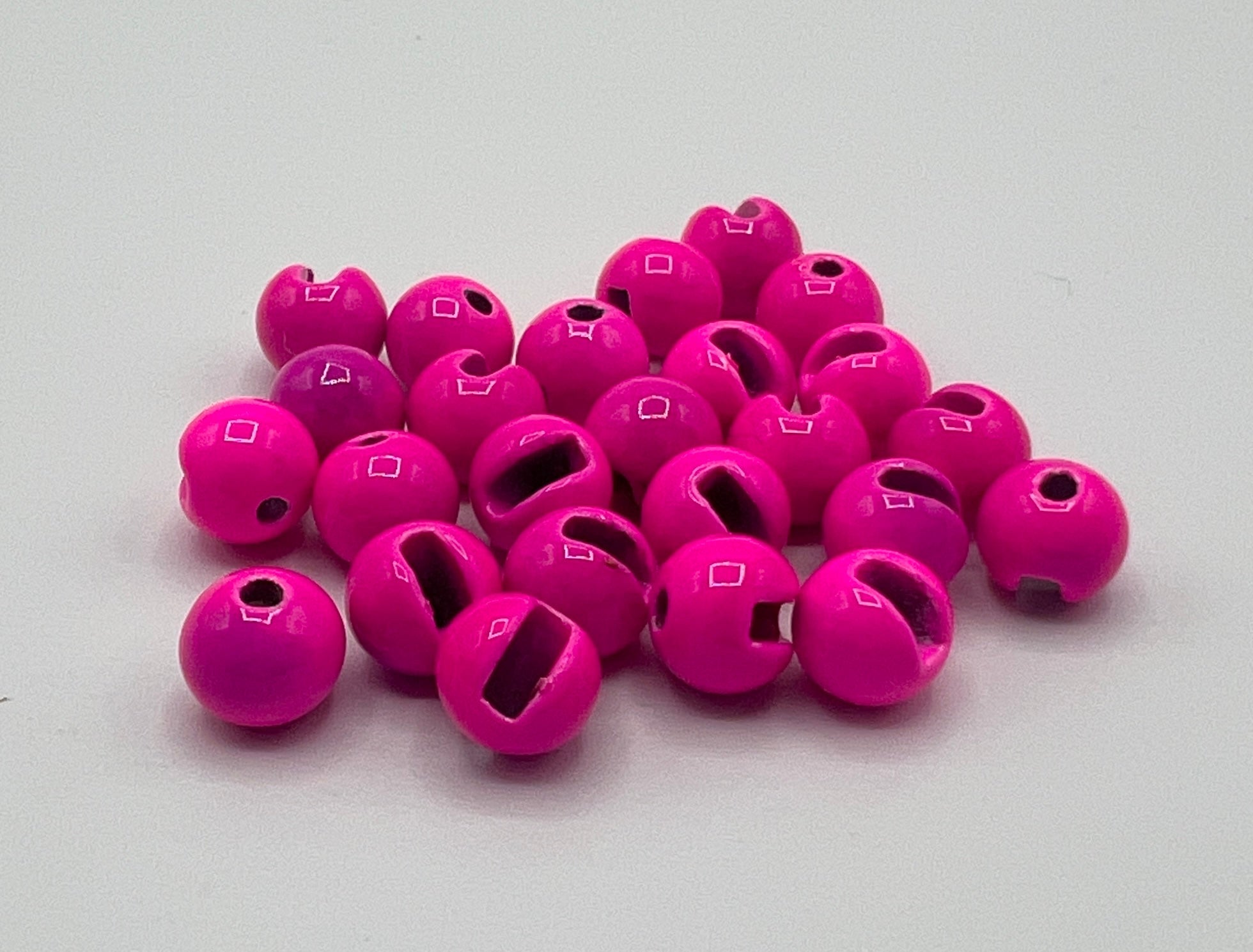
Ours is the Bead Head Pheasant Tail Assortment, which covers sizes 14, 16, and 18, with the flashback version if you want the flash.
2. The emerger
Description: the transitional stage between nymph and dun. The insect rises from the bottom, often in a bubble of air trapped under its casing, and sheds its nymphal case at the surface. The bubble accelerates the rise, and while rising the dun starts working out of the front of its case.
Appearance: a nymph transitioning into adult form, with developing wings starting to unveil themselves.

Behaviour: emergers struggle to break free from the shuck and often drift just below or in the surface film. Fishing the film can be deadly but is often hard to see — tying off the bend of a visible dry makes it easier.
Fly fishing implication: trout target emergers because they're vulnerable at this stage. Use flies that sit in or just below the surface. Tricks like treating your leader but not your fly, or the opposite, both work. Fluorocarbon with a treated fly can help. Find what works for you.
My favourite emerger patterns — the CDC Emerger, with the Foam RS2 a close second. Both are deadly in the film. The trick with the CDC emerger is not to treat the CDC at all. It floats well at first; once the CDC gets wet the fly sinks. Sometimes that's exactly what you want, but if you need it dry again, use a desiccant powder rather than gel.


That desiccant trick is exactly what Loon Dust is for — it pulls water out of CDC without matting the fibres the way a gel does. Keep Loon Aquel for everything else.

Mayfly with its discarded shuck.
3. The dun (subimago)
Description: the first winged stage post-emergence. It's short-lived — they fly to nearby vegetation to rest and mature into spinners.
Sometimes, as they emerge, the outer casing isn't completely shed. The nymph pushes its head and wings out of the top front of the case, and just after the wings come out the shuck stays attached. That gives you the infamous and deadly cripple. With a hanging shuck the mayfly is disabled, which makes it an easy-to-identify and easy-to-chase target for trout.
Appearance: delicate, translucent wings, often lighter in colour than the spinner stage.

Behaviour: duns take flight from the surface to nearby vegetation. They're not strong fliers and can be clumsy, which makes them easy prey.
Fly fishing implication: dry flies mimicking the dun float on the surface, representing this vulnerable stage. When you tell someone you fly fish, this is what they picture. They have no idea this accounts for maybe 10% of the times a fish eats. Either way it's one of the most exhilarating methods, and one of the most frustrating.
To improve your dry fly fishing, try the OSSCP and Systematized Perfect Drift articles.
My favourite dun: the Parachute Adams, by a distance. It imitates every mayfly there is, and if I headed out with one dry fly this would be it. You can see it well, the shape imitates the dun phase, and the fly lasts forever.


Ours is the Adams Classic Dry Fly, with the parachute version in the smaller sizes. And since I just described the cripple above — the Adam's Cripple and Last Chance Cripple are exactly that stuck-in-the-shuck silhouette.
4. The spinner (imago)
Description: the fully mature, reproductive stage.
Appearance: generally more sleek and clear-winged than the dun, often with shinier and more robust bodies.

Behaviour: spinners engage in mating swarms, after which females return to the water to lay eggs. Post-mating they die and fall onto the water, becoming spent spinners.
Fly fishing implication: anglers use spinner patterns especially during a spinner fall, when many dead or dying spinners are on the water offering a feast. These can be genuine feeding frenzies. Watch the water for spent spinners and observe trout behaviour to capitalise.
My favourite spinner pattern: the Rusty Spinner is a perfect silhouette. They're offered in other colours, but from what I've experienced the size is what matters here.


The egg sack version is worth carrying for the females still dropping eggs, and the hi-vis solves the real problem with spinner fishing — seeing a flat, spent wing in low light.
One insect, four acts
Imagine an insect's life as the parts of a Star Wars movie. The nymph is an underwater drama, full of crawling aliens exploring the universe. The emerger is the thrilling breakout scene, a struggle for change and freedom. The dun introduces the beauty of flight, a fleeting dance in the air. And the spinner is the grand finale, filled with passion, reproduction, and a poignant end.
In this Star Wars, the fly angler is both audience and participant, casting their lines in sync with each act. Welcome to the world of mayflies, young Jedi.
Covering all four stages
The most efficient way to learn this is to carry one insect across its whole life cycle. That's what a BugCycle assortment does — the Trico Mayfly BugCycle carries a single mayfly from nymph through spent spinner, which makes the silhouette shift obvious in your hand rather than theoretical.
Then broaden out: the Basics Bead Head Nymph Assortment for subsurface and the Basics Classic Dry Fly Assortment for the surface. See all fly pattern assortments.
Next: Identifying a Mayfly Hatch, the BWO, the Pale Morning Dun, the Trico, the caddis, and the midge.
Download the Dry Fly Tactics for Selective Trout eBook

Book the season you actually want
The best weeks on the best water go early. Plan it with Frontiers Travel — don't wait.
Plan Your Trip
By Christian Bacasa
Host of the Fly Fishing Insider Podcast
ffipodcast.com
@flyfishinginsiderpodcast
@dupeafish
Watch on YouTube
Fly Fishing Insider Podcast has a referral partnership with Frontiers International Travel. If you book after being introduced through us, we may receive compensation at no additional cost to you.