
Musky are called the fish of ten thousand casts for a reason, and most fly anglers who try them quit somewhere around cast number four hundred. In Episode 114 I sat down with Dan and Jen Donovan of Musky Fool, a shop built entirely around fly fishing for musky, and the conversation kept coming back to the same idea: the anglers who catch these fish aren't luckier, they're more disciplined. They throw the right size fly on the right rod, they fish the right structure for the season, and they finish every single retrieve. Here's what I took away.
Start With Enough Rod: Why a 10-Weight Is the Floor
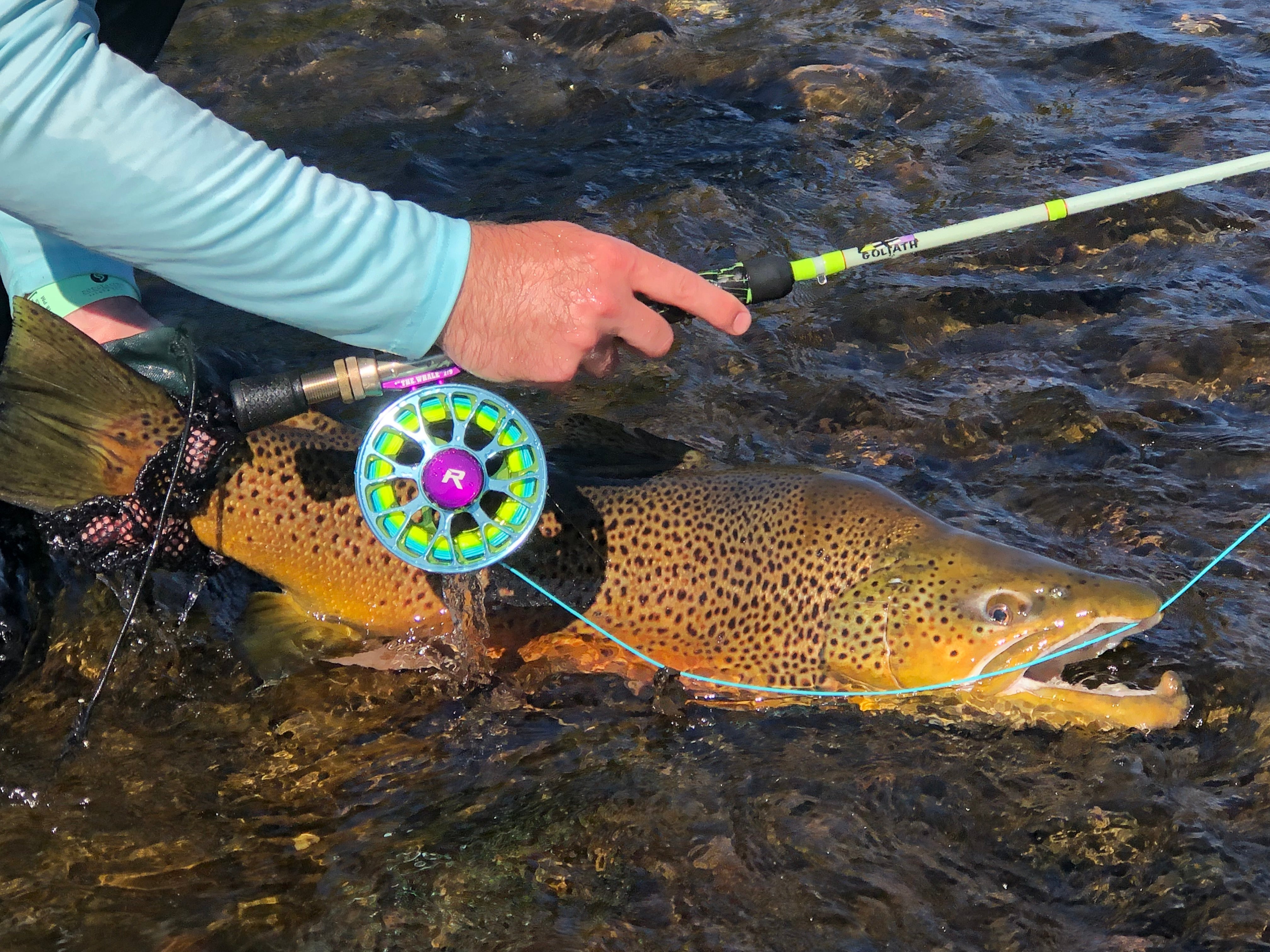
Opinions run all over the place on rod weight for musky, and Dan and Jen were honest about that. Their view is that a 10-weight is the minimum. Can you land a musky on something lighter? Sure. But you're casting flies that are big, wet and air-resistant all day long, and an undergunned rod wears out your shoulder long before it wears out the fish. That second part matters too: a fight that drags on stresses a fish that is already one of the most precious things swimming in its river or lake. Enough rod means shorter fights, cleaner releases and a casting arm that still works at the end of the day.
The same logic runs through the rest of the system. The Donovans talked about how many brands are now building rods, lines and leaders specifically for musky rather than borrowing saltwater or bass gear. Their goal at the shop is to carry every musky line made and be able to tell you which one fits which situation and which rod. If you're new to this, that kind of matching help is worth more than any single product.

Fly Size Grows With the Season
One of the most useful frameworks from this episode was how fly size scales through the year. Early in the season, a musky fly can look a lot like a big trout streamer, something in the five to eight inch range. As the season progresses the flies get bigger, and by late fall some anglers are throwing flies in the 15 to 20 inch range. That's not a hard rule; you'll still see days where a smaller fly gets eaten in fall. But as a starting point it keeps you from showing a cold, heavy, late-season fish a snack it won't move for, or showing an early-season fish something it isn't ready to chase.
Practically, that means building your box in tiers instead of buying a pile of random flies. A handful of modest streamers for spring and early summer, a middle tier for summer, and a few genuinely huge patterns for the fall push.
Where to Look: Weeds, Edges and Current Breaks
When I asked what a first-timer should look for on a river, the answer was clear: weeds, edges and the breaks in the current. Think timber, holes, weed lines and any seam where a predator can sit out of the flow and ambush something drifting by. Seasonally, spring fish are tied to spawning areas and can be spread out all over, while fall fish slide into the deeper holes and the banks become key. If you're fishing from a boat, work the edges methodically rather than chasing every likely spot at random.

The Figure Eight Is Not Optional
Here's the part that separates musky anglers from people who fish for musky. The Donovans described two stages to every encounter: did you get a fish to follow, and did you convert that follow into an eat? Those are different skills. Plenty of fish follow a fly right to the boat, and if you lift it out of the water there, you've wasted the hardest part of the day.
Their advice is to execute a figure eight at the end of every retrieve, not just when you see a fish. So often you never see the follow at all, no swirl, no flash, and then on the third loop a fish appears out of nowhere and eats. When anglers tell them they're having a tough time, their bet is that those anglers aren't figure-eighting every cast. Keep the rod tip down near the water, sweep wide, smooth turns, and keep the fly moving. Expect the unexpected, too: they've had musky try to bite trolling motors, and they've been sure they had a musky on only to land a pike.

Gear
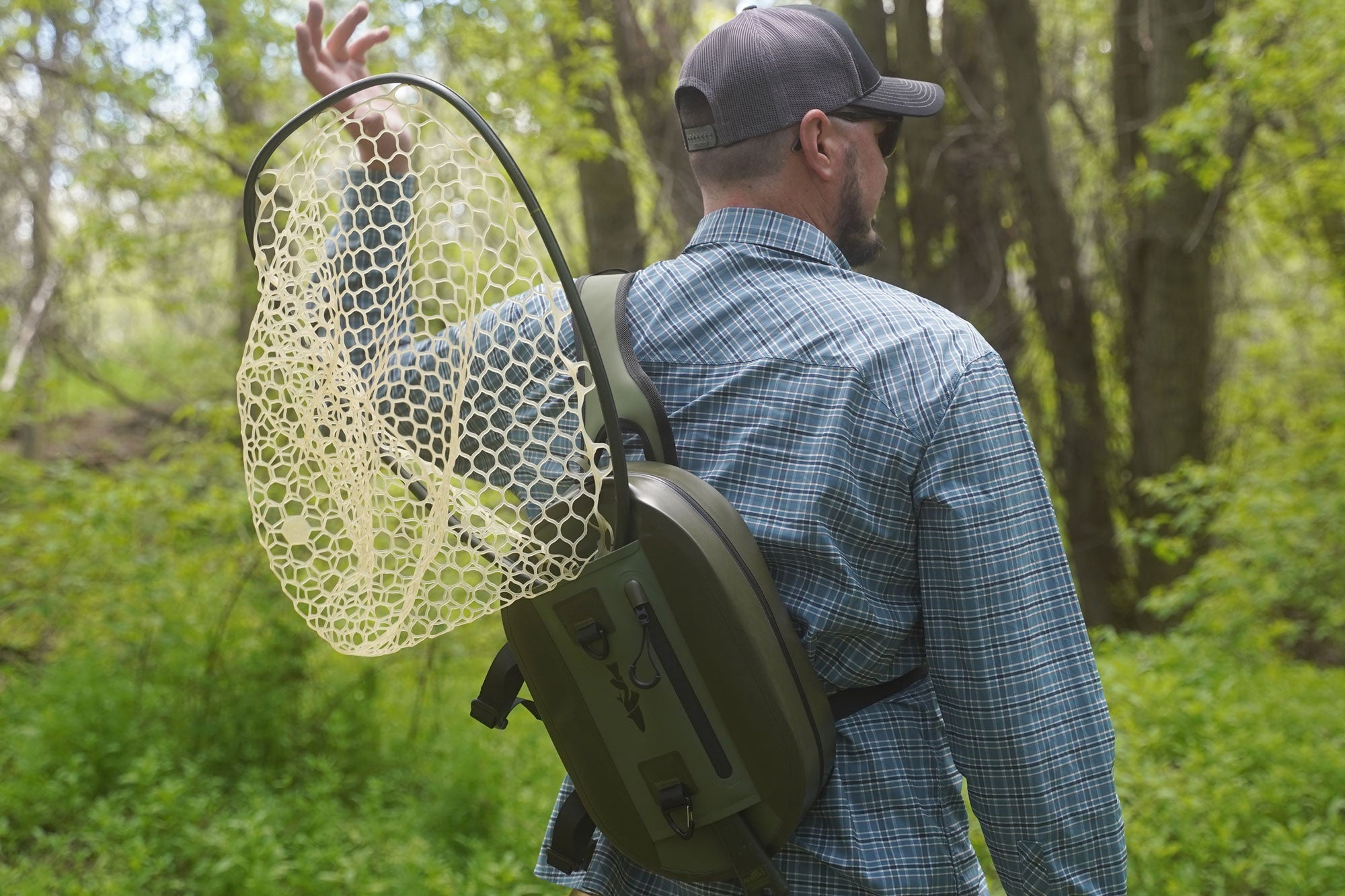
The biggest upgrades for musky are specialized: a 10-weight or heavier rod, a musky-specific line matched to that rod, wire or heavy bite tippet, long-nose pliers, jaw spreaders and a big rubber net. Get fitted for those at a local fly shop that knows musky, or a specialist shop like the one Dan and Jen run.
For the fundamentals that make long casting days easier, like line management and leader building, grab our Tips and Tricks for Fly Fishing eBook. And musky days run long and bright on the water, so a FFIP Five Panel Cap earns its spot in the boat when you're watching for follows in the glare.