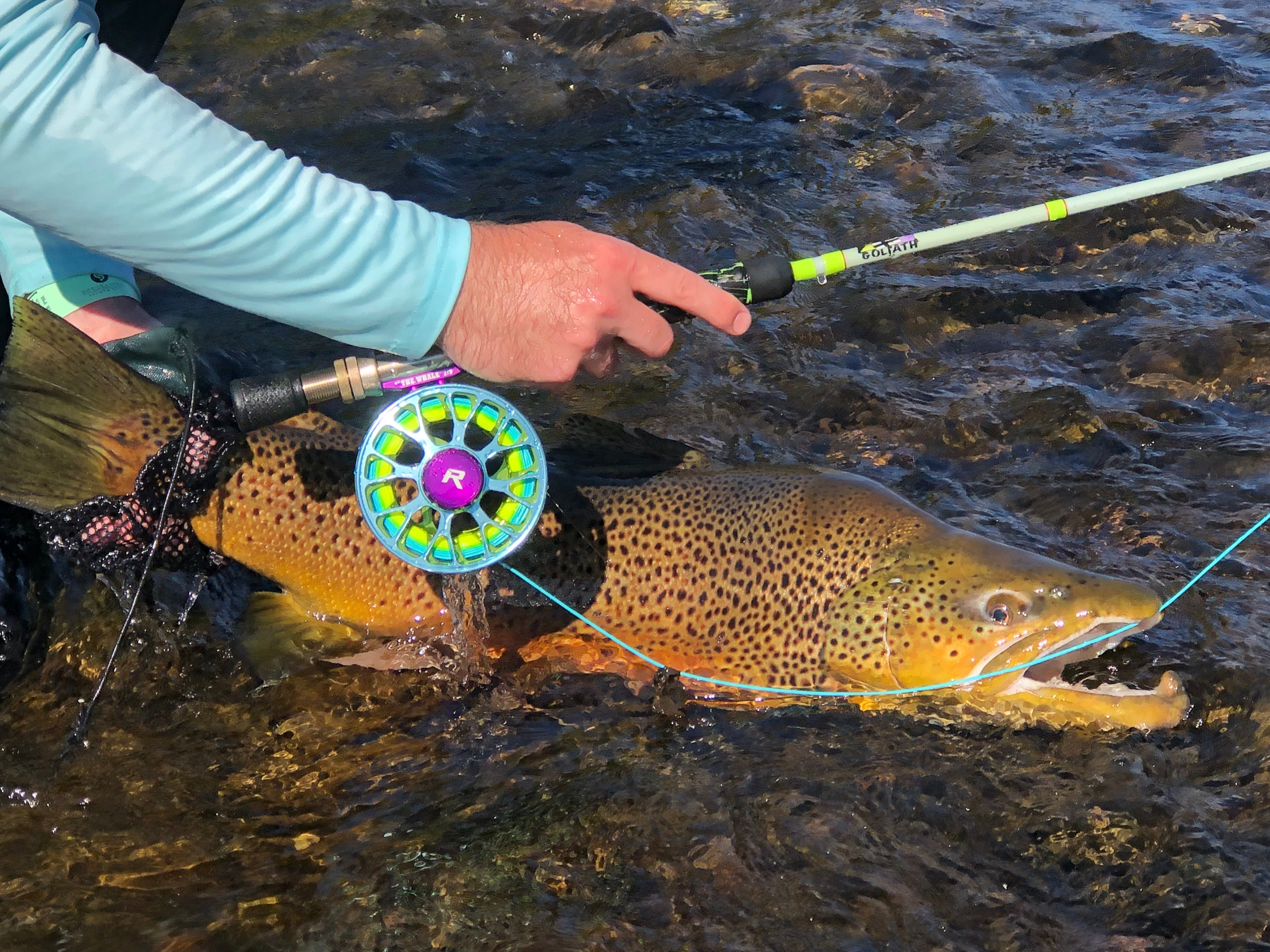

Beyond trout, the fish you can catch on a fly rod include common carp, gar, bowfin, mountain whitefish, northern pike and musky, sheepshead, peacock bass, striped marlin and redeye bass. Nearly any fish that eats insects, crustaceans or baitfish will eat a well-placed fly; the trick is matching rod weight, leader and fly to its mouth.
For years I thought a fly rod was a trout tool, full stop. Then a carp tailing in a foot of water made a fool of me, and I've been chasing the weird ones ever since. Some of the best days I've had on the water came from fish most anglers would call trash, right up until one peels line off the reel.
This list comes from our own fishing and from guests on the Fly Fishing Insider Podcast who've built whole careers around these species. If you love trout, keep loving trout. Just know there's a lot more out there.
- Start this weekend: common carp, probably in a pond near you.
- Most prehistoric: gar and bowfin.
- Biggest freshwater predator: pike and musky.
- Bucket-list salt: striped marlin in Magdalena Bay.
What Fish Can You Catch on a Fly Rod Besides Trout?

Common Carp
Common carp live in almost every warm lake, pond and slow river in the country, they grow big, and they are spooky enough to make you a better angler. A carp feeding nose-down on a flat is sight fishing in its purest form: you see the fish, put a small buggy fly in its face, and watch for the take.
Start with our complete beginner guide to carp on the fly, then build your box from the best carp flies.
Let the forecast pick the fish. Eric Leininger, a Pacific Northwest guide and carp specialist near Portland, Oregon, told us that most bad weather days are really just bad weather for the species you picked. Check the forecast first, then choose your target, which is exactly why it pays to have carp, whitefish or pike in your back pocket when the trout plan falls apart.
Gar
Gar have been around since the dinosaurs, and their long, bony beaks are the reason most hooks bounce right off. That's why gar anglers often fish rope flies, frayed nylon that tangles in the teeth instead of relying on a hook point. In South Florida, Florida gar cruise the roadside canals along the Tamiami Trail right next to the peacock bass.
We've covered gar twice on the podcast, including the episode on fly fishing for gar and adding action to your streamers with the Working Class Fishing Podcast crew, and our Tamiami Trail exotic species guide shows where the canals hold them.
Bowfin
Bowfin are another living fossil, and they live in the warm, weedy, swampy backwaters most anglers paddle right past. A bowfin can gulp air at the surface, so it thrives in water too low in oxygen for bass, and it hits a fly like it has a grudge. Bring a sturdy leader and pliers; those jaws are full of teeth.
Master Class Angling's Drew Price walked through both gar and bowfin on the episode embedded below, and it's the best primer we've recorded on either fish.
Mountain Whitefish
Mountain whitefish are native to many western rivers, from Montana to Utah, and they share the same riffles as the trout. Their small, downturned mouths are built for bottom-dwelling insects, so a small nymph fished on the bottom is the ticket, and they keep feeding on cold days when trout go quiet.
John Schneider of the Food a Field Podcast shared how he targets them and cooks them streamside on our catch-and-cook whitefish episode. Check your state's limits before you keep any.

Northern Pike and Musky
Pike and musky eat flies the size of a small trout, and they eat them with violence. The Musky Fool shop owners told the podcast on episode 114 that a 10-weight is the floor for musky, with flies growing from about 5 to 8 inches early in the season to 15 to 20 inches by late fall. A bite tippet or wire section keeps those teeth from cutting you off.
Read Musky on the Fly: fly size, rod weight and the figure eight and River Smallmouth and Pike: wire leaders and slow water.
Drew Price of Master Class Angling joined me on the Fly Fishing Insider Podcast to make the case for gar and bowfin as real fly rod targets, not accidents, with a stack of practical tips for finding, hooking and landing both. Episode page.
Can You Catch Saltwater and Exotic Fish on a Fly Rod?

Sheepshead
Southern anglers call sheepshead the permit of the South, and for good reason: they're wary, picky and armed with a mouthful of human-looking teeth for crushing crabs and barnacles. Tailing sheepshead in the Louisiana marsh are a fantastic warm-up for the real permit trip, and black drum often feed right alongside them.
Our deep dive on the world of sheepshead covers the fish, and the Louisiana location page covers where to go.

Peacock Bass
Peacock bass are native to the Amazon basin, and they hit a big streamer or popper harder than any largemouth you've met. In Brazil they share the river with golden dorado, pacu, bicuda and wolf fish, the lineup Captain Rafael Costa of Kendjam Lodge covered with us. South Florida's canals hold butterfly peacocks too, no passport required.
Listen to the Amazon episode with Captain Rafael Costa and read heavy-tackle lessons from Jeff Currier.

Striped Marlin
Billfish on the fly sounds like a rich man's game of teasers and switches, but off Magdalena Bay in Baja, striped marlin crash sardine bait balls close enough to cast to directly. Joseph Zaragoza of Mag Bay Lodge told the podcast that his pangas carry 12-weights rigged with floating, intermediate and roughly 500-grain sinking lines to cover the whole water column.
The full rigging rundown, including the double Bimini shock section, is in Striped Marlin on the Fly in Magdalena Bay.
Which Native Oddball Deserves a Road Trip?
Redeye Bass
Redeye bass are a small-stream bass with a big personality, native to the upland rivers of the Mobile Basin. Outdoor Alabama describes them living above the Fall Line in the Coosa and Tallapoosa systems, in small to medium streams with water willow, boulders and undercut banks, eating insects, crayfish and small fish.
Biologists have since split the old redeye group into several closely related species, each tied to its own drainage, which makes them a fun collector's quest. Think of it as a southern answer to native trout fishing: a light rod, a small popper or a crayfish pattern, and clear creeks with almost nobody around.
What Gear Do You Need for Non-Trout Species?
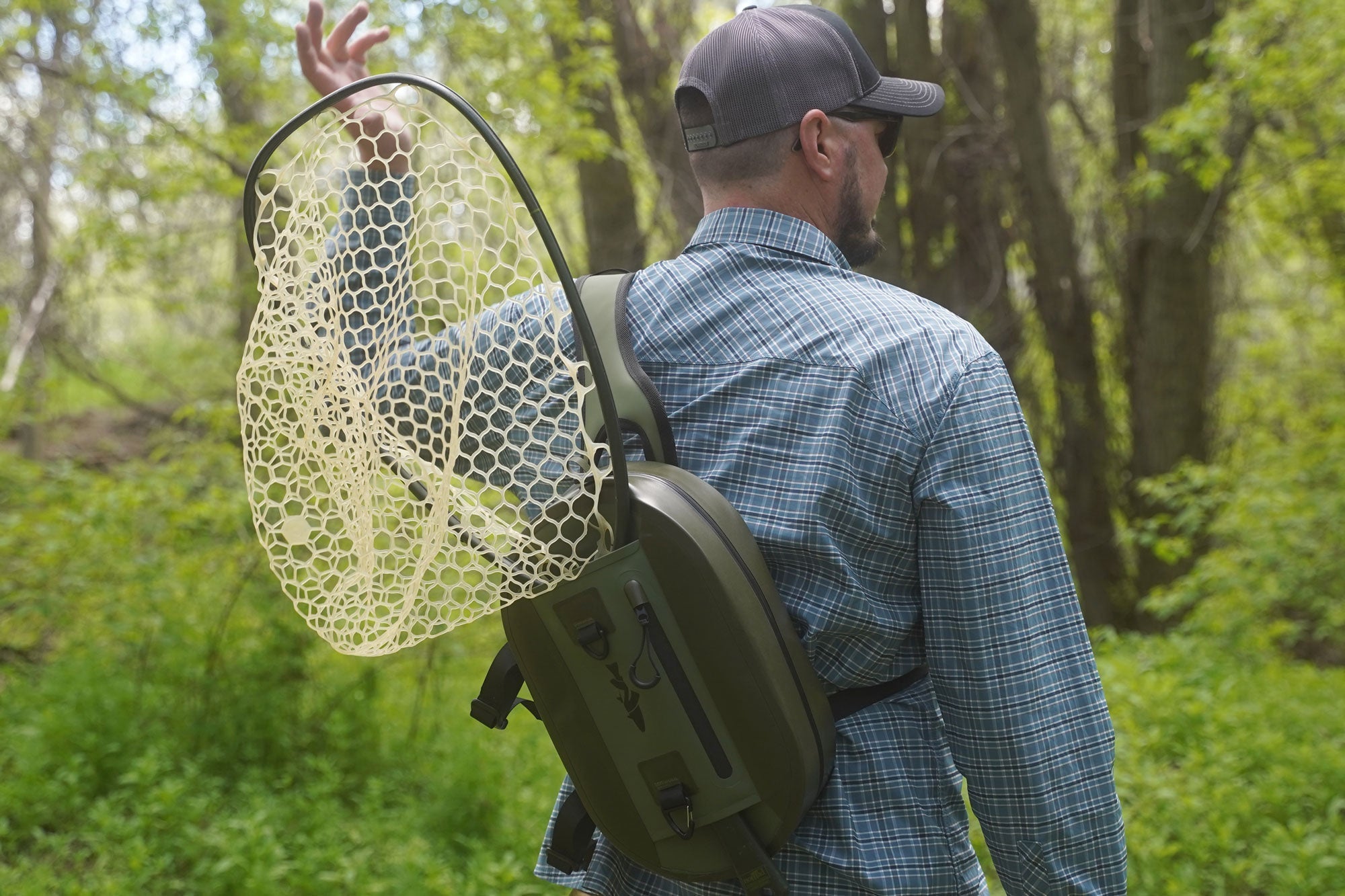
You don't need a new quiver to start. A 6- or 7-weight covers carp, whitefish and redeye bass, while pike, musky and marlin call for 9- to 12-weights. Add a few things to your kit: a big rubber-bag net like the Rising Lunker Net for fish that won't fit a trout net, long pliers like the Rising Work 9-inch pliers to keep fingers away from gar, bowfin and pike teeth, a weight-forward line such as the Moonlit WF Saltwater Fly Line for the salt, and a few Clouser EZ Poppers for anything that eats on top.
For predator flies and heavier rigging, browse our streamer fishing collection, and see every net we carry in the nets collection.
- 15 Lessons Alaska Guides Shared on the Fly Fishing Insider Podcast
- Warmwater Fly Fishing Tips for Bass, Carp, Musky and Pike
- Carp Fly Rod Setup: Rod Weight, Line, Leader and Why Fluorocarbon
- Chasing Every Salmonid Species: How to Find Rare Native Trout and Char
- The full Fly Fishing Insider Podcast archive
Frequently Asked Questions
What is the easiest non-trout fish to catch on a fly rod?
Panfish and bass are the easiest non-trout fish on a fly rod, since they eat poppers and small streamers readily. Of the fish on this list, mountain whitefish are the most forgiving, while carp are common but famously spooky.
What fly rod weight do I need for carp, gar and pike?
A 6- to 8-weight handles most carp and gar, and many carp guides like a 7-weight with a sealed drag. Pike and musky need more: the Musky Fool crew calls a 10-weight the minimum for casting big musky flies all day.
Do I need a wire leader for toothy fish?
For pike and musky, yes, use a wire or heavy bite tippet so teeth don't cut the fly off. Gar are often fished with rope flies instead of hooks, because their bony beaks are so hard to hook.
Can you catch saltwater fish with a fly rod?
Absolutely. Redfish, bonefish, tarpon, permit, sheepshead, roosterfish and even striped marlin are all regular fly rod targets. Saltwater rods are usually 8- to 12-weights with corrosion-resistant reels and strong drags.
Pick one fish from this list that lives within an hour of your house and go chase it this month. You'll come back a better angler, and probably a little humbled.
Tight lines, everyone!
Want more species, more tips and the stories behind them? Join the FFIP Insiders newsletter and we'll help you catch any fish, any time, and anywhere.
Join freeShow us your weirdest fish on Instagram @flyfishinginsiderpodcast