
Fly Fishing Insider Podcast
Alaska fly fishing runs in stages. Early season means streamers, nymphs, dry flies and mice. Sockeye push in around early July and displace rainbows for a few weeks. Once the egg drop starts, roughly six weeks of bead fishing follows, then flesh and streamers as the salmon die off.
Jeffrey Falardeau guides at Rainbow River Lodge in Bristol Bay, Alaska, having left a career in athletic administration at 39 to start guiding, and has now spent eight seasons in the state.
Also on Apple Podcasts · Spotify · YouTube
What does the Alaska fly fishing season actually look like month by month?
The Alaska season opens with traditional water: streamers, nymphs, dry flies when a hatch cooperates, and mice. The first sockeye push into the Bristol Bay systems around the Fourth of July and reach the lodge's home river about July 10, where they stage two and a half to three weeks before dropping eggs. That egg drop opens roughly six weeks of bead fishing on most tributaries, running as late as the last week of September, with the final ten days of the season offering a chance to swing flesh or a streamer again.
Why do Alaska rainbows move so much during bead season?
Alaska rainbows follow the egg source rather than holding water, so a quarter mile of river can be dead while the quarter mile above it is stacked with fish. The first salmon run to the highest point in a tributary, and as the season progresses the spawners and the rainbows behind them slide downstream. A run that fished well yesterday deserves one drift, not a morning, and by late season the fish may be concentrated in a single stretch half a mile from the truck.
What is an egg choke and why does it make Alaska fishing harder?
An egg choke is what a guide calls it when thousands of eggs are washing down the river at once. With that much free food, a single bead has to compete with everything else in the drift, and fishing gets harder rather than easier. A good rain that flushes the excess out, leaving a steadier trickle of eggs, usually makes the rainbows far easier to catch.
How should you rig for bead fishing in Alaska?
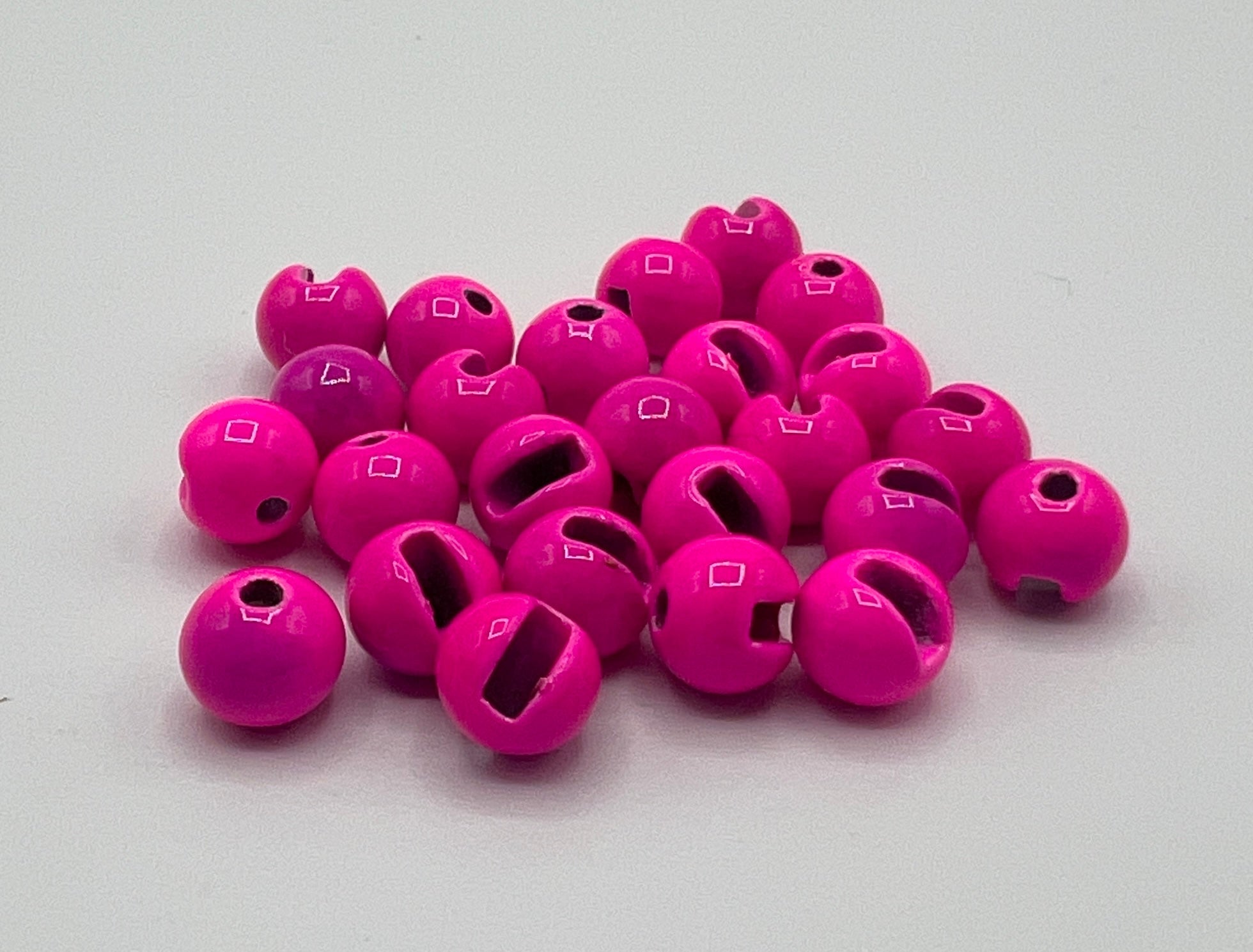
Efficiency matters more than variety when bead fishing in Alaska, because time spent tying is time not drifting. Pre-tie complete rigs at home, wound on foam, in ten bead colors with the circle hooks already attached and a clip-on tippet ring on each one, so a break-off means pocketing the old rig and clipping on a new one. When one angler is catching and another is not, the first thing to check is the split shot: a lost shot takes the fly out of the zone even when the fish are directly in front of you.
When should you switch from beads to flesh or streamers in Alaska?
The switch from beads to flesh is driven by what is visible in the river, not the calendar. Heavy salmon die-off plus slow bead fishing is the signal to try flesh, either swung or dead drifted under an indicator, and rainbows can often be seen feeding on it down in the deep holes. If flesh produces a few but nothing convincing, a streamer is the next step, though changing tactics every twenty minutes is its own way to waste a day.
What makes drift fishing from a jet boat different for the angler?
On the biggest Alaska rivers the fishing is done by running upstream, killing the motor and drifting, and some runs are only 200 yards long. That means the angler has to be set up before the boat gets there: rod in hand, bead unhooked, and line hitting the water within 100 feet of the target so the fly is at depth when the boat reaches the hole. Guides will also call river right or river left before crossing so nobody is switching sides mid-drift and burning a run.
What can an Alaska guide learn from a client?
Guides at a Bristol Bay lodge see guests who have fished the same river for twenty years and specialists who fish steelhead all over the world, and the useful move is to watch first and ask why second. Hand placement on a two-hander, mending, and how someone reads a run all tell you something before a single question gets asked. Fly selection is where it pays off most: bringing steelhead patterns to Alaska rainbows started as a client's suggestion and became a regular part of one guide's rotation.
Key takeaways
- Book the first available fly-out day at an Alaska lodge rather than saving it for later in the week, because weather can close flying with no notice.
- Pre-tie bead rigs in ten colors on foam with circle hooks and a clip-on tippet ring so a break-off costs seconds instead of minutes.
- Check your split shot immediately when the angler next to you is hooking up and you are not.
- During bead season, give a run that fished well yesterday one drift before moving; the fish have usually shifted up or down river overnight.
- Tell the lodge on the first night what you want out of the week, including grayling on dry flies or a pike lake, because most fly-out options are within about 25 minutes of the lodge.
- Heavy salmon die-off combined with slowing bead fishing is the cue to try flesh, dead drifted under an indicator or swung.